Discover the ideal container dimensions for thriving cherry tomatoes. Master root space, watering cycles, and container selection.
Key Takeaway:
Selecting the right container prevents root crowding and water stress. Always use a minimum 5-gallon container for healthy indeterminate cherry tomato vines.
Quick-Reference Guide
| Factor / Scenario | Recommended Target | Why It Matters |
|---|---|---|
| Indeterminate Cherry Varieties | 7 to 10 Gallons | Supports massive continuous vine and root growth. |
| Determinate Cherry Varieties | 5 Gallons | Accommodates compact bush growth habits safely. |
| Minimum Container Depth | 12 to 14 Inches | Allows deep taproot penetration and stability. |
| Minimum Drainage Area | 3 to 5 Holes | Prevents waterlogging and fatal root rot conditions. |
| Fabric vs Plastic Pots | Fabric Breathability | Air-prunes roots and prevents circling organically. |
| Soil Volume Weight | 30 to 40 Pounds | Provides enough ballast against heavy wind loads. |
Understanding Cherry Tomato Root Systems
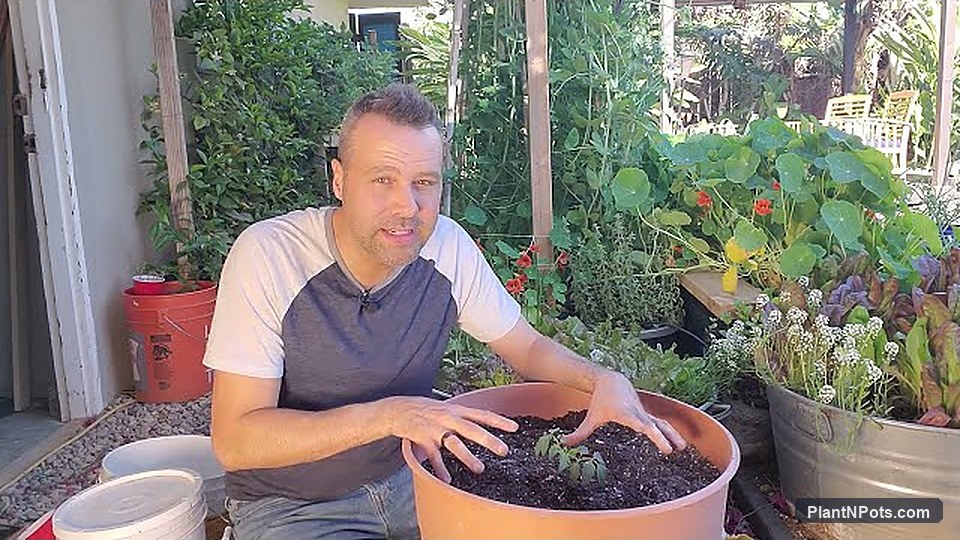
Cherry tomato plants develop extensive root networks that demand adequate physical space to absorb water efficiently. Confining these vigorous roots stunts overall canopy development and reduces fruit yield drastically.
A robust root system requires both vertical depth and horizontal breadth to anchor heavy fruit-bearing branches safely. Deep taproot penetration ensures your container plant stays upright during severe afternoon storms.
Restricted root zones force frequent watering schedules because small soil volumes dry out rapidly under direct sunlight. Understanding this underground growth pattern prevents common nutrient deficiency issues during mid-summer fruiting peaks.
Healthy roots rely on continuous oxygen exchange within the potting mix structure. Reviewing our [cherry tomato planter options](https://plantnpots.com/?p=6672) guarantees sustained vitality from seedling stage until final harvest.
- Root systems grow up to three feet deep in optimal soil conditions.
- Container-grown plants require proportional root-to-shoot ratios.
- Oxygen availability directly influences nutrient uptake efficiency.
- Crowded roots release chemical signals that prematurely halt flowering.
Evaluating Indeterminate Versus Determinate Habits
Indeterminate cherry tomato varieties climb continuously and require larger containers than compact determinate bushes. Providing a 10-gallon pot accommodates these relentless climbers throughout the long growing season.
Determinate cherry cultivars stop growing once fruit sets, making smaller pots manageable. A sturdy 5-gallon container easily satisfies their predictable, bushy growth requirements without sacrificing total yield.
- Indeterminate vines need heavy-duty staking alongside spacious pots.
- Determinate types fit comfortably on sunny apartment balconies.
Gallon Capacities and Physical Dimensions
Translating plant vigor into exact container measurements helps eliminate guesswork during setup. A true 5-gallon bucket holds roughly 0.67 cubic feet of specialized potting soil for your plants.
Diameter matters just as much as total volume when selecting functional garden containers. Exploring creative [fairy garden container designs](https://plantnpots.com/?p=4494) allows better airflow around the base and simplifies surface amendment applications later.
Avoid overly tall, narrow pots that restrict lateral root expansion and destabilize easily in high winds. A 12-inch minimum depth strikes the ideal balance for healthy tomato root runs.
Measuring existing household vessels before planting prevents accidental under-sizing mistakes. Always verify liquid volume ratings rather than relying solely on visual container estimates.
- Check manufacturer volume stamps on nursery container rims.
- Ensure top diameters measure at least twelve inches across.
- Avoid tapered pots that squeeze root balls near the base.
- Confirm weight capacities before filling containers with wet soil.
Calculating Soil Volume Requirements
Filling large planters demands significant quantities of lightweight, nutrient-rich soilless potting mix. Purchasing bulk bags ensures you have enough media to fill deep containers completely.
Settling occurs naturally after the first few heavy waterings post-planting. Always leave one inch of headspace at the rim to prevent overflow during routine irrigation sessions.
- Calculate cubic footage before visiting the garden center.
- Incorporate organic compost into standard commercial potting soils.
Video Walkthrough: Grow Cherry Tomatoes in a Container
Comparing Material Performance for Container Tomatoes
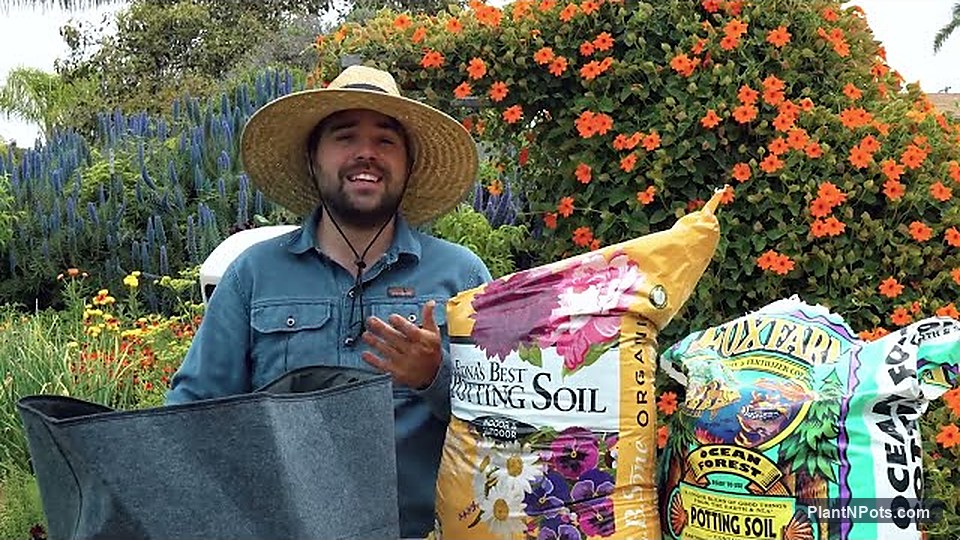
Container material directly influences soil temperature, moisture retention, and overall plant health. Plastic pots retain moisture effectively but can overheat tender root systems during intense summer heatwaves.
Fabric grow bags offer superior aeration and naturally air-prune circling roots for vigorous branching. Breathable fabric walls prevent root containment issues common in smooth-sided plastic nursery pots.
Traditional terra cotta planters evaporate moisture rapidly through porous clay walls, requiring vigilant daily watering. Heavy ceramic vessels provide excellent stability for tall plants but prove difficult to relocate.
Selecting the right material depends heavily on your local climate and watering schedule availability. Match your container composition to your daily maintenance habits for optimal results.
- Plastic containers reduce water loss in arid, windy environments.
- Fabric aeration eliminates root circling in aggressive cultivars.
- Clay pots demand twice daily watering during peak summer months.
- Wooden boxes offer great insulation but degrade over multiple seasons.
Managing Fabric Grow Bag Moisture Levels
Fabric containers dry out much faster than glazed ceramic or heavy plastic pots. Monitor moisture daily during hot weather to prevent blossom end rot in developing fruits.
Placing saucers underneath fabric bags is generally discouraged to maintain proper bottom drainage. Elevating bags slightly on bricks improves airflow beneath the root zone.
- Group fabric pots together to reduce external wind drying.
- Apply thick organic mulch layers to slow surface evaporation.
Managing Soil Moisture and Drainage Requirements
Proper drainage is the single most critical factor for container-grown cherry tomatoes. Drill extra holes if your chosen decorative pot lacks adequate exit points for excess irrigation water.
Standing water at the container base suffocates roots and invites destructive fungal pathogens rapidly. Choosing [ideal monstera pot sizes](https://plantnpots.com/?p=6664) ensures unimpeded water discharge after heavy rainfall events.
Consistent moisture prevents drastic fruit splitting caused by erratic watering cycles. Water deeply until liquid flows freely from the bottom drainage holes every single time.
Using fast-draining potting mixes prevents compaction and waterlogging in large containers. Never use native garden soil in pots because it lacks necessary porosity and introduces pests.
- Verify all drainage holes remain unblocked by roots or debris.
- Use custom soil blends containing perlite and peat moss.
- Water early in the morning to minimize foliar disease risks.
- Check soil moisture two inches down before irrigating plants.
Diagnosing Container Constraints and Root Binding
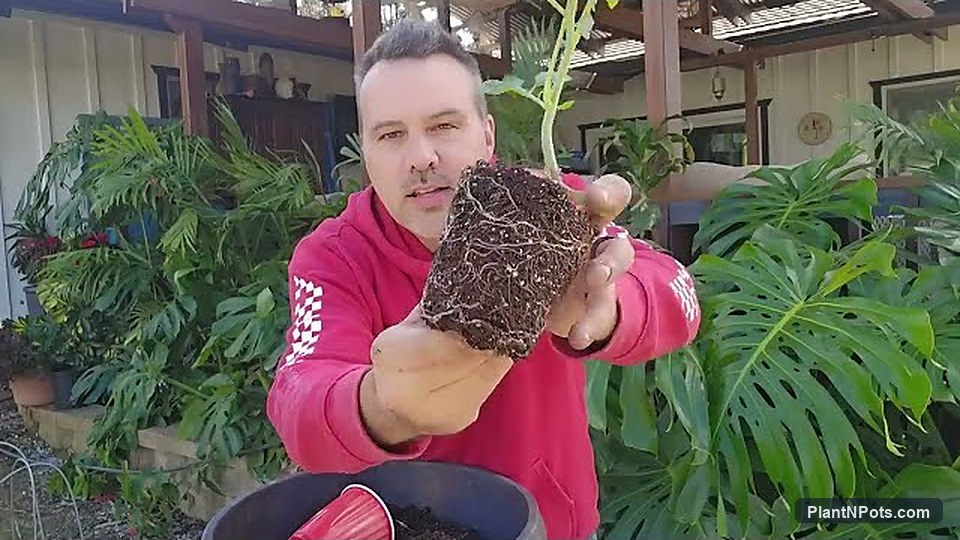
Plants confined to undersized pots exhibit stunted growth, yellowing lower leaves, and poor fruit sets. Inspect drainage holes regularly to spot aggressive roots escaping the container bottom.
Root-bound cherry tomatoes dry out within hours despite thorough daily watering routines. This rapid desiccation indicates the root ball has completely displaced the internal potting mix.
Foliage wilting during morning hours despite moist surface soil confirms severe root crowding. Transplanting into larger vessels during early vegetative stages can successfully rescue stressed specimens.
Preventing restrictions from the outset eliminates mid-season transplanting stress for mature vines. Give your cherry tomatoes room to expand from day one for continuous harvests.
- Look for circling roots visible near container drainage holes.
- Notice frequent wilting despite adequate watering schedules.
- Observe dramatically slowed vertical growth during peak season.
- Address container sizing issues before heavy flowering begins.
Feeding and Maintenance in Restricted Volumes
Container gardening flushes essential nutrients out of the soil mix through frequent watering. Apply balanced liquid fertilizers every two weeks to sustain heavy fruit production cycles.
Micronutrient deficiencies appear much faster in pots than in open garden beds. Supplementing with calcium and magnesium prevents common physiological disorders like blossom end rot.
Top-dressing containers with aged compost provides a slow-release nutrient boost mid-season. Refresh surface soil layers gently without damaging delicate shallow tomato feeder roots.
Pruning excessive suckers reduces overall plant stress and balances root water demand. Maintain clean tools to prevent disease transmission while managing container plant density.
- Flush soil monthly to prevent harmful fertilizer salt buildup.
- Use organic tomato-specific fertilizers for steady nutrition.
- Remove lower leaves touching soil to stop splashing pathogens.
- Support heavy fruit clusters with sturdy stakes or cages.
Frequently Asked Questions
Can I grow cherry tomatoes in a standard 3-gallon pot?
A 3-gallon pot is generally too small for healthy cherry tomatoes. Use a 5-gallon minimum to prevent rapid drying and nutrient depletion.
What happens if my cherry tomato pot lacks drainage holes?
Lack of drainage causes waterlogging, root suffocation, and fatal fungal diseases. Always drill holes in custom containers before adding soil.
How often should I water cherry tomatoes in containers?
Container plants require daily watering during hot summer conditions. Check soil moisture two inches deep to determine exact irrigation needs.
Are fabric grow bags better than plastic pots for tomatoes?
Fabric bags promote superior root aeration and prevent circling roots naturally. They dry out faster, so monitor moisture levels carefully every day.
Should I use garden soil inside my tomato containers?
Native garden soil compacts severely and introduces weeds and pests indoors. Always choose high-drainage commercial soilless potting mixes for containers.

