Discover how internal reservoirs revolutionize indoor container gardening. Master setup, watering physics, and plant selection today.
Key Takeaway:
Fill the external reservoir while keeping soil aerated to prevent root rot. Capillary action draws moisture upward reliably.
Quick-Reference Guide
| Factor / Scenario | Recommended Target | Why It Matters |
|---|---|---|
| Reservoir Fill Level | Max fill line | Prevents waterlogging and root suffocation |
| Soil Substrate | Soilless potting mix | Enhances capillary water wick efficiency |
| Plant Preference | Ferns and tropicals | Thrives in consistent moisture environments |
| Plant Avoidance | Succulents and cacti | Rot in continuously damp soil conditions |
| Flushing Schedule | Monthly top watering | Removes accumulated mineral salt deposits |
| Cleaning Routine | Biannual mild soap wash | Prevents algae and bacterial growth buildup |
Understanding the Mechanics of Self-Watering Planters
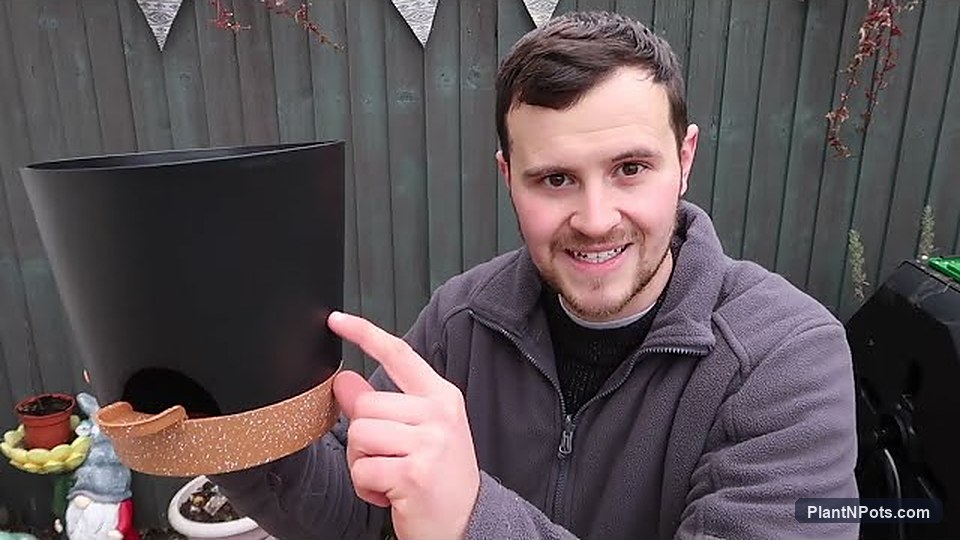
Self-watering containers rely on a concealed bottom reservoir that stores moisture away from roots. Capillary action pulls water upward through a specialized porous wick into the root zone naturally.
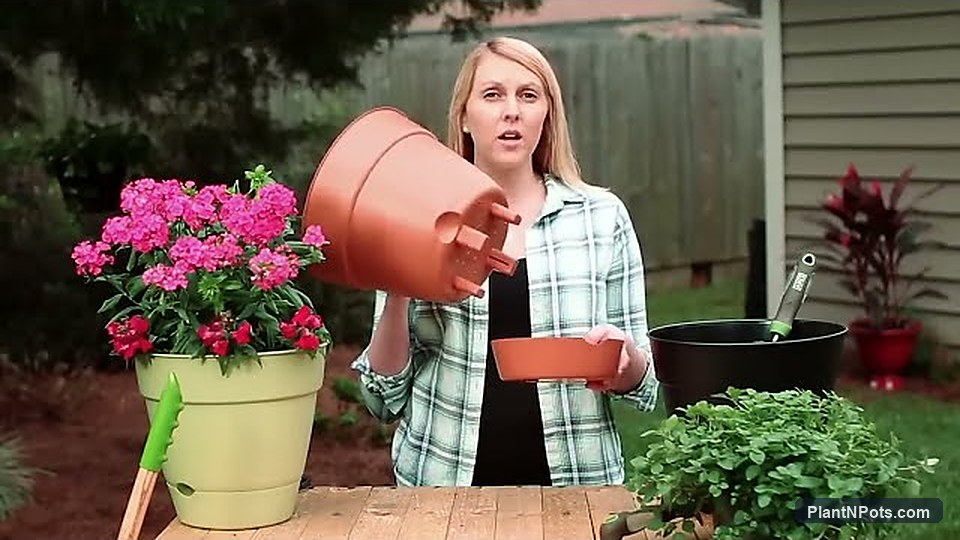
A physical barrier or aeration screen separates the reservoir from the planting medium. This crucial gap creates an air pocket that supplies vital oxygen to underground plant roots.
Understanding these internal components helps prevent common mistakes like drowning sensitive root systems. The design mimics natural water tables found in healthy native outdoor soil environments.
Manufacturers use durable frost-resistant plastics and ceramics to construct reliable long-lasting reservoirs. Selecting quality materials ensures your container withstands seasonal temperature shifts without cracking or leaking.
When evaluating designs, look at how the best flower pot with watering system integrates the water basin beneath the inner chamber to maximize moisture absorption.
The inner potting chamber sits directly above a sealed water basin. A porous wick or soil column bridges the gap, constantly pulling liquid upward into the root zone via tension.
Most residential units feature an overflow drainage hole to prevent root rot during heavy rainfall. This vital safety port protects outdoor setups from over-saturation during unexpected summer downpours.
Maintaining a stable water level ensures plants avoid the stress of drought-drown cycles. Monitoring the attached sight glass prevents your reservoir from running completely dry between scheduled top-ups.
- Concealed base reservoir stores excess moisture securely.
- Wicking mechanism draws water upward consistently.
- Air gap maintains essential root oxygenation levels.
- Physical screen prevents soggy soil compaction.
Inside the Dual-Chamber Design
The dual-chamber structure isolates standing water from the upper planting compartment. This separation keeps the growing medium moist without forcing roots to sit directly in water.
An overflow drain hole is standard on exterior models to expel heavy rainfall outdoors. Drainage safety protects your plants from accidental flooding during sudden summer downpours.
- Isolates standing water safely below.
- Prevents direct root submersion injury.
- Manages outdoor rainfall via overflow.
Step-by-Step Guide on How to Use Them Properly
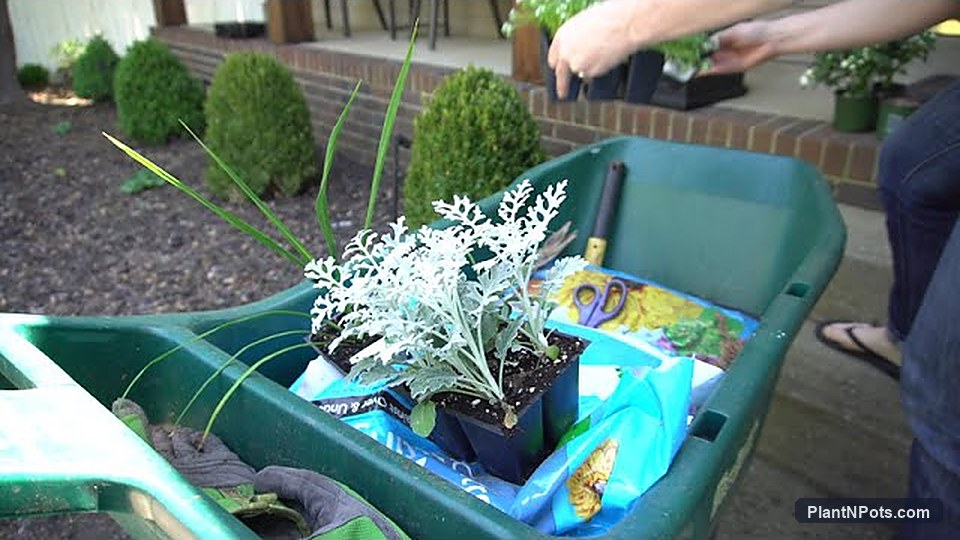
Setting up your new container correctly ensures optimal moisture distribution for your growing plants. Begin by thoroughly cleaning the reservoir and checking all internal wicking columns.
This setup step applies equally when arranging a large [best 20 gallon outdoor planter](https://plantnpots.com/?p=4364) or a smaller indoor vessel to secure proper wicking contact.
Fill the upper compartment using a lightweight, highly porous soilless potting mix. Heavy garden soils compact too tightly and disrupt the vital upward capillary moisture movement.
Water the newly potted plant lightly from the top initially to settle the substrate. This initial top watering bridges dry soil gaps and kickstarts the natural wicking process.
Pour water directly into the fill tube or inlet until the water level indicator peaks. Monitor indicators weekly to avoid letting the hidden reservoir run completely dry during warm spells.
Begin by thoroughly flushing your growing medium before filling the main chamber. Pre-moistened potting mix ensures immediate capillary engagement right from the initial planting day.
Fill the lower reservoir completely using the dedicated fill tube or funnel port. Stop pouring immediately once the mechanical float indicator reaches its maximum fill line.
Plant your chosen vegetation directly into the upper soil compartment, tamping firmly around the base. Ensure the root ball makes direct contact with the wicking column below.
Allow the plant to establish its root network through traditional top watering for the first week. This initial top-down phase encourages roots to grow downward toward persistent moisture.
Check the reservoir water level every three to five days during peak summer heat. Refill slowly to avoid splashing water down the internal overflow drainage pipe.
- Clean interior reservoir thoroughly before setup.
- Position porous wicks correctly inside channels.
- Use lightweight soilless potting substrates exclusively.
- Water topsoil once to settle fresh medium.
Video Walkthrough: How To Use Self Watering Plant Pots In Your Garden – The pro and the cons explained
How Plants Absorb Water and Nutrients Inside
Maintaining fluid balance is equally crucial if you utilize a [best self watering grow bag](https://plantnpots.com/?p=2773) to ensure steady nutrient uptake for vigorous root growth.
Nutrients dissolve into the reservoir water, traveling upward along with the moisture to feed roots. However, heavy granular fertilizers can leave salt crusts requiring occasional top flushing.
Root hairs require both water and oxygen simultaneously to function at peak biological efficiency. The specialized aeration gap in these planters prevents suffocation while sustaining continuous hydration.
Understanding nutrient uptake helps you adjust feeding schedules for heavy-feeding container plants. Soluble liquid plant foods mixed directly into the reservoir deliver precise, steady nutritional support.
Roots absorb dissolved minerals alongside moisture through microscopic root hairs situated underground. The continuous moisture delivery system prevents essential nutrients from leaching away via deep drainage.
Liquid fertilizers added directly to the reservoir dissolve evenly throughout the standing water column. Capillary action then transports these mineral salts upward to hungry root systems.
Over-fertilization poses a real risk because salts accumulate near the soil surface over time. Flush the topsoil with plain water monthly to prevent toxic mineral buildup near stems.
Oxygen diffusion remains critical since saturated soils can suffocate delicate root tips. Choose a coarse potting mix containing perlite to maintain vital pore space for air exchange.
- Osmotic pressure drives internal moisture absorption.
- Capillary action lifts dissolved nutrients upward.
- Air gaps prevent root suffocation safely.
- Liquid fertilizers integrate easily into reservoirs.
The Major Benefits for Everyday Container Gardeners
Self-watering containers save valuable time by drastically reducing daily watering frequency requirements. Gardeners can travel or manage busy schedules without worrying about wilted, thirsty household foliage.
Roots absorb exact quantities of moisture on demand rather than enduring cycles of drought. This steady hydration eliminates the stress that often triggers leaf drop or blossom end rot.
Water conservation improves dramatically because enclosed reservoirs eliminate surface evaporation and heavy runoff losses. Every drop of moisture is utilized efficiently by the underground root system.
Pest and fungus issues decrease when topsoil surfaces remain drier between deep hydration cycles. Reduced surface moisture discourages fungus gnats from laying eggs in damp topsoil layers.
These specialized containers reduce daily watering labor significantly for busy urban gardeners. You can safely leave town for a long weekend without arranging complex automatic irrigation systems.
Deep root hydration encourages stronger, more resilient plant structures throughout the growing season. Plants experience zero drought stress, resulting in lush foliage and abundant seasonal blooms.
Water conservation improves dramatically because evaporation losses drop significantly compared to traditional open pots. The enclosed reservoir shields moisture directly from baking surface heat.
Soil compaction decreases since you rarely pour heavy streams of water onto the top surface. Maintaining a loose soil matrix promotes optimal microbial activity underground.
- Reduces daily watering chores significantly.
- Eliminates damaging drought and flood cycles.
- Conserves water through enclosed storage.
- Minimizes fungus gnat breeding habitats.
Plant Compatibility: Which Species Thrive and Suffer
Tropical houseplants and moisture-loving ferns adore the consistent root-zone hydration provided by these planters. Species like peace lilies and monsteras flourish when moisture levels remain reliably stable.
Conversely, drought-tolerant species like cacti, succulents, and lavender strongly detest constant root moisture. Root rot quickly develops when these desert natives sit in perpetually damp growing media.
Herbs such as mint and basil thrive wonderfully, while woody herbs prefer drier conditions. Matching the correct plant variety to the container style ensures long-term gardening success.
Always research individual plant root habits before transitioning them into permanent self-watering setups. Some foliage adapts well after a gradual adjustment period in moist substrates.
Thriving species include moisture-loving ornamentals like ferns, peace lilies, and vibrant summer flowers. These plants adore the constant hydration provided by continuous subsurface wicking columns.
Edible crops such as tomatoes, peppers, and leafy greens produce exceptional yields in these setups. Their high water demands match the steady moisture output of large reservoirs.
Succulents and cacti suffer quickly and inevitably rot within self-watering planters. Their root systems require complete drying cycles between waterings to prevent fatal fungal infections.
Mediterranean herbs like rosemary and lavender also struggle with continuous root dampness. Always verify individual species requirements before committing them to a sub-irrigated environment.
- Tropical houseplants love steady hydration.
- Ferns thrive in constant ambient moisture.
- Cacti and succulents suffer root rot.
- Match plant needs to container mechanics.
Video Walkthrough: Self-Watering Planters: How to Use Them \u0026 How They Work
Essential Best Practices for Practical Daily Use
Maintaining clean reservoir chambers prevents algae growth and harmful bacterial buildup during warm months. Empty and scrub the base compartment thoroughly every few months with mild soap.
Flush the topsoil monthly by pouring clean water through the surface growing medium. This practice washes away accumulated mineral salts that can burn sensitive root tips over time.
Check water level indicators regularly to ensure your reservoir functions without mechanical obstruction. Indicator maintenance prevents hidden droughts that can stress your growing indoor plant collection.
Adjust watering intervals seasonally as plant growth rates and ambient temperatures fluctuate indoors. Houseplants consume significantly less water during dark, cool winter months than active summer periods.
Clean and sanitize your reservoirs at the end of every active growing season. Scrubbing internal basin walls prevents algae growth and eliminates hidden pathogen reservoirs.
Replace organic wicking strips annually to maintain optimal hydraulic suction performance. Old, compressed fabric wicks lose their ability to pull water efficiently upward into soil columns.
Position outdoor containers out of the path of driving rainstorms when possible. Excess precipitation can saturate the topsoil despite functioning overflow drainage channels.
Monitor your float indicators regularly to ensure they move freely without mechanical binding. A stuck indicator can trick you into thinking your reservoir remains fully stocked.
- Scrub reservoir chambers every few months.
- Flush topsoil monthly to remove salts.
- Monitor level indicators for accuracy.
- Adjust filling frequency for seasonal changes.
Do These Containers Completely Replace Hand Watering?
While self-watering pots minimize routine maintenance, they do not entirely eliminate hand-watering tasks. You must still occasionally apply water to the topsoil during initial planting stages.
Monthly top watering remains essential for leaching out excess mineral salts from fertilizers. Supplemental top watering keeps the entire soil profile balanced and free from toxic chemical accumulations.
Seedlings and newly propagated cuttings require traditional overhead watering until roots reach lower layers. Relying solely on the reservoir can leave young surface roots dry and parched.
Think of these planters as advanced automated helpers rather than completely autonomous garden systems. Regular oversight guarantees your container plants stay healthy and vibrant throughout the year.
Self-watering pots automate the majority of your daily plant hydration chores very efficiently. However, they do not completely eliminate the occasional need for supplemental hand watering.
New seedlings require careful top watering until their root systems reach deep enough. Wicking action cannot reliably bridge the gap for newly sprouted seeds sitting on surface soil.
Occasional top-down flushing helps dissolve and wash away accumulated fertilizer salts. This maintenance step protects delicate roots from chemical burn during mid-summer growth spurts.
Combining both watering methods guarantees maximum container health and longevity. Use the reservoir for daily maintenance and reserve hand watering for targeted nutrient delivery.
- Initial planting requires overhead watering.
- Monthly flushes clear mineral salt buildup.
- Seedlings need surface moisture initially.
- Act as helpers, not total replacements.
Frequently Asked Questions
How often should I fill the water reservoir in my planter?
Check your water level indicator every single week to carefully monitor moisture consumption patterns across your thriving indoor plant collection throughout the active growing seasons.
Fill the reservoir promptly whenever the clear visual marker drops toward minimum levels, adjusting your refilling schedule according to indoor seasonal temperatures and active plant growth rates.
Can I use regular garden soil in self-watering flower pots?
Avoid using heavy outdoor garden soils inside your specialty containers because they compact far too tightly and completely disrupt proper capillary wicking physics over time.
Use a lightweight soilless potting mix containing organic peat moss or coconut coir to maintain ideal water movement and guarantee continuous moisture delivery to delicate plant roots.
Why are the top few inches of soil dry in my self-watering planter?
The top growing surface naturally stays drier because moisture moves strictly upward from the base reservoir via specialized wicking columns rather than top-down saturation.
This dry surface layer is completely normal and actually helps prevent pesky fungus gnats from breeding in your indoor flower pots and containers.
Do self-watering containers prevent root rot in houseplants?
They effectively prevent root rot when paired with appropriate moisture-loving plant species by maintaining a carefully balanced air-water ratio throughout the soil profile.
Proper internal aeration gaps ensure that delicate plant roots never sit directly in standing reservoir water, protecting them from severe fungal decay.
How do I clean mineral salt deposits from a self-watering pot?
Flush the topsoil thoroughly every single month with fresh water and scrub the base reservoir compartment using warm water and mild dish soap.
Routine deep cleaning successfully removes harmful chemical salt crusts that naturally accumulate over many months of continuous liquid fertilizer application.

