Eradicating fungus gnats protects delicate root systems from damage. Our practical guide outlines proven, non-toxic methods for restoring indoor plant health.
Key Takeaway:
Stop overwatering and apply biological larvicides to eliminate larvae instantly. Consistent soil management breaks the reproduction cycle permanently.
Quick-Reference Guide
| Factor / Scenario | Recommended Target | Why It Matters |
|---|---|---|
| Soil Moisture | Dry top 2 inches | Prevents larvae survival |
| Hydrogen Peroxide | 1 part to 4 parts water | Kills eggs on contact |
| BTI Larvicide | Weekly watering cycle | Targets feeding larvae safely |
| Sticky Traps | Vertical near soil | Catches egg-laying adults |
| Sand Barrier | 0.5-inch coarse layer | Blocks adult emergence |
| Ben. Nematodes | Applied via watering | Hunts larvae biologically |
Recognizing and Inspecting Fungus Gnats in Containers
Fungus gnats appear as tiny, dark flying insects buzzing near potting soil. Adult gnats cause no direct harm to foliage, but their hungry larvae chew tender roots.
Inspect your container rims and drainage trays regularly during morning hours. Look for sluggish insects crawling across the damp topsoil rather than flying away quickly.
Differentiate fungus gnats from fruit flies by checking their preferred habitat. Fungus gnats stay strictly near moist soil, while fruit flies swarm around decaying kitchen produce.
When housing delicate flora or [best evergreen shrubs for pots](https://plantnpots.com/?p=3525), inspect the potting mix closely. Finding tiny translucent larvae confirms an active infestation requiring immediate treatment.
- Check plant saucers for standing water weekly.
- Inspect newly purchased nursery pots very closely.
- Look for sluggish flying bugs near soil bases.
- Examine topsoil surfaces for crawling translucent larvae.
Differentiating Pests from Household Flies
Misidentifying pests leads to ineffective treatments that waste valuable time. Fungus gnats possess slender bodies and elongated legs distinct from standard house flies.
Always check where the insects congregate before selecting any control method. True fungus gnats rarely wander far from damp organic matter in your pots.
- Observe flight patterns near pot rims.
- Check kitchen counters for fruit fly sources.
Understanding Where Container Pests Originate
Fungus gnats typically enter homes inside commercial potting mixes stored outdoors. Unsealed bags left outside collect moisture and attract egg-laying adult insects readily.
Overwatered houseplants provide an ideal breeding ground for these resilient pests. Decaying organic matter inside rich soils supplies endless nourishment for growing larvae.
Open windows during warm spring months invite wandering adult gnats inside. Once they reach your best indoor planter for palm tree, damp soil encourages rapid egg-laying.
Contaminated outdoor plants brought inside for winter frequently harbor hidden populations. Quarantining new arrivals prevents widespread infestations across your entire indoor collection.
- Seal potting soil bags tightly after use.
- Quarantine outdoor plants before indoor placement.
- Avoid keeping standing water in saucers.
- Inspect nursery stock for flying insects.
Preventing Infestations via Soil Storage
Properly storing your extra potting media stops pests before they start. Keep bags inside sealed plastic bins to block visiting insects from entering.
Avoid purchasing ripped bags from garden centers since they trap moisture. Dry storage areas keep organic ingredients free from unwanted biological activity.
- Use heavy plastic storage containers.
- Discard visibly damp, moldy soil mixes.
Video Walkthrough: Fungus Gnats on Plants? How to Get Rid of Them Permanently ⚡🌱
Adjusting Watering Habits and Soil Moisture Levels
Allowing the soil surface to dry out completely discourages gnats. Dry topsoil deprives delicate larvae of the moisture they need for survival.
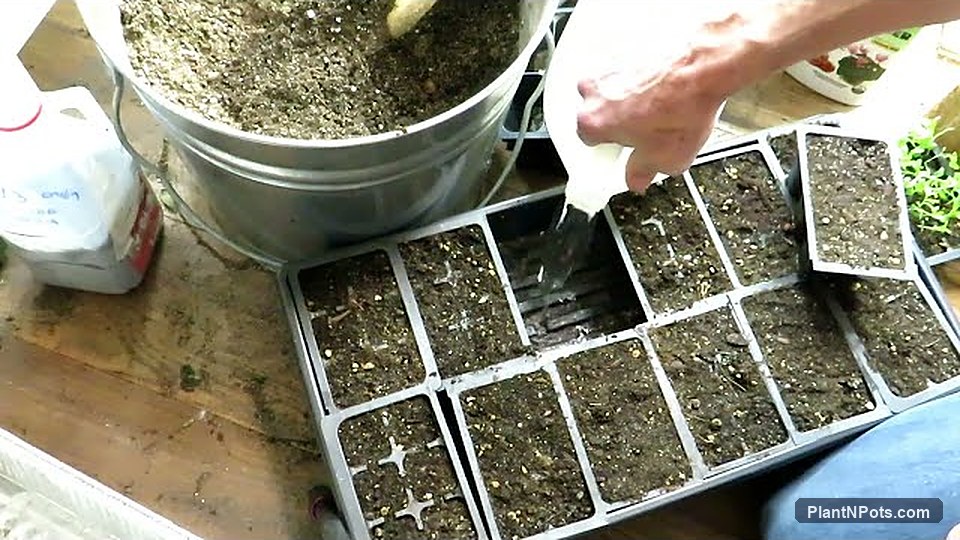
Switch from frequent light watering sessions to deep, infrequent soaks. This allows upper root zones adequate time to dry out thoroughly between watering.
Test soil dryness by inserting a wooden chopstick deep down. If soil adheres to the wood, delay watering until the medium feels completely dry.
Using specialized best large self watering planters provides an excellent alternative for thirsty houseplants. Submerging container bases hydrates roots while keeping topsoil dry.
- Let top two inches dry completely.
- Water deeply but much less frequently.
- Test moisture levels with wooden stakes.
- Practice bottom watering for susceptible plants.
Mastering Bottom Watering Techniques
Place potted plants into a basin filled with water. Capillary action draws moisture upward through drainage holes directly to the roots.
Remove containers once the topsoil surface feels slightly cool. This technique leaves upper soil layers dry, effectively starving out any surface larvae.
- Use shallow trays for immersion.
- Drain excess water after thirty minutes.
Deploying Yellow Sticky Traps for Adult Control
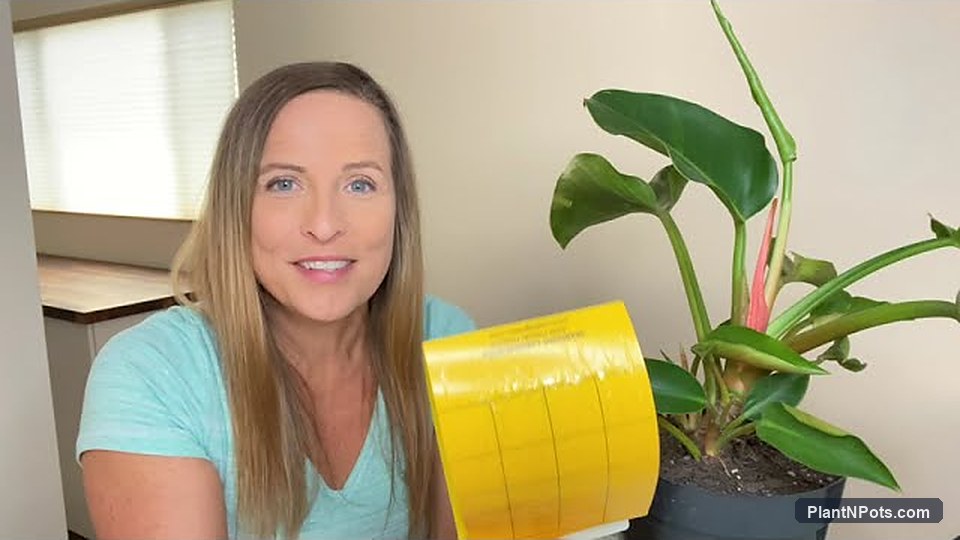
Yellow sticky cards exploit the visual preferences of flying insects. Bright yellow hues naturally attract adult fungus gnats straight to the adhesive surface.
Insert small sticky stakes directly into the potting mix near stems. Position cards close to the soil line where adult gnats emerge and congregate.
Replace sticky cards every few weeks or when fully covered. Trapping breeding adults drastically reduces future egg deposition inside your containers.
Cut larger commercial sheets into smaller strips for small pots. Ensure traps do not stick directly to delicate plant foliage or stems.
- Place cards horizontally near soil surfaces.
- Swap out used traps every fourteen days.
- Keep adhesive away from pet fur.
- Monitor catch rates to gauge infestation levels.
Strategic Placement of Adhesive Cards
Position traps where air currents circulate around plants. Active airflow blows adult gnats right into the sticky yellow barrier surfaces.
Combine sticky cards with soil treatments for maximum impact. Targeting both adults and soil-dwelling larvae eradicates the entire pest population quickly.
- Anchor stakes securely in potting mix.
- Avoid blocking decorative plant displays.
Applying Hydrogen Peroxide Drenches Safely
A diluted hydrogen peroxide drench offers a quick knockdown treatment. Standard household peroxide fizzes upon contact with organic matter, destroying larvae.
Mix one part three percent hydrogen peroxide with four parts water. Stir the solution thoroughly before applying it directly to dry potting soil.
Expect a brief bubbling sound as the mixture neutralizes pests. This chemical reaction remains completely safe for established plant root systems.
Repeat this targeted soil drench every ten days if needed. Consistent applications break overlapping pest lifecycles without damaging plant health.
- Use standard three percent concentration.
- Dilute thoroughly before soil application.
- Apply to slightly dry potting mixes.
- Repeat treatment across multiple weeks.
Dilution Ratios and Safety Precautions
Always measure peroxide accurately to protect beneficial microbes. Stronger concentrations can potentially scorch tender root hairs and stunt growth.
Perform a patch test on sensitive ferns or seedlings first. Safety guarantees your prized botanical specimens tolerate the oxidative treatment well.
- Measure ingredients with kitchen tools.
- Water plants beforehand if soil is bone-dry.
Utilizing Microbial Larvicides Like BTI Effectively
Bacillus thuringiensis israelensis provides long-term biological control. BTI bacteria produce natural proteins that specifically target and destroy gnat larvae.
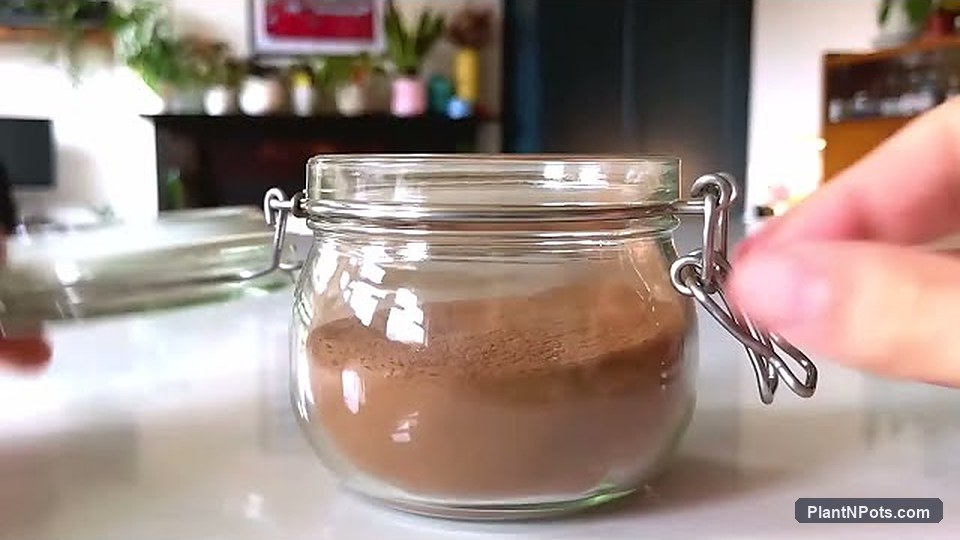
Dissolve concentrated mosquito dunks or bits in your watering can. Allow the beneficial bacteria to steep in water before irrigating your potted plants.
Apply this biological treatment during every routine watering session. Continuous exposure ensures newly hatched larvae ingest the fatal bacterial toxins immediately.
Store unused BTI products in cool, dry indoor spaces. Proper storage maintains bacterial potency for future container gardening pest management.
- Steep mosquito bits in water first.
- Water plants with treated liquid solution.
- Repeat weekly for lasting larval control.
- Store unused bacterial products securely.
Steeping Mosquito Dunks for Liquid Drenches
Break a small portion of a mosquito dunk into water. Let the piece soak for several hours to release active bacterial spores.
Strain the liquid through a fine mesh strainer before use. Clear bacterial water prevents clogs in your watering can spout.
- Use warm water to accelerate steeping.
- Stir solution before pouring onto soil.
Adding Sand Layers and Introducing Beneficial Nematodes
Coarse horticultural sand creates a physical barrier on topsoil. A half-inch layer of sharp sand deters adult gnats from laying eggs.
Ensure fine playground sand is avoided since it compacts tightly. Horticultural sand maintains proper aeration while keeping the surface dry.
Beneficial nematodes offer another powerful microscopic biological weapon. These tiny roundworms hunt down and consume gnat larvae within the potting mix.
Water nematodes into the soil immediately after sunset. UV protection ensures these beneficial organisms survive and establish colonies inside moist pots.
- Apply coarse horticultural sand layers.
- Avoid fine sands that restrict airflow.
- Water beneficial nematodes at dusk.
- Keep soil moist for nematode survival.
Sourcing and Applying Beneficial Nematodes
Purchase live nematode packets from reputable garden suppliers. Mix the microscopic organisms into cool water according to package instructions.
Drench your container soil thoroughly with the nematode solution. Biological predators eliminate underground pests without leaving harmful chemical residues.
- Check expiration dates on packages.
- Apply immediately after mixing with water.
Frequently Asked Questions
Are fungus gnats dangerous to humans or pets?
Fungus gnats pose zero threat to human health or household pets. They do not bite, sting, or transmit diseases, serving merely as an annoying indoor nuisance.
Can fungus gnats survive in dry potting soil?
Adult gnats require moisture to complete their life cycle successfully. Dry soil conditions prevent eggs from hatching and starve out existing hungry larvae quickly.
How long does it take to eliminate an infestation?
Most infestations resolve within two to three weeks of consistent treatment. Combining sticky traps with BTI drenches breaks the reproductive cycle across generations.
Should I completely repot my infested houseplants?
Complete repotting is rarely necessary for minor infestations. Targeted soil treatments and watering adjustments usually solve the problem without disturbing fragile plant roots.
Why do gnats return after I treated my plants?
Gnats often return via unsealed soil bags or nearby untreated plants. Ongoing prevention through dry topsoils keeps new adult invaders from establishing breeding colonies.