Choosing the right container material dictates plant health, moisture levels, and root vitality. This comprehensive guide compares terra cotta and ceramic pots to help you decide.
Key Takeaway:
Terra cotta offers superior breathability for moisture-sensitive roots, while glazed ceramics retain soil moisture much longer for tropical varieties requiring consistent hydration.
Quick-Reference Guide
| Factor / Scenario | Recommended Target | Why It Matters |
|---|---|---|
| Moisture Control | Terra Cotta | Porous walls allow rapid evaporation and prevent root rot. |
| Moisture Retention | Glazed Ceramic | Sealed surfaces keep potting mixes damp for tropical plants. |
| Winter Hardiness | High-Fire Ceramic | Dense vitrified bodies resist cracking during freezing weather. |
| Portability | Dry Terra Cotta | Lightweight construction makes indoor repositioning manageable. |
| Plant Stability | Heavy Ceramic | Added weight prevents top-heavy floor plants from tipping. |
| Aesthetic Variety | Ceramic Planters | Vibrant glazes and patterns offer limitless decor options. |
Defining Terra Cotta and Ceramic Materials
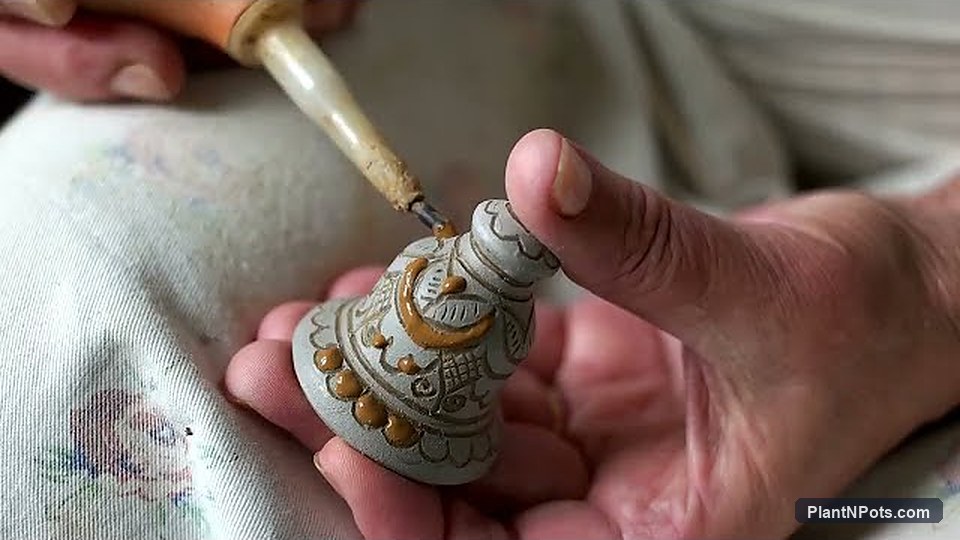
Terra cotta is a specific type of unglazed, porous earthenware fired at relatively low temperatures. This natural clay material features a characteristic reddish-brown color derived from its rich iron oxide content.
Choosing a [terra cotta urn planter](https://plantnpots.com/?p=1311) highlights these material traits, offering gardeners traditional style alongside superior breathability. This porous structure lets air reach root zones easily.
Understanding these foundational material differences helps gardeners match pot properties to specific indoor and outdoor growing environments. Raw earth composition directly influences how water, air, and temperature interact with plant root systems.
Manufacturing techniques also distinguish these two popular container types from one another. Terra cotta is typically molded or thrown rapidly, whereas fine ceramics undergo intricate glazing and double-firing processes to achieve stunning visual finishes.
- Raw terra cotta remains completely unglazed on all surfaces.
- Ceramic pots feature non-porous glazed interior or exterior coatings.
- Firing temperatures determine the final density of the hardened clay.
- Iron content dictates the warm reddish hue of standard terra cotta.
Geological and Historical Origins
Ancient horticulturalists utilized porous clay vessels for millennia due to their natural abundance and thermal properties. These early containers laid the groundwork for modern container gardening practices across diverse global climates.
Modern industrial production ensures consistent wall thickness and structural integrity in commercial terra cotta and ceramic pots. Precision kilns eliminate major structural flaws while maintaining traditional performance characteristics.
- Traditional earthenware dates back thousands of years in agriculture.
- Modern kilns guarantee uniform wall thickness and structural strength.
Porosity, Moisture Retention, and Root Health
Terra cotta pots possess micro-pores that allow air and excess moisture to evaporate directly through the container walls. This rapid evaporation prevents waterlogged soil conditions for drought-tolerant species like succulents.
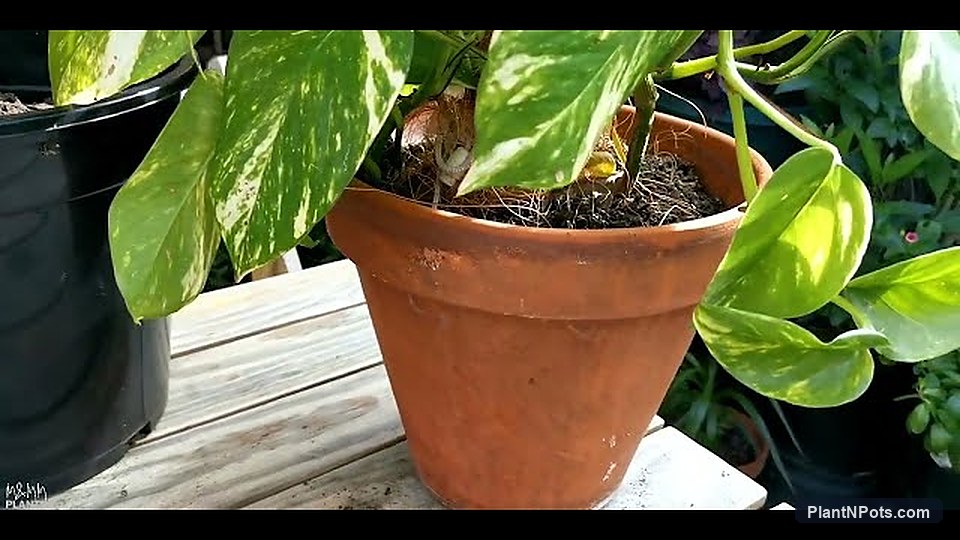
Ceramic containers block moisture evaporation through their non-porous glazed surfaces, keeping the potting mix damp for extended periods. This characteristic benefits moisture-loving tropical ferns and peace lilies that detest drying out.
Root systems respond dynamically to these contrasting moisture regimes within different pot types. Highly permeable earthenware encourages sprawling root networks to cling tightly to inner walls as they seek moisture.
Gardeners must adjust watering frequencies drastically when switching between unglazed clay and sealed ceramic vessels. Over-watering remains a primary hazard when moving humidity-sensitive plants into non-porous ceramic containers without adequate drainage.
- Porous walls allow excess root zone moisture to transpire freely.
- Glazed surfaces lock in water for moisture-loving plant varieties.
- Root systems adapt their growth patterns to inner container textures.
- Watering schedules require careful adjustment based on material choice.
Managing Soil Aeration
Enhanced gas exchange through porous walls delivers vital oxygen directly to subterranean root hairs. This constant airflow drastically reduces the incidence of anaerobic soil conditions and root rot.
Sealed ceramic pots require looser, highly amended potting soils to compensate for reduced lateral aeration. Adding extra perlite or orchid bark prevents suffocation in heavy ceramic containers.
- Gas exchange promotes vigorous subterranean root respiration.
- Loose soil amendments compensate for lower ceramic aeration.
Video Walkthrough: Terracotta or Ceramic: Which is Better for Succulents? #Succulents #CareTips #Terracotta #Ceramic
Thermal Dynamics and Temperature Regulation
Terra cotta pots act as natural cooling systems through the physical process of evaporative cooling. As moisture travels outward through the clay and evaporates, it cools the internal root ball significantly.
Ceramic containers offer superior insulation against rapid ambient temperature fluctuations during intense summer heat waves. Their thick, dense walls protect sensitive roots from baking against hot balcony railings.
Winter frost poses severe structural threats to porous terra cotta left outdoors without proper protection. Freezing water trapped inside the micro-pores expands rapidly, causing catastrophic cracking or shattering of the vessel.
Frost-resistant ceramics withstand colder outdoor temperatures much better if they feature high-density vitrified clay bodies. However, unglazed ceramic rims can still absorb moisture and crack during hard winter freezes.
- Evaporative cooling lowers root temperatures in unglazed clay pots.
- Dense ceramic walls insulate roots from extreme weather shifts.
- Trapped moisture causes porous terra cotta to fracture in frost.
- Vitrified ceramics resist winter damage better than standard earthenware.
Summer Heat Management
Dark-colored ceramic planters absorb intense solar radiation, potentially overheating delicate root zones during peak afternoon hours. Positioning these containers in partial shade prevents thermal shock to sensitive plants.
Lighter terra cotta surfaces reflect sunlight efficiently while maintaining continuous evaporative cooling performance. This dual action keeps root temperatures stable during scorching summer afternoons.
- Dark ceramics require shade during peak afternoon heat waves.
- Light clay surfaces reflect solar radiation and cool roots.
Weight, Durability, and Handling Characteristics
Standard terra cotta is surprisingly lightweight when completely dry, making repositioning indoor plant collections manageable. However, these pots become significantly heavier once thoroughly saturated with water and damp soil.
Selecting a sleek white ceramic tabletop planter offers a heavier, more stable alternative for indoor displays. These glazed options resist chipping better than raw earthenware.
Durability varies dramatically depending on impact resistance and manufacturing quality standards. Terra cotta shatters easily if dropped on hard surfaces due to its brittle, low-fire structural nature.
High-fire ceramics withstand accidental bumps and minor drops much better than porous earthenware. Their hardened, vitrified glaze acts as a protective shield against everyday household wear and tear.
- Dry earthenware is easy to lift and reposition around homes.
- Heavy ceramics prevent top-heavy floor plants from tipping over.
- Low-fire terra cotta is brittle and prone to shattering.
- High-fire glazes improve impact resistance and longevity.
Ergonomic Handling Tips
Always lift large ceramic containers from the sturdy base rather than decorative rims. Rims on heavy pots can snap under stress, causing dangerous drops and property damage.
Slide heavy planters across delicate flooring using protective felt pads or rolling plant caddies. Avoiding manual lifting prevents personal strain and protects indoor surfaces from scratches.
- Support heavy pots from the base during lifting operations.
- Use rolling caddies to transport bulky container arrangements safely.
Drainage Capacities and Base Permeability
Ensuring proper [pot size for monsteras](https://plantnpots.com/?p=6664) requires adequate drainage holes, which remain non-negotiable for healthy container gardening. Both terra cotta and ceramic pots must feature at least one central aperture.
Terra cotta walls contribute secondary drainage by absorbing excess perched water tables through capillary action. This supplementary absorption helps prevent standing water from accumulating at the pot base.
Sealed ceramic pots rely entirely on their bottom drainage hole to expel surplus irrigation water. Without a functioning bottom hole, water accumulates indefinitely inside the non-porous enclosure, inducing root rot.
Saucers are essential companions for both container types to protect indoor furniture from water stains. Empty accumulated runoff from saucers within 30 minutes of watering to prevent root re-saturation.
- Central drainage holes are vital for all container types.
- Unglazed clay walls provide passive secondary moisture movement.
- Ceramic pots trap water completely if bottom holes are blocked.
- Always empty saucers promptly to safeguard root health.
Unlocking Stubborn Drainage Holes
Factory manufacturing defects occasionally leave thin glaze layers sealing ceramic drainage holes shut. Carefully tap open these obstructed apertures using a small masonry bit before adding soil.
Place porous mesh screens over large bottom holes to retain soil while allowing rapid water escape. This simple step prevents media washout during heavy watering sessions.
- Clear glazed-over drainage holes carefully with masonry tools.
- Use mesh screens to retain soil inside large drainage apertures.
Video Walkthrough: Terracotta dries 2-3 times faster
Aesthetic Adaptability and Finish Variations
Aesthetic appeal heavily influences container selection for interior design and landscape architecture projects. Terra cotta offers a timeless, rustic warmth that develops a charming white mineral patina over time.
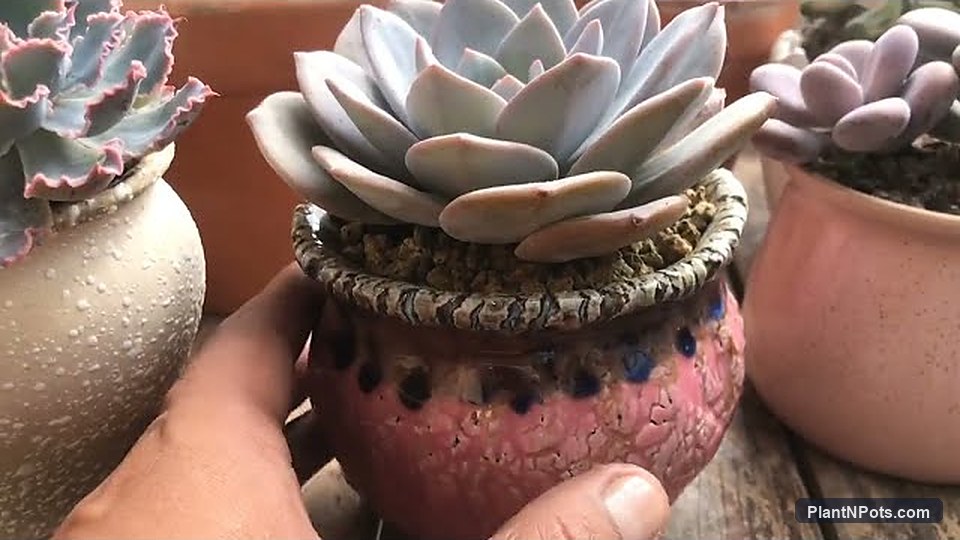
Ceramic planters offer limitless artistic expression through vibrant glazes, metallic sheens, and intricate hand-painted patterns. They effortlessly match modern, minimalist, or eclectic home decor themes without looking weathered.
Mineral efflorescence naturally coats aging terra cotta surfaces with a powdery white chalk layer. Many gardeners cherish this authentic vintage appearance, while others scrub it away with vinegar solutions.
Glazed ceramic finishes resist discoloration, fading, and mineral staining under harsh ultraviolet sunlight. Their brilliant colors remain vibrant for decades, even when displayed in bright outdoor patios.
- Terra cotta provides classic rustic charm that patinas gracefully.
- Ceramics offer endless colors, patterns, and modern finishes.
- Mineral salt deposits create authentic vintage patinas on clay.
- Glazes protect outdoor pots from ultraviolet fading and stains.
Preserving Clean Clay Surfaces
Scrub exterior terra cotta walls with a stiff nylon brush and a mild water-vinegar solution. This routine removes unsightly mineral crusts without damaging the underlying earthenware structure.
Apply breathable terra cotta sealers to interior walls to reduce mineral leaching while preserving external patinas. Never seal exterior clay if you want natural evaporative cooling benefits.
- Clean mineral deposits using a mild vinegar and water wash.
- Seal interior clay walls selectively to limit mineral crusts.
Maintenance Routines, Cleaning, and Winter Storage
Proper sanitation prevents soil-borne pathogens from infecting successive generations of prized container plants. Soak used pots in a diluted bleach solution for 20 minutes to eliminate lingering fungal spores.
Ceramic containers require gentle cleaning with non-abrasive cloths to avoid scratching delicate high-gloss surface glazes. Avoid harsh metal scouring pads that permanently ruin decorative exterior finishes.
Winter storage protocols dictate the long-term lifespan of outdoor garden pottery. Move unglazed terra cotta indoors to a frost-free shed before freezing autumn temperatures arrive in your region.
Turn empty pots upside down during winter storage to prevent rain collection and subsequent freezing damage. Proper off-season care guarantees your investment lasts for many successful growing seasons.
- Sanitize pots between plantings to eradicate stubborn fungal spores.
- Use soft sponges to protect glossy ceramic surface finishes.
- Store vulnerable earthenware indoors before winter frosts begin.
- Invert empty containers outdoors to prevent destructive water accumulation.
Removing Mineral Scale Buildup
Stubborn calcium deposits on ceramic rims dissolve easily using equal parts white vinegar and warm water. Soak the affected areas for one hour before wiping clean.
Rinse all cleaned containers thoroughly with clean water to eliminate residual acids before introducing new plants. Chemical residue can burn tender root systems upon contact.
- Dissolve calcium crusts with diluted white vinegar soaks.
- Rinse containers thoroughly before planting to eliminate acids.
Choosing the Right Container for Your Specific Plants
Plant selection serves as the ultimate deciding factor when choosing between terra cotta and ceramic pots. Cacti, succulents, and herbs thrive in breathable terra cotta because their roots despise prolonged dampness.
Tropical foliage plants, ferns, and moisture-loving calatheas flourish inside glazed ceramic pots. These containers maintain the consistent soil moisture required by species native to humid rainforest environments.
Assess your personal watering habits before finalizing your container material decisions. Habitual over-waterers find immense success using porous terra cotta as an automatic safety buffer against root rot.
Combine both pot types strategically across your indoor jungle to meet the diverse needs of different botanical families. Matching the container to the plant ensures long-term gardening success.
- Match terra cotta with drought-tolerant succulents and herbs.
- Select glazed ceramics for moisture-loving tropical plant varieties.
- Use porous clay as a buffer against accidental over-watering.
- Group plants with similar hydration needs into matching containers.
Assessing Environment and Climate
Indoor humidity levels dictate how fast container soils dry out between regular irrigation cycles. Dry winter heating requires more frequent watering, especially when using porous terra cotta.
Outdoor wind exposure accelerates evaporation rates across all container types, requiring vigilant moisture monitoring during hot summer months to prevent plant dehydration and collapse.
- Factor indoor heating humidity into your watering schedules.
- Monitor outdoor container moisture closely during windy weather.
Frequently Asked Questions
Do terra cotta pots dry out soil faster than ceramic pots?
Yes, unglazed terra cotta features micro-porous walls that allow water to evaporate continuously from all sides. This accelerated evaporation keeps root zones drier, making it ideal for succulents and herbs.
Can ceramic pots crack during freezing winter weather?
High-fire ceramic pots withstand freezing temperatures better than low-fire earthenware, but unglazed rims can still trap moisture. Always empty and store all decorative ceramics indoors during harsh winter freezes.
Are ceramic pots better for indoor tropical houseplants?
Glazed ceramic pots retain soil moisture significantly longer, preventing the rapid drying that tropical species hate. This moisture retention reduces daily watering chores for indoor plant enthusiasts.
How do I stop white mineral buildup on terra cotta pots?
Scrub exterior surfaces regularly with a stiff brush and a 50-50 water-vinegar solution to dissolve mineral salts. Sealing the interior walls also minimizes mineral leaching through the porous clay.
Do ceramic pots always come with drainage holes?
Not all decorative ceramic pots include pre-drilled drainage holes, so always check before purchasing. You can drill custom holes using a masonry bit or use them as cache pots.

