Discover how to safely grow resilient indoor greenery inside watertight decorative cachepots. Follow expert container methods for lush, healthy foliage.
Key Takeaway:
While no botanical specimen strictly requires a lack of drainage, epiphytic species and drought-tolerant succulents adapt remarkably well to watertight containers when you carefully manage irrigation volume.
Quick-Reference Guide for Non-Draining Containers
| Plant Species | Tolerance Level | Irrigation Frequency | Root Sensitivity | Ideal Substrate | Light Exposure |
|---|---|---|---|---|---|
| ZZ Plant | Very High | Every 3 to 4 Weeks | Moderate | Cactus and Succulent Mix | Low to Bright Indirect |
| Pothos | High | Every 2 Weeks | High | Standard Peat-Based Potting Soil | Medium Indirect |
| Chinese Evergreen | Moderate | Every 10 to 14 Days | High | Well-Araining Loam Mix | Low to Medium Indirect |
| Peace Lily | Moderate | When Leaves Droop Slightly | Moderate | Moisture-Retentive Compost | Low to Medium Shade |
| Lucky Bamboo | Extremely High | Weekly Water Refresh | Low | Pebbles and Pure Water | Bright Indirect Light |
| English Ivy | Moderate | Every 7 to 10 Days | High | Rich Organic Potting Mix | Bright Indirect Light |
Understanding Container Mechanics Without Bottom Drainage Holes
Traditional gardening wisdom dictates that every flower pot requires an exit hole at the base. However, modern interior styling often favors solid, waterproof cachepots and ceramic vessels lacking these standard perforations.
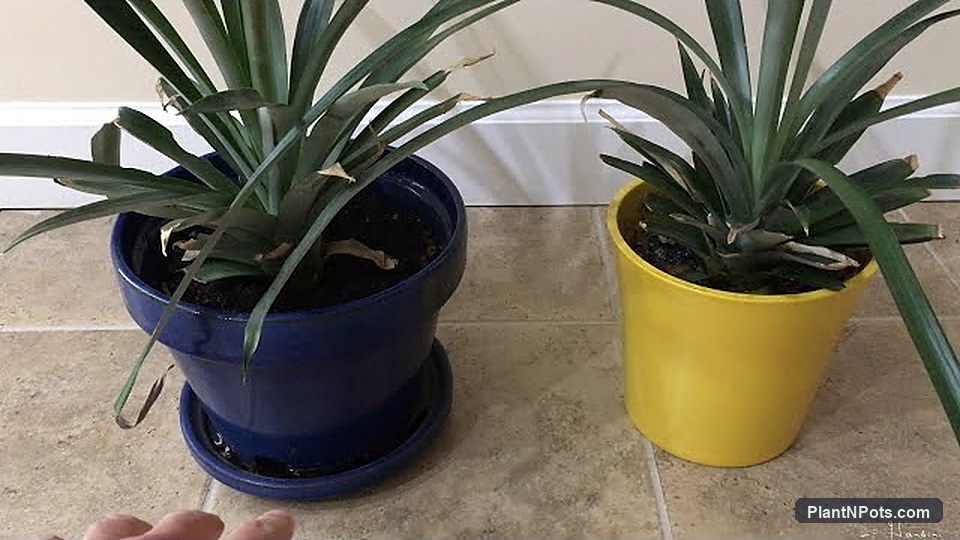
When water has nowhere to escape, it settles at the bottom of the container. This creates an oxygen-deprived saturated zone that can quickly suffocate delicate root systems if you apply incorrect watering habits.
To avoid these moisture issues, many gardeners switch to breathable [terracotta pots with drainage holes](https://plantnpots.com/?p=1313). These traditional containers naturally regulate soil moisture and prevent hazardous standing water from accumulating.
You can successfully bypass traditional drainage by mimicking natural microclimates. Selecting the right botanical varieties and controlling moisture inputs prevents root rot while maintaining aesthetic appeal inside your home.
- Always evaluate the inner pot before adding decorative outer layers.
- Understand that solid containers trap mineral salts over extended periods.
- Monitor surface evaporation rates closely during dry winter heating seasons.
- Use lightweight soil amendments to boost internal oxygen exchange capacity.
The Physics of Perched Water Tables
Every container filled with soil develops a saturated layer at the bottom known as a perched water table. In non-draining pots, this zone occupies the lower 1 to 3 inches of the vessel.
Understanding this physics prevents you from assuming traditional gravel layers create drainage. Instead of lifting water away, gravel actually raises the saturation line closer to vulnerable root systems.
- Skip adding useless gravel layers at the bottom of solid pots.
- Focus on uniform soil composition rather than artificial drainage beds.
Resilient Indoor Species That Tolerate Closed Environments
Certain botanical specimens possess physiological traits that make them remarkably forgiving in solid containers. Zamioculcas zamiifolia, commonly known as the ZZ plant, stores vast amounts of water in thick underground rhizomes.
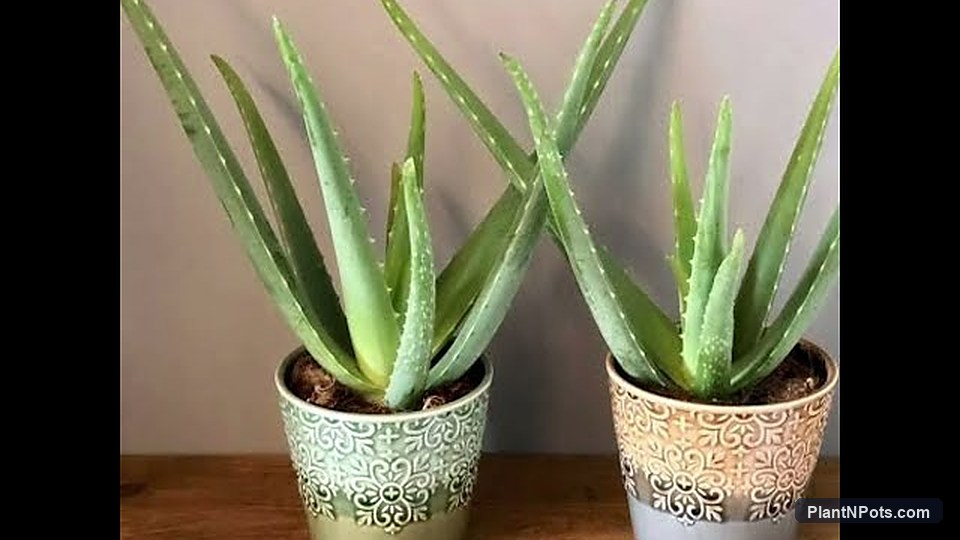
This natural water storage allows the plant to endure extended droughts without damage. Consequently, it handles the irregular moisture fluctuations typical of non-draining containers much better than delicate ferns.
Pothos vines and heartleaf philodendrons also thrive in closed systems. Their vigorous root systems tolerate occasional overwatering provided you allow the topsoil to dry out significantly between watering sessions.
Chinese evergreens feature thick, fleshy stems and robust root networks that resist minor saturation events. They serve as reliable centerpiece selections for decorative ceramic planters that lack bottom holes.
- Select plants with thick water-storing stems, leaves, or roots.
- Avoid delicate ferns or extremely moisture-sensitive seasonal annuals.
- Check plant rhizome health during initial repotting procedures.
- Prioritize foliage plants over heavy-blooming species for closed pots.
Succulent Adaptations in Solid Vessels
Many hardy succulents tolerate sealed vessels if you provide extremely porous substrate. Their specialized tissue stores liquid efficiently, minimizing the danger posed by brief periods of standing water.
Always position these specimens in bright, warm locations to accelerate transpiration and soil evaporation. Intense ambient light ensures excess moisture disappears before root pathogens can establish.
- Use specialized mineral-heavy mixes for succulent varieties.
- Maximize sunlight exposure to promote rapid internal evaporation.
Video Walkthrough: 10 Indoor Plants that don't need Drainage holes | House plants that Survive without drainage system
Strategic Watering Techniques for Sealed Planter Systems
Irrigating plants in containers without drainage holes requires precision rather than routine schedules. Instead of pouring water until it streams out the bottom, you must calculate exact volumetric requirements.
Applying only 10 to 15 percent of total volume prevents base saturation. When utilizing a [large terra cotta pot](https://plantnpots.com/?p=3866), you must carefully adjust these strict volumetric measurements.
Utilize a long-spouted watering can or a turkey baster to deliver moisture directly where needed. This prevents splashing foliage and lets you target specific root areas near the container center.
Always check soil moisture at a depth of 2 to 3 inches using a wooden moisture meter or your finger. Never add fresh water if any dampness remains in the lower soil profile.
- Measure exact water amounts to avoid hidden bottom pooling.
- Utilize targeted watering tools instead of standard splashing jugs.
- Adopt a 'less is more' mindset during cool autumn and winter months.
- Weigh your potted plant manually to gauge internal moisture levels.
The Double-Pot Cachepot Method
The safest strategy for non-draining containers involves using a plastic nursery pot inside a decorative cachepot. You simply lift the inner pot out for watering and let it drain completely elsewhere.
This ingenious setup combines flawless root health with gorgeous exterior aesthetics. Once drainage ceases, place the nursery container back inside your favorite solid decorative ceramic outer shell.
- Keep plants in slotted plastic growers inside solid outer pots.
- Empty the outer decorative cachepot immediately after every watering.
Custom Soil Engineering for Non-Draining Vessels
Standard dense potting soils compact easily inside solid containers, cutting off vital oxygen supplies to plant roots. You must engineer custom substrates that remain airy, porous, and structurally stable over time.
Blend standard organic compost with coarse horticultural perlite, pumice, and expanded clay aggregate. This porous matrix creates micro-channels for airflow while preventing the soil from collapsing into a dense sludge.
Avoid heavy garden topsoil entirely, as it contains native clay particles and weed seeds that compact rapidly in closed pots. Stick to sterile, lightweight, peat-free or coir-based structural formulas.
Incorporating horticultural charcoal helps absorb impurities and prevents souring odors inside closed containers. This natural amendment keeps the internal soil environment fresh and chemically balanced for long-term growth.
- Incorporate coarse perlite or pumice to maximize structural porosity.
- Add horticultural charcoal to neutralize odors and inhibit bacteria.
- Reject heavy garden soils containing native clay or silt.
- Refresh potting substrates every two years to restore aeration.
The Benefits of Coconut Coir Substrates
Coconut coir serves as an exceptional structural base for non-draining planters. It retains moisture evenly while resisting compaction much better than traditional peat moss formulations.
Coir also re-wets effortlessly even if it dries out completely between irrigation cycles. Maintaining this consistent moisture distribution protects roots from sudden osmotic shock inside solid vessels.
- Rinse raw coir thoroughly to remove excess sodium content.
- Blend coir with perlite for optimal container aeration.
Managing Moisture Accumulation and Salt Buildup Safely
Without drainage holes to flush out mineral residues, tap water salts accumulate gradually within the potting soil. These mineral crusts can eventually burn sensitive root tips and stunt plant growth.
Combat mineral buildup by periodically flushing the soil with distilled or rain water, then tipping the pot sideways to drain excess liquid. Alternatively, use a wet-dry vacuum to extract standing base water.
White crusts forming on the rim of your container indicate heavy mineral accumulation. Gently scrape away this surface layer and topdress the pot with fresh, nutrient-rich organic compost.
Switching to filtered or bottled water significantly reduces mineral deposition rates. This simple adjustment preserves soil chemistry and keeps your non-draining container thriving for many years.
- Scrape away mineral crusts from the soil surface regularly.
- Use distilled or rainwater to minimize chemical salt deposits.
- Tilt containers carefully during maintenance flushes to remove runoff.
- Monitor leaf tips for browning caused by accumulated fertilizer salts.
Extracting Excess Water From Sealed Pots
If you accidentally overwater a solid container, immediate intervention prevents root decay. Tilt the pot at a 45-degree angle while holding the soil gently with your hand to drain surplus liquid.
You can also press rolled paper towels deep down into the interior soil edges. These absorbent strips wick away pooled moisture rapidly before it damages delicate root structures.
- Tilt containers sideways immediately following accidental overwatering.
- Use clean paper towels to wick standing base moisture outward.
Alternative Indoor Ferns and Epiphytes for Cachepots
While most ferns demand excellent drainage, staghorn ferns and bird's nest ferns adapt wonderfully to specialized mounting or cachepot setups. Their natural epiphytic habits make them surprisingly resilient to variable moisture.
Staghorn ferns absorb ambient humidity through specialized shield fronds, requiring minimal soil irrigation. You can tuck them neatly into decorative open-topped vessels filled with long-fiber sphagnum moss.
Lucky bamboo represents another fantastic candidate for non-draining glass cylinders. Grown entirely in water supported by decorative pebbles, it requires only weekly water refreshes without traditional soil constraints.
Peace lilies also tolerate semi-hydroponic setups inside solid containers. Their broad green leaves provide instant visual impact while indicating thirst by dramatically drooping when water runs low.
- Use long-fiber sphagnum moss for epiphytic fern varieties.
- Refresh lucky bamboo water weekly to prevent algae growth.
- Monitor peace lily foliage drooping as an accurate watering cue.
- Keep ambient humidity high for tropical fern cachepot setups.
Growing Epiphytes in Decorative Glassware
Glass terrariums and clear vases offer stunning views of root systems in non-draining setups. Ensure you layer decorative stones at the base to catch minor condensation before it pools.
Maintain moderate ambient temperatures between 65 and 75 degrees Fahrenheit to encourage healthy growth. Good air circulation prevents stagnant condensation inside enclosed glass display vessels.
- Layer decorative glass stones cleanly at container bases.
- Ensure adequate ambient airflow around open glass terrariums.
Troubleshooting Root Rot and Excess Standwater Risks
Root rot represents the primary hazard when cultivating greenery in non-draining containers. Symptoms include yellowing lower leaves, mushy brown root tissue, and a distinct musty odor emanating from the soil.
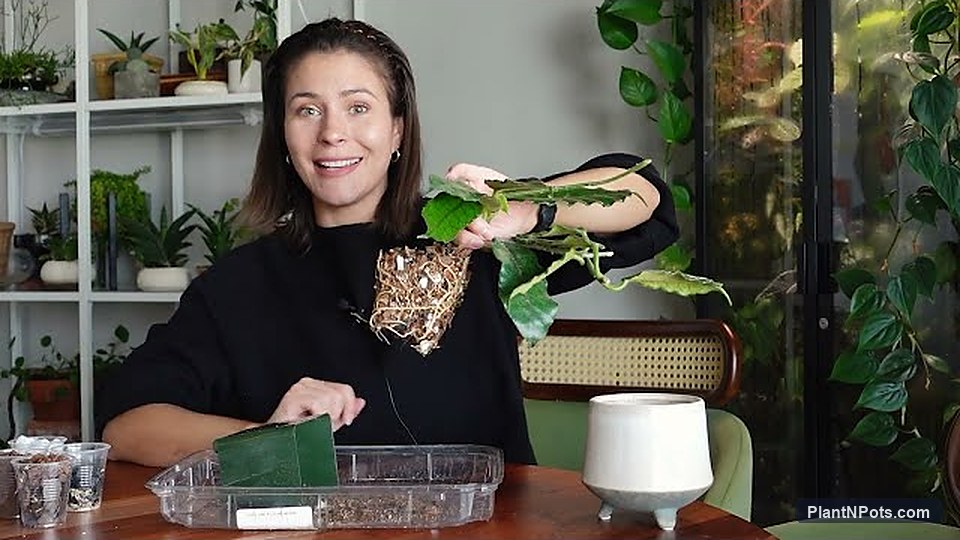
If you detect these warning signs, unpot the specimen immediately. Rinse the root system under lukewarm running water and trim away all infected, blackened tissue using sterile pruning shears.
Repot the salvaged specimen into fresh substrate, or consider switching to [breathable grow bags](https://plantnpots.com/?p=2773) to enhance airflow. Reduce watering frequency significantly during recovery to encourage robust root growth.
Prevent future fungal outbreaks by improving indoor air circulation around your planters. Using small oscillating fans helps surface moisture evaporate quickly, keeping your container garden healthy and robust.
- Inspect root health thoroughly at the first sign of leaf yellowing.
- Prune away mushy, brown, infected roots with sterilized shears.
- Repot compromised plants into fresh, sterile, well-aerated soil mixes.
- Increase ambient air movement to accelerate surface soil evaporation.
Sterilizing Containers After Fungal Outbreaks
Whenever root rot strikes, sanitize your solid decorative pot before reusing it. Wash ceramic or glass vessels thoroughly using hot soapy water followed by a mild bleach solution rinse.
Allow the sanitized container to air dry completely under direct sunlight for at least 24 hours. This eliminates lingering fungal spores that could infect your next botanical specimen.
- Wash used containers thoroughly with hot soapy water.
- Sanitize vessel interiors with a mild bleach and water rinse.
Frequently Asked Questions
Can all houseplants survive in containers without drainage holes?
No, moisture-sensitive species quickly succumb to root rot in solid pots. Only select hardy drought-tolerant plants like ZZ plants or pothos survive successfully in non-draining vessels.
Does putting gravel at the bottom of a solid pot help with drainage?
Gravel actually raises the perched water table closer to the roots rather than helping. Instead, focus on precise watering volumes and highly porous custom potting substrates.
How can I tell if my non-draining pot has too much water inside?
Check soil moisture several inches down using a wooden dowel or moisture meter. A musty odor and yellowing lower leaves also indicate dangerous water accumulation.
What is the easiest way to water plants in decorative cachepots?
Keep your plant inside a slotted plastic nursery pot set inside the decorative outer shell. Simply lift it out for watering and let it drain completely before returning.
How do I fix mineral salt buildup in containers lacking drainage?
Periodically flush the soil with distilled water and tilt the pot sideways to pour out runoff. Scraping away crusts and using filtered water prevents future salt deposits.

