Learn how to safely inspect, clean, and store fabric containers for multiple growing seasons while avoiding plant pathogens.
Key Takeaway:
Yes, you can safely reuse fabric grow bags if you properly sanitize and inspect them between growing seasons to eliminate persistent soil-borne pathogens.
Grow Bag Reuse Quick-Reference Guide
| Material Factor | Recommended Action | Maintenance Threshold |
|---|---|---|
| Non-Woven Polypropylene | Inspect seams and wash annually | Discard if stitching frays completely |
| Heavy Canvas / Burlap | Air dry completely to prevent rot | Replace after two seasonal cycles |
| Mineral Salt Buildup | Soak in mild vinegar solution | Scrub gently with soft bristle brush |
| Root Bound Residue | Brush out dry root fibers thoroughly | Avoid aggressive tearing of fabric walls |
| Pathogen Sanitization | Dip in diluted hydrogen peroxide | Rinse thoroughly with clean water |
| Off-Season Storage | Store in dry, dark indoor space | Ensure zero residual moisture retention |
Understanding Grow Bag Materials and Longevity Factors
Fabric containers are crafted from recycled PET or spun polypropylene, engineered to endure harsh UV rays and intense moisture fluctuations throughout active outdoor gardening seasons.
Quality stitching prevents premature failure, helping containers survive multiple seasons. You can select items from the [best 10 gallon grow bags](https://plantnpots.com/?p=1005) collection to ensure long-term durability.
Understanding your specific fabric density helps predict durability. Lighter GSM ratings degrade faster under direct sunlight compared to dense, architectural-grade woven fabrics designed for commercial agricultural nurseries.
- Choose high-density non-woven polypropylene for extended multi-year durability.
- Verify UV-resistant stitching threads before purchasing heavy-duty fabric containers.
- Keep container dimensions proportional to crop root systems to reduce wall strain.
- Inspect manufacturer weight ratings to gauge expected material lifespan accurately.
Material Grades and UV Resistance
Ultraviolet degradation represents the primary enemy of synthetic garden fabrics. Selecting UV-stabilized materials ensures your containers resist brittle fiber breakdown under prolonged summer exposure.
Synthetic blends outperform natural fibers like untreated burlap, which decomposes rapidly when exposed to continuous moisture and active soil microbiology during intensive summer watering routines.
- Prioritize UV-stabilized textiles for prolonged outdoor exposure.
- Avoid natural organic fibers if seeking multi-season container longevity.
Evaluating Used Containers for Structural Integrity
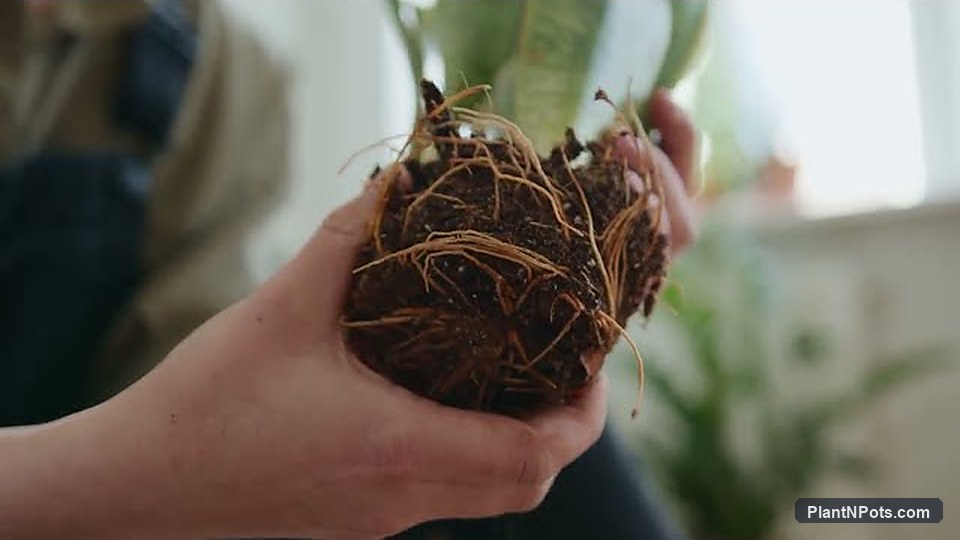
Before planting a new crop, carefully examine every inch of your fabric pots for hidden damage. Similar to protecting delicate foliage using the [best pots for orchids indoors](https://plantnpots.com/?p=2872), checking structural stress points prevents failures.
Look closely at the bottom seams where soil weight creates maximum downward pressure during watering cycles. Tiny tears or loose threading can quickly expand under full soil loads.
Evaluate the overall fabric permeability by checking for clogged pores caused by mineral deposits. Excessive calcium crusting reduces essential aeration and slows down the natural root air-pruning process.
- Inspect carrying handles for signs of fraying or weakened stitching joints.
- Check bottom seams for stress tears caused by heavy wet soil weight.
- Examine fabric porosity to ensure adequate oxygen exchange continues unimpeded.
- Discard containers showing widespread structural thinning or extensive UV damage.
Spotting Handle and Seam Weaknesses
Reinforced X-stitch patterns on container handles prevent tearing when moving heavy setups. Always lift empty pots by their handles rather than full, saturated soil masses.
If a single handle pulls loose from the sidewall, patch the area carefully or designate that specific pot for stationary patio placement only.
- Lift filled containers from the bottom rather than relying solely on handles.
- Identify failed stitching early to prevent sudden structural collapse outdoors.
Video Walkthrough: How to wash grow bags!
Sanitization and Cleaning Protocols Between Plantings
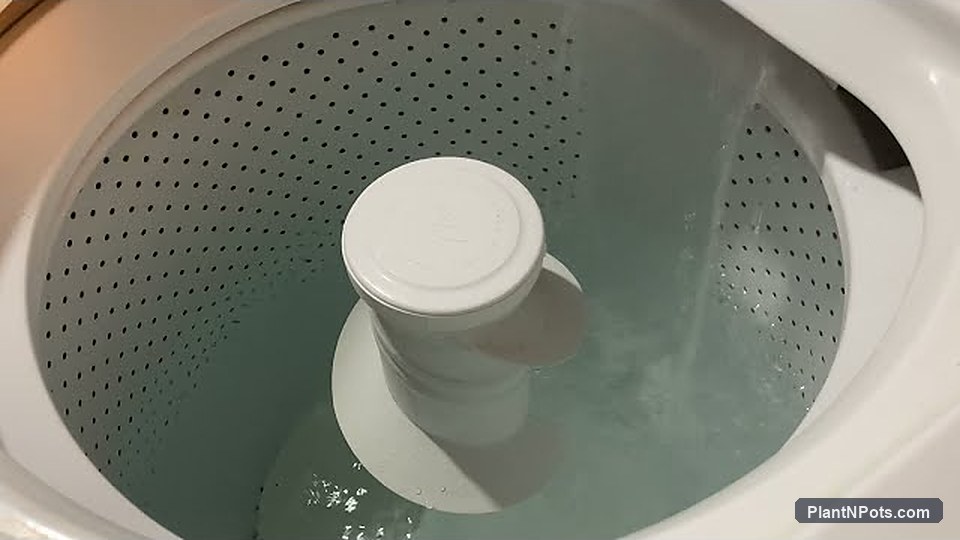
Thorough cleaning is essential to prevent soil-borne fungal spores and bacterial blights from transferring into your fresh growing medium. Start by emptying all spent substrate and shaking out debris.
Brush away dried root fragments clinging to the inner porous walls using a stiff-bristled utility brush. Avoid wire brushes that can puncture synthetic non-woven polypropylene textiles permanently.
Soak the cleaned pots in a mild solution of horticultural soap or diluted hydrogen peroxide to sterilize the fabric. Rinse thoroughly with clean water to eliminate chemical residues.
- Empty old soil completely and brush away stubborn root fibers gently.
- Sterilize fabric walls using a mild hydrogen peroxide or vinegar soak.
- Rinse containers thoroughly with clean water to remove chemical traces.
- Allow fabric pots to dry completely in direct sunlight before storage.
Eliminating Mineral Crust and Salt Residue
Hard water and synthetic fertilizer applications leave stubborn white salt crusts along the outer container rims. Soak affected pots in a white vinegar solution to dissolve mineral buildup.
Scrub crusty areas gently while submerged, then rinse the fabric completely to restore normal porosity and maintain clean aesthetic appeal across your entire garden layout.
- Use white vinegar baths to break down stubborn mineral crusts.
- Rinse thoroughly to prevent residual acid from harming delicate new roots.
Managing and Refreshing Spent Substrate Inside Fabric Pots
Soil inside containers depletes essential macro-nutrients and organic matter after a single productive growing season. Dump spent substrate into a wheelbarrow to amend and revitalize the mixture.
Break up compacted root balls and incorporate fresh compost to restore proper aeration. For root health, consider transferring plants into [best terracotta pots with drainage holes](https://plantnpots.com/?p=1313) for superior moisture control.
Avoid reusing unamended old soil directly, as pathogen accumulation and nutrient deficiencies will severely stunt subsequent crop development and limit overall garden yields significantly.
- Empty spent potting mix into a large bin for comprehensive revitalization.
- Blend in fresh organic compost and perlite to restore soil structure.
- Remove dense fibrous root masses to prevent nutrient tie-up in fresh mix.
- Test pH levels before replanting sensitive crops in recycled media.
Pathogen Management in Recycled Substrate
Soil-borne fungal pathogens like fusarium and verticillium wilt can persist in reused container media. Solarize your amended soil under clear plastic sheeting for four to six weeks.
High solar heat effectively neutralizes harmful weed seeds and common pathogens without requiring harsh chemical fumigants, ensuring a safer growing environment for your upcoming vegetable crops.
- Solarize amended soil under clear plastic sheeting during hot summer months.
- Rotate plant families annually to reduce specific pest and disease pressures.
Proper Off-Season Storage and Material Preservation
Storing your clean fabric containers correctly during winter protects them from environmental degradation and pest damage. Ensure pots are completely dry to prevent mold growth during extended indoor storage.
Stack cleaned containers flat or nest them loosely in a cool, dry shed or garage away from direct sunlight. Avoid damp basements where moisture promotes mildew and fabric weakening.
Protect stored bags from rodents that enjoy chewing through synthetic textiles to build nests during cold winter months. Secure containers inside airtight plastic bins or heavy-duty canvas storage bags.
- Dry containers completely before stacking to prevent active mold growth.
- Store in cool, dry indoor spaces away from harsh ultraviolet light.
- Protect stacked fabric pots from rodents using sealed plastic storage bins.
- Keep storage areas well-ventilated to maintain optimal synthetic fiber integrity.
Recognizing When It Is Time to Retire Old Bags
Every fabric container eventually reaches the end of its functional life cycle due to UV degradation and physical wear. Discard bags that exhibit widespread fabric thinning or massive seam failure.
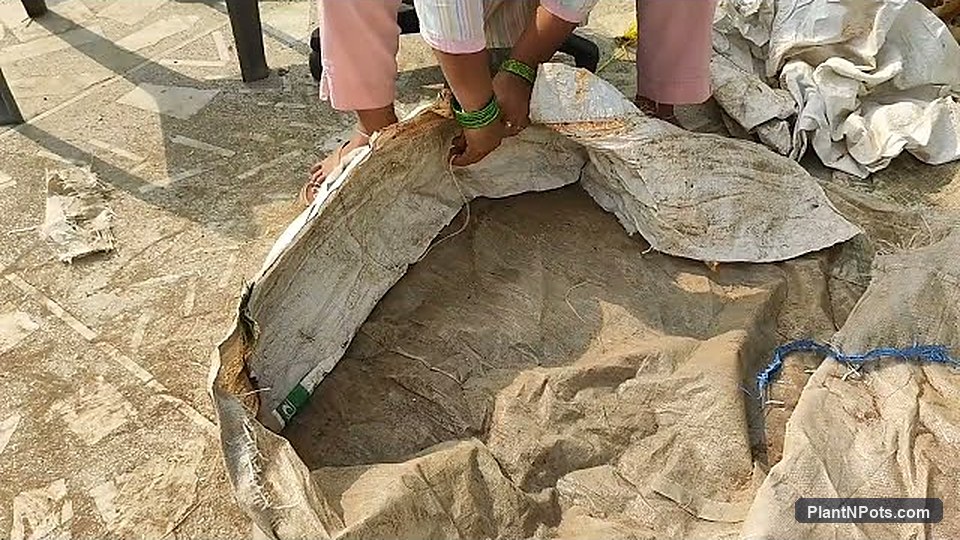
If sunlight easily pierces through degraded, paper-thin container walls, the structural integrity is compromised beyond safe repair. Retire these compromised items to avoid sudden soil blowouts.
Repurpose severely degraded non-woven pots by placing them at the bottom of raised garden beds as weed barriers, or simply dispose of them according to local municipal recycling guidelines.
- Retire containers showing paper-thin fabric walls and severe fiber degradation.
- Discard pots with irreparable bottom seam failures and broken stitching.
- Repurpose heavily worn bags as bottom drainage filters in raised beds.
- Check local municipal recycling rules for synthetic textile disposal options.
Frequently Asked Questions
Can all types of fabric grow bags be reused safely?
Most durable polypropylene grow bags can be reused multiple times if you sanitize them properly between crops. Avoid reusing heavily frayed containers.
How do I remove white crusty salt buildup from my fabric pots?
Soak the affected containers in a mixture of water and white vinegar to dissolve mineral deposits. Scrub gently with a soft brush before rinsing.
Is it safe to reuse the old soil inside my fabric grow bags?
Yes, but you must amend the spent substrate with fresh compost and nutrients. Always replenish organic matter to restore essential soil structure.
How many seasons can a quality non-woven fabric pot last?
High-density UV-resistant fabric containers typically last between three to five years with proper cleaning, off-season storage, and careful handling practices.
What is the best way to disinfect grow bags between plantings?
Dip your cleaned pots into a mild solution of diluted hydrogen peroxide or horticultural soap. Rinse thoroughly with clean water to eliminate pathogens.

