Master standard nursery container sizes, soil volumes, and plant spacing requirements for your container garden.
Key Takeaway:
A standard five-gallon nursery container typically holds roughly three to four gallons of actual growing medium due to industry measurement standards.
Quick-Reference Guide
| Factor / Scenario | Recommended Target | Why It Matters |
|---|---|---|
| Top Rim Diameter | 11 to 12 inches | Determines overall surface area and planting density. |
| Container Height | 10 to 11 inches | Provides adequate root depth for medium vegetable crops. |
| Actual Soil Volume | 3 to 4 US Gallons | Prevents underestimating potting soil purchase requirements. |
| Total Saturated Weight | 35 to 45 pounds | Ensures safe deck or balcony structural load limits. |
| Minimum Plant Spacing | 18 to 24 inches | Allows proper air circulation and sunlight penetration. |
| Drainage Hole Count | 4 to 8 bottom holes | Prevents root rot and maintains proper aeration. |
Standard Physical Dimensions of Nursery Containers
Commercial horticulture relies on standardized sizing formats for efficient production and shipping. A nominal five gallon container features specific physical measurements that differ slightly depending on the exact manufacturing style.
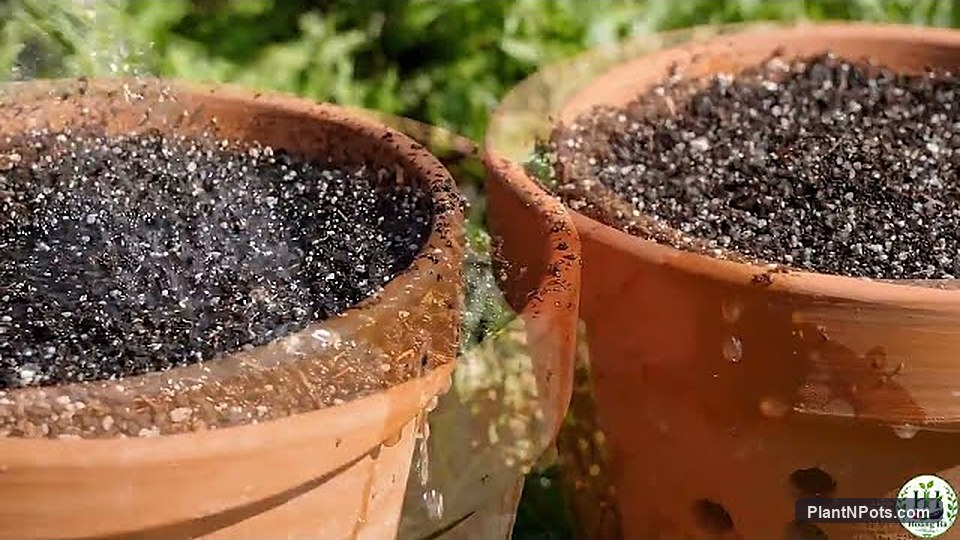
Most standard agricultural pots measure approximately eleven to twelve inches across the top rim. Review standard specs within quality [best 5 gallon nursery planters](https://plantnpots.com/?p=7325) for precise sizing standards.
Vertical depth usually ranges between ten and eleven inches from the top lip to the inner base. This specific geometry accommodates substantial root growth without requiring excessive soil mass.
Understanding these physical measurements helps you plan exact greenhouse shelving layouts and plant placement strategies. Manufacturers stamp these dimensions directly onto the container rim for easy identification.
- Top rim diameter spans 11 to 12 inches across.
- Bottom base diameter measures roughly 9 inches.
- Total container height reaches 10 to 11 inches.
- Tapered sidewalls facilitate easy plant removal.
Evaluating Manufacturing Variations
Different injection molding techniques create slight variations in wall thickness and rigidity. Blow-molded pots offer flexibility, while thermoformed options feature thinner walls and lighter overall structural weight.
Always measure your specific pots directly rather than relying solely on nominal industry labels. Minor differences in rim thickness can alter your final spacing calculations significantly.
- Inspect wall thickness for structural durability.
- Measure inner rim diameters for precise fit.
Explaining Volumetric Discrepancies in Container Gardening
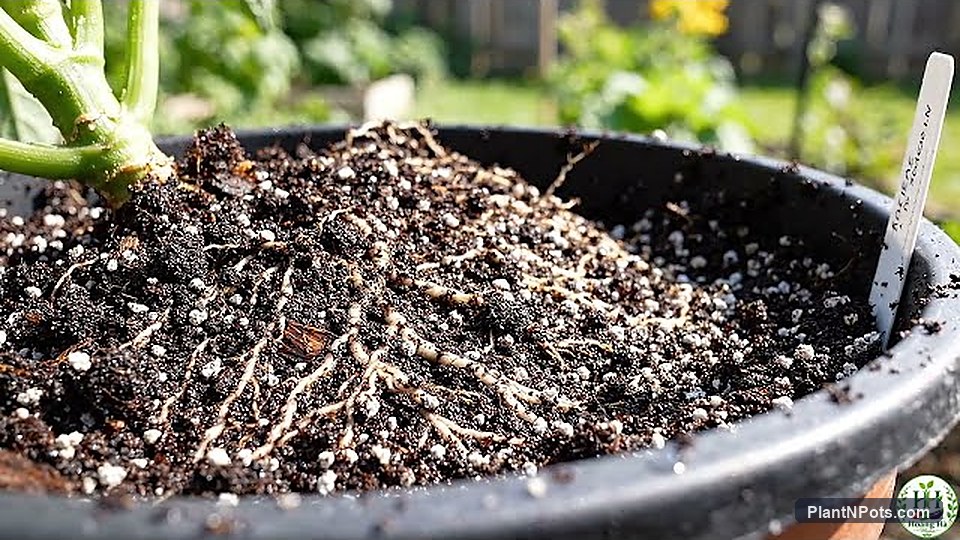
Many home gardeners experience confusion when filling containers with soil bags. Reviewing a detailed [best size pot for monstera](https://plantnpots.com/?p=6664) breakdown helps clarify actual soil capacity differences.
The horticulture industry measures these containers using dry gallons rather than liquid volumes. Furthermore, manufacturers account for the top two inches of empty space required for proper watering.
When calculating your total soil amendments, plan for roughly three to four gallons per container. This precise measurement prevents unnecessary trips to the garden center for extra soil bags.
Industry sizing standards prioritize stacking efficiency over exact liquid calibration during manufacturing. Recognizing this volumetric difference ensures accurate fertilizer and amendment mixing ratios.
- Dry gallon sizing differs from standard liquid measurements.
- Top headspace reduces total usable soil capacity.
- Actual soil volume averages three to four gallons.
- Plan soil purchases using realistic volume estimates.
Measuring True Liquid Capacity
You can test your exact container capacity by filling it with measured water containers. Pouring liquid into the pot reveals the true volume before root balls are added.
Remember that root placement displaces a significant portion of the internal soil volume. Account for this displacement when calculating long-term nutrient retention.
- Use standard water jugs for volume testing.
- Factor root mass displacement into calculations.
Video Walkthrough: Search filters
Estimating Potting Mix Mass and Saturated Load Limits
Container weight management is critical when gardening on elevated balconies or wooden decks. A dry five gallon container filled with lightweight mix weighs very little initially.
Once thoroughly irrigated, moist potting soil and mature root systems add substantial weight. A fully saturated container often weighs between thirty-five and forty-five pounds total.
Heavy organic matter and dense compost amendments increase the overall substrate density significantly. Always verify your balcony weight limits before arranging multiple large containers together.
Incorporating perlite or coarse sand alters the final moisture retention and weight profile. Balance your soil ingredients carefully to protect both structural safety and plant root health.
- Dry pots weigh under five pounds empty.
- Saturated containers reach up to 45 pounds.
- Check balcony load ratings before grouping pots.
- Use lightweight amendments for roof gardens.
Substrate Density Factors
Peat-based soils retain heavy water volumes compared to bark-heavy forestry mixes. Selecting the right components helps manage total deck loads safely throughout seasons.
Monitor container weight shifts after heavy seasonal rainfall events to prevent structural overloading.
- Compare peat versus bark substrate weights.
- Track moisture-driven weight fluctuations.
Plant Selection Guidelines for Medium Containers
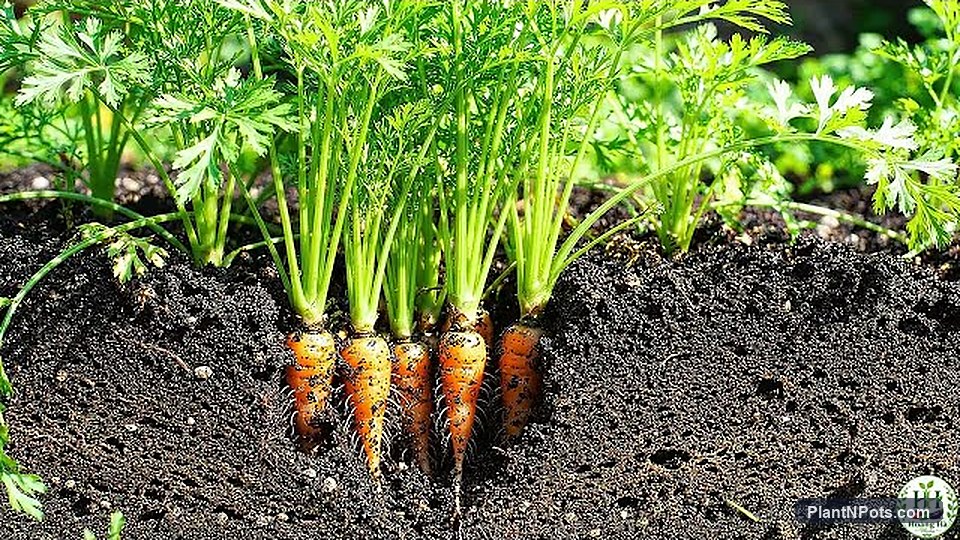
Selecting appropriate crops for mid-sized containers prevents overcrowding and stunted root development. Indeterminate tomatoes, peppers, and bush squash thrive exceptionally well in these dimensions.
Root vegetables like carrots and beets require adequate vertical depth to develop straight taproots. If you use porous clay vessels, consult our [best designs for painting terracotta pots](https://plantnpots.com/?p=3326) guide for surface prep.
Perennial herbs such as rosemary and thyme also establish strong root networks over multiple growing seasons. Ensure you provide adequate drainage to prevent root rot during wet winter months.
Avoid planting aggressive climbers or massive fruit trees that require permanent deep root zones. Choosing correctly sized specimens guarantees vibrant foliage and abundant seasonal harvests.
- Ideal for single tomato or pepper plants.
- Accommodates medium bush squash varieties.
- Provides sufficient depth for root crops.
- Supports perennial herbs for multiple years.
Root Bound Prevention
Monitor root growth through bottom drainage holes to detect circling roots early. Repotting into larger containers becomes necessary when plants outgrow their initial medium.
Pruning dense root masses during seasonal transitions helps maintain plant vigor in fixed containers.
- Inspect bottom drainage holes regularly.
- Prune circling roots during repotting.
Irrigation Intervals and Moisture Management
Managing soil moisture in mid-sized containers requires understanding evaporation rates and root absorption. During peak summer heat, plants may require watering every single day.
The exposed surface area of an eleven-inch rim allows rapid moisture loss through top evaporation. Applying organic mulch layers helps insulate the soil and retain vital hydration.
Check moisture levels by inserting your finger two inches deep into the potting mix. If the substrate feels dry at that depth, administer a thorough watering session immediately.
Consistent watering schedules prevent blossom end rot and other moisture-related physiological disorders in vegetables. Proper drainage holes ensure excess water escapes without drowning delicate roots.
- Daily watering may be necessary in summer.
- Mulch layers reduce surface evaporation rates.
- Check soil moisture two inches below surface.
- Ensure excess water drains away freely.
Recognizing Drought Stress
Wilting foliage and dry soil pulling away from container edges indicate severe underwatering. Submerge dry root balls in water basins to rehydrate hydrophobic potting mixes quickly.
Establish automated drip irrigation lines if you travel frequently during peak growing seasons.
- Look for wilting leaves and shrinking soil.
- Use soak basins for hydrophobic dry mixes.
Optimizing Spacing Layouts for Canopy Growth
Arranging your containers correctly ensures optimal airflow and prevents fungal disease outbreaks among crops. Maintain at least eighteen to twenty-four inches between adjacent pot rims.
Crowded containers restrict sunlight penetration to lower foliage, reducing overall photosynthetic efficiency and crop yields. Proper spacing also allows easy access for harvesting and pruning tasks.
Consider using rolling plant caddies beneath heavy containers to facilitate repositioning as seasonal sunlight shifts. Flexible layouts help you maximize sun exposure on patios and balconies.
Group plants with similar water and sunlight requirements together to streamline your daily maintenance routines. Thoughtful garden planning transforms compact spaces into highly productive growing areas.
- Space pots 18 to 24 inches apart.
- Ensure adequate sunlight reaches lower leaves.
- Use rolling caddies for easy repositioning.
- Group plants by similar care needs.
Maximizing Patio Sunlight
Observe seasonal sun angles to position your containers in prime light zones. South-facing exposures typically deliver the best results for fruiting vegetable crops.
Rotate pots weekly to promote even branching and balanced structural development across canopies.
- Target south-facing exposures for vegetables.
- Rotate containers weekly for balanced growth.
Material Variations Across Standard Manufactured Styles
Nursery containers are manufactured from various materials that impact moisture retention and thermal regulation. Traditional black plastic pots absorb solar heat, which can occasionally warm root zones excessively.
Fabric aeration containers provide superior root pruning and breathability, though they dry out much faster. Rigid plastic injection-molded pots offer durability and withstand harsh UV exposure for years.
Selecting the right material depends on your local climate and daily watering capacity. Breathable fabric styles prevent circling roots, while plastic retains moisture longer in arid regions.
Inspect your containers annually for cracking or UV degradation before starting new seasonal plantings. Replacing compromised pots prevents unexpected structural failures during heavy wind storms.
- Black plastic absorbs intense solar heat.
- Fabric pots offer superior root pruning.
- Rigid plastic withstands harsh UV rays.
- Inspect containers annually for cracks.
Thermal Management Tips
Shade dark plastic containers with lighter outer covers during extreme summer heatwaves. Protecting root zones from overheating preserves vital plant health and nutrient uptake.
Elevate pots on pot feet to improve sub-container airflow and prevent pest nesting.
- Shield dark pots from intense sunlight.
- Elevate containers using sturdy pot feet.
Frequently Asked Questions
How many actual gallons of soil fit into a standard five gallon pot?
A standard nursery container typically holds roughly three to four gallons of actual potting soil. Manufacturers leave upper headspace to accommodate proper irrigation without overflow.
What are the typical top diameter and height measurements?
Most standard nursery containers feature an eleven to twelve-inch top rim diameter. Their vertical height generally spans ten to eleven inches from lip to base.
How much does a fully saturated five gallon container weigh?
A thoroughly watered container filled with moist potting mix often weighs between thirty-five and forty-five pounds. Always verify balcony weight limits before grouping multiple pots.
What vegetable plant sizes grow best in these medium containers?
Single tomato plants, peppers, eggplants, and bush squash thrive wonderfully in these dimensions. The container depth provides ample room for developing robust root systems.
How far apart should I space my pots for proper airflow?
Maintain at least eighteen to twenty-four inches between adjacent pot rims. Proper spacing prevents fungal diseases and ensures adequate sunlight reaches lower foliage.

