Discover why powdery crusts form on your unglazed clay planters and learn safe, effective methods to clean them thoroughly without harming your indoor or outdoor botanical specimens.
Key Takeaway:
That crust is usually harmless mineral salt buildup caused by water evaporation, though fuzzy white mold can occasionally appear due to excessive organic dampness in the potting soil.
Quick-Reference Guide
| Factor / Scenario | Recommended Target | Why It Matters |
|---|---|---|
| Mineral Salt Buildup | Harmless Cosmetic Crust | Does not harm mature plants |
| Surface Mold Growth | Fuzzy White Patch | Indicates trapped soil moisture |
| Cleaning Solution | White Vinegar and Water | Dissolves alkaline mineral deposits |
| Soaking Duration | Thirty to Sixty Minutes | Loosens deeply embedded salts |
| Stiff Brush Tool | Natural Bristle Scrub Brush | Prevents scratching porous clay walls |
| Preventative Sealant | Breathable Exterior Sealer | Reduces future moisture migration |
Demystifying the Powdery Residue on Unglazed Clay
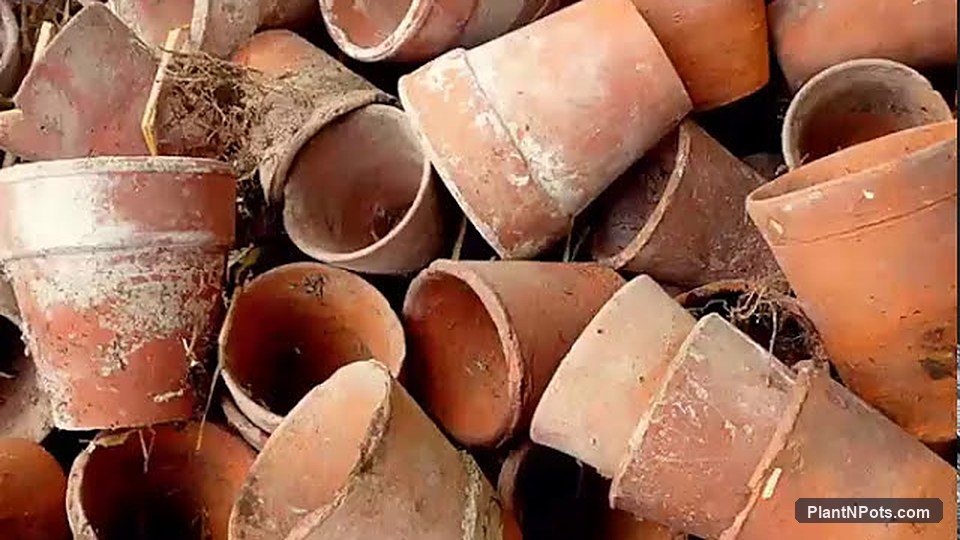
Unglazed terracotta planters frequently develop an unsightly chalky crust along their outer walls. This distinct white phenomenon often alarms gardeners who mistake beneficial mineral accumulation for destructive fungal pathogens or aggressive plant diseases.
Clay is an inherently porous material that continuously absorbs moisture from both the potting mix and irrigation water. As internal moisture migrates outward and evaporates, it leaves behind dissolved mineral salts right on the surface.
Tap water typically contains various dissolved minerals like calcium, magnesium, and sodium. Over multiple watering cycles, these elements accumulate steadily within the microscopic pores of the pot until they finally crystallize externally.
Environmental humidity levels and fertilizer applications can heavily accelerate this natural chemical process. High concentrations of synthetic plant nutrients frequently surge through the root ball and deposit excess salts directly onto the clay walls.
- Recognize that mineral crusts feel dry, crunchy, and chalky to the touch.
- Inspect your irrigation water quality to gauge mineral load intensities.
- Understand that these deposits are completely non-toxic to healthy root systems.
- Observe how fertilizer salts compound the visible white surface scaling rapidly.
Mineral Salts Versus Fungal Growth
Differentiating between harmless mineral salts and destructive fungal mold is critical for plant health. Mineral deposits remain uniformly dry and crusty, whereas true mold presents a fuzzy, velvety texture under close inspection.
Active fungal growth typically thrives on damp organic soil rather than a [best raised planter with cover](https://plantnpots.com/?p=5400) setup. Always examine the physical consistency before initiating any aggressive chemical cleaning procedures on your containers.
- Mineral deposits feel gritty, hard, and completely dry.
- Fungal mold feels soft, damp, and distinctly fuzzy.
Assessing Potential Risks to Your Potted Plants
Many dedicated gardeners worry whether accumulated surface salts will eventually harm their delicate botanical specimens. In most standard container gardening scenarios, external mineral deposits remain purely a cosmetic issue without any direct toxicity.
However, extremely heavy salt crystallizations can occasionally create a tight barrier that restricts airflow through the porous clay walls. This minor restriction slightly alters the natural root-zone breathing capacity over extended growing seasons.
Internal salt accumulation within the root zone poses a much more serious threat than exterior crusting. High electrical conductivity levels in the soil can scorch root tips, causing leaf tip browning and stunted overall plant growth.
You should regularly monitor your plants for signs of fertilizer burn whenever heavy white crusting appears. Rinsing the entire potting medium thoroughly helps flush out dangerous salt surpluses before they damage sensitive root structures.
- External mineral crusts are primarily aesthetic rather than dangerous.
- Internal soil salinization can severely burn sensitive plant root tips.
- Restricted pot breathability occurs only during extreme heavy scaling.
- Regular root zone leaching prevents internal fertilizer salt toxicity.
Video Walkthrough: EWW! What's that White Stuff on my Terra Cotta Pots!? — Ep. 206
Step-by-Step Guide to Cleaning Terracotta Pots
Restoring your weathered terracotta planters to their original warm reddish-orange hue requires simple household supplies and minimal effort. Gather a stiff bristle brush, white vinegar, clean water, and a large basin for soaking.
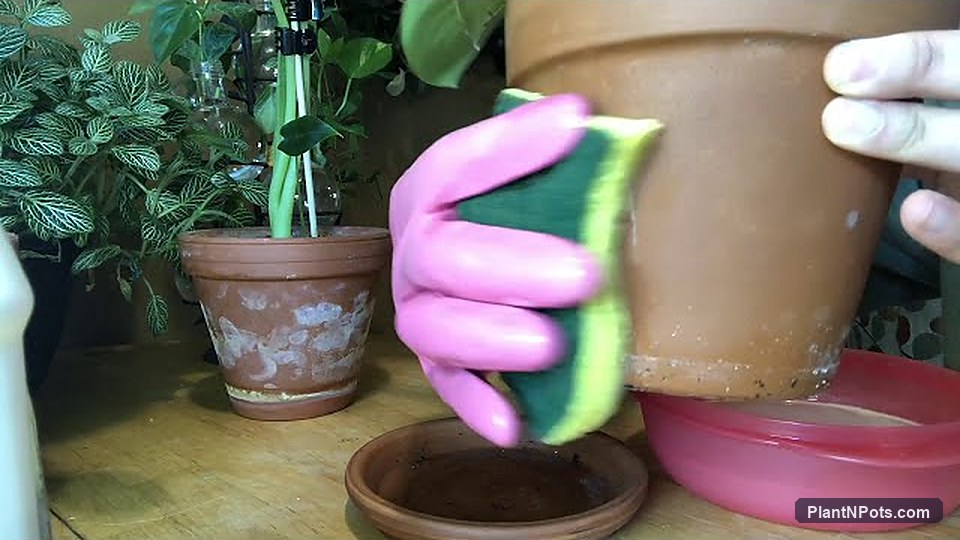
Start by gently brushing away any loose dirt, debris, and flaky surface minerals from the dry exterior walls. Empty the container completely, discarding old potting mix and removing any lingering root systems before starting.
Prepare a cleaning solution by mixing white vinegar and water inside your soaking basin before treating standard vessels or [drip painted clay pots](https://plantnpots.com/?p=3329). Vinegar is a mild organic acid that breaks down alkaline mineral bonds safely.
Submerge the empty clay pot entirely within the vinegar solution and let it soak for thirty to sixty minutes. This extended immersion softens deeply embedded salt crystals, making physical removal remarkably easy and efficient.
- Always empty and brush the dry pot thoroughly before washing.
- Mix equal parts standard white vinegar and clean water securely.
- Submerge the container for up to one hour for best results.
- Use natural bristle scrub brushes to protect fragile clay walls.
Scrubbing and Rinsing Techniques
After soaking, scrub all interior and exterior surfaces vigorously using your stiff natural bristle brush. Pay special attention to heavily crusted rims where mineral evaporation concentrates most intensely during warm summer months.
Rinse the freshly scrubbed container thoroughly under clean running water to remove all residual vinegar traces. Allow the cleaned terracotta pot to dry completely in the sun before refilling it with fresh potting mix.
- Scrub vigorously along heavily scaled rim areas.
- Rinse thoroughly to eliminate lingering acidic odors.
Alternative Removal Methods for Stubborn Mineral Scaling
Stubborn mineral deposits sometimes resist standard vinegar soaks, requiring slightly more intensive physical or chemical interventions. Hydrogen peroxide offers another safe cleaning option when dealing with persistent white mold alongside hard mineral crusts.
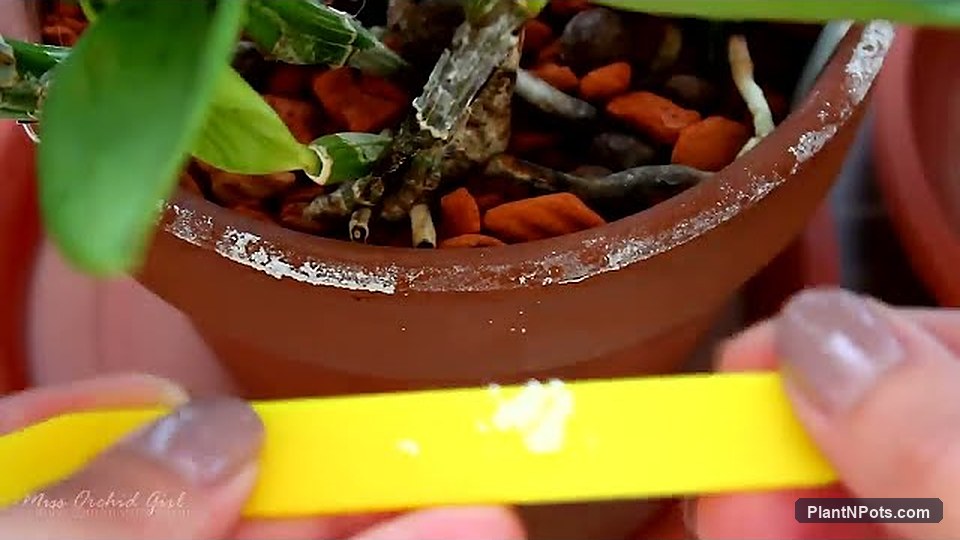
You can also formulate a thick cleaning paste using baking soda and a small amount of water. Apply this abrasive paste directly onto severe mineral rings and scrub gently with a soft sponge.
Avoid harsh chemical bleach solutions because porous terracotta absorbs these toxins and slowly releases them later. These retained chemicals can easily damage tender plant roots when the container is finally reused for potting.
Mechanical scraping with a dull butter knife or fine steel wool can help remove extremely dense calcium plaques. Exercise extreme caution during mechanical scraping to avoid cracking or chipping the fragile unglazed clay material.
- Avoid harsh chemical bleaches that absorb into porous clay.
- Use baking soda pastes for gentle yet effective abrasive scrubbing.
- Apply hydrogen peroxide to neutralize stubborn organic mold spots.
- Scrape thick calcium plaques cautiously with blunt scraping tools.
Preventing Future White Buildup on Your Planters
Stopping white mineral deposits from returning requires modifying your daily plant watering and general maintenance habits. Transitioning away from high-mineral tap water to filtered or rainwater significantly reduces future salt accumulation on clay surfaces.
Applying a breathable, non-toxic exterior sealer specifically designed for masonry and terracotta can block moisture migration. This specialized protective barrier prevents mineral-laden water from reaching the outer surface of your decorative clay pots.
Flush your potting soil regularly by watering deeply until clean water runs freely through the drainage hole. This preventative irrigation practice washes excess fertilizer salts out of the root zone before they crystallize.
Elevating your planters on pot feet improves crucial air circulation underneath the base, preventing the moisture issues often seen in a poorly chosen best white ceramic indoor pot. Better ventilation minimizes persistent surface scaling.
- Switch to filtered water or harvested rainwater when possible.
- Apply breathable exterior sealers to block outward salt migration.
- Flush container soil monthly to eliminate trapped fertilizer residues.
- Elevate pots on feet to enhance bottom airflow efficiency.
Managing Surface Mold and Fungal Issues Safely
Sometimes the white substance appearing on your containers is actually fungal mycelium rather than mineral salt. Active mold growth indicates that your potting soil remains too wet and lacks adequate airflow around the base.
Scrape away the fuzzy surface mold manually using a small garden trowel or clean spoon. Ensure you discard this contaminated topsoil layer immediately to prevent fungal spores from spreading to neighboring indoor houseplants.
Improve ambient air circulation by positioning small oscillating fans near your indoor plant collection. Lowering room humidity levels and reducing heavy watering frequencies will discourage stubborn mold colonies from returning to damp soil surfaces.
Sprinkle a light dusting of ground cinnamon across the bare soil surface to naturally inhibit fungal growth. Cinnamon possesses wonderful natural antifungal properties that safely protect your potted plants without using harsh chemical fungicides.
- Scrape away fuzzy white mold layers from the soil immediately.
- Enhance indoor air circulation with small oscillating room fans.
- Let surface soil dry thoroughly between scheduled watering sessions.
- Apply ground cinnamon as a safe, natural antifungal treatment.
Best Practices for Container Gardening with Terracotta
Master container gardeners understand that successful terracotta plant cultivation requires respecting the unique properties of unglazed clay. These classic pots breathe exceptionally well, cooling root zones naturally through continuous moisture evaporation during hot weather.
Because unglazed clay evaporates water rapidly, your potted plants will likely require more frequent irrigation cycles. Monitor soil moisture levels daily using your finger rather than relying on strict watering calendars or rigid schedules.
Choosing appropriately sized containers prevents root binding and ensures balanced moisture distribution throughout the entire root ball. Proper sizing also minimizes stagnant soil pockets that often lead to root rot and fungal proliferation.
Embrace the rustic aesthetic changes that occur naturally as your terracotta planters age gracefully outdoors. A light patina of white mineral crust often adds vintage charm to mature garden containers and cherished patio displays.
- Monitor soil moisture daily due to rapid clay evaporation.
- Select correctly sized containers to prevent root-zone stagnation.
- Embrace natural aging patinas as part of terracotta charm.
- Provide adequate drainage holes to prevent standing water issues.
Frequently Asked Questions
Is white crust on terracotta harmful to plants?
External white mineral crusts are completely harmless to mature plants and represent normal water evaporation from porous clay walls during regular irrigation cycles.
Furthermore, heavy internal salt accumulations in the underlying potting soil can scorch delicate root systems if left unmanaged over extended growing seasons.
How do I get rid of white mold on soil?
You can eliminate surface mold by physically scraping away the fuzzy topsoil layer and improving indoor air circulation around your plants. Additionally, sprinkling natural ground cinnamon over the bare soil inhibits fungal spore germination effectively without harming your botanical specimens.
Can I use vinegar to clean my clay pots?
Yes, mixing equal parts white vinegar and water creates an effective cleaning solution that dissolves alkaline mineral deposits quickly.
Simply submerge the empty pot for one hour and scrub gently using a natural bristle brush to restore the classic reddish finish.
Why do my clay pots turn white so fast?
Clay pots turn white quickly when you irrigate plants with hard tap water containing high mineral concentrations. Furthermore, heavy synthetic fertilizer applications dramatically accelerate this outward mineral migration and subsequent salt crystallization process along the porous exterior walls.
Do exterior sealers stop terracotta scaling?
Applying a breathable exterior masonry sealer prevents moisture from migrating directly through the porous clay walls. This protective barrier successfully stops unsightly external mineral scaling while still allowing the container to breathe normally for optimal plant health.

