Understanding 5 gallon planter dimensions ensures your vegetables and ornamentals have adequate space for root expansion. This technical guide covers physical sizes, volume math, and media selection.
Key Takeaway:
A standard nursery 5 gallon container typically measures 12 inches in diameter across the top rim and stands about 10 to 12 inches tall to provide optimal root volume.
Quick-Reference Guide
| Factor / Scenario | Recommended Target | Why It Matters |
|---|---|---|
| Top Diameter | 10 to 12 inches | Ensures canopy stability |
| Container Height | 10 to 11 inches | Facilitates proper drainage |
| Bottom Diameter | 9 to 10 inches | Prevents tipping over |
| Soil Volume | 0.67 cubic feet | Fills the pot correctly |
| Drainage Holes | 4 to 6 large openings | Prevents root rot |
| Material Weight | Varies by composition | Affects portability |
Physical Measurements and Standard Nursery Sizing Profiles
Navigating 5 gallon planter dimensions requires understanding that horticultural trade sizes differ from dry liquid measurements. Most standard nursery containers use nominal sizing rather than exact liquid gallons for production efficiency.
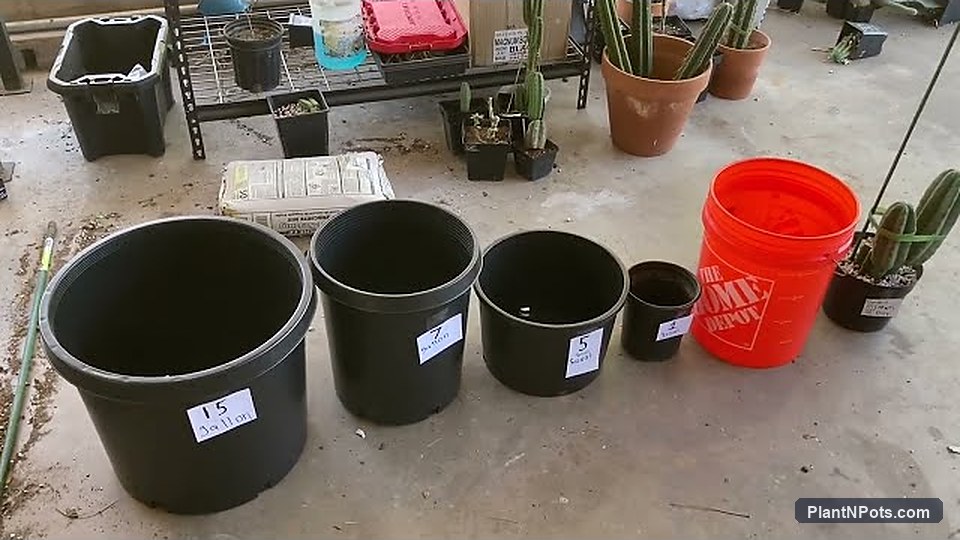
A typical blow-molded plastic nursery pot features a top rim diameter measuring precisely 12 inches across. The interior tapers downward toward a narrower base, which typically measures about 9.5 inches in diameter.
Vertical height is another critical metric, usually hovering between 10 and 11 inches tall. This specific height-to-width ratio encourages lateral root development while maintaining enough depth for taproots on medium-sized plants.
Understanding these physical constraints helps gardeners plan spacing layouts on patios, balconies, and greenhouse benches. Overlooking physical widths can cause overcrowding and limit essential airflow between adjacent foliage canopies.
Standard commercial #5 nursery containers usually measure roughly 12 inches across the top rim, taper down to about 10 inches at the sturdy base, and stand approximately 11 inches tall overall.
These exact dimensional ratios provide roughly 700 cubic inches of internal capacity, ensuring adequate depth for medium-root crops while maintaining a stable center of gravity against strong outdoor wind gusts.
Before selecting standard rigid containers, compare their true capacities against alternatives like [best 5 gallon cloth pots](https://plantnpots.com/?p=1116) to ensure your plants receive adequate root space and proper oxygenation.
Always verify the actual manufacturer specifications because nominal sizing varies wildly across brands, with some economy pots delivering only four true gallons despite bearing standard industry labeling tags.
- Measure top rim diameter before purchasing custom saucers.
- Account for bottom taper when calculating stability footprints.
- Verify exact manufacturer specifications for decorative ceramic pots.
- Remember trade gallons hold roughly 0.8 true US liquid gallons.
Rigid Plastic Versus Fabric Containers
Rigid plastic pots maintain strict structural boundaries, keeping consistent internal dimensions throughout the growing season. Flexible fabric containers bulge outward when filled with moist soil, slightly increasing their overall footprint.
Fabric alternatives allow air pruning of root tips, which prevents root circling inside the container walls. Gardeners must account for this outward bulging when calculating tight spacing configurations in small urban gardens.
- Rigid plastic preserves exact stated width measurements.
- Fabric bags expand outward under heavy soil weight.
Calculating Soil Volume and Growing Medium Requirements
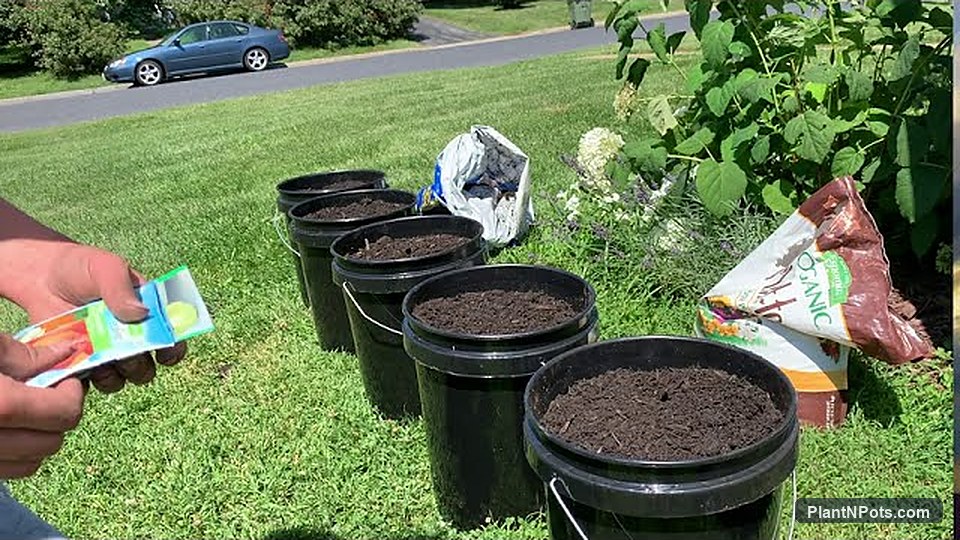
Translating 5 gallon planter dimensions into soil volume demands simple cubic math to avoid purchasing too little substrate. A true five-gallon volume equals approximately 0.67 cubic feet or roughly 19 dry quarts.
Commercial potting mixes often compress inside packaging, requiring fluffing before you fill your containers. Always buy slightly more media than theoretical calculations suggest to account for settling after the initial deep watering.
Incorporating amendments like perlite or compost alters the overall density and moisture retention properties of your chosen mix. Maintaining a balanced pore space ensures adequate oxygen reaches the developing root system daily.
Pairing your amended potting mix with proper hardware is essential. Consider utilizing options featured in our review of [best plastic planters with drainage holes](https://plantnpots.com/?p=5188) to prevent waterlogged roots and structural soil compaction over time.
Translating container capacity into physical weight requires multiplying the total volume of 0.67 cubic feet by the density of your specific pre-moistened potting soil blend or soilless media.
Standard peat-perlite mixes typically weigh around 40 to 50 pounds when completely saturated with water, demanding robust structural integrity from your chosen planter material to prevent catastrophic wall failures.
When purchasing bulk ingredients, always budget for extra growing media because settling occurs naturally during the initial watering-in phase, requiring a top-off to cover exposed root systems adequately.
Avoid using heavy garden topsoil inside confined containers because it compacts severely, destroying critical pore space needed for optimal root respiration and efficient subsurface drainage after heavy rains.
- Calculate cubic volume using interior measurements rather than exterior rims.
- Purchase extra potting mix to account for post-watering soil compaction.
- Mix organic compost thoroughly for optimal nutrient delivery throughout summer.
- Avoid heavy garden dirt to prevent compaction and drainage failure.
Video Walkthrough: DIY 5 Gallon Bucket Garden | Full Cut-List and Step-By-Step Build
Material Variations and Their Impact on Internal Dimensions
The construction material of your container directly affects usable space and moisture dynamics within the root zone. Thick ceramic or concrete walls occupy considerable physical space while reducing the internal growing area.
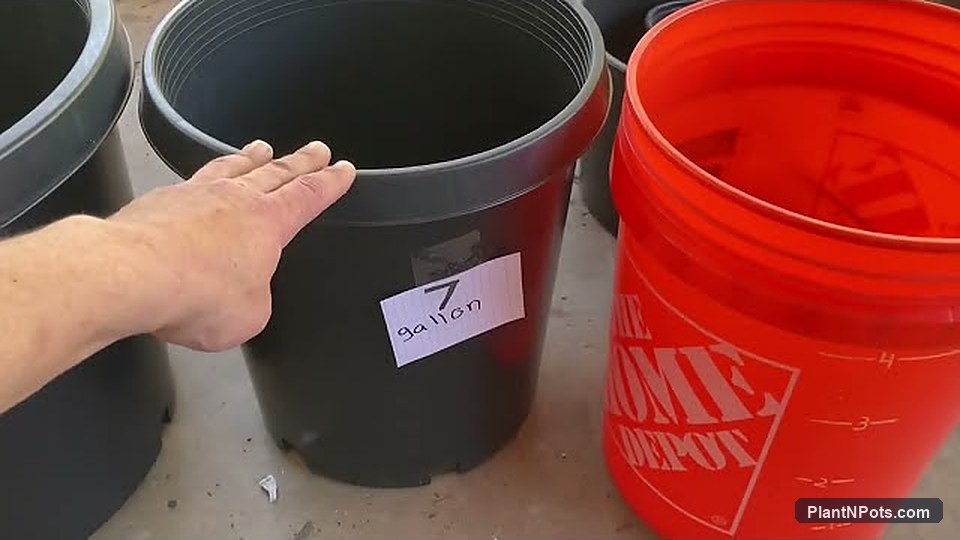
Plastic and fiberglass planters offer thin wall profiles, maximizing the available growing volume for aggressive root systems. These lightweight materials make managing large plants much easier during seasonal layout changes and cleaning.
Terracotta pots feature porous clay walls that allow moisture to evaporate rapidly from all sides of the substrate. This breathability requires frequent irrigation schedules during hot summer months to prevent plant dehydration stress.
Selecting the appropriate material involves balancing structural durability, weight capacity, and thermal insulation for sensitive roots. Extreme temperature swings can damage delicate root hairs if container walls lack adequate insulation properties.
Heavy terracotta and ceramic pots feature thick walls that can reduce internal planting diameters by up to two full inches compared to thin thermoformed plastic vessels of identical exterior footprints.
Fabric aeration containers offer flexible boundaries that expand slightly under outward root pressure, though this dynamic shifting slightly alters advertised liquid capacities during peak summer growing seasons.
Wood planters constructed from cedar or redwood boards utilize thick structural framing members that substantially encroach upon usable interior volume, requiring careful calculation before ordering replacement plants.
Selecting durable fiberglass vessels provides the absolute thinnest wall profiles available, maximizing interior root space while maintaining commercial-grade impact resistance against accidental drops or harsh winter freezes.
- Thick ceramic walls reduce internal soil volume significantly.
- Porous clay requires increased watering frequency during peak heat.
- Plastic containers maximize interior space for vigorous root systems.
- Insulated walls protect plant roots from sudden temperature drops.
Drainage Architecture and Base Clearance Specifications
Evaluating 5 gallon planter dimensions must include analyzing the number and placement of bottom drainage holes. Adequate drainage prevents water logging, which quickly leads to root rot and fatal fungal pathogen proliferation.
Look for containers featuring at least four to six holes distributed evenly across the recessed bottom surface. Elevated feet or matching plant saucers with risers ensure excess water escapes freely without blocking ports.
Placing mesh screens over large bottom openings prevents loss of valuable potting soil during heavy rain events. This simple modification keeps your patio clean while retaining essential moisture-holding components inside the container.
Never add solid gravel layers at the bottom of containers expecting to improve perched water tables. Physics dictates that perched water tables simply rise higher into the soil profile above dense rock layers.
Proper drainage hole configuration dictates whether your container successfully prevents root rot, requiring multiple distributed apertures rather than a single central opening that easily clogs with dense soil.
Elevating your planter on matching feet or a sturdy plant caddy ensures at least one inch of air gap clearance, preventing surface tension from trapping stagnant water underneath the base.
Perforated raised bottoms inside modern injection-molded pots create an internal perched water table, which safely isolates sensitive root tips from direct contact with any residual moisture pooling downward.
Always inspect factory drainage ports prior to planting, using a sharp utility knife to cleanly remove any leftover plastic flashing that restricts free water flow during intense irrigation cycles.
- Ensure at least four large drainage holes exist per pot.
- Use pot feet to elevate containers off solid patio surfaces.
- Cover escape holes with porous mesh to retain soil.
- Skip gravel layers to prevent adverse perched water tables.
Root Space Requirements for Popular Container Crops
A standard five-gallon container provides the absolute minimum volume required for successful indeterminate tomato production. Compact pepper varieties, dwarf fruit trees, and sprawling squash plants also thrive within these specific dimensional boundaries.
Choosing the right vessel matters immensely for vigorous growth. You can easily find reliable options by browsing the [best five gallon nursery pots](https://plantnpots.com/?p=983) suited for various vegetable garden layouts.
Leafy greens like lettuce and spinach can accommodate multiple plants due to their shallow root profiles. Conversely, deep-rooted root vegetables like carrots require specialized wider tubs rather than standard vertical containers.
Monitoring root bound conditions prevents premature plant senescence as the growing season progresses toward autumn. Roots circling tightly against container walls signal an urgent need for careful root pruning or repotting.
Indeterminate tomato varieties require the full five-gallon volume to support sprawling root systems capable of feeding heavy fruit clusters through peak summer production cycles without premature nutrient deficiency.
Compact bush peppers and dwarf fruit trees comfortably establish deep root networks within standard dimensions, whereas sprawling vine crops like cucumbers demand significantly larger continuous soil reservoirs.
Root crops such as carrots and radishes thrive best in containers featuring extended vertical depth rather than wide circumferences, preventing stunted development and misshapen taproots during bulb expansion.
Overcrowding multiple large plants inside a single five-gallon vessel triggers fierce root competition, severely limiting overall harvest yields and accelerating moisture depletion during extended dry weather spells.
- Limit indeterminate tomatoes to one single plant per container.
- Pair shallow-rooted herbs successfully with upright focal flowers.
- Monitor for root binding late in the active season.
- Provide adequate vertical space for heavy fruit crop yields.
Ergonomic Considerations for Moving Large Planters
Fully saturated five-gallon containers often weigh between 35 and 50 pounds, presenting lifting hazards for gardeners. Designing your garden layout with integrated plant caddies or heavy-duty saucers on wheels prevents muscle strains.
Lift heavy planters using your leg muscles while keeping your back straight and the load close to your body. Never twist your spine while holding a heavy container filled with damp soil and mature plants.
Position your containers near accessible water sources to minimize the physical strain of carrying heavy watering cans. Installing drip irrigation systems directly to your planters saves immense time and reduces daily physical labor.
Selecting lightweight resin or fabric containers significantly reduces baseline lifting weights before soil goes inside. This proactive material choice makes seasonal rearranging and winter storage much safer for home gardeners.
Lifting a saturated five-gallon planter full of wet soil introduces severe lumbar strain risks, making proper bending mechanics and team-lift protocols essential safety practices for home gardeners.
Integrating heavy-duty rolling plant caddies beneath your containers eliminates manual lifting requirements entirely, protecting your patio surfaces while allowing effortless relocation for optimal sunlight exposure.
When selecting pots with built-in side handles, verify that the attachment points feature molded reinforcement ribs capable of supporting fifty pounds of dead weight without tearing loose.
Positioning your heavy planters permanently before filling them with heavy growing media prevents unnecessary transport injuries and protects delicate landscaping borders from accidental wheelbarrow damage.
- Use wheeled caddies to transport heavy planters safely outdoors.
- Lift with leg strength to protect your lower back.
- Install drip lines to eliminate manual watering heavy lifting.
- Choose lightweight resin materials for easier seasonal mobility management.
Seasonal Maintenance and Long-Term Container Preservation
Proper upkeep of your containers extends their usable lifespan and protects your horticultural investment for years. Empty old potting soil annually to scrub interior walls with a mild solution of dish soap and water.
Disinfecting containers between planting cycles destroys lingering fungal spores and bacterial pathogens that could infect new crops. Rinse all surfaces thoroughly with clean water before adding fresh soil and new plant starts.
Store rigid plastic and ceramic containers indoors during freezing winter months to prevent structural cracking from ice. Water trapped inside unglazed porous pots expands when frozen, shattering the material completely overnight.
Inspect containers regularly for hairline cracks, fading, or structural weakness caused by harsh ultraviolet sun exposure. Replacing compromised pots proactively prevents sudden structural failures during violent summer thunderstorms and high wind events.
Protecting plastic and fiberglass planters from extreme UV degradation requires applying specialized protectant sprays or storing vessels out of direct sunlight during harsh winter months.
Porous terracotta pots demand absolute winter storage inside a frost-free garage or shed because trapped moisture expands inside the clay matrix, causing catastrophic cracking during hard freezes.
Thoroughly sterilizing empty containers using a ten percent bleach solution between growing seasons eliminates lingering fungal spores and harmful bacterial pathogens that threaten future plant health.
Inspecting structural seams annually for hairline fractures or stress fatigue ensures you can retire compromised vessels safely before unexpected structural failures damage prized ornamental specimens.
- Scrub interior walls annually using mild soapy water solutions.
- Disinfect pots to eliminate persistent plant pathogens and spores.
- Store brittle containers indoors during freezing winter temperature drops.
- Inspect structural integrity regularly for ultraviolet radiation degradation signs.
Frequently Asked Questions
How many quarts of soil do I need to fill a standard 5 gallon pot?
A standard five-gallon container typically requires approximately 19 dry quarts or 0.67 cubic feet of growing medium. Always purchase slightly more potting mix to compensate for natural settling and initial watering compaction.
What are the exact measurements of a typical nursery 5 gallon bucket?
Standard trade nursery containers usually feature a top rim diameter measuring 12 inches across and a vertical height of 10 to 11 inches. The bottom tapers down to roughly 9.5 inches to accommodate stacking and drainage.
Can I grow multiple tomato plants in a single 5 gallon planter?
You should restrict standard five-gallon containers to just one indeterminate tomato plant to prevent severe root competition. Planting multiple large vegetables together in this volume will severely stunt growth and reduce overall harvest yields.
Why do my potted plants suffer from root rot in large containers?
Root rot typically occurs when containers lack adequate bottom drainage holes or utilize heavy, compacted soil mixes. Ensure your pots feature multiple drainage ports and use porous, well-aerated media to keep roots healthy.
Are fabric grow bags better than rigid plastic pots for gardening?
Fabric grow bags promote superior air pruning of root tips and prevent circling root systems common in plastic pots. However, fabric containers dry out much faster and require more frequent irrigation during peak summer heat.

