Practical methods to diagnose, treat, and prevent common soil and foliage pests in indoor containers without harming your valuable greenery.
Key Takeaway:
Inspect root zones and foliage weekly using a 10x hand lens, allowing you to isolate infested containers before microscopic pests spread to surrounding houseplants.
Quick-Reference Guide
| Factor / Scenario | Recommended Target | Why It Matters |
|---|---|---|
| Soil Moisture | Allow top 2 inches to dry | Deterrence for fungus gnat larvae. |
| Water Temperature | Room temperature water | Prevents root shock during drenches. |
| Neem Concentration | 1 to 2 tablespoons per gallon | Safely suffocates soft-bodied insects. |
| Hydrogen Peroxide | 1 part 3% peroxide to 4 parts water | Kills gnat larvae on contact. |
| Quarantine Period | Minimum 14 days | Ensures hatching eggs are caught. |
| Humidity Range | 40 to 50 percent indoors | Reduces spider mite reproduction rates. |
Diagnosing Common Potted Plant Pests
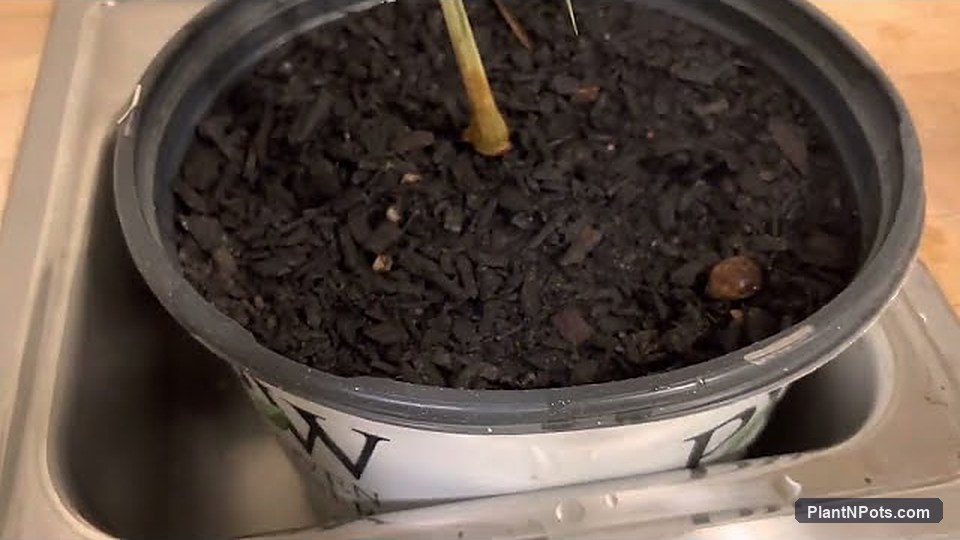
Discovering tiny bugs in potted plants requires careful observation of both the growing medium and the foliage. Many microscopic insects hide beneath leaves or inside damp organic matter.
Fungus gnats flutter near the soil surface, while spider mites weave delicate webs underneath foliage. Identifying the exact pest species dictates your precise treatment protocol and containment strategy.
Examine leaf axils and stem bases using bright illumination. Catching infestations early protects your [pots for indoor basil](https://plantnpots.com/?p=6430) and prevents widespread pest population explosions.
Look for sticky honeydew residues or fine stippling marks on green tissue. These physical symptoms often precede any visual sighting of tiny crawling pests.
- Check drainage holes for crawling soil-dwelling larvae.
- Inspect leaf undersides with a magnifying glass weekly.
- Monitor sticky yellow cards placed near the soil line.
- Distinguish harmless springtails from damaging root aphids.
Identifying Soil-Dwelling Versus Foliage Insects
Soil inhabitants like fungus gnat larvae thrive in continuously damp compost. They chew on delicate root hairs, causing stunted growth without showing immediate upper plant distress.
Foliage pests pierce plant cells to extract sap, leading to chlorosis and leaf drop. Knowing where pests feed ensures your treatment reaches the exact targeted organism.
- Soil pests require root drenches or topdressings.
- Foliage pests require targeted sprays on leaves.
Root Causes of Indoor Container Infestations
Overwatering remains the primary trigger for sudden pest outbreaks in potted greenery. Excess moisture creates an ideal breeding ground for fungus gnats and root rot fungi.
Bringing outdoor plants indoors without inspection introduces hitchhiking insects. These pests multiply rapidly inside climate-controlled homes lacking natural predators.
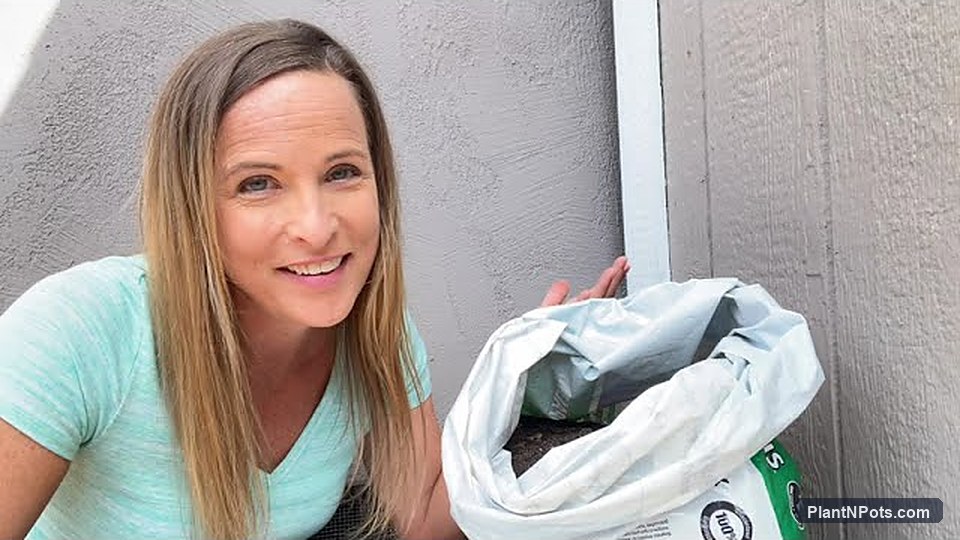
Contaminated potting mix bags stored outdoors can harbor dormant pest eggs. Always inspect fresh substrates before filling [tiny clay pots](https://plantnpots.com/?p=1888) or larger containers.
Poor indoor ventilation also contributes to persistent humidity pockets. Stagnant air encourages spider mites and thrips to establish colonies on vulnerable houseplants.
- Avoid keeping potting soil wet for prolonged periods.
- Inspect all new plant acquisitions thoroughly.
- Store opened bags of soil in sealed plastic bins.
- Improve ambient indoor air circulation around pots.
The Role of Organic Matter and Soil Composition
Heavy soils retaining too much water attract moisture-loving insects. Incorporating perlite or coarse orchid bark improves aeration and discourages pest habitation.
Decomposing organic debris on the soil surface provides food for larvae. Removing fallen leaves regularly starves developing insect populations before maturity.
- Use well-draining soil mixes for all indoor pots.
- Clear surface debris from container rims weekly.
Video Walkthrough: What are these tiny bugs in the soil?
Mechanical and Physical Removal Techniques
Physical removal provides an immediate knockdown of high pest populations without chemicals. Wipe down broad leaves gently using a damp microfiber cloth.
A steady stream of lukewarm water in a shower removes aphids and spider mites effectively. Protect the soil surface with plastic wrap during washing.
Prune away heavily infested leaves to reduce overall pest numbers quickly. Dispose of infected foliage securely in sealed outdoor trash receptacles.
Scrape away the top layer of contaminated soil if fungus gnat larvae congregate there. Replace the surface inside your [trailing pothos pot](https://plantnpots.com/?p=4180) with dry horticultural sand.
- Wipe leaves from stem to tip carefully.
- Isolate treated plants away from healthy collections.
- Discard severely damaged foliage into sealed bags.
- Rinse container exteriors to remove hidden eggs.
Using Sticky Traps and Barriers
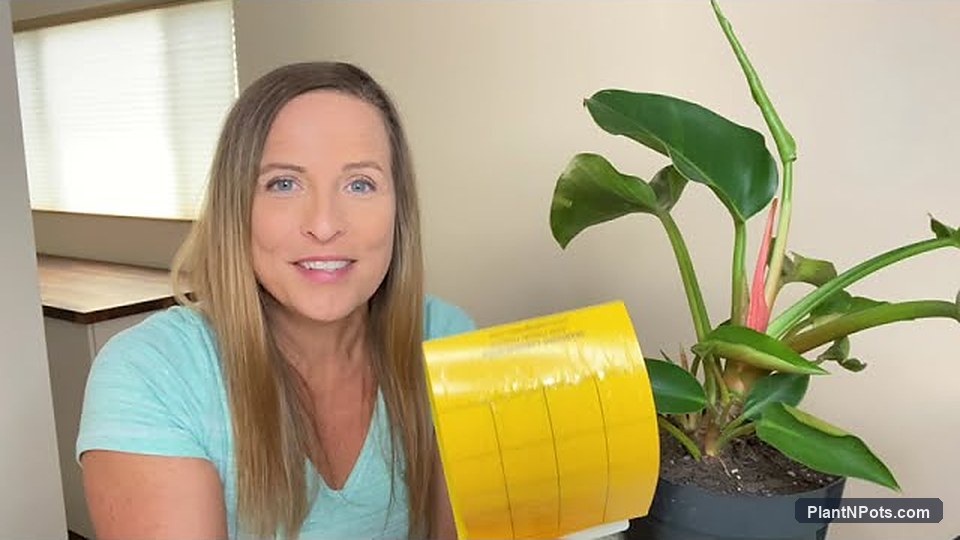
Yellow sticky cards capture flying adult fungus gnats and whiteflies. Place these cards directly at the soil surface level for maximum trapping efficiency.
Physical barriers like fine mesh screens over drainage holes prevent pests from entering pots from outside. Keep container saucers clean and dry.
- Replace sticky cards every two to three weeks.
- Ensure traps do not stick to plant stems.
Organic Soil Treatments and Drenches
Targeting soil-dwelling pests requires specialized organic drenches applied directly to the root zone. Diluted hydrogen peroxide solutions help eliminate small larvae upon contact.
Allow the potting mix to dry out completely between watering sessions. Drying out the substrate naturally disrupts the reproductive cycle of soil gnats.
Beneficial nematodes applied as a soil drench hunt down fungus gnat larvae. These microscopic organisms provide a natural biological control method indoors.
Mosquito dunks containing biological larvicides offer another safe soil treatment option. Soak a crumb of the dunk in your watering can before irrigation.
- Mix hydrogen peroxide with water accurately.
- Apply soil treatments only when mix is slightly dry.
- Repeat biological drenches every ten days.
- Maintain proper container drainage during treatment.
Applying Beneficial Nematodes Safely
Mix beneficial nematode powder into lukewarm water according to package instructions. Pour the suspension evenly over the entire root ball.
Keep the soil moist for two weeks following application to help nematodes survive. They actively seek out and consume pest larvae underground.
- Store unused nematodes in cool refrigerator conditions.
- Apply during evening hours to avoid bright light.
Foliar Sprays and Natural Deterrents
Foliar pest outbreaks respond well to horticultural soap or neem oil sprays. These natural deterrents coat soft-bodied insects, safely interrupting their respiration.
Mix concentrated neem oil with warm water and a drop of mild dish soap. Test the spray on a single leaf before treating the entire plant.
Spray foliage thoroughly, ensuring complete coverage of leaf undersides where pests hide. Apply treatments exclusively during low-light evening conditions.
Avoid spraying plants stressed by underwatering or excessive heat. Delicate foliage can burn easily if treated under intense direct sunlight.
- Shake spray bottles frequently during application.
- Reapply organic sprays every seven to ten days.
- Wipe excess oil residue after a few hours.
- Wear gloves when handling concentrated botanical oils.
Preparing Homemade Horticultural Sprays
Combine pure castile soap with water for a gentle cleansing wash. This breaks down protective outer coatings on aphids and mealybugs.
Rinse foliage with clean water twenty-four hours after applying soap solutions. This prevents pore clogging on sensitive indoor plant varieties.
- Measure soap ratios precisely to prevent leaf burns.
- Use distilled water for optimal mixing results.
Container Hygiene and Sanitation Practices
Maintaining clean pots prevents recurring infestations from old pest eggs. Wash used ceramic and plastic containers thoroughly in warm soapy water.
Sanitize empty pots using a mild bleach solution to kill dormant pathogens. Rinse all containers thoroughly before adding fresh potting mix.
Clean saucers and decorative cachepots regularly to eliminate standing moisture. Pests often congregate in hidden pools of stagnant irrigation runoff.
Inspect your growing tools, pruning shears, and trowels between different plants. Sterilize metal blades with rubbing alcohol to prevent cross-contamination.
- Scrub interior container walls with a stiff brush.
- Soak plastic nursery pots in disinfectant solution.
- Dry containers completely before replanting flora.
- Discard old saucers showing mineral crust buildup.
Sterilizing Reused Potting Materials
Bake damp garden soil or compost in an oven to kill weed seeds and insect eggs. Spread the mix on a tray at low heat.
Alternatively, pour boiling water through porous clay pots to sanitize them quickly. Allow everything to cool completely before repotting.
- Monitor oven temperatures to prevent burning organic matter.
- Let sterilized components cool down fully.
Preventing Future Pest Outbreaks
Long-term pest prevention relies on consistent observation and proper cultural care. Provide optimal light levels and correct watering schedules to keep plants vigorous.
Quarantine all newly purchased houseplants for at least two weeks away from your main collection. This simple habit stops hidden bugs from spreading.
Dust plant leaves regularly to discourage microscopic mites from settling. Clean foliage also enhances photosynthetic efficiency for healthier growth.
Monitor indoor humidity levels using a small hygrometer gauge. Adjust your environmental controls to discourage rapid insect breeding cycles.
- Check plant roots during routine repotting sessions.
- Keep windows screened to block flying outdoor insects.
- Prune dead foliage promptly to remove pest hiding spots.
- Rotate indoor pots weekly for balanced exposure.
Establishing a Weekly Maintenance Routine
Set aside time each week to examine your indoor plant collection closely. Check soil moisture levels and inspect leaf joints for unusual webbing.
Keep a gardening journal to record any previous pest treatments or fertilizing schedules. This historical data helps prevent recurring container garden issues.
- Perform soil checks before every watering session.
- Clean plant display shelves during routine maintenance.
Frequently Asked Questions
What causes tiny white bugs in potted plant soil?
Soil mites or springtails often cause tiny white bugs in potted plant soil. These beneficial decomposers thrive when organic matter remains consistently damp inside the container.
How do I get rid of tiny flying bugs around my indoor plants?
Allow the top layer of potting mix to dry out between waterings. Use yellow sticky cards near the soil line to catch adult fungus gnats effectively.
Are tiny black bugs in potted plants harmful?
Fungus gnat adults are mostly harmless nuisances, but their larvae feed on delicate root hairs. Heavy infestations can stunt young plant growth significantly over time.
Can I use dish soap to kill bugs on houseplants?
Mild castile soap solutions work well against soft-bodied pests when diluted properly. Always rinse the foliage thoroughly with clean water after treatment.
How can I prevent bugs when bringing outdoor plants inside?
Quarantine new plants for fourteen days and inspect them thoroughly with a magnifying glass. Treat any detected pests before placing them near your main collection.

