Understanding 5 gallon plant pot dimensions ensures your container garden thrives. This comprehensive manual details exact measurements, physical capacities, and material choices.
Key Takeaway:
Standard 5 gallon pots typically measure 12 inches wide at the top by 11 inches tall. Always verify actual dry volume because manufacturers use different sizing standards.
Quick-Reference Guide
| Factor / Scenario | Recommended Target | Why It Matters |
|---|---|---|
| Top Diameter | 11 to 13 Inches | Provides standard surface area for mature plant canopies. |
| Container Depth | 10 to 12 Inches | Accommodates healthy root development for mid-sized crops. |
| Soil Capacity | 0.75 Cubic Feet | Ensures adequate nutrition and moisture retention without waste. |
| Drainage Holes | 3 to 5 Apertures | Prevents lethal root rot by clearing standing moisture. |
| Material Weight | Light Plastic / Fabric | Balances structural stability with reasonable relocation effort. |
| Watering Frequency | Every 2 to 3 Days | Maintains optimal hydration during peak summer growth phases. |
Core Dimensions and Physical Measurements
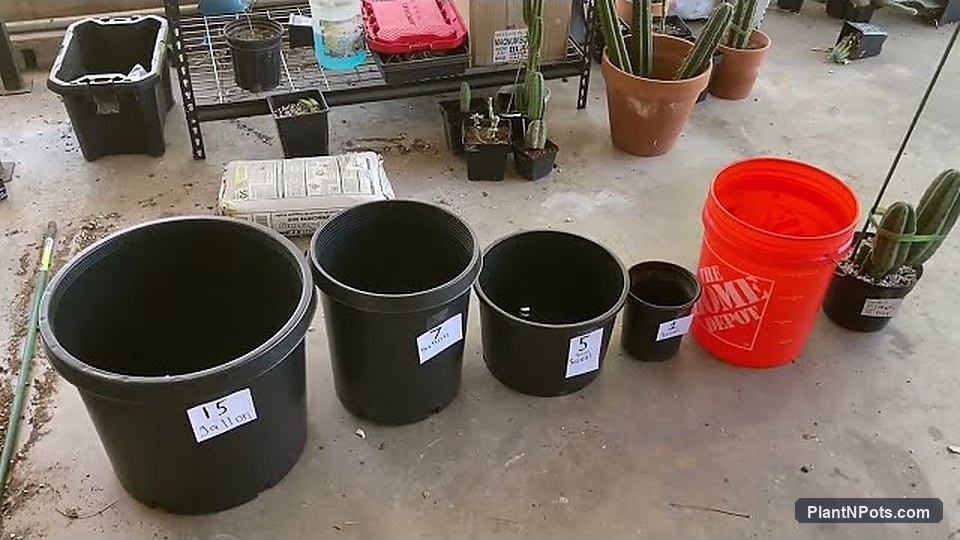
Standard 5 gallon pots measure roughly twelve inches across the top rim and eleven inches in depth. Their tapered bottoms usually narrow down to about nine inches in diameter for stability.
True liquid capacity differs significantly from dry soil volume in gardening containers. A commercial grower five gallon container typically holds about 3.8 to 4.2 actual dry gallons of growing medium.
Configuring your layout with specialized [vertical strawberry planters](https://plantnpots.com/?p=1827) requires precise soil volume calculations. Always measure the internal diameter and vertical height to ensure adequate root space before filling.
Container geometry directly influences how root systems develop over long growing seasons. Wider pots encourage shallow, expansive root networks, whereas deeper vessels support vertical taproots and heavy central stems.
Standard five-gallon containers typically measure twelve to fifteen inches across the top rim. Depth generally ranges from ten to twelve inches, accommodating extensive root systems for vigorous vegetables.
Measuring the exact base diameter ensures proper stability on flat surfaces. Most manufactured models feature a narrower bottom profile measuring roughly nine to eleven inches across for efficient stacking.
When calculating physical space requirements in garden layouts, account for a total footprint span that includes the lip. This prevents overcrowding when arranging multiple pots on standard benches.
Internal volume calculations prove that trade gallons differ slightly from actual liquid measurements. A nominal five-gallon trade pot holds roughly three point eight true US liquid gallons of volume.
- Measure top inside rim diameter carefully
- Verify total vertical depth with a tape
- Check tapered bottom stability on flat surfaces
- Account for dry soil volume variations
Verifying True Volume Specifications
Manufacturer variations mean nominal gallon ratings rarely match exact liquid measurements precisely. Checking dry cubic measurements ensures you buy adequate potting substrate without experiencing any excessive financial waste.
Compare manufacturer specifications carefully against standard horticultural charts to completely avoid sizing errors during your upcoming large planting projects throughout the spring season.
- Use standard dry quart conversions
- Measure soil depth requirements accurately
Material Variations and Weight Impact
Plastic nursery containers offer lightweight durability while maintaining precise 5 gallon pot dimensions for easy transport. They retain moisture efficiently, reducing watering frequency during peak summer heatwaves in your garden.
Terra cotta planters provide exceptional breathability and weight, preventing tipping in high winds. However, porous clay surfaces dry out rapidly, requiring more frequent irrigation compared to sealed plastic or fiberglass alternatives.
Upgrading to the [best bottom watering fabric pots](https://plantnpots.com/?p=4260) eliminates common moisture stress. These breathable containers promote natural root pruning while preventing the heavy waterlogging typical of traditional ceramics.
Wooden half-barrels and ceramic pots introduce aesthetic charm alongside substantial structural mass. Selecting heavier containers demands careful placement because moving a filled 5 gallon vessel becomes physically taxing once saturated.
Injection-molded polyethylene containers offer exceptional durability while keeping the empty weight under two pounds. This lightweight design facilitates easy seasonal repositioning around sunny patio spaces.
Traditional terra cotta alternatives introduce significant mass, often weighing eight to twelve pounds empty. Their heavy structural composition demands sturdier plant stands and reduces mobility after watering.
Fabric grow bags constructed from heavy-duty non-woven geotextile materials weigh mere ounces when empty. They provide superior air pruning while remaining extremely portable even when fully packed.
Ceramic glazed models retain moisture efficiently but add substantial permanent weight to balconies. Structural load limits on elevated decks dictate using lightweight resin equivalents instead of heavy stoneware.
- Select plastic for moisture retention
- Use fabric pots for natural root pruning
- Weigh terra cotta tipping risks outdoors
- Plan permanent placement for heavy vessels
Video Walkthrough: Nursery Pot Companies EXPOSED: The TRUTH About Nursery Container Size!
Drainage Engineering and Soil Capacity
Adequate drainage holes prevent root rot by allowing excess irrigation water to escape freely. Never skip verifying that your 5 gallon containers feature multiple factory-drilled apertures along the bottom perimeter edges.
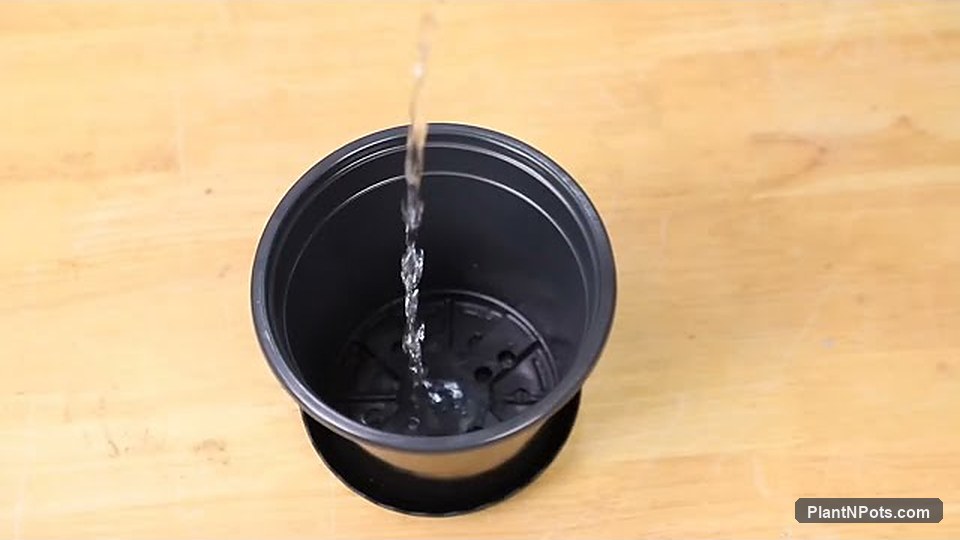
Placing coarse gravel at the bottom of containers does not improve overall drainage physics. Instead, use a well-aerated potting mix composed of peat moss, perlite, and compost to maintain uniform moisture throughout.
Calculating soil requirements for a five gallon setup requires purchasing roughly 0.75 cubic feet of growing medium. Buying slightly extra soil accounts for settling and compaction during initial watering sessions.
Perched water tables form when fine soils sit directly above larger drainage layers inside pots. Avoid this destructive phenomenon by using homogeneous potting substrates that promote steady downward percolation without interruption.
Proper water management relies on factory-drilled base holes spaced evenly across the bottom. A standard five-gallon vessel requires at least four half-inch apertures to prevent anaerobic root rot.
Filling these containers to capacity demands approximately zero point six cubic feet of growing medium. High-porosity potting mixes containing perlite ensure optimal oxygen diffusion through the soil column.
Elevating containers using pot feet or wire grids prevents blocked drainage holes. Maintaining air gaps underneath stops roots from growing out of the bottom and drying out prematurely.
Heavy clay soils compact rapidly inside deep containers, severely restricting downward water movement. Incorporating coarse horticultural sand or bark fines maintains essential hydraulic conductivity throughout the growing season.
- Verify multiple factory drainage holes
- Avoid placing gravel at container bottoms
- Purchase 0.75 cubic feet of soil
- Prevent perched water tables completely
Selecting Plant Varieties for Container Depth
Compact indeterminate tomato varieties thrive inside standard 5 gallon containers due to adequate root space. Ensure you install a sturdy tomato cage early before dense foliage obscures the planting surface.
Pepper plants, eggplants, and bush cucumbers achieve optimal fruit yields within these versatile mid-sized vessels. Root crops like carrots require deeper specialty containers rather than standard wide pots to prevent deformation.
Perennial herbs such as rosemary and thyme appreciate the excellent drainage offered by fabric pots. Grouping compatible herbs together maximizes space utilization while maintaining proper spacing for healthy foliage air circulation.
Dwarf fruit trees need much larger root zones beyond what a standard container provides. Transitioning plants into appropriately sized vessels prevents stunted growth and nutrient deficiencies as seasonal demands increase steadily.
Indeterminate tomato cultivars thrive splendidly within five-gallon depths because their vertical root zones develop downward. Providing a sturdy tomato cage prevents top-heavy structural failure during heavy fruit production.
Bush-type peppers and eggplants utilize the ten-inch vertical clearance efficiently without becoming root-bound. Ample soil depth supports abundant fruit sets while resisting frequent tip-over events in winds.
Cultivating these vegetables inside our [best 5 gallon cloth pots](https://plantnpots.com/?p=1116) ensures proper oxygenation. Selecting short round carrot cultivars prevents deformed taproots while maximizing your limited space efficiently.
Dwarf fruit trees need careful root pruning if kept long-term in restricted volumes. Maintaining adequate soil moisture prevents drought stress during hot summer afternoons when transpiration peaks rapidly.
- Grow compact bush tomatoes successfully
- Support peppers and eggplants adequately
- Choose deep containers for root crops
- Group compatible perennial herbs together
Repotting Techniques and Transition Protocols
Upgrading plants from smaller nursery containers into a 5 gallon pot requires gentle root management. Carefully tease apart tightly bound root balls to eliminate circling roots before placing them into fresh medium.
Fill the bottom of your new container with pre-moistened potting mix to establish a firm base. Position the root crown level with the rim edge, leaving about one inch of headspace for watering.
Press the surrounding soil gently to eliminate large air pockets without compressing the delicate substrate excessively. Thoroughly water the newly transplanted specimen until moisture begins running freely from the bottom drainage holes.
Shield newly repotted plants from direct afternoon sunlight for several days to minimize transplant shock. Gradual acclimation allows damaged roots to recover before facing intense transpiration demands from harsh outdoor environments.
Transitioning plants from three-gallon containers requires gently loosening tangled outer roots. Teasing apart the root ball stimulates active lateral branching once settled into the larger five-gallon environment.
Center the root ball carefully, ensuring the crown rests level with the rim. Fill surrounding gaps with fresh potting mix while firming substrate gently to eliminate large subterranean air pockets.
Thoroughly water newly repotted specimens immediately to settle soil particles around delicate root hairs. Place containerized plants in partial shade for forty-eight hours to minimize active transplant shock symptoms.
Spring represents the optimal timing for structural upgrades before aggressive seasonal growth begins. Monitoring ambient temperatures ensures nighttime lows remain above fifty degrees Fahrenheit during transition phases.
- Tease apart bound root systems
- Establish pre-moistened soil bases
- Leave one inch of headspace
- Shield transplants from harsh sun
Video Walkthrough: Nursery trade Pots comparison, Brief trade gallons explanation.
Seasonal Maintenance and Substrate Management
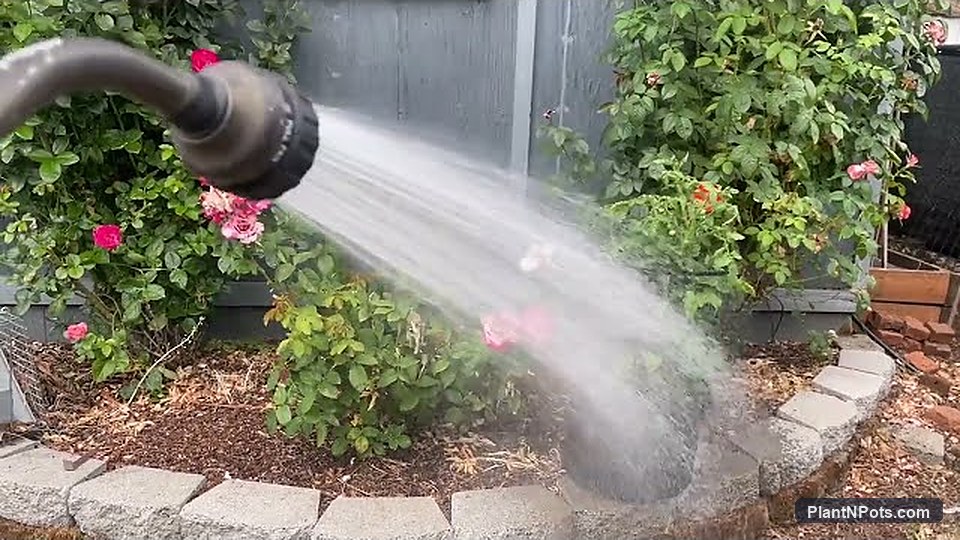
Container-grown plants exhaust available soil nutrients much faster than traditional in-ground garden beds. Supplement your established specimens monthly using balanced water-soluble fertilizers during active spring and summer growth phases.
Salt accumulations from synthetic fertilizers frequently form white crusts along container surfaces over time. Flush pots thoroughly every few months with plain water to dissolve and wash away harmful mineral deposits safely.
Extreme winter freezing temperatures can crack rigid ceramic and terra cotta planters outdoors. Store fragile containers in sheltered indoor locations or empty and wrap them tightly during harsh sub-freezing weather events.
Inspect container bottoms annually to ensure roots are not escaping through drainage holes and blocking water. Prune any protruding roots promptly and elevate pots on plant feet to maintain optimal airflow underneath.
Organic potting soils degrade over months, leading to gradual compaction and poor aeration. Top-dressing containers each spring with compost amendments restores vital microbial populations and nutrient levels.
Summer maintenance demands daily moisture checks because exposed container walls heat up quickly. Applying an organic mulch layer reduces surface evaporation rates significantly during extended heat waves.
Winter protection requires moving vulnerable pots indoors or grouping them near protected walls. Freezing expansion can crack rigid plastic vessels if saturated soil remains uninsulated throughout hard freezes.
Flush accumulated fertilizer salts monthly by running clean water through until it drains freely. This prevents mineral crust buildup that damages sensitive feeder roots over extended cultivation periods.
- Supplement nutrients monthly during growth
- Flush accumulated mineral salts regularly
- Protect fragile planters from freezing
- Elevate containers for airflow support
Troubleshooting Common Container Gardening Pitfalls
Overwatering remains the single most frequent cause of plant decline in sealed garden containers. Always test soil moisture a few inches deep before applying irrigation to prevent chronic root suffocation problems.
Stunted plant growth often indicates that your specimen has outgrown its current container volume completely. Root-bound plants require immediate repotting into a larger vessel or careful root pruning to restore vigor.
Algal growth and mold on soil surfaces point toward inadequate ventilation and excessive ambient humidity. Improve surrounding air circulation using oscillating fans or spacing your containers further apart on the patio.
Pest infestations spread rapidly among closely grouped container plants on balconies and patios. Regularly inspect underside leaves for aphids and spider mites, treating outbreaks immediately with horticultural soaps or neem oil.
Yellowing lower leaves frequently indicate nitrogen leaching caused by frequent heavy watering routines. Supplementing with diluted balanced fertilizers restores rich green coloration to hungry container-grown plants efficiently.
Stunted growth often stems from chronic compaction within older, unrefreshed potting substrates. Aerating the top few inches gently helps restore oxygen permeability without disturbing underlying root structures.
Fungus gnats thrive in constantly saturated organic potting mixes kept indoors. Allowing the top two inches of soil to dry completely between waterings eliminates larval habitats naturally.
Algae or mold crusts on the soil surface indicate stagnant air and excessive humidity. Increasing ambient air circulation around containers prevents fungal pathogen development during damp weather cycles.
- Test soil moisture before watering
- Repot severely root-bound specimens
- Improve patio air circulation
- Treat pest outbreaks immediately
Frequently Asked Questions
How many dry quarts of soil fit inside a standard five gallon container?
You will need approximately 21 dry quarts or 0.75 cubic feet of premium potting mix to fill the vessel completely without leaving large air pockets.
Always purchase slightly extra substrate to account for natural settling and compaction that occurs during initial watering sessions and root establishment.
What types of vegetables grow best in restricted container dimensions?
Compact bush tomatoes, sweet bell peppers, and various leafy greens thrive exceptionally well within these mid-sized vessels because their root systems match the available spatial capacity.
Avoid large vining crops that require extensive ground space unless you can provide aggressive pruning and continuous structural support throughout the season.
Do fabric containers dry out faster than traditional plastic pots?
Fabric walls provide superior aeration that promotes healthy root pruning, but this enhanced breathability causes moisture to evaporate much quicker during hot summer weather.
You must monitor soil hydration daily and adjust your watering frequency to compensate for rapid transpirational losses in warm outdoor environments.
Why do white salt crusts form on the outer edges of planters?
Regular applications of synthetic fertilizers leave behind mineral residues that migrate outward and crystallize on porous surfaces as moisture evaporates.
Prevent this unsightly buildup by periodically flushing your potting medium thoroughly with plain water to dissolve accumulated salts and leach them away.
How often should plants in mid-sized containers be repotted?
Most vigorous annuals and perennials grown in these vessels require fresh substrate and minor root trimming every single year to maintain optimal vitality.
Look for visible signs like circling roots or rapid drying to determine the exact moment for transitioning your specimen into fresh growing medium.

