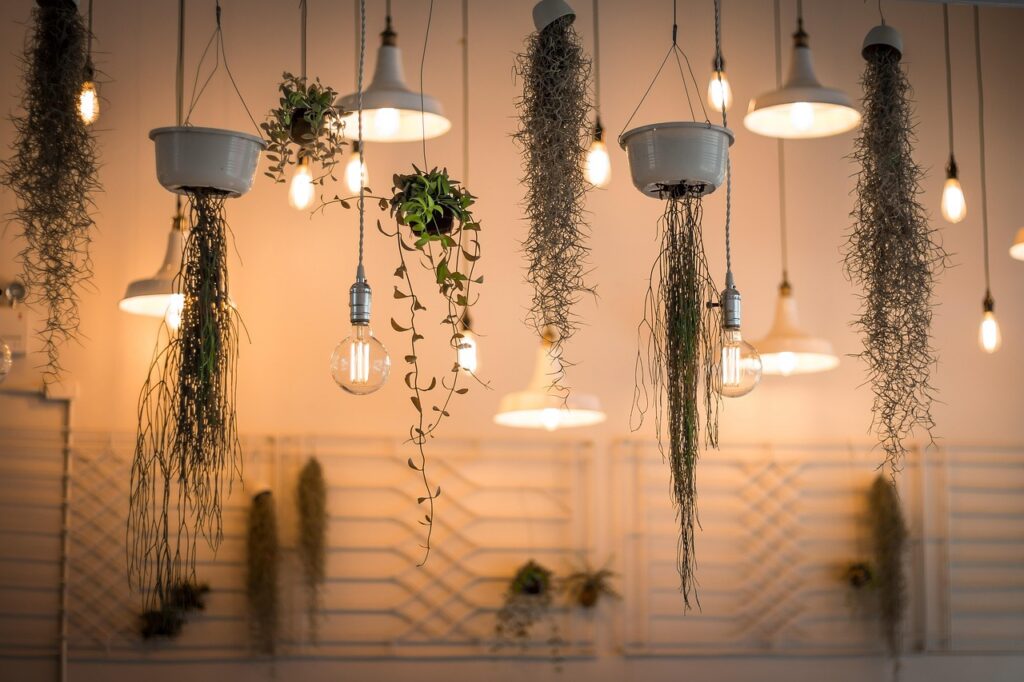
Finding hanging plants that can tolerate full sun requires selecting resilient species capable of handling intense ultraviolet radiation, high ambient temperatures, and rapid soil moisture evaporation. While many popular trailing houseplants prefer bright, indirect indoor light, containers suspended on exposed balconies, sunny porches, or south-facing eaves demand tougher biological adaptations like thick cuticles, water-storing stems, […]
Growing Miniature and Shrub Roses in Containers
Growing roses in containers allows gardeners with limited ground space, balconies, or patios to enjoy vibrant blooms and rich fragrances. Success relies on choosing compact cultivars suited to restricted root zones, providing adequate sunlight, and maintaining consistent moisture levels throughout the growing season. Specific rose types, from miniatures to dwarf shrubs, thrive remarkably well when […]
Managing Houseplants in Pots Without Drain Holes
When a plant pot lacks drainage holes, managing soil moisture requires deliberate caution because excess water cannot escape through the base. This trapped moisture settles at the bottom of the container, creating a perched water table that suffocates roots and promotes fungal pathogens. To keep a plant healthy in a solid container, you must carefully […]
A Practical Guide to Growing Fresh Mint in Pots
Growing mint in a pot is an effective way to enjoy fresh culinary herbs while containing their naturally aggressive root systems. Because mint spreads rapidly via underground runners, cultivating it in containers prevents the plant from overtaking garden beds while offering precise control over soil, moisture, and light conditions on patios, balconies, or sunny indoor […]
How to Use Self Watering Wick Pots Effectively
Wick and grow pots utilize capillary action to supply a steady, self-regulated source of moisture to potted plants from an underlying reservoir. A fibrous absorbent cord extends from the bottom of the inner growing container down into a water-filled chamber, drawing liquid upward as the root zone dries out. Using these containers successfully requires understanding […]
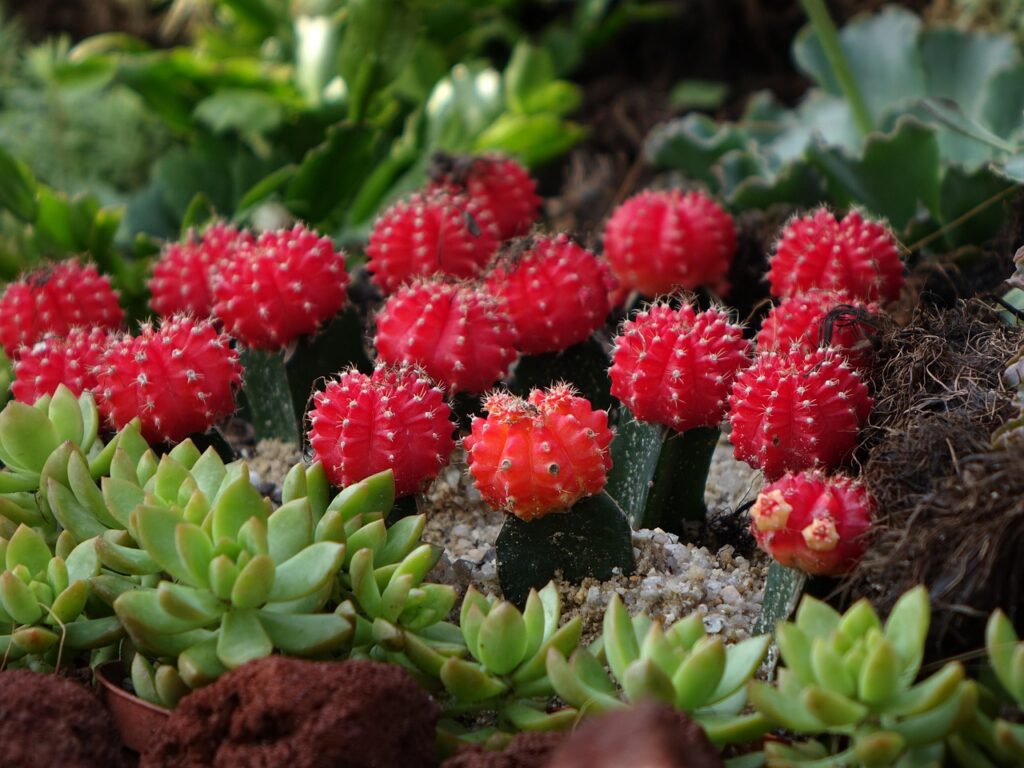
Discover the Ideal Soil Mix Ratios for Cacti
A proper cactus soil mix ratio prioritizes rapid drainage and minimal moisture retention, typically blending inorganic grit with a small fraction of organic matter to mimic arid native habitats. Understanding this balance prevents root rot, supports structural stability, and ensures that water flushes through the root zone quickly without lingering near sensitive succulent tissues. Creating […]
Choosing Pots With Drainage Holes for Succulents
Proper drainage holes for succulents are essential because these arid-adapted plants store water in their leaves and stems, leaving them highly susceptible to root rot when subjected to soggy soil. Without an exit route for excess moisture, water collects at the base of the container, suffocating root tissues and encouraging fungal pathogens. Understanding how water […]
Why and How to Use Side Drainage Holes in Planters
Drainage holes on the side of a planter introduce an alternative approach to managing excess irrigation water compared to traditional bottom-only perforations. By positioning apertures along the lower lateral walls, growers can alter how gravitational pull and capillary action interact within the potting substrate, influencing overall root zone aeration and moisture retention dynamics. While conventional […]
How to Safely Add Drainage Holes to Ceramic Pots
Adding drainage holes to ceramic pots is a practical modification that allows excess irrigation water to escape freely, preventing the saturated soil conditions that frequently lead to root rot in indoor houseplants. Many decorative ceramic containers are sold without drainage holes, functioning primarily as cachepots to hold nursery liners rather than direct planting vessels. To […]
Houseplants That Thrive With Bottom Watering
Bottom watering is a reliable method for hydrating potted plants by allowing roots to absorb moisture upward through drainage holes using capillary action. This technique ensures that the entire root zone receives uniform moisture without drenching the soil surface. Plants with dense root systems, fine feeder roots, or foliage sensitive to dampness—such as African violets, […]