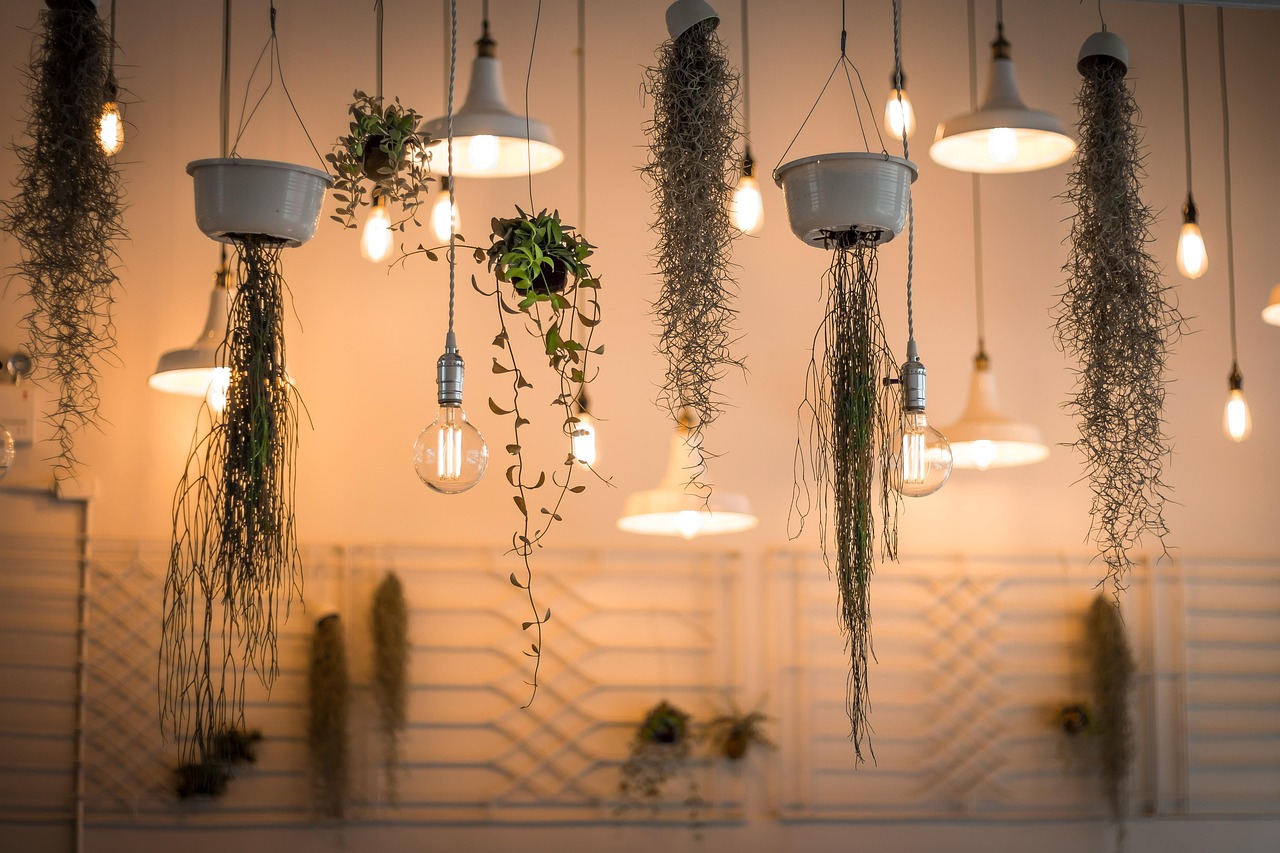
Finding hanging plants that can tolerate full sun requires selecting resilient species capable of handling intense ultraviolet radiation, high ambient temperatures, and rapid soil moisture evaporation. While many popular trailing houseplants prefer bright, indirect indoor light, containers suspended on exposed balconies, sunny porches, or south-facing eaves demand tougher biological adaptations like thick cuticles, water-storing stems, or specialized cellular structures.
Successful cultivation in these demanding environments relies on matching plant physiology to localized thermal stress, using specialized potting mixes, and adjusting irrigation schedules to match extreme transpiration rates. By understanding how to manage containers exposed to six or more hours of direct daily sunlight, growers can maintain lush, thriving hanging baskets without constant plant decline.
Selecting Varieties for Intense Sunlight
Succulent Trailers for Baking Heat
Succulent trailing species are among the most reliable choices for baskets exposed to unfiltered, all-day sunlight. Plants like Burro’s Tail, various cascading Sedum species, and certain trailing Mesembs store moisture within thick, fleshy leaves. This adaptation allows them to survive prolonged periods between watering sessions while maintaining structural integrity under high heat loads.
These plants generally require gritty, mineral-rich substrates that shed excess water instantly. Overly organic soils retain too much heat and moisture around succulent stems, leading to basal rot even when the ambient air is dry and warm.
Flowering Vines That Crave Bright Exposure
Certain flowering vines thrive exclusively when subjected to intense light cycles, rewarding high exposure with vibrant blooms. Species such as Mandevilla cultivars trained for hanging containers, trailing Lantana, and certain sun-loving morning glories produce heavy blossoms only when receiving direct rays for the majority of the day.
When grown in hanging baskets, these flowering varieties demand consistent nutritional inputs because heavy blooming depletes restricted soil reserves rapidly. Regular deadheading encourages continuous flower production throughout the peak summer months.
Foliage Plants with High Radiation Tolerance
Not all sun-tolerant trailers are succulents or heavy bloomers; certain foliage plants have developed protective cellular pigments that shield their leaves from scorching. Varieties featuring silver, variegated, or deeply pigmented leaves often reflect excess light or dissipate thermal energy more efficiently than delicate green counterparts.
Placing these resilient foliage selections in sunny hanging locations adds dynamic texture and color variations to architectural overhangs. However, transitioning them from protected nursery environments must occur gradually to prevent sudden leaf drop.
Assessing Microclimates on Sunny Balconies
Balcony environments often amplify solar intensity due to reflected heat from masonry, glass, or concrete surfaces. A hanging basket suspended near a brick wall may experience significantly higher ambient temperatures than one hanging in an open garden arbor, altering water requirements drastically.
Observing sun patterns across different hours of the day helps identify localized wind tunnels and intense thermal pockets. Positioning delicate sun-tolerant species slightly away from extreme reflective surfaces prevents localized leaf damage.
For additional ideas on flowering species, you can look into annuals that can take full sun in your garden design.
Soil and Container Dynamics for Hanging Baskets
Selecting Lightweight, Heat-Resistant Pots
Container material heavily dictates root temperature and moisture retention for hanging plants exposed to full sun. Dark plastic pots absorb radiant solar energy rapidly, which can cook delicate root systems sitting near the container walls. Lighter-colored resin containers or well-insulated fiber baskets help mitigate extreme temperature fluctuations.
Weight is another crucial factor when suspending large volumes of soil. Choosing durable yet lightweight composites ensures structural safety overhead while providing sufficient interior space for extensive root development.
Formulating Moisture-Retentive Yet Draining Soil
Standard garden soil is entirely unsuitable for sun-baked hanging containers because it compacts easily and restricts root respiration. A balanced potting mix for hanging plants must combine high organic water retention with coarse aggregates like perlite, pumice, or expanded clay to maintain open pore space.
This balance prevents the medium from shrinking away from the pot edges during extreme heat waves, a common phenomenon that causes irrigation water to run straight through without hydrating the root ball.
Incorporating Mulch and Surface Topdressings
Adding a layer of fine gravel, akadama, or lightweight expanded clay across the surface of a hanging basket significantly reduces surface evaporation. This physical barrier shades the topmost root zone and prevents the potting soil from crusting over under relentless direct sunlight.
Surface topdressings also stabilize lightweight soil mixes against wind gusts common on high-altitude balconies, preventing valuable medium loss during heavy summer storms.
Managing Salt Buildup in Restricted Volumes
Frequent irrigation required by sun-exposed hanging plants inevitably leads to mineral and fertilizer salt accumulation within the limited soil volume. As water evaporates rapidly from the porous walls and surface of the basket, mineral residues crystallize around roots.
Flushing the container thoroughly with clear water every few weeks helps leach accumulated salts downward and out through the drainage holes, preventing marginal leaf burn and root tip necrosis.
Irrigation Strategies Under High Evaporation
Frequency Adjustments During Peak Summer
Hanging plants exposed to full sun may require daily or even twice-daily watering during the peak of summer. High ambient temperatures, combined with constant air circulation around suspended baskets, drive exceptionally high rates of transpiration and soil evaporation.
Relying on rigid watering schedules is less effective than physically checking soil moisture at a depth of two inches. If the substrate feels dry and lightweight, immediate watering is necessary to prevent irreversible drought stress.
Deep Soaking Versus Frequent Spritzing
Surface misting or brief splashes of water are entirely inadequate for sun-loving hanging plants, as moisture only reaches the top fraction of the soil. True deep soaking ensures that water penetrates the entire root ball, encouraging roots to grow downward rather than crowding near the surface.
Immersing the entire hanging basket in a basin of water until air bubbles cease rising is an exceptionally effective method for rehydrating severely dry, hydrophobic soil mixes.
Recognizing Signs of Underwatered Foliage
Chronic underwatering in high-light environments manifests through distinct visual and physical symptoms across different plant types. Succulent trailers may wrinkle, flatten, or drop lower leaves, while flowering vines exhibit rapid wilting, flower bud drop, and crispy leaf margins.
Early identification of these stress signals allows growers to adjust watering volumes before permanent vascular damage occurs within the plant’s stems.
Utilizing Sub-Irrigation and Water-Retaining Gels
For growers facing severe water restrictions or high daily temperatures, specialized sub-irrigation hanging planters or hydro-pockets offer reliable moisture management. These systems maintain a localized water reservoir at the base of the container, drawing moisture upward via capillary action.
Alternatively, blending hydrophilic polymer crystals into the soil mix during potting can buffer brief watering lapses by absorbing and slowly releasing moisture directly to thirsty roots.
Acclimation, Light Management, and Placement
Transitioning Greenhouse Stock to Direct Rays
Plants purchased from retail nurseries or grown indoors have typically developed under filtered light conditions. Placing these specimens directly into full, unshielded outdoor sun without an acclimation period causes severe leaf scorching and structural shock.
Gradually increasing daily direct sun exposure over a two-week period allows the plant’s cellular structure to synthesize protective pigments and thicken its outer cuticle safely.
Protecting Roots from Thermal Shock in Pots
While foliage may tolerate intense heat, root systems are highly sensitive to elevated thermal thresholds inside exposed containers. When pot temperatures exceed critical limits, root cell walls break down, halting water uptake entirely.
Hanging baskets constructed with breathable natural fibers, such as coconut coir, provide natural evaporative cooling to the root zone, though they require more frequent watering due to increased outer surface evaporation.
Rotating Baskets for Even Growth
Hanging plants exposed to unidirectional sunlight naturally lean or develop denser foliage on the side facing the primary light source. Regular rotation of the basket every few days ensures balanced exposure and uniform architectural development.
This simple maintenance practice prevents asymmetrical weight distribution, which can strain suspension hardware and alter the aesthetic balance of the display.
Adjusting Positions Seasonally
Solar angles shift dramatically between spring, summer, and autumn, altering the intensity and duration of light hitting specific balconies or overhangs. A spot that receives ideal full sun in mid-summer may become overly shaded or dangerously cold by late autumn.
Monitoring seasonal lighting shifts allows growers to relocate hanging containers proactively before plants experience sudden environmental stress from reduced solar input.
Pruning, Maintenance, and Common Problem Diagnosis
Controlling Leggy Growth Through Regular Pinching
Intense sun exposure combined with rapid growth can occasionally cause hanging plants to produce long, sparse stems with wide internodes. Regular tip pinching removes apical dominance, encouraging lateral branching and creating a denser, fuller basket appearance.
This pruning practice also strengthens the structural attachment points of trailing stems, making them less susceptible to breakage from strong outdoor winds.
Managing Common Sun-Stressed Pests
Plants under environmental stress from intense heat and dry air are frequently targeted by opportunistic pests such as spider mites and scale insects. These organisms thrive in hot, dry microclimates often found around sunny balconies.
Regularly inspecting the undersides of leaves and wiping foliage down with a damp cloth helps remove early pest populations before infestations compromise plant health.
Identifying Leaf Scorching Versus Normal Aging
Distinguishing between environmental sun damage and natural leaf senescence is essential for proper plant care. Sun scorch typically appears as bleached, papery, or dark brown patches on exposed upper leaf surfaces facing the primary light source.
Conversely, normal aging involves the gradual yellowing and dropping of older, innermost leaves located deep within the canopy where light penetration is minimal.
Routine Fertilization for Heavy Bloomers
Frequent watering required by sun-exposed containers washes away soluble nutrients quickly, making regular fertilization necessary during active growth phases. Using a balanced, water-soluble fertilizer at half-strength every two weeks supports sustained growth without burning sensitive root tips.
Reducing fertilization rates as autumn approaches allows plants to slow their metabolic activity and prepare for cooler seasonal temperatures.
Frequently Asked Questions
What makes a hanging plant suitable for full sun?
Plants suitable for full sun possess specific physiological adaptations like thick cuticles, hairy leaf surfaces, water-storing fleshy tissues, or specialized pigments that reflect excessive ultraviolet radiation. These mechanisms protect internal cellular structures from thermal breakdown and rapid moisture loss while suspended in high-exposure environments.
How often should outdoor hanging baskets in full sun be watered?
Outdoor hanging baskets in full sun often require watering daily, and occasionally twice daily during peak summer heat waves. Because wind and intense solar radiation accelerate evaporation rates from both the soil surface and porous container walls, checking the substrate depth manually is the most reliable method to determine watering needs.
Why is standard garden soil bad for hanging baskets?
Standard garden soil is too heavy, dense, and compact for hanging baskets, restricting critical root aeration and failing to drain properly. It quickly packs down under frequent watering, suffocating roots and shrinking away from container edges, which causes irrigation water to bypass the root ball entirely.
How do I prevent root damage from hot container walls?
Preventing root damage involves selecting light-colored pots, insulated fiber baskets, or double-walled containers that reflect solar radiation rather than absorbing heat. Additionally, ensuring adequate air circulation around the hanging basket and utilizing natural fiber liners provides passive evaporative cooling to protect sensitive root systems.
How can I protect nursery plants from sudden sun scorching?
New plants grown in indoor or greenhouse environments must be gradually acclimated to direct outdoor sun over a period of ten to fourteen days. Increasing their daily exposure to direct sunlight by an hour or two each day allows the foliage to synthesize protective pigments safely without severe leaf burn.
What causes lower leaves on sun-loving trailers to turn yellow?
Yellowing lower leaves can result from several factors, including natural senescence from aging, severe underwatering, or nutrient leaching caused by frequent heavy irrigation. Checking soil moisture levels and applying a balanced, water-soluble fertilizer regularly helps distinguish between simple nutritional deficiencies and environmental drought stress.