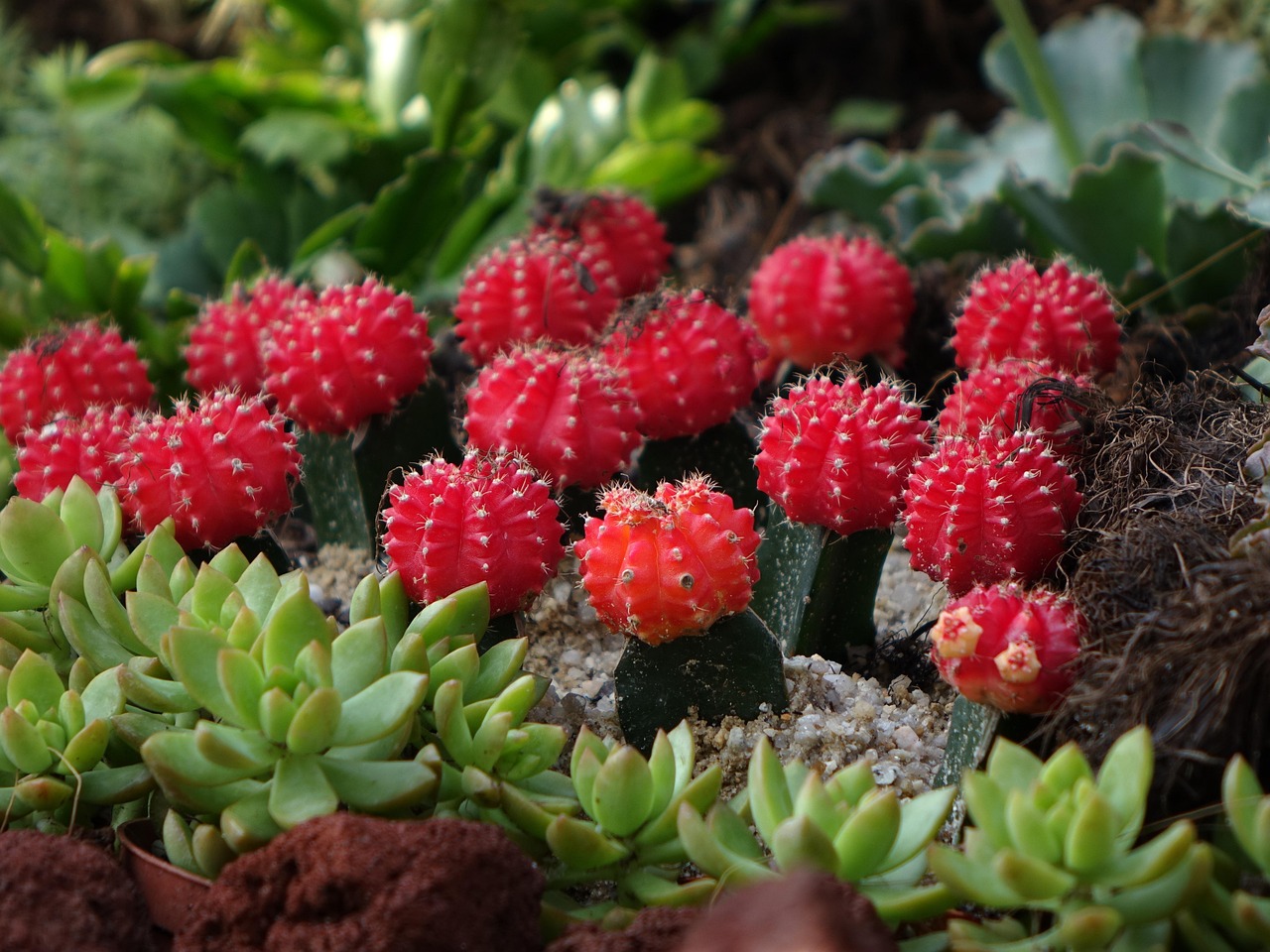
A proper cactus soil mix ratio prioritizes rapid drainage and minimal moisture retention, typically blending inorganic grit with a small fraction of organic matter to mimic arid native habitats. Understanding this balance prevents root rot, supports structural stability, and ensures that water flushes through the root zone quickly without lingering near sensitive succulent tissues.
Creating an effective substrate requires careful attention to the physical properties of each component. By balancing water-shedding minerals with modest nutrient sources, indoor gardeners can recreate the natural growing conditions that desert and arid-adapted plants require to thrive over the long term.
Understanding Cactus Soil Fundamentals
Native Habitat Mimicry
Desert and arid environments feature rocky, sandy ground that sheds heavy downpours instantly. Organic material is sparse, meaning native cacti adapt to lean, highly aerated substrates. Replicating this condition indoors requires shifting away from dense standard potting soils, which retain excessive moisture. A proper cactus soil mix ratio ensures roots receive constant oxygen, preventing the suffocation and fungal proliferation that commonly occur in heavy peat-based commercial mixes.
The Dangers of Standard Potting Soil
Standard indoor potting soils often rely heavily on peat moss, compost, or aged bark. While excellent for tropical foliage, these components hold water like a sponge. When enclosed in a typical ceramic or plastic pot, standard soil stays wet for days or weeks. Cacti and succulents subjected to this prolonged dampness develop root rot rapidly. Adjusting the cactus soil mix ratio introduces large particles that create air pockets, speeding up the drying process significantly.
The Role of Aeration in Root Health
Roots need oxygen to function properly and absorb vital nutrients from their environment. Compacted, wet soil suffocates root tissue, halting growth and creating an entry point for destructive pathogens. Porous materials embedded in a custom mix maintain continuous air channels deep within the container. Maintaining an optimized cactus soil mix ratio guarantees that oxygen reaches the deepest roots even immediately after a thorough watering session.
Standard Components of a Custom Mix
Organic Matter and Nutrient Sources
Organic matter supplies basic nutrients and mimics the sparse forest litter or decomposed brush found in arid regions. Standard choices include well-aged leaf mold, coco coir, or low-nutrient compost. In a balanced cactus soil mix ratio, organics should constitute a minor fraction—typically ten to thirty percent of the total volume. Too much organic material retains unwanted moisture and breaks down over time, compacting the substrate layers.
Inorganic Drainage Grits
Inorganic grit forms the bulk of a high-performance succulent substrate. Materials like coarse builder’s sand, crushed granite, or fine gravel add weight and structural stability while creating large pore spaces. Unlike organic amendments, these mineral components do not degrade or pack down. Incorporating them heavily into your cactus soil mix ratio ensures long-term drainage efficiency without requiring constant medium replacements every single growing season.
Porous Moisture-Regulating Minerals
Porous minerals like pumice, perlite, and expanded shale offer a unique dual benefit. They are lightweight, highly porous, and capable of holding microscopic amounts of water internally while shedding excess liquid externally. Pumice is especially favored because it does not float to the surface like perlite during watering. Selecting the right porous minerals defines the efficiency of any specific cactus soil mix ratio you decide to blend.
Choosing the right sand to soil ratio ensures your substrate remains porous and fast-draining.
Balancing the correct sand to soil ratio for succulents helps create a gritty texture that mimics desert conditions.
Calculating the Ideal Cactus Soil Mix Ratio
The Standard Mineral Blend
For many desert cacti, a lean substrate works best in home environments. This approach typically combines thirty percent organic potting mix with seventy percent coarse inorganic grit, such as pumice or perlite. This balanced cactus soil mix ratio delivers enough organic material to sustain slow growth while providing rapid drainage that satisfies most genera, including Echinopsis, Mammillaria, and Ferocactus. It serves as an ideal baseline for beginners seeking predictable results.
Adjusting for Epiphytic and Jungle Cacti
Not all cacti originate from arid deserts; jungle species like Schlumbergera or Epiphyllum grow on trees as epiphytes. These plants require a modified cactus soil mix ratio with a much higher organic component, such as fifty percent orchid bark, twenty percent peat-free compost, and thirty percent perlite. This richer, looser substrate provides the moisture and humidity retention jungle species naturally experience in high tropical forest canopies.
Fine-Tuning for High-Humidity Environments
Indoor humidity significantly impacts daily soil drying rates. In damp climates or poorly ventilated rooms, soil stays wet much longer than anticipated. Growers can adapt by shifting the cactus soil mix ratio toward an even leaner blend—perhaps twenty percent organic matter and eighty percent total inorganic material. Increasing the ratio of coarse sand and pumice prevents the medium from holding ambient moisture, protecting delicate root systems from accidental over-saturation.
When preparing your components, understanding the proper soil ratio for succulents helps prevent moisture retention issues.
When determining your specific planting needs, getting the right soil ratio for succulents ensures proper drainage and prevents root rot.
Mixing, Blending, and Sterilizing Substrates
Sourcing Clean Components
When gathering ingredients for your custom blend, cleanliness matters significantly. Avoid using unwashed beach sand, which contains high salt levels that burn plant roots. Similarly, garden soil from the yard often harbors fungal spores, weed seeds, and pest larvae. Always select bagged, commercially verified amendments like horticultural pumice, coarse perlite, and clean coco coir to ensure your finished cactus soil mix ratio remains sterile and chemically balanced for indoor use.
Measuring and Thorough Blending Techniques
Accurate measurement prevents formulation errors when combining dry ingredients. Use a simple scoop or bucket to measure proportions by volume rather than weight. Pour the components into a large, clean tub or wheelbarrow. Mix the ingredients thoroughly using a trowel or gloved hands until the organic matter and inorganic grit are evenly distributed throughout the batch. An inconsistent cactus soil mix ratio creates uneven pockets of moisture within the planting container.
Pre-Moistening Before Potting
Dry, highly mineralized substrates often repel water initially, causing liquid to run straight down the inner pot edges without wetting the center. Before placing a plant into your new cactus soil mix ratio, lightly mist the dry blend and mix it again until it feels like a damp sponge. This pre-moistening step ensures uniform hydration and helps settle the particles securely around the root system during the initial planting process.
Adjusting your perlite to soil ratio during blending improves overall aeration throughout the root zone.
During the preparation phase, adjusting the perlite to soil ratio for succulents improves overall aeration in your containers.
Assessing Drainage and Container Interaction
The Critical Importance of Drainage Holes
No matter how precise your cactus soil mix ratio is, poor container design will cause plant failure. Pots must feature functional bottom drainage holes to allow excess water to escape completely. Lacking drainage holes, heavy water accumulates at the bottom, creating a perched water table that rots roots instantly. Saucers placed under pots should also be emptied promptly after watering to prevent stagnant moisture reabsorption by the soil medium.
Container Material Considerations
The type of pot influences soil drying times across different environments. Unglazed terracotta and unsealed ceramic pots are porous, allowing moisture to evaporate through the container walls. This characteristic complements any custom cactus soil mix ratio by accelerating dry-down cycles. Conversely, glazed ceramics, plastic, and metal pots trap moisture longer. Growers using non-porous containers must rely entirely on a faster-draining mineral mix to compensate for reduced side-wall evaporation.
Evaluating Water Flow and Settling
After potting your plant in the fresh cactus soil mix ratio, perform an initial watering test. Water should flow freely out of the bottom holes within seconds of application. If water puddles on the surface or drains sluggishly, the medium contains too much fine dust or organic material. Over time, smaller particles may settle downward, so periodically inspect container drainage to ensure long-term aeration remains uncompromised.
Frequently Asked Questions
Can I use regular garden dirt for my cactus mix?
No, regular garden dirt is entirely unsuitable for cactus cultivation. It tends to compact heavily, lacks adequate aeration, and usually harbors weed seeds, pest larvae, and fungal pathogens. Using unamended garden soil in a container setting creates a dense trap that prevents proper drainage, rapidly leading to fatal root rot in drought-adapted succulent species.
Is perlite better than pumice in a cactus soil mix ratio?
Both perlite and pumice improve aeration and drainage, but they behave differently. Perlite is lightweight and tends to float to the top of the pot over time during watering sessions. Pumice is denser, heavier, and remains permanently distributed throughout the substrate. While perlite is budget-friendly, pumice provides superior structural stability for a long-lasting cactus soil mix ratio.
How often should I replace my potted cactus soil?
Potted cactus soil typically needs replacement every two to three years. Over time, organic components break down into fine dust, and mineral salts accumulate from tap water, which can damage sensitive roots. Repotting into a fresh cactus soil mix ratio rejuvenates nutrient availability, restores optimal aeration, and gives growing root systems room to expand properly.
Why does water run straight through my cactus pot instantly?
If water runs through instantly without wetting the medium, the substrate has likely become hydrophobic from extreme dryness. Extremely dry peat or coco coir repels initial moisture. To fix this, submerge the entire pot in a basin of water for twenty minutes until the root ball is thoroughly hydrated, ensuring your cactus soil mix ratio regains its normal moisture-retention properties.
Do I need to sterilize homemade cactus soil components?
Sterilizing homemade or gathered components is recommended if you incorporate natural garden materials like leaf mold or unbagged sand. Baking moist soil in an oven at low heat for a short period kills weed seeds and soil-borne pests. However, commercially purchased bagged amendments like pumice, perlite, and coco coir are generally clean and require no additional sterilization steps.
Can I add fertilizer directly into my dry cactus soil mix?
Mixing granular fertilizer directly into a custom substrate is generally discouraged. Cacti require very low nutrient levels, and concentrated fertilizer pockets can easily burn delicate root tips. Instead, rely on the minimal natural nutrients present in the organic fraction of your cactus soil mix ratio, and dilute a balanced, low-nitrogen liquid fertilizer during active spring growth if required.