Discover professional methods to identify, eliminate, and prevent fungal growth in your indoor containers. These technical strategies protect plant health without harsh chemical treatments.
Key Takeaway:
Fungal spores thrive in excessive moisture and poor ventilation, meaning you must adjust watering habits and increase airflow to permanently eliminate recurring soil mold.
Quick-Reference Guide
| Factor / Scenario | Recommended Target | Why It Matters |
|---|---|---|
| Soil Moisture Level | Top 2 inches dry | Prevents surface fungal colonization |
| Ambient Humidity | Below 50 percent | Slows mycelium and spore germination |
| Air Circulation | Gentle, continuous draft | Evaporates stagnant surface moisture rapidly |
| Container Drainage | Unobstructed bottom holes | Prevents waterlogged root zone conditions |
| Organic Matter | Well-composted, fine bark | Reduces dense decaying organic debris |
| Light Exposure | Bright, indirect sun | Natural UV light suppresses fungal activity |
Identifying Fungal Growth on Container Soil
Spotting fungal colonization early prevents widespread damage to your container plants. You will typically notice fuzzy white patches or grey powder resting directly on the topsoil layer.
Unlike mineral salt accumulations, which appear crusty and hard, mold feels soft and velvety to the touch. These saprophytic organisms feed purely on decomposing organic matter within the mix.
While harmless to established mature plants, heavy surface colonies signal overly wet growing conditions. Ignoring these initial visual cues often leads to root rot and severe plant decline.
Distinguishing between harmless saprophytic fungi and parasitic root pathogens is essential for container gardeners. Saprophytic molds stay on the surface, whereas dangerous pathogens attack deep root tissues.
- Check for fluffy white, yellow, or grey surface patches.
- Distinguish soft fungal threads from hard fertilizer salt crusts.
- Inspect the top two inches of substrate regularly under bright light.
- Note any musty, earthy odors emanating from the container rim.
Visual Signs Versus Salt Buildup
Mineral crusts from hard tap water look crystalline and brittle. In contrast, true mold exhibits a fine, web-like mycelium network spreading across organic bits.
Rubbing a small sample between gloved fingers reveals the truth. Salt dissolves instantly in water, while mold smears or retains its fuzzy fibrous texture.
- Test suspect patches with a drop of clean water.
- Look for fibrous hyphae strands under magnification.
Primary Environmental Drivers Behind Soil Mold
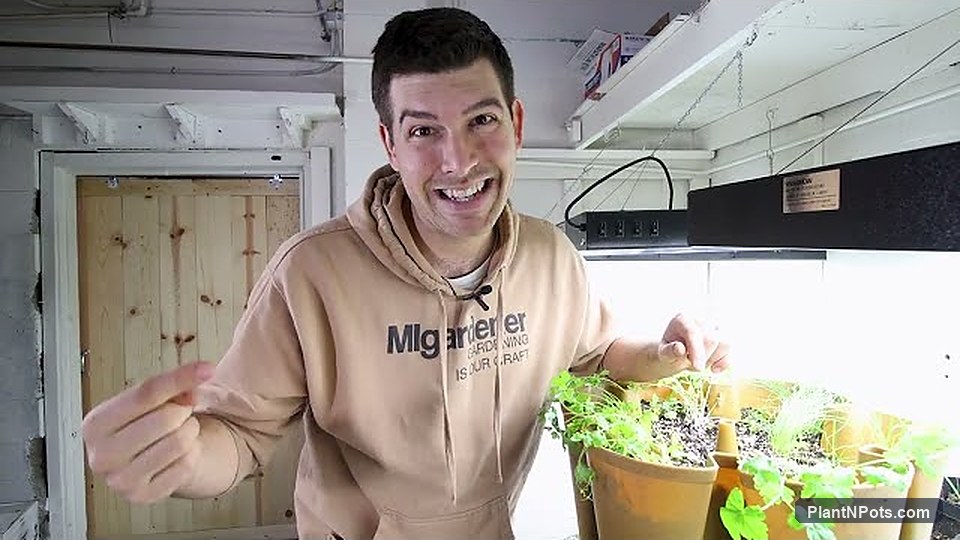
Fungal spores are naturally present in every indoor environment and normal potting mixes. They remain completely dormant until specific environmental triggers activate rapid microscopic spore germination.
Excessive moisture serves as the single largest catalyst for sudden indoor fungal blooms. When soil stays continuously saturated, oxygen depletes and anaerobic fungi multiply exponentially.
Poor indoor ventilation creates stagnant microclimates directly above your potted plants. Without moving air, surface humidity remains trapped, encouraging persistent fuzzy mold colonization.
Low light levels combined with cool temperatures slow down plant transpiration rates dramatically. This means the soil retains water much longer, extending the window for fungal growth.
- High relative humidity promotes airborne spore germination.
- Stagnant indoor air traps moisture around the pot rim.
- Overly dense organic substrates hold water for too long.
- Cool ambient temperatures delay natural evaporation cycles.
The Role of Poor Air Circulation
Still indoor air allows microscopic spores to settle undisturbed on moist potting mix surfaces. Introducing a small oscillating fan disrupts these stagnant pockets immediately.
Placing plants in cramped corners restricts vital airflow around containers. Spacing your houseplants properly ensures adequate ventilation across every exposed soil surface.
- Use small desk fans to keep indoor air gently moving.
- Avoid crowding multiple large planters in tight corners.
Video Walkthrough: Mold Isn't Killing Your Plants – THIS IS! Grow Successfully Indoors Without Crazy Chemicals
Root Causes for Indoor Potted Plant Outbreaks
Indoor environments present unique challenges that frequently trigger unexpected container mold outbreaks. Homes are insulated, trapping humidity and reducing natural air exchange rates significantly.
Frequent shallow watering keeps topsoil perpetually damp without hydrating deeper roots. Pairing proper irrigation with the best indoor planter and stand prevents surface-dwelling fungi from aggressively colonizing.
Using cheap potting mixes containing uncomposted forest products introduces excessive decaying debris. High amounts of raw wood fragments provide an abundant food source for hungry saprophytic fungi.
Overpotting small plants into massive containers creates massive pockets of unused soil. This surplus substrate stays wet for weeks, creating ideal breeding grounds for unwanted mold.
- Shallow, frequent watering leaves topsoil damp constantly.
- Low-quality soil mixes contain raw, uncomposted wood bits.
- Oversized pots hold excess moisture away from active roots.
- Indoor heating systems circulate dry air but leave soil humid.
Substrate Composition and Organic Matter
The exact ingredients inside your potting mix dictate its fungal susceptibility. Mixes heavy in peat moss and compost retain moisture far longer than gritty mixes.
Amending heavy commercial soils with coarse perlite or pumice improves drainage. This simple physical adjustment prevents moisture from lingering on the substrate surface.
- Incorporate inorganic materials like perlite or coarse sand.
- Select high-grade, fully sterilized commercial potting substrates.
Immediate Eradication Techniques for Contaminated Substrates
When active mold appears, immediate physical removal is necessary. Start by scraping away contaminated top layers using a clean spoon before setting up your [best soil for large planters](https://plantnpots.com/?p=3571).
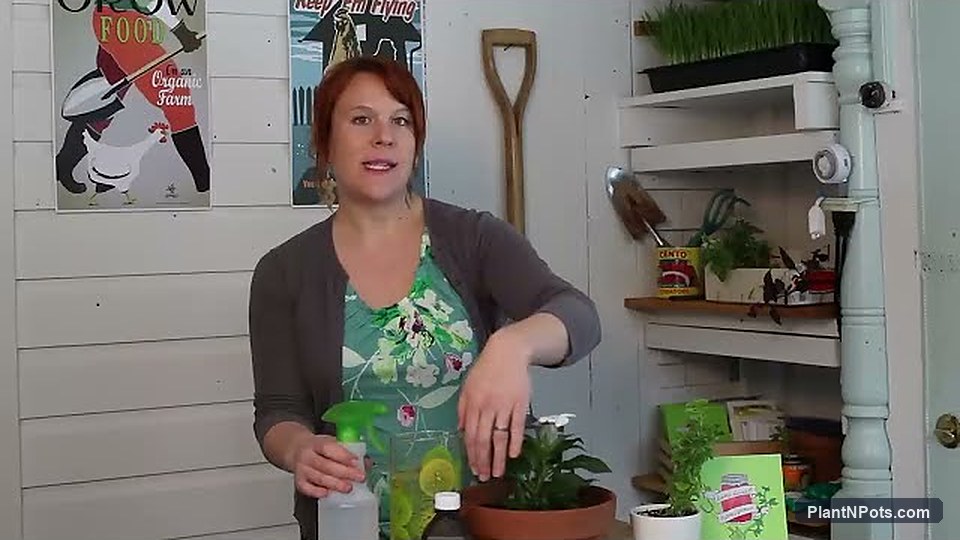
Dispose of the scraped moldy material securely in an outdoor trash bin. This removes millions of microscopic spores before they release into your living space.
Dusting the freshly exposed soil surface with cinnamon powder offers an effective natural remedy. Cinnamon possesses strong natural antifungal properties that inhibit secondary spore germination safely.
Avoid using harsh chemical fungicides indoors unless facing severe agricultural infestations. Natural mechanical removal combined with cultural adjustments solves most household container mold issues.
- Scrape off the top inch of moldy soil carefully.
- Apply organic ground cinnamon across the fresh soil surface.
- Allow the remaining topsoil to dry out thoroughly between waterings.
- Sanitize all gardening tools used during the removal process.
Natural Antifungal Treatments
Diluted hydrogen peroxide solutions can neutralize stubborn soil mold effectively. Mix one part three percent peroxide with four parts water and mist the surface.
This mild solution fizzes upon contact with organic matter, oxidizing fungal cell walls safely. It breaks down quickly into harmless water and oxygen molecules.
- Dilute standard three percent hydrogen peroxide properly.
- Spray affected soil gently to avoid disturbing delicate roots.
Long-Term Cultural Adjustments to Fix Chronic Issues
Eliminating current mold provides only temporary relief without permanent cultural changes. You must modify your core plant care routine to prevent recurring seasonal outbreaks.
Adopt the soak-and-dry method for all moisture-sensitive potted houseplants. Always test the soil moisture depth with your finger before applying any fresh irrigation water.
Ensure your decorative planters feature functional drainage holes at the base. Standing water in cachepots keeps the root ball saturated and fuels persistent fungal growth.
Increase ambient light exposure by moving plants closer to bright windows. Natural sunlight helps dry out topsoil rapidly and suppresses unwanted microbial colonization.
- Water thoroughly only when the top two inches are dry.
- Empty saucers and cachepots within minutes of watering.
- Transition plants to locations with better natural sunlight.
- Adjust watering frequencies downward during cooler winter months.
Optimizing Watering Frequencies
Never water plants on a rigid calendar schedule. Environmental conditions dictate how fast soil dries out inside your specific living space.
Lift your containers regularly to gauge their weight accurately. A lightweight pot indicates dry substrate, while a heavy pot signals retained moisture.
- Check soil moisture manually before every watering session.
- Use container weight as a reliable indicator of saturation.
Video Walkthrough: EFFECTIVELY KILL Moldy Top Soil | Treating Mold On Plant Soil | Houseplant Care Tips | Plant Care
Proactive Substrate Modifications to Stop Future Spores
Upgrading your potting soil formulation prevents future fungal spores from gaining a foothold. Avoid dense, moisture-retentive mixes unless growing plants that specifically demand bog-like conditions.
Blend inorganic aeration amendments directly into your fresh potting media. Adding horticultural grit, coarse perlite, or expanded clay pebbles creates rapid drainage pathways.
Top-dressing your containers with fine gravel changes the surface microclimate. Utilizing the [best planter for tomatoes](https://plantnpots.com/?p=3573) with this inorganic barrier keeps organic particles safely isolated from ambient humidity.
Ensure any homemade compost or garden soil is fully sterilized before use. Baking or solarizing organic components destroys dormant fungal spores before they enter containers.
- Mix 20 to 30 percent perlite into standard potting soils.
- Apply a clean, inorganic top-dressing like pea gravel.
- Avoid using raw, uncomposted organic yard waste in pots.
- Sterilize reusable potting soil via thermal heat treatment.
Using Inorganic Top-Dressings
Spreading a thin layer of fine gravel over the soil completely hides damp organic surfaces. This physical barrier stops airborne spores from landing on moist substrate.
Inorganic top-dressings also dry out much faster than organic potting mixes. This eliminates the damp habitat that saprophytic fungi require to thrive.
- Choose clean pea gravel or horticultural sand.
- Keep the top-dressing layer thin to maintain gas exchange.
Advanced Container Hygiene and Airflow Protocols
Maintaining rigorous container hygiene stops fungal spores from cycling through your indoor garden. Wash and sterilize all recycled pots thoroughly before planting new specimens.
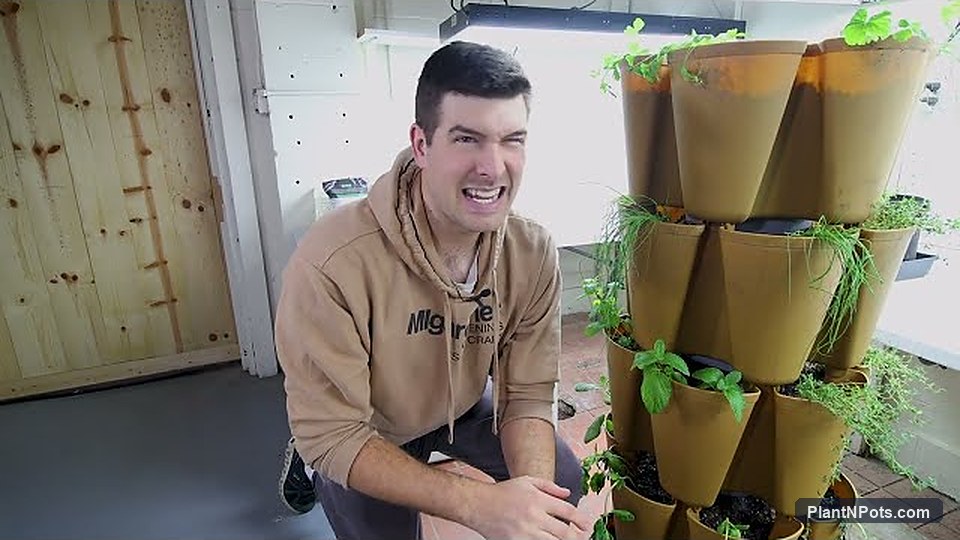
Soak used plastic or terracotta pots in a solution of household bleach and water. Scrub away all residual organic debris clinging to the interior walls and drainage holes.
Position your indoor containers to maximize natural cross-ventilation across rooms. Opening windows on mild days flushes out stagnant air and reduces indoor relative humidity levels.
Monitor indoor humidity using a digital hygrometer placed near your plant collection. Keeping relative humidity below optimal fungal thresholds protects your entire urban jungle.
- Scrub recycled pots with soapy water and disinfectant.
- Rinse containers thoroughly before adding fresh potting mix.
- Circulate indoor air continuously using small electric fans.
- Track room humidity levels with an inexpensive hygrometer.
Sanitizing Pots and Tools
Pathogens and fungal spores easily cling to unwashed nursery pots. Always disinfect tools and containers between planting tasks to prevent cross-contamination.
A ten percent bleach solution kills residual spores effectively within ten minutes. Rinse containers with clean water before introducing sensitive plant roots.
- Soak pots in a mild bleach and water solution.
- Wipe pruning shears with isopropyl alcohol after use.
Frequently Asked Questions
Is white mold on potting soil harmful to my houseplants?
Most surface molds are harmless saprophytic fungi that feed only on decaying matter. However, their presence indicates excessive soil moisture that can eventually cause root rot.
Can I simply scrape the mold off the top of the soil?
Yes, scraping off the top inch removes millions of dormant spores instantly. Follow this by sprinkling ground cinnamon across the fresh surface to prevent recurrence.
Why does mold keep returning even after I remove it?
Mold returns because underlying environmental triggers remain unaddressed. You must improve air circulation and let the topsoil dry out completely between watering sessions.
Does cinnamon really kill mold in potted plant soil?
Cinnamon is a potent natural antifungal spice that halts spore germination. Dusting a thin layer over damp soil safely suppresses mild fungal outbreaks without harming roots.
How can I prevent mold from growing in my indoor plant pots?
Prevent mold by using well-draining soil mixes amended with perlite. Always allow the top two inches of substrate to dry completely before applying any water.

