Master the hidden mechanics of sub-irrigation containers. Keep indoor and outdoor greenery consistently hydrated without guesswork.
Key Takeaway:
Self-watering planters pull water upward from a base reservoir using capillary action, delivering constant moisture directly to plant roots safely and efficiently every single day.
Quick-Reference Guide for Sub-Irrigation
| Factor / Scenario | Recommended Target | Why It Matters |
|---|---|---|
| Reservoir Capacity | 10 to 20 percent of pot volume | Ensures adequate supply between refills. |
| Wicking Material | Nylon, polyester, or terracotta | Maximizes vertical water transport. |
| Soil Mix Texture | Light, porous, and well-aerated | Prevents root rot and compaction. |
| Refill Frequency | Every 5 to 14 days | Keeps moisture levels completely stable. |
| Flush Interval | Every 4 to 6 weeks | Removes salt buildup in upper soil. |
| Ideal Plants | Heavy drinkers like tomatoes | Matches continuous moisture delivery. |
The Core Mechanics of Sub-Irrigation Systems
Traditional planters require overhead watering, which often leads to dry pockets or soggy soils. Self-watering designs eliminate this unpredictability by delivering moisture from the bottom up through an integrated liquid reservoir.
Located beneath the main growing compartment, this hidden basin holds a significant volume of liquid. Plants draw what they require naturally through physical forces, matching their individual uptake rates without human intervention.
- Isolates water supply beneath the root zone
- Prevents surface evaporation losses significantly
- Reduces watering frequency during warm summer months
- Maintains steady root moisture without waterlogging
Understanding the Bottom-Up Approach
Roots naturally grow downward toward moisture sources in natural environments. Sub-irrigation mimics this phenomenon by encouraging deep, robust root systems that thrive near the base of the container.
This targeted approach prevents surface soil crusting and minimizes fungus gnat infestations by keeping the topmost soil layer relatively dry between routine reservoir maintenance checks.
- Encourages downward root structural growth
- Keeps surface soil dry and pest-free
Anatomy and Internal Parts of Modern Planters
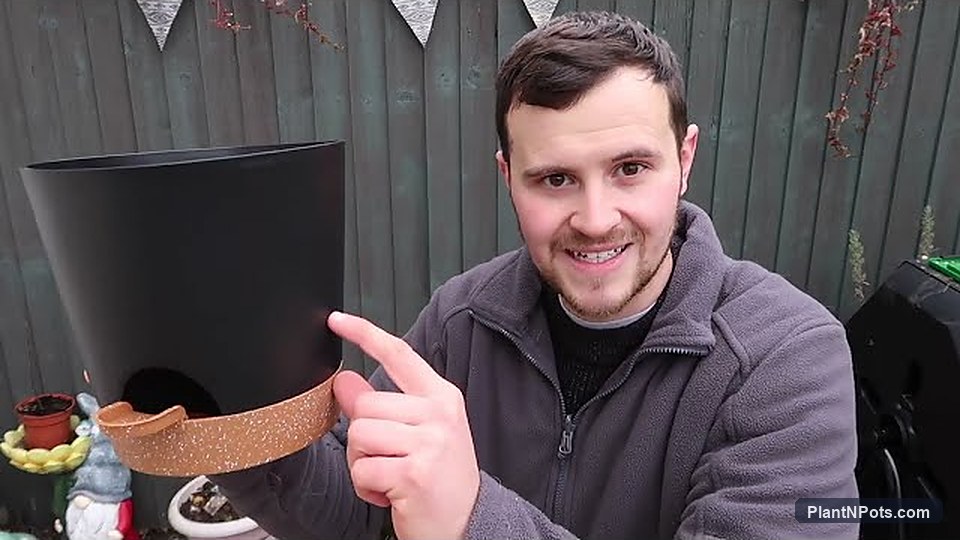
To upgrade your indoor urban garden, consider investing in reliable large self-watering planters featuring durable construction. Every functional container relies on a hidden water reservoir positioned safely at the very bottom.
A fill tube extends from the surface directly down to the hidden basin, allowing gardeners to add liquids without disturbing delicate foliage or disturbing the upper root zone structure.
- Base reservoir holds the liquid reserve
- Aeration screen provides oxygen space below soil
- Fill tube allows direct bottom-level pouring
- Overflow drain prevents accidental overfilling disasters
The Role of the Aeration Screen
A sturdy plastic divider separates the lower water chamber from the upper soil compartment. This partition creates an air gap that supplies essential oxygen to the lower root system.
Without this crucial oxygen pocket, submerged roots would quickly suffocate and succumb to anaerobic bacteria, rotting the entire plant from the base upward during normal operation.
- Creates vital oxygen gap for roots
- Supports weight of potting soil safely
Video Walkthrough: How To Use Self Watering Plant Pots In Your Garden – The pro and the cons explained
The Physics of Capillary Action and Wicking
Capillary action is the primary scientific principle driving these innovative garden containers. Water molecules naturally adhere to solid surfaces and to each other, defying gravity to travel upward through narrow channels.
Wicking columns or fabric strips bridge the gap between the lower reservoir and the potting mix. These absorbent materials continuously draw moisture upward as the surrounding soil dries out naturally.
- Relies on natural adhesive and cohesive forces
- Wicks moisture upward against gravity pull
- Responds dynamically to plant thirst levels
- Stops drawing water when soil reaches saturation
Selecting Effective Wicking Materials
Synthetic fibers like nylon and polyester make exceptional wicking agents because they resist rotting. Natural cotton works initially but degrades rapidly inside wet, microbe-rich potting environments over time.
Some high-end ceramic planters utilize porous terracotta cones that absorb and release moisture evenly across a wider horizontal surface area within the container interior.
- Use rot-resistant synthetic wicking cords
- Avoid untreated natural cotton strings
Step-by-Step Guide to Filling and Operating
Proper setup ensures your sub-irrigation container functions correctly from day one, much like traditional [small clay flower pots](https://plantnpots.com/?p=1087). Always water the potting mix from the top during initial planting to settle soil.
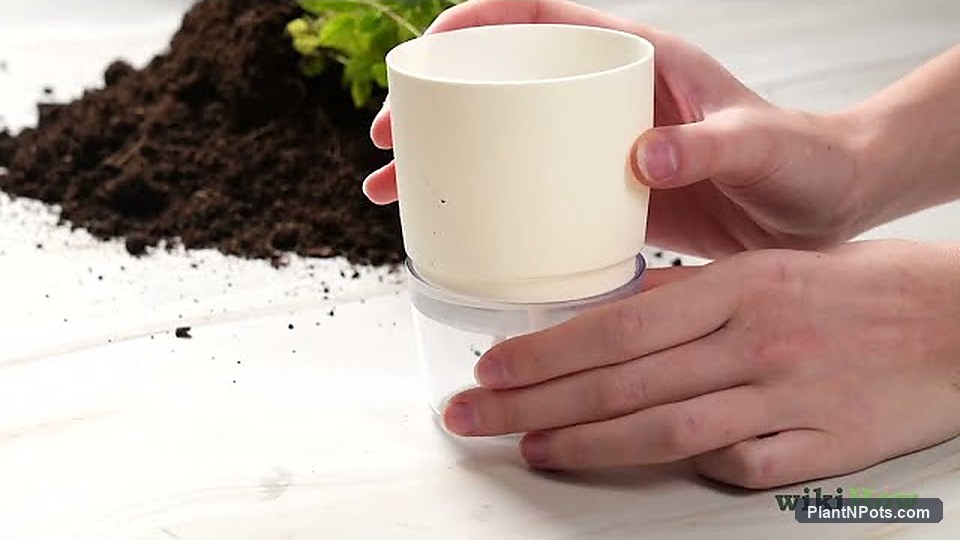
Allow the upper layers to dry slightly before filling the lower reservoir through the access tube. This transition teaches the plant roots to seek moisture downward toward the wicking zone.
- Water from top initially to settle roots
- Fill lower basin slowly via access tube
- Monitor water level indicator floats carefully
- Allow partial dry cycles between refills
Monitoring the Water Level Indicator
Most commercial planters feature a physical red float or gauge attached to a hollow tube. When this indicator drops to the minimum line, it signals that the reservoir is empty.
Refill the chamber gradually until the marker reaches maximum capacity, taking care not to force excessive liquid past the overflow port built into the outer container wall.
- Check float gauge weekly during active growth
- Stop pouring when indicator hits maximum
Ideal Plant Varieties for Self-Watering Pots
While many heavy drinkers thrive in sub-irrigation systems, certain [evergreen shrubs for pots](https://plantnpots.com/?p=3525) also enjoy consistent moisture. Vegetables like tomatoes and peppers produce exceptional yields when provided with an uninterrupted water supply.
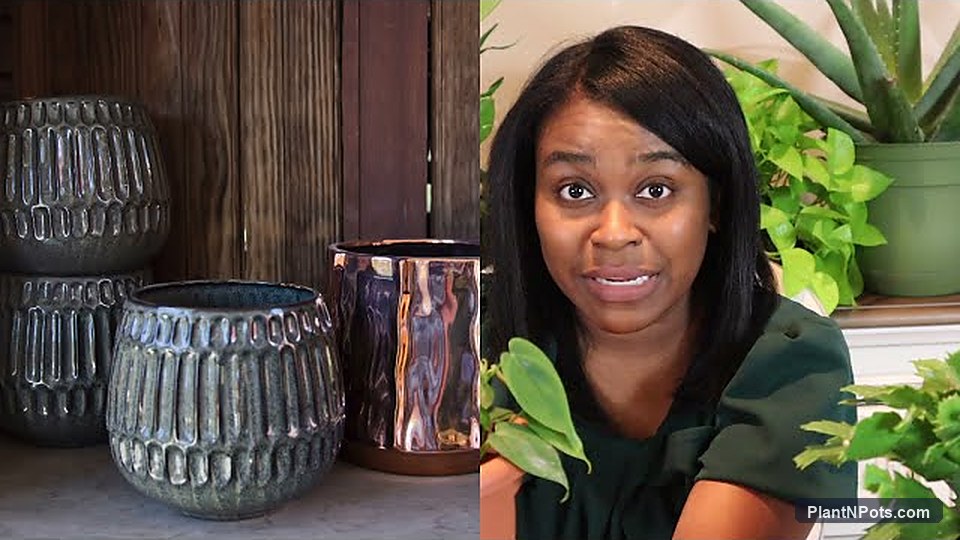
Lush tropical foliage plants such as ferns, peace lilies, and calatheas also benefit immensely from the elevated humidity and consistent root moisture maintained by these specialized containers.
- Vegetables: Tomatoes, peppers, and leafy greens
- Tropicals: Ferns, peace lilies, and monsteras
- Annuals: Petunias, impatiens, and begonias
- Herbs: Mint, basil, and cilantro varieties
Plants to Avoid in Sub-Irrigation
Succulents, cacti, and desert natives generally struggle in constant-moisture environments. These species require complete dry-out periods between watering sessions to prevent fatal root rot conditions.
Lavender, rosemary, and succulents prefer well-draining terracotta pots where excess moisture evaporates quickly through porous clay walls rather than lingering near delicate root systems.
- Skip cacti and desert succulents entirely
- Avoid Mediterranean herbs needing dry soil
Video Walkthrough: Types of pots
Routine Maintenance and Troubleshooting Moisture Issues
Even low-maintenance containers require periodic checks to prevent long-term problems. Mineral salts from fertilizers can accumulate in the upper soil layers, requiring a top-down flush every few weeks.
Pour fresh water through the entire soil profile until it escapes the overflow drain, washing away accumulated mineral deposits that might otherwise burn sensitive root tips over time.
- Flush topsoil monthly to remove salt buildup
- Clean algae from reservoirs annually outdoors
- Inspect wicking strips for mineral clogging
- Empty basins before winter freezing temperatures
Resolving Algae and Odor Problems
Enclosed dark reservoirs occasionally develop algae or stagnant odors if left stagnant too long. Ensure your fill tube has a secure cap to block light entry and prevent airborne spores.
If odors develop, flush the entire system with a mild hydrogen peroxide solution, rinse thoroughly with clean water, and let the basin air out before refilling.
- Keep reservoir fill caps securely closed
- Flush with diluted hydrogen peroxide if needed
Benefits and Limitations in Container Gardens
Sub-irrigation planters offer incredible convenience for busy gardeners and frequent travelers. They drastically reduce water consumption by minimizing surface evaporation and ensuring every drop reaches the root zone directly.
However, upfront costs are higher than standard plastic pots, and heavy rainfall can flood outdoor units if overflow ports become blocked by stray potting soil or debris.
- Saves time and reduces water waste
- Prevents drought stress during hot weather
- Higher initial purchase cost than pots
- Requires clear overflow ports outdoors
Weather Considerations for Outdoor Units
Outdoor self-watering pots need uncovered overflow holes so heavy rain can escape freely. Trapped rainwater combined with saturated soil can quickly drown outdoor plants during prolonged wet spells.
Move sensitive container setups under protective eaves during severe tropical storms or torrential downpours to keep the internal moisture levels balanced and prevent root suffocation.
- Keep outdoor overflow ports completely unblocked
- Relocate pots during torrential storm events
Frequently Asked Questions
How often should I refill the water reservoir in my self-watering planter?
Refill frequency depends on plant size, temperature, and container volume. Check the indicator every 5 to 7 days during peak summer warmth, extending to two weeks in cooler weather.
Can I use standard garden soil inside a self-watering pot?
Never use heavy garden soil because it compacts and disrupts capillary action. Always choose a light, porous potting mix containing perlite and peat moss for optimal wicking performance.
Do self-watering pots cause root rot in houseplants?
They only cause root rot if the potting mix is too dense or lacks aeration. Maintaining an air gap and using light growing media prevents suffocating stagnant water conditions entirely.
How do I fertilize plants growing in sub-irrigation containers?
Mix water-soluble nutrients directly into the reservoir or apply slow-release granules to the topsoil. Flush the upper soil layer every four weeks to prevent mineral salt burn.
Are self-watering planters suitable for growing outdoor vegetables?
They are exceptionally well-suited for heavy-feeding vegetables like tomatoes and peppers. The consistent moisture delivery prevents blossom end rot and ensures abundant seasonal harvests reliably.

