Master the delicate process of upgrading your indoor tree. This comprehensive manual ensures your Ficus lyrata thrives in its new home.
Key Takeaway:
Always select a container just 2 inches larger in diameter and use a fast-draining potting mix to prevent fatal root rot.
Quick-Reference Guide for Fiddle Leaf Fig Repotting
| Factor / Scenario | Recommended Target | Why It Matters |
|---|---|---|
| Container Size Increase | 2 inches wider | Prevents overwhelming soil moisture retention |
| Optimal Season | Late spring to early summer | Aligns with active natural growth cycles |
| Soil pH Range | 6.0 to 6.5 slightly acidic | Optimizes nutrient absorption across roots |
| Drainage Requirements | Minimum one central hole | Prevents standing water and root rot |
| Watering Frequency After | Deep soak, then dry out | Encourages deep root expansion downward |
| Fertilization Pause | Wait 6 to 8 weeks | Protects sensitive recovering root hairs |
Recognizing When Your Ficus Lyrata Needs a Larger Vessel
Fiddle leaf figs eventually outgrow their containers, demanding a fresh, appropriately sized vessel. Look for circling roots at the drainage holes or slowed seasonal growth to confirm the exact timing for an upgrade.
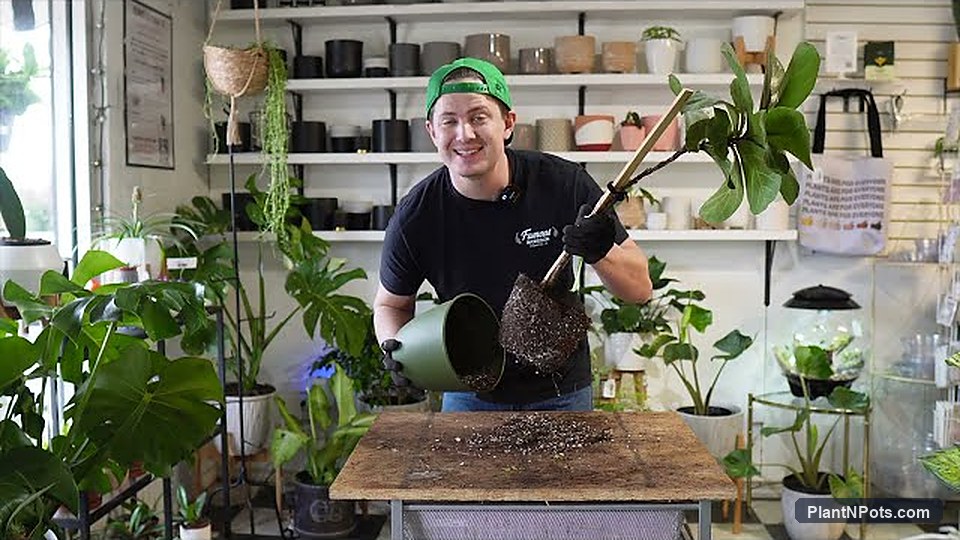
Indoor specimens typically require repotting every two to three years. Younger plants growing rapidly may need an annual shift, while mature trees prefer stability and longer intervals between container changes.
Inspect the soil surface closely for a dense mat of fibrous roots. If water runs straight through the pot without dampening the medium, the root ball has completely consumed the available interior space.
Ignoring these physical indicators leads to nutrient lockout and stunted canopy development. Providing fresh soil restores vital mineral availability and gives aggressive root systems adequate room for healthy structural expansion.
Spotting rootbound indicators early prevents severe plant decline. Look for thick roots emerging from the bottom drainage holes or circling tightly inside the container walls.
Growth deceleration during the peak spring season often signals restricted root space. When watering intervals drop below five days consistently, your plant has likely outgrown its current potting medium.
Gently slide the root ball out to inspect soil density. Choosing suitable containers like the [best cactus for outdoor pots](https://plantnpots.com/?p=3109) ensures proper drainage before you upgrade your restricted medium.
Avoid repotting dormant plants during winter months. Wait until ambient indoor temperatures stabilize consistently between 65 and 75 degrees Fahrenheit for optimal root recovery speed.
- Check drainage holes monthly for protruding roots.
- Observe canopy leaf size for sudden reductions.
- Note if the potting mix dries out within two days.
- Evaluate overall plant stability within the current pot.
Seasonal Timing Considerations
Initiate container upgrades during late spring or early summer. During these warm months, the plant enjoys peak metabolic activity and rapid recovery rates.
Avoid disturbing root systems during winter dormancy. Low light levels and cool indoor temperatures severely hamper the delicate healing process required after major root disruption.
- Target May through July for optimal results.
- Never repot a stressed or recovering specimen.
Essential Tools and Soil Amendments for Safe Repotting
Gather all necessary equipment before unpotting your prized specimen to minimize root exposure time. Having sharp shears, fresh soil, and a suitable container ready ensures a smooth and efficient workflow.
Select a pot featuring at least one unobstructed drainage hole at the base. Terracotta pots offer excellent breathability, while glazed ceramic and plastic retain moisture significantly longer for busy growers.
Prepare a specialized soil blend tailored specifically for tropical trees. A standard houseplant mix often retains too much water, suffocating sensitive root structures and inviting fungal pathogens into the container.
Incorporate generous amounts of coarse perlite or horticultural grit into your base medium. This guarantees rapid drainage and maintains essential air pockets throughout the root zone for optimal respiration.
Gather heavy-duty pruning shears, fresh potting soil, and a slightly larger container. Sterilize all cutting edges using isopropyl alcohol to prevent introducing harmful bacterial pathogens.
Ficus lyrata requires an aerated soil mix with excellent moisture retention. Combine standard potting soil with coarse perlite and orchid bark to mimic natural tropical forest floors.
Incorporate worm castings into the new substrate blend for slow-release nutrients. Avoid heavy garden soils that compact easily and suffocate delicate feeder roots.
Wear protective gardening gloves to avoid sap irritation. Keep a clean tarp or drop cloth nearby to streamline indoor cleanup and protect your home flooring surfaces.
- Clean all tools with rubbing alcohol beforehand.
- Keep a tarp or drop cloth nearby for easy cleanup.
- Measure container dimensions prior to starting work.
- Prepare lukewarm water for the post-repotting soak.
Custom Soil Blending Formulas
Create an ideal subterranean environment by combining standard potting soil with orchid bark and perlite. This creates an airy matrix mimicking natural tropical forest floors.
Avoid placing heavy gravel at the bottom of your container. Modern container science proves that perched water tables actually rise when fine soils sit atop coarse layers.
- Mix two parts soil with one part bark.
- Add one-half part perlite for enhanced aeration.
Video Walkthrough: Fiddle Leaf Fig Repot
Step-by-Step Container Transfer and Root Inspection Techniques
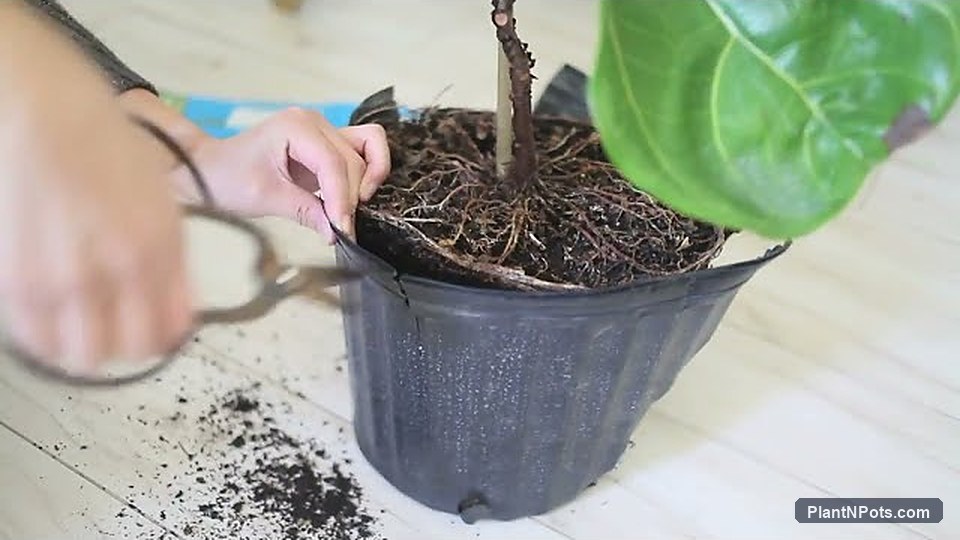
Begin the extraction process by gently loosening the soil around the inner rim of the old pot. Never pull violently on the main trunk, as this can snap woody stems and tear roots.
Tip the container sideways and support the base of the plant while sliding it out. If the root ball resists, tap the exterior of the pot firmly to break the friction seal.
Inspect the exposed root system for any signs of decay, rot, or disease. Healthy roots appear firm and light-colored, whereas rotting roots feel mushy, smell sour, and look dark brown.
Use sterilized pruning shears to trim away any damaged or circling roots cleanly. This encourages branching feeder roots to develop and prevents the plant from remaining root-bound in its new home.
Tilt the current pot sideways and gently tap the exterior. Support the main trunk firmly while sliding the root ball free from the rigid container walls.
Tease apart tightly bound outer roots using your fingers. Carefully prune away any black, mushy sections affected by root rot using sterilized sharp shears.
Place a fresh layer of amended soil at the base of your new container. Position the plant so the top surface sits two inches below the upper rim.
Fill surrounding gaps gradually with fresh soil mixture, tapping the pot sides gently. This settles the substrate and eliminates large air pockets around the root system.
- Work outdoors or over a protective surface.
- Brush away old compacted soil gently by hand.
- Sterilize cutting blades between every single cut.
- Keep exposed root systems shaded from direct sun.
Positioning in the New Vessel
Add a base layer of fresh soil mix to the bottom of the new pot. Ensure the plant sits at the exact same soil depth it maintained in its previous container.
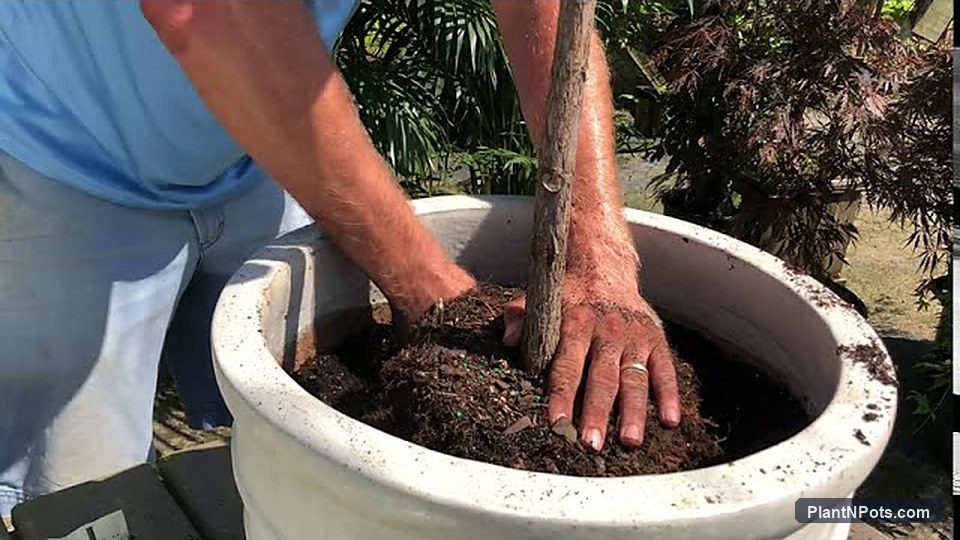
Center the root ball carefully and fill the surrounding gaps with fresh medium. Tamp the soil down lightly with your hands to eliminate large air pockets without compacting excessively.
- Leave one inch of space below the pot rim.
- Verify vertical alignment from multiple room angles.
Managing Post-Repotting Stress and Transition Recovery
Fiddle leaf figs frequently experience mild shock following significant root disturbance. You might notice slight drooping or temporary leaf drop as the specimen adjusts to its unfamiliar surroundings.
Provide a thorough deep watering immediately after the transfer settles the soil around the roots. Allow every drop of excess moisture to drain completely from the bottom drainage hole.
Return the plant to its familiar bright, indirect light location immediately. Sudden shifts in lighting conditions compound transplant stress and trigger severe leaf drop across the entire canopy.
Withhold all synthetic liquid fertilizers for at least two months. Fresh potting mixes contain adequate baseline nutrients, and high salt concentrations will severely burn tender recovering root tips.
After settling into your new best pot fiddle leaf fig, monitor foliage closely for stable recovery. Transplants frequently drop lower leaves due to temporary shock while adjusting.
Water the newly transferred root ball thoroughly until liquid drains freely. Allow the top three inches of soil to dry completely before scheduling your next irrigation.
Refrain from applying synthetic fertilizer for at least six weeks. Introducing chemical salts too early will burn tender, recovering roots and worsen transplant shock symptoms.
Maintain steady indoor humidity levels between forty and sixty percent. Avoid drafty hallways or sudden temperature shifts caused by HVAC vents operating nearby.
- Monitor surface soil moisture levels daily.
- Maintain consistent indoor temperatures above 65 degrees.
- Wipe dust from broad leaves to maximize photosynthesis.
- Avoid moving the pot to new rooms during recovery.
Identifying Normal vs Severe Shock
Minor leaf yellowing on lower branches often represents normal adjustment shock. The plant is simply shedding older foliage to conserve energy while redirecting resources toward root repair.
Widespread stem blackening or sudden upper canopy collapse indicates severe distress. This usually stems from overwatering saturated soils or letting the root ball dry out completely during recovery.
- Expect minor leaf loss for the first fortnight.
- Inspect stems closely if wilting persists past week three.
Optimizing Drainage and Container Material Selection
Selecting the correct container material directly dictates your watering schedule and overall plant health. Porous materials like terracotta evaporate moisture rapidly through their walls, protecting against chronic overwatering mistakes.
Glazed ceramics and heavy plastics retain internal moisture much longer, making them ideal for growers with busy weekly schedules. Always verify that these non-porous decorative pots feature functioning bottom drainage holes.
Never allow your container to sit inside a saucer filled with standing runoff water. Empty decorative cachepots within thirty minutes of watering to prevent root rot and anaerobic soil conditions.
Elevate heavy floor pots slightly using plant feet or rolling caddies. This allows continuous airflow underneath the drainage holes, preventing stagnant moisture buildup on hardwood floors and patios.
Always select containers featuring multiple unglazed bottom drainage holes. Terracotta pots allow optimal moisture evaporation, reducing risks of overwatering compared to sealed plastic vessels.
Avoid placing heavy gravel layers at the bottom of containers. This practice actually raises the perched water table closer to the root zone, increasing rot risks.
Cover drainage holes with porous mesh screens to retain soil. This smart step prevents soil erosion while allowing excess water to escape freely after every watering.
Ensure your new pot exceeds the previous diameter by only two inches. Providing excessive room encourages prolonged soil dampness and stresses your Ficus lyrata.
- Match pot weight to the tall canopy size.
- Seal unglazed terracotta interiors to slow evaporation.
- Drill extra holes in plastic pots if drainage is poor.
- Clean saucer trays regularly to prevent mineral crusts.
Managing Oversized Planters
Scaling up to an oversized container creates dangerous moisture traps. Utilizing the [best soil for large planters](https://plantnpots.com/?p=3571) helps mitigate excess dampness since uncolonized earth stays wet indefinitely.
Always restrict your size increases to increments of two inches in diameter. This gradual progression keeps soil drying times balanced with the natural expansion rate of the root system.
- Never jump from a ten-inch pot to a twenty-inch pot.
- Fill deep containers with lightweight inert fillers if needed.
Common Pitfalls to Avoid During the Ficus Lyrata Upgrade
One frequent error involves burying the main trunk too deeply beneath the soil line. Keep the root flare slightly exposed at the surface to prevent stem rot and suffocation.
Another major mistake is aggressively washing away every speck of old soil with a harsh hose spray. Leave a small anchor of familiar soil around the core to minimize root trauma.
Neglecting to water thoroughly right after repotting leaves large air pockets around severed roots. This causes those vital absorbent tissues to dry out and die before they can anchor in new soil.
Rushing the plant back into direct scorching sunlight too quickly causes severe leaf scorch. Give recovering specimens a gentle transition period in bright, indirect ambient light for several weeks.
Burying the main trunk too deeply invites stem decay. Ensure the root flare remains level with or slightly above the soil surface after repotting concludes.
Resist packing the soil down with excessive physical force. Compressing the substrate destroys vital air pockets required for healthy respiration among root tissues.
Never repot a severely dehydrated plant. Water your fiddle leaf fig thoroughly twenty-four hours prior to the procedure to minimize acute moisture stress.
Do not move the plant to a radically different lighting zone immediately. Sudden environmental changes compound transplant stress and trigger extensive leaf drop.
- Avoid compacting potting mix with heavy tools.
- Never add uncomposted organic matter to indoor pots.
- Refrain from pruning canopy branches simultaneously.
- Skip chemical root stimulators unless explicitly needed.
Troubleshooting Sudden Leaf Drop
Sudden leaf drop after repotting usually signals radical environmental changes. Re-evaluate room temperature, draft exposure, and ambient humidity levels to restore stability quickly.
Check soil moisture manually by inserting your finger two inches deep. If the mix feels soggy, withhold water completely until the subsurface dries out to prevent total root failure.
- Keep humidity levels between 40 and 60 percent.
- Shield plants from cold winter window drafts.
Frequently Asked Questions
How often should I repot my fiddle leaf fig?
Plan to repot your growing fiddle leaf fig every two to three years. Younger specimens growing in bright light may require annual container upgrades to accommodate vigorous root expansion.
What is the best soil mix for fiddle leaf figs?
Use a well-aerated potting mix combining standard organic soil with coarse perlite and orchid bark. This specialized blend provides exceptional drainage and prevents fatal root rot issues.
Why is my fiddle leaf fig dropping leaves after repotting?
Mild leaf drop is a normal reaction to transplant shock and root disturbance. Ensure your plant receives bright indirect light and allow the soil to dry partially between waterings.
Should I fertilize my plant immediately after repotting?
Never fertilize newly repotted fiddle leaf figs for at least six to eight weeks. Fresh potting soil contains plenty of nutrients, and excess fertilizer salts can burn tender recovering roots.
Can I prune the roots when upgrading to a new pot?
Yes, you can trim away dead, damaged, or severely circling roots using sterilized shears. Clean root pruning encourages fresh branching and prevents the plant from remaining root-bound.

