Master the precise techniques for container-grown bamboo. Learn how to upsize vessels, divide root masses, and ensure proper drainage.
Key Takeaway:
Repot container bamboo during early spring using sturdy polyethylene containers and a nutrient-dense, well-draining soil mix to prevent root constriction.
Quick-Reference Guide
| Factor / Scenario | Recommended Target | Why It Matters |
|---|---|---|
| Container Upsizing | 2 to 3 inches wider | Prevents overwhelming soil volume |
| Soil pH Range | 6.0 to 6.5 slightly acidic | Optimizes nutrient availability |
| Drainage Hole Size | At least 0.5 inches diameter | Prevents stagnant water buildup |
| Repotting Frequency | Every 2 to 3 years | Prevents severe root binding |
| Root Pruning Limit | Maximum 30 percent removed | Protects plant stability |
| Post-Transplant Wait | 6 weeks before fertilizing | Prevents chemical root burn |
Essential Preparation And Tools For Bamboo Repotting
Gathering proper ergonomic tools ensures a smooth transition for your container bamboo. Heavy-duty shears and thick leather work gloves protect your hands from sharp, woody rhizomes during the extraction process.
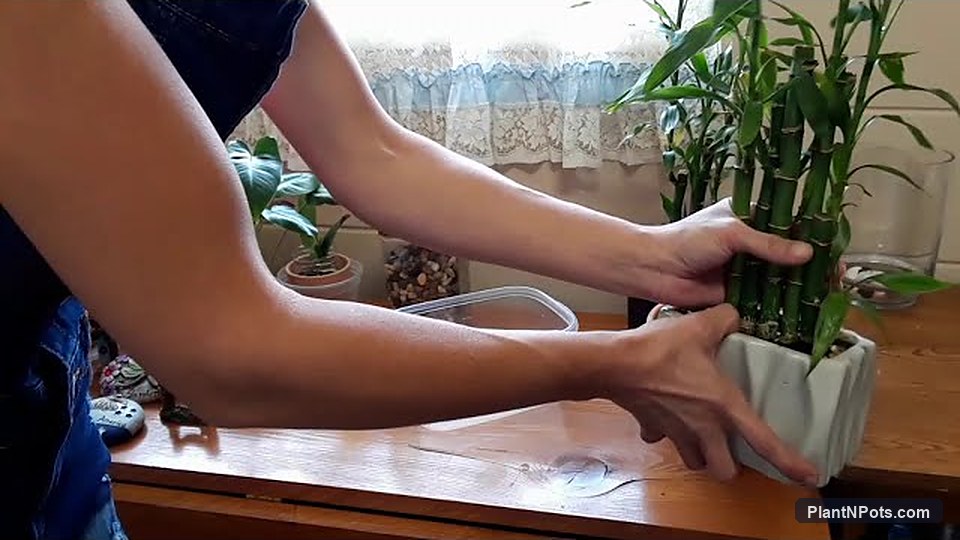
Clear a spacious outdoor workstation before handling mature specimen plants. Lay down heavy tarps to catch loose soil and debris, making cleanup efficient and saving your indoor floors from permanent stains.
Inspect your new container carefully to confirm adequate structural integrity. Thin plastic pots often crack under the immense lateral pressure exerted by vigorous bamboo root systems during seasonal growth spurts.
Gather all necessary soil amendments and prepare your [reliable lucky bamboo holder](https://plantnpots.com/?p=2884) beforehand. Having every item within arm's reach minimizes plant shock and keeps delicate roots safe during the repotting process.
- Wear thick leather work gloves to prevent painful splinters.
- Sharpen pruning shears with a fine-grit diamond stone.
- Position heavy containers on rolling plant caddies securely.
- Keep a garden hose fitted with a gentle spray nozzle nearby.
Sterilizing Cutting Equipment
Sanitize all blades thoroughly using isopropyl alcohol before making cuts. This crucial step prevents harmful pathogens from entering fresh wounds inside delicate underground rhizomes.
Wipe down tools between individual plants during division sessions to maintain a clean environment.
- Use seventy percent isopropyl alcohol solution.
- Wipe blades cleanly with a microfiber cloth.
Assessing Container Constraints And Rootbound Clumps
Bamboo grown in containers eventually exhausts available root space. You must recognize physical warning signs like soil pushing upward or roots emerging densely through bottom drainage holes before upgrading to quality 8 inch terracotta pots.
Inspect the perimeter of your planter for bulging sides or hairline fractures. Structural failure in rigid ceramic containers often requires careful breaking of the pot to salvage the intact, tightly bound root ball.
- Monitor container edges for visible bulging or cracking.
- Check bottom drainage holes for matted root masses.
- Identify species growth habits before planning root reduction.
- Plan container size increases based on rhizome vigor.
Identifying Running Versus Clumping Root Systems
Clumping bamboo species expand slowly outward in predictable, tight clusters. These varieties require straightforward container upscaling every two to three years to maintain vigorous vegetative growth and prevent severe root binding.
Running bamboo produces aggressive underground rhizomes that demand strict spatial limits. Container cultivation successfully restrains running types, but you must aggressively prune circling roots during every annual repotting session.
- Observe culm spacing patterns across the soil surface.
- Contain aggressive runners with thick interior barriers.
Video Walkthrough: Repotting my Lucky bamboo plants into soil \u0026 upgrading them to a larger pot 🌱
Extracting The Massive Root Ball Safely
Removing a mature bamboo plant from a restrictive container requires patience. Insert a flexible steel putty knife around the interior perimeter to loosen compacted soil and break the tight vacuum seal.
Avoid pulling directly on delicate green culms during the extraction phase. Leverage the rim of the pot gently while tilting the container sideways to slide the heavy root mass out smoothly.
Tap the exterior walls of plastic containers firmly with a rubber mallet. This vibration releases clinging soil particles and frees trapped roots without damaging the vital structural integrity of underground rhizome nodes.
Lay the extracted root ball horizontally on your work tarp for inspection. Use a garden hose with moderate water pressure to gently wash away old, depleted soil and reveal hidden root rot issues.
- Run a flat tool around container walls to break suction.
- Tilt containers carefully instead of pulling green stalks.
- Use rubber mallets to loosen rigid plastic walls.
- Wash away old soil gently with low-pressure water.
Dividing Overgrown Bamboo Masses To Multiply Plants
When your bamboo outgrows its maximum allowable container size, division becomes necessary. Use a sterilized horticultural saw to slice cleanly through the dense network of woody rhizomes and tangled roots.
Ensure each divided section retains at least three healthy green culms. Smaller divisions struggle to establish themselves quickly, while overly large sections rapidly outgrow new containers within a single growing season.
Dust any large fresh cuts with sulfur powder to prevent fungal infections. This simple preventative measure protects vulnerable exposed tissues from soil-borne pathogens while new roots heal and regenerate inside containers.
Discard old, woody center segments that show no signs of active growth. Retaining only vigorous outer shoots guarantees rapid establishment and lush foliage development in your newly divided container bamboo specimens.
- Sterilize pruning saws with isopropyl alcohol before cutting.
- Guarantee three healthy culms per divided root section.
- Apply protective sulfur powder to large rhizome wounds.
- Discard dead central roots to encourage new growth.
Selecting The Ideal Upgraded Planter And Drainage System
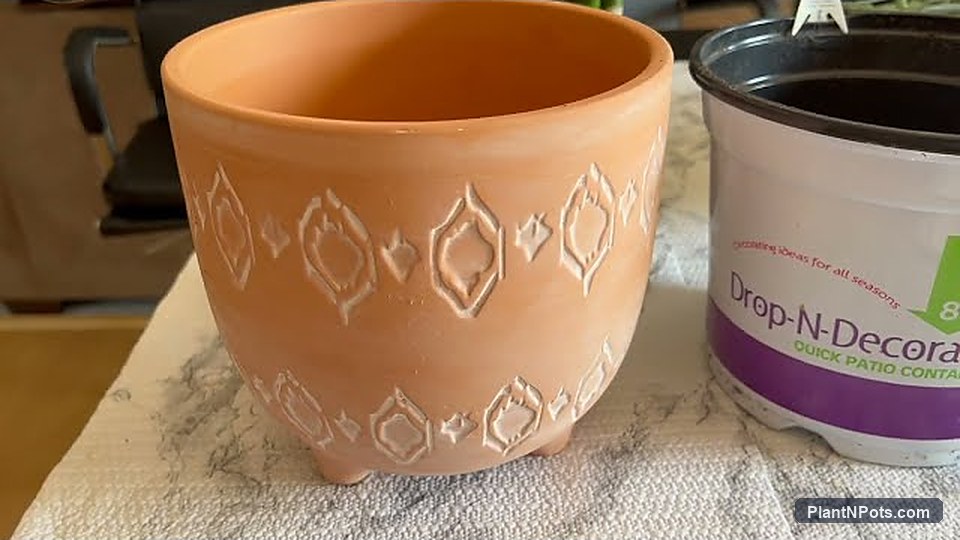
Choosing the correct vessel protects your bamboo from structural damage. Opt for sturdy planters featuring generous bottom drainage holes to prevent the stagnant moisture conditions that routinely cause fatal root rot.
Terracotta vessels offer great breathability but dry out rapidly. Thick polyethylene containers retain soil moisture evenly, much like the ideal growing conditions required by [popular evergreen shrubs for pots](https://plantnpots.com/?p=3525) in similar climates.
Calculate container dimensions carefully before purchasing new pots. Upsize your vessel by only two to three inches in diameter to avoid overwhelming the root system with excessive, slow-drying potting soil volume.
Cover bottom drainage holes with porous landscape fabric or ceramic shards. This prevents soil from washing out during watering sessions while maintaining optimal permeability for excess moisture to escape freely.
- Verify multiple large drainage holes in every new container.
- Select frost-resistant fiberglass or heavy-duty plastic vessels.
- Upsize diameter incrementally by two to three inches.
- Cover drainage holes with porous fabric to retain soil.
Replanting And Settling Your Bamboo Into Fresh Soil
Create a nutrient-rich foundation inside your prepared container. Mix high-quality organic compost with coarse horticultural perlite to guarantee exceptional soil porosity and supply essential long-term macronutrients for vigorous growth.
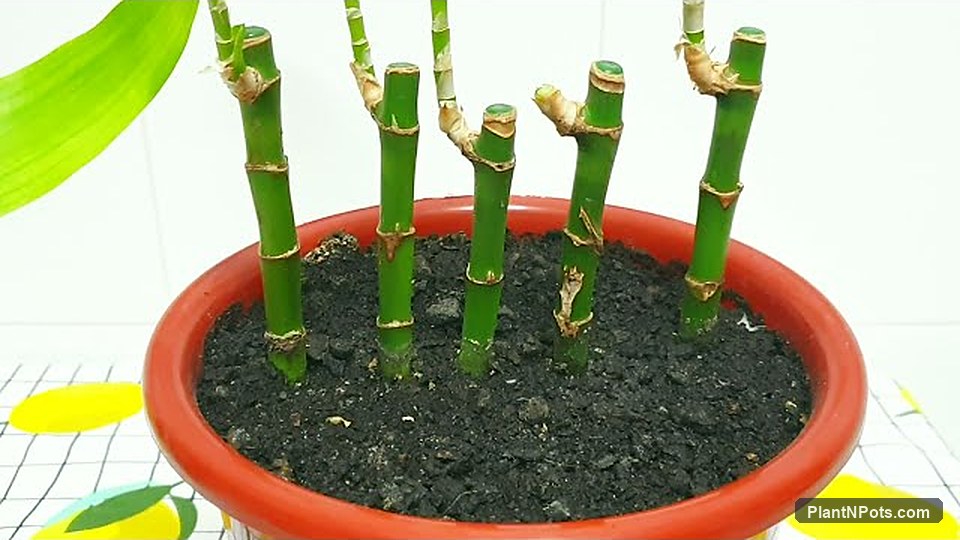
Position the bamboo plant at the exact same soil depth it previously maintained. Planting too deeply suffocates lower rhizomes, while setting the specimen too high exposes vital root structures to rapid desiccation.
Fill surrounding gaps with fresh potting mix while tamping down gently. Eliminate large air pockets by pressing soil firmly around the root ball using your hands or a small wooden trowel handle.
Leave two inches of clearance between the soil surface and container rim. This crucial headspace ensures you can water the container thoroughly without overflowing soil onto your surrounding patio or floors.
- Mix organic compost with perlite for optimal drainage.
- Maintain identical soil line depth during replanting.
- Tamp soil firmly to eliminate large air pockets.
- Leave two inches of headspace for effortless watering.
Post-Repotting Maintenance And Watering Protocols
Settle newly repotted bamboo immediately with a deep, thorough watering session. Saturate the soil until moisture flows freely from bottom drainage holes, ensuring complete hydration throughout the entire root zone matrix.
Place your container in a sheltered, partially shaded location for two weeks. Protecting freshly transplanted bamboo from harsh direct sunlight minimizes transplant shock and allows damaged root systems time to recover.
Withhold heavy nitrogen fertilizers for at least six weeks post-transplant. Premature feeding burns recovering roots and forces rapid top-growth before the underground rhizome network establishes adequate anchorage in fresh soil.
Monitor surface soil moisture daily using your finger or a meter. Water consistently whenever the top inch feels dry, maintaining a steady moisture level without creating soggy, oxygen-depleted soil conditions.
- Water thoroughly immediately after completing the repotting process.
- Provide partial shade protection for two recovery weeks.
- Delay synthetic fertilizer applications for six full weeks.
- Check topsoil moisture daily to gauge watering needs.
Frequently Asked Questions
When is the absolute best time of year to repot container bamboo?
Springtime represents the absolute best season for repotting container bamboo plants.
During this invigorating period, rising ambient temperatures trigger active root regeneration, allowing your specimen to recover rapidly from transplant shock and establish vigorous new seasonal growth without enduring undue environmental stress.
You should consistently complete this essential maintenance task before intense summer heat arrives.
How can I prevent my bamboo from becoming rootbound again too quickly?
You can successfully delay future root crowding by selecting appropriately sized containers and performing routine root maintenance.
When dividing oversized clumps or upsizing vessels by two inches in diameter, you provide optimal space for healthy, uninhibited rhizome expansion over the upcoming growing seasons without triggering premature overcrowding in your decorative planters.
Is it normal for bamboo to drop leaves after being repotted?
Minor leaf drop is completely normal following the repotting process due to temporary root disturbance.
Your bamboo is simply adjusting to its new soil environment, so you should maintain consistent moisture levels while avoiding the temptation to overwater or fertilize recovering foliage prematurely. Healthy new shoots will emerge shortly once stabilization occurs.
What soil type works best for growing bamboo in containers?
Bamboo thrives in a nutrient-rich, loamy potting soil blend with excellent drainage capacity. Mixing organic compost, peat moss, and coarse horticultural perlite creates the ideal balance of moisture retention and oxygen permeability required for healthy, vigorous subterranean rhizome development.
Avoid heavy garden dirt that compacts easily in restricted containers.
How do I know if my potted bamboo is suffering from root rot?
Root rot manifests through yellowing leaves, blackened mushy roots, and a distinct sour odor emanating from the drainage holes.
You must immediately remove the plant, trim away decayed tissue, and repot it into fresh, sterile, fast-draining soil mix to restore vitality and prevent further fungal decay across healthy remaining stems.

