Choosing the correct container ensures healthy root systems and prevents root rot. This comprehensive guide helps you select the ideal pot size for your indoor tree.
Key Takeaway:
Always scale up container diameter by just two to three inches to prevent excess soil moisture. A properly sized pot protects your fiddle leaf fig from root rot and shock.
Quick-Reference Guide
| Factor / Scenario | Recommended Target | Why It Matters |
|---|---|---|
| Plant Height Under 3 Feet | 8 to 10-inch diameter pot | Matches modest canopy spread and root volume. |
| Plant Height 3 to 6 Feet | 12 to 14-inch diameter pot | Provides adequate space for maturing root systems. |
| Plant Height Over 6 Feet | 16 to 20-inch heavy vessel | Prevents structural tipping and instability. |
| Pot Size Increment | 2 to 3-inch increase maximum | Prevents dangerous soil saturation and root rot. |
| Drainage Requirement | At least one central hole | Allows excess water to escape freely. |
| Repotting Frequency | Every 1 to 2 years (young) | Refreshes depleted nutrients and relieves crowding. |
Determining What Size Pot for Fiddle Leaf Fig Trees
Selecting the right container is critical for the long-term vitality of your indoor tree. Moving too fast into a massive pot often causes fatal moisture retention.
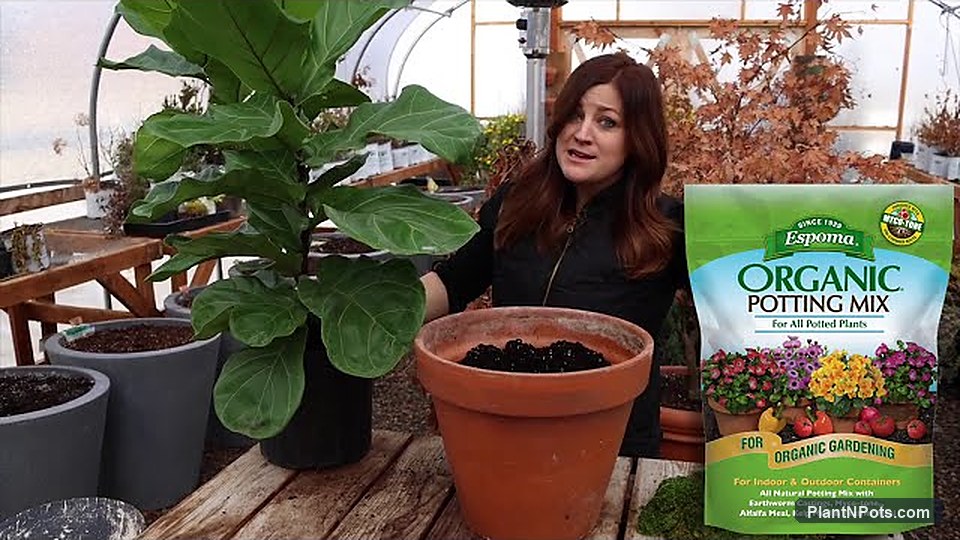
Choosing a suitable vessel from our best pot fiddle leaf fig guide ensures your indoor specimen transitions smoothly into a slightly larger home without root shock.
Avoid oversized planters because excess wet potting mix suffocates delicate feeder roots. Maintaining a balanced root-to-soil ratio prevents chronic leaf drop and stem yellowing.
- Measure current root ball diameter before shopping.
- Select containers with matching drainage hole footprints.
- Skip large multi-size jumps to protect fragile roots.
- Prioritize depth over extreme surface width dimensions.
Understanding Scale and Proportions
Large floor specimens over six feet tall require sturdy, heavy-bottomed containers to prevent dangerous tip-overs. Balance aesthetic appeal with heavy structural support during growth phases.
Smaller table-top figs under three feet tall do exceptionally well in modest eight-inch vessels. Always align container volume with current foliage canopy spread measurements.
- Match pot height to plant canopy weight.
- Use heavy ceramic pots for tall specimens.
- Keep lightweight nursery liners inside decorative cachepots.
Root Health Dynamics and Growth Volume Principles
Healthy roots require adequate oxygen flow through loose, aerated substrates like those found in quality [best 10 gallon grow bags](https://plantnpots.com/?p=1005) to prevent sudden environmental stress.
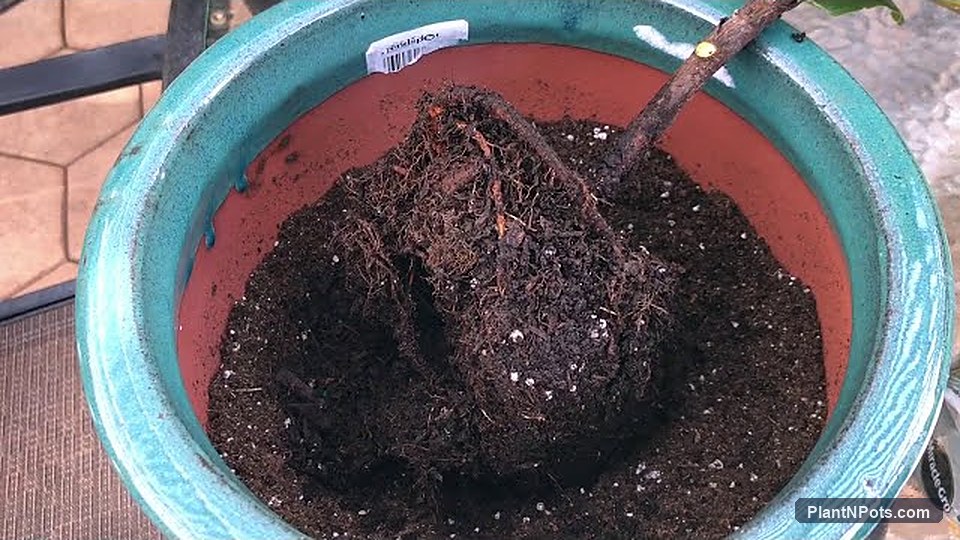
When roots circle tightly around the interior pot wall, the plant becomes root-bound. This restriction signals the exact moment you must step up to a slightly larger container.
Never aggressively prune more than twenty percent of healthy root mass during routine maintenance. Preserving structural roots ensures uninterrupted nutrient transport up the main woody trunk.
- Inspect root balls for dense circular binding patterns.
- Tease apart tangled root ends to encourage outward spread.
- Trim away dead or rotting black sections cleanly.
- Maintain natural root architecture without harsh shearing.
Diagnosing Root Distress Early
Brown spotting along lower leaves frequently indicates stagnant water trapped near the pot base. Immediate inspection helps save the plant before fungal pathogens establish dominance.
Sour odors emanating from drainage holes confirm anaerobic soil conditions inside your container. Repotting into fresh, coarse medium instantly restores vital subterranean aeration channels.
- Check bottom drainage holes for circling roots.
- Sniff soil for sour or sulfurous breakdown smells.
- Monitor leaf edges for chronic moisture stress.
Video Walkthrough: Fiddle Leaf Fig Care Guide! 🌿 // Garden Answer
Evaluating Material Options and Drainage Requirements
Container material directly influences evaporation rates and soil moisture retention over time. Unglazed terracotta pots allow rapid moisture loss through porous clay walls.
Plastic and glazed ceramic planters trap water much longer, reducing watering frequency demands. Always verify that chosen vessels feature at least one central drainage hole.
Never place dense gravel or rocks at the container bottom. This practice raises the perched water table and forces moisture closer to delicate root zones.
- Select unglazed clay for humid environments and frequent waterers.
- Use glazed ceramics to retain moisture in dry indoor spaces.
- Ensure bottom drainage outlets remain completely unobstructed.
- Avoid solid planters lacking functional water escape routes.
Managing Excess Water Effectively
Always empty saucers promptly after watering to prevent root reabsorption. Standing water breeds fungal gnats and invites destructive root rot pathogens into the substrate.
Elevate heavy ceramic pots on small pot feet to maximize airflow underneath. Proper bottom ventilation prevents moisture accumulation on delicate hardwood flooring surfaces.
- Empty saucers within fifteen minutes of watering.
- Use plant stands to improve base air circulation.
- Wipe away mineral salt crusts around drainage ports.
Step-by-Step Repotting Protocol for Indoor Specimens
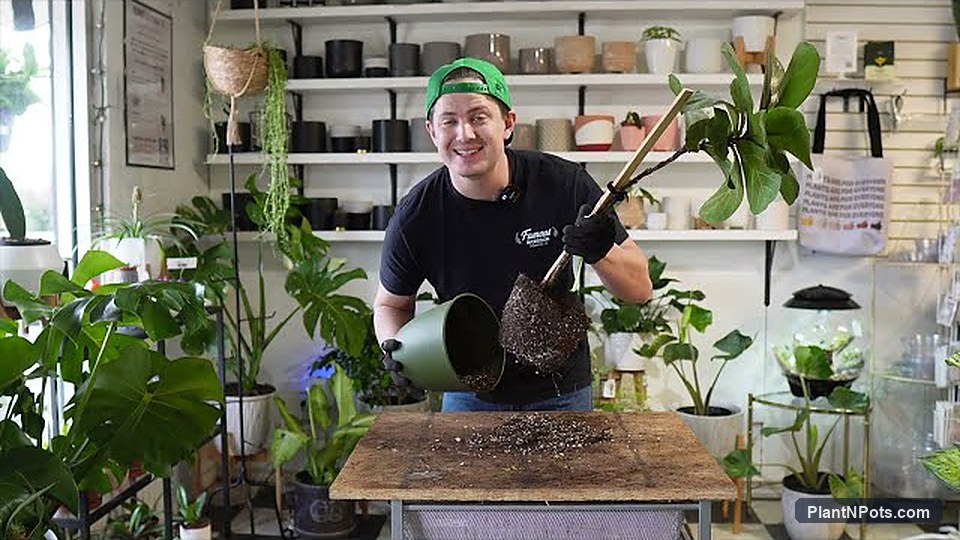
Spring and early summer offer the ideal seasonal window for handling container transitions. Active growth periods help damaged roots recover quickly from transplant shock.
Gently tilt the existing container sideways while supporting the main trunk securely. Slide the root ball out slowly without pulling harshly on woody stems.
Add fresh, well-draining potting soil enriched with perlite to the new pot base. Center the root ball firmly and backfill gaps carefully around perimeter walls.
- Water plants thoroughly twenty-four hours before repotting procedures.
- Prepare fresh soil mixes containing bark and perlite.
- Firm potting medium gently to eliminate large air pockets.
- Water newly potted figs lightly to settle soil particles.
Post-Transplant Care Guidelines
Place your freshly repotted fig in bright, indirect sunlight immediately following the procedure. Avoid direct scorching rays that stress recovering foliage and root networks.
Withhold standard liquid fertilizers for at least six weeks after container upgrades. Forcing nutrients too early burns tender new roots attempting to establish anchorage.
- Keep indoor temperatures steady between 65 and 80 degrees.
- Delay fertilization until active new leaf tips emerge.
- Mist surrounding air gently to maintain ambient humidity levels.
Assessing Plant Height Versus Container Diameter Rules
Matching container dimensions to overall plant height prevents structural tipping accidents. Tall indoor trees require wider bases to maintain a safe center of gravity.
Standard rule dictates increasing pot diameter by two inches for every two feet of vertical growth. This proportional scaling supports expanding root volumes safely.
Avoid placing massive trees in tiny decorative pots that invite constant tumbling risks. Stability remains just as crucial as soil volume for healthy specimen development.
- Measure vertical height from soil line to topmost leaf.
- Calculate required base width using tree canopy spread.
- Prioritize heavy materials for tall, top-heavy specimens.
- Inspect stability whenever repositioning large indoor plants.
Video Walkthrough: Checking on the roots
Recognizing When Your Fig Tree Requires Immediate Repotting
When watering sessions no longer penetrate dry root masses, finding the [best pot for a peace lily](https://plantnpots.com/?p=2903) or indoor tree prevents urgent crowding issues.
Stunted canopy growth during peak spring months points directly to depleted potting nutrients. Upgrading container size revitalizes sluggish metabolic rates and encourages fresh flushes.
Water draining immediately through side gaps without moistening soil indicates severe compaction. Fresh media restores optimal moisture retention and nutrient exchange capabilities indoors.
- Look for thick roots circling the drainage holes.
- Observe rapid soil drying cycles following every watering.
- Check for nutrient deficiency symptoms on older leaves.
- Evaluate overall plant stability within current pot structures.
Managing Soil Composition and Moisture Retention Safely
Fiddle leaf figs demand loose, highly porous soil mixes containing coarse horticultural sand. Heavy garden soils pack down tightly, suffocating roots and trapping excess moisture.
Incorporating orchid bark and perlite improves aeration and prevents dangerous compaction issues. Quality potting media creates ideal conditions for robust, expansive root system development.
Allow the top two to three inches of soil to dry completely between watering sessions. Consistent moisture checks prevent accidental overwatering and root decay.
- Mix peat moss, perlite, and bark chunks thoroughly.
- Test soil moisture depth using clean wooden dowels.
- Avoid heavy compost mixes lacking structural aeration components.
- Ensure water drains freely through the entire substrate profile.
Frequently Asked Questions
Can I plant a small fiddle leaf fig in a large pot?
Planting small figs in oversized containers causes chronic soil saturation and fatal root rot. Always restrict upgrades to a two-inch diameter increase maximum.
Should I put rocks at the bottom of the pot?
Placing rocks at the base raises the perched water table and increases root rot risks. Modern horticulture guidelines recommend skipping gravel layers entirely for optimal drainage.
How often should I repot a fiddle leaf fig tree?
Young trees typically require repotting every one to two years during spring. Mature specimens only need container upgrades every three to five years safely.
What soil type works best for container-grown figs?
Use a well-draining mixture containing peat moss, perlite, and orchid bark chunks. This specific formulation ensures optimal root aeration while retaining necessary moisture levels.
Why are the lower leaves dropping after repotting?
Mild leaf drop often results from normal transplant shock following root disturbance. Keep environmental conditions stable and avoid overwatering while your fig tree recovers.

