Selecting the right container transforms your container garden. Master exact dimensions for thriving peppers.
Key Takeaway:
Most bell pepper varieties require a three to five gallon container measuring at least twelve inches across and deep.
Quick-Reference Guide
| Factor / Scenario | Recommended Target | Why It Matters |
|---|---|---|
| Standard Bell Pepper | 3 to 5 Gallons | Supports robust root networks and heavy fruit loads. |
| Dwarf Pepper Varieties | 1 to 2 Gallons | Matches compact root systems without wasting soil volume. |
| Minimum Pot Depth | 12 Inches | Allows vertical taproot expansion and stability. |
| Fabric Grow Bags | 5 Gallons | Provides natural root pruning and superior oxygenation. |
| Plastic Containers | 3 Gallons | Retains moisture longer in hot summer climates. |
| Terracotta Pots | 4 Gallons | Porous walls require more frequent irrigation cycles. |
Understanding Bell Pepper Root Systems and Container Volume Needs
Bell peppers develop extensive root systems that demand adequate space. Choosing a three to five gallon container ensures your plants have enough structural support for heavy fruit production throughout the entire growing season.
Confining roots in undersized pots stunts overall growth significantly. Utilizing setups like [peppers in hanging baskets](https://plantnpots.com/?p=5704) offers unique spatial dynamics, but standard containers remain vital for large harvests.
Commercial growers and experienced gardeners consistently favor larger volumes. Providing ample breathing room prevents root binding and encourages vigorous branching, which directly translates to a much larger harvest of crisp bell peppers.
Understanding this volume requirement prevents common cultivation errors. Investing in correctly sized pots from the start eliminates the need for stressful mid-season repotting operations while your plants are actively flowering and setting fruit.
- Select containers holding at least three gallons of premium potting mix.
- Ensure the pot height and width maintain a balanced, stable proportion.
- Avoid tapered nursery pots that restrict underground root expansion zones.
- Check that container walls are thick enough to withstand soil pressure.
Evaluating Root Development Phases
Young seedlings begin life in small propagation trays very comfortably. As they mature, transitioning them through progressive container sizes prevents shock while accommodating rapid root expansion phases.
Roots spread both outward and downward simultaneously. Providing a twelve inch diameter gives the lateral roots enough horizontal spreading room to anchor the mature bush securely against strong winds.
- Step up pot sizes gradually every four to six weeks.
- Inspect drainage holes for escaping roots during active growth.
Evaluating Materials from Fabric Grow Bags to Heavy Ceramic Pots
Container material directly influences moisture retention and root health. Upgrading to quality [5 gallon nursery planters](https://plantnpots.com/?p=7325) offers exceptional aeration, preventing root circling while keeping soil temperatures cool during intense summer heatwaves.
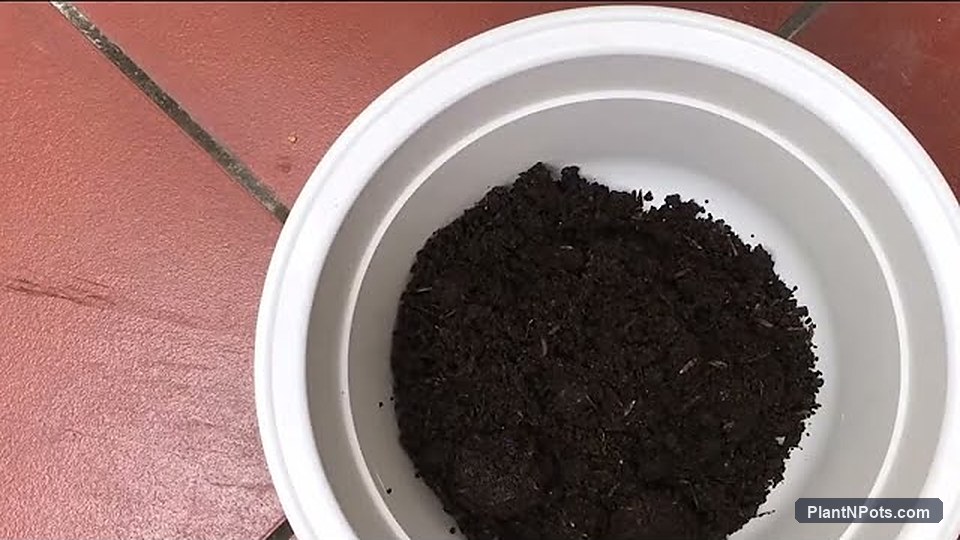
Plastic containers remain popular because they retain moisture efficiently. This material works wonderfully for gardeners living in dry climates who want to reduce watering frequency without sacrificing overall plant health or pepper yield.
Heavy ceramic and terracotta pots provide excellent physical stability. However, their porous clay walls wick moisture away rapidly, requiring diligent daily irrigation checks to keep your bell pepper plants from suffering drought stress.
Selecting the right material depends on your local climate. Match your pot composition to your daily watering schedule to maintain consistent soil moisture levels without drowning your developing pepper root systems.
- Use fabric bags for superior oxygen exchange and root health.
- Choose heavy plastic to minimize daily soil moisture evaporation.
- Select glazed ceramics to combine decorative appeal with moisture retention.
- Avoid unglazed terracotta if you struggle with keeping soil damp.
Weighing Cost Versus Durability
Affordable plastic pots offer lightweight mobility for urban balconies. Premium fabric containers deliver superior agricultural performance despite lacking the rigid structural walls found in traditional molded plastic planters.
Factor local weather patterns into your material choice. Extreme sun exposure degrades cheap plastics quickly, whereas thick, UV-resistant resin or heavy-duty fabric bags last for multiple successful growing seasons.
- Inspect plastic rims for cracking under heavy soil loads.
- Store fabric bags indoors during freezing winter months.
Video Walkthrough: The PERFECT Container Size For Every Pepper Plant
Comparing Depth Versus Surface Width for Vigorous Pepper Growth
Container geometry matters just as much as total soil volume. Bell peppers require adequate depth to anchor their main stems alongside wide surfaces to support sprawling lateral feeder roots foraging for essential nutrients.
Shallow, wide bowls restrict root development by forcing horizontal growth prematurely. Conversely, extremely narrow, tall cylinders limit surface area gas exchange, creating stagnant zones where moisture remains trapped around the lower stem.
A balanced container ratio prevents waterlogging and nutrient lockout. Aim for equal proportions where the pot depth matches or closely approaches its top rim diameter to create an ideal underground environment.
Proper depth also improves physical plant stability significantly. Heavy fruit clusters easily tip over shallow pots unless you utilize a deep [lucky bamboo plant holder](https://plantnpots.com/?p=2884) or standard container style that acts as a reliable counterweight.
- Target a minimum container depth of twelve inches.
- Ensure top diameters measure at least twelve to fourteen inches.
- Avoid shallow decorative planters lacking adequate vertical root space.
- Verify base diameters are wide enough to prevent accidental tipping.
Balancing Taproot and Feeder Roots
Bell peppers rely on a strong central anchor root. Providing sufficient vertical depth allows this primary structural element to reach downward without encountering artificial barriers or premature container bottoms.
Feeder roots occupy the upper six inches of potting soil. A wide container surface gives these nutrient-seeking roots ample space to spread outward away from the main stem zone.
- Keep soil filled to one inch below the rim.
- Spread top-dressing fertilizers across the entire surface.
Recognizing Early Warning Signs That Your Pepper Pot Is Too Small
Plants communicate root restriction through distinct visual symptoms. If your bell pepper stops growing entirely despite receiving adequate sunlight and regular fertilizer applications, the container is likely restricting its root expansion.
Frequent wilting between watering sessions indicates severe root crowding. When a pot becomes completely root-bound, soil volume shrinks drastically, leaving almost no room to hold moisture or deliver essential mineral nutrients.
Inspect the drainage holes at the base of your planter. Thick white roots emerging from these bottom openings prove conclusively that the plant has completely outgrown its current container and urgently requires upgrading.
Premature flower drop often points to container stress. When roots feel constrained, the plant prioritizes basic survival over reproduction, causing developing blossoms to wither and fall off before pollination can occur.
- Watch for sudden stagnation in overall plant height and width.
- Check for roots circling tightly inside the container drainage holes.
- Note rapid soil drying that demands watering multiple times daily.
- Observe persistent leaf yellowing despite proper nitrogen fertilization.
Diagnosing Bound Root Balls
Gently slide the plant out of its pot to inspect the roots. A solid, impenetrable mat of circling roots confirms that your container is far too small for the mature bell pepper specimen.
Tease apart tightly bound outer roots before repotting. This crucial step encourages the root system to break free and colonize the fresh soil in its new, larger permanent container.
- Water the pot thoroughly before attempting any root inspection.
- Use clean pruning shears to snip severely matted root sections.
Adapting Sizing Strategies for Dwarf Versus Mammoth Pepper Varieties
Not all bell peppers require massive five gallon containers. Compact, patio-friendly dwarf varieties thrive in smaller spaces, making them ideal for gardeners working with limited balcony or windowsill real estate.
Standard bell pepper cultivars demand full-sized three to five gallon pots. Providing this generous volume ensures the plant reaches its full genetic potential, producing thick-walled, juicy fruits throughout the autumn harvest window.
Miniature sweet peppers require much less root room. You can successfully cultivate smaller ornamental or snack-sized pepper varieties in compact one to two gallon containers without sacrificing overall fruit quality.
Always research specific cultivar mature dimensions before planting. Matching container size to plant habit prevents wasted soil, inefficient watering routines, and disappointing yields caused by mismatched growing environments.
- Reserve large five-gallon pots for standard bell varieties.
- Use one to two gallon pots for compact patio peppers.
- Check seed packets or plant tags for mature spread data.
- Group similar pot sizes together for streamlined garden maintenance.
Video Walkthrough: Transplanting Peppers
Managing Moisture and Nutrient Flow in Restricted Container Soils
Container gardening concentrates root activity into a finite space. Because soil volume is restricted, you must manage irrigation and feeding schedules carefully to prevent nutrient leaching and drought stress.
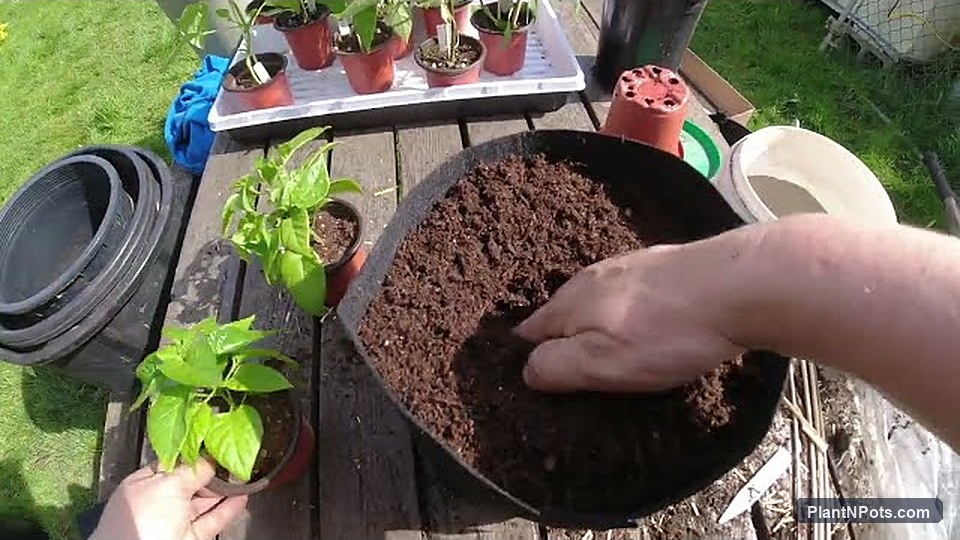
Leaching occurs when frequent watering flushes essential minerals away. Incorporate slow-release organic granules into your potting mix to ensure a steady supply of nitrogen, phosphorus, and potassium feeds your pepper plants.
Establish a consistent watering routine during hot weather. Allowing container soil to cycle repeatedly between extreme saturation and bone-dry conditions causes blossom end rot and ruins developing bell pepper fruits.
Mulching the container surface preserves vital moisture. Adding a thin layer of organic compost or straw across the topsoil reduces evaporation rates and keeps delicate surface roots cool during afternoon heat.
- Mix slow-release granular fertilizers into the potting medium.
- Water deeply until liquid runs freely from bottom drainage holes.
- Apply organic mulch to reduce surface evaporation and heat.
- Monitor soil moisture daily using your index finger test.
Transitioning Seedlings Through Successive Pot Sizes All Season
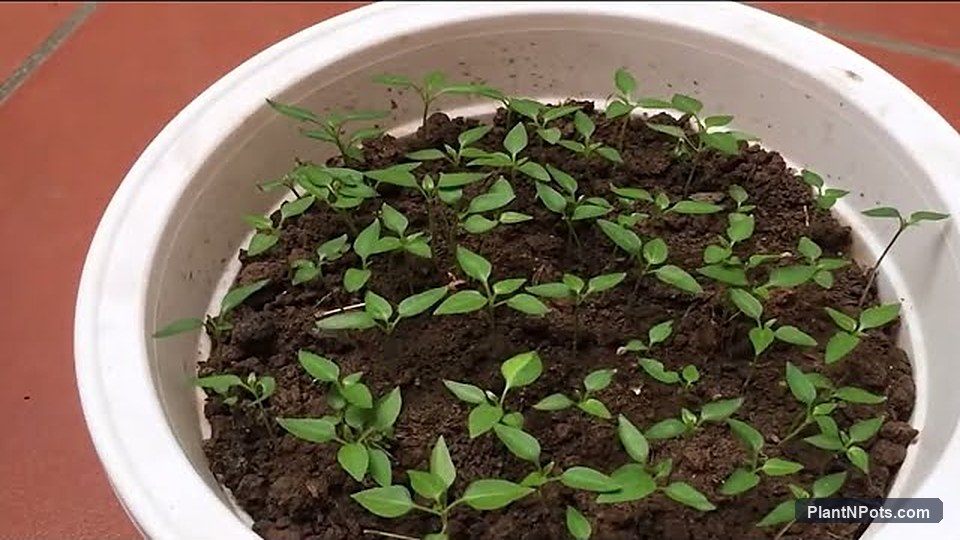
Starting bell pepper seeds directly in massive pots is discouraged. Excess soil stays wet too long around tiny root systems, leading to fatal fungal diseases like damping-off before the plants establish themselves.
Begin your seeds in small multi-cell starter trays. Move seedlings into four-inch pots once true leaves appear, letting them build a sturdy root foundation before stepping up to final production containers.
This staged repotting approach maximizes root density. Each transition stimulates branching roots rather than letting a single taproot circle endlessly around the smooth interior walls of an oversized permanent pot.
Time your final repotting session carefully. Transfer plants into their large five gallon containers only after all danger of spring frost has passed and outdoor night temperatures remain consistently warm.
- Start seeds in shallow trays or small modular inserts.
- Step up to four-inch pots after true leaves develop.
- Transplant into final containers when weather warms permanently.
- Handle root balls gently to minimize transplant shock.
Frequently Asked Questions
Can I grow two bell pepper plants in one single five-gallon pot?
Planting two bell peppers in a five-gallon container causes intense root competition. You should restrict each pot to one single pepper plant for maximum fruit yield and health.
What happens if my bell pepper pot does not have proper drainage holes?
Containers without drainage holes trap excess water at the bottom, creating anaerobic conditions that rot roots quickly. Always drill holes to ensure healthy moisture management for your peppers.
How deep should my container be for standard bell pepper varieties?
Standard bell peppers require a container depth of at least twelve inches to accommodate their taproot and provide stable structural support against heavy fruit loads.
Are fabric grow bags better than traditional plastic pots for bell peppers?
Fabric bags promote superior root aeration and natural air-pruning, whereas plastic pots retain moisture longer. Choose based on your local climate and daily watering availability.
Should I use garden soil or potting mix inside my pepper containers?
Never use heavy garden soil in containers because it compacts and drains poorly. Always use a lightweight, sterile potting mix designed specifically for container gardening success.

