Discover the exact pot size your jalapeño needs for massive yields. Learn essential drainage, soil blending, and seasonal care tips.
Key Takeaway:
Selecting a five-gallon container measuring at least twelve inches deep ensures your pepper roots have enough space to produce a heavy harvest of spicy fruit.
Quick-Reference Guide for Potted Jalapeños
| Factor / Scenario | Recommended Target | Why It Matters |
|---|---|---|
| Container Volume | 5 Gallons minimum | Prevents root binding and stunting |
| Pot Depth | 12 to 14 inches | Accommodates strong taproot growth |
| Soil pH | 6.0 to 6.8 | Optimizes nutrient absorption efficiency |
| Sunlight | 6 to 8 hours daily | Maximizes flowering and fruit set |
| Drainage Setup | Multiple base holes | Prevents fatal root rot conditions |
| Watering Frequency | Daily check in heat | Maintains consistent moisture balance |
Understanding Jalapeño Root Systems and Growth Habits
Jalapeños require adequate underground space because their root systems grow surprisingly deep and wide. Root restriction quickly stunts overall canopy development, limiting your final pepper harvest significantly.
A cramped container forces roots to circle tightly, causing severe water stress during peak summer heat waves. Providing sufficient volume prevents this root-bound condition and maintains steady plant vigor.
Container-grown peppers behave differently than garden-bed plants because their root zones face rapid temperature shifts. Understanding these dynamic biological needs helps you choose the proper pot dimensions right away.
Healthy root structures absorb nutrients efficiently, which directly translates into vibrant green leaves and abundant white blossoms. Ignoring underground requirements guarantees underwhelming yields and weak stems.
Jalapeño plants develop a taproot system that can stretch twelve to eighteen inches deep if soil conditions allow. Understanding this vertical drive helps growers select containers that accommodate proper downward growth without premature restriction.
Lateral roots spread outward roughly twelve to fifteen inches, anchoring the mature bush against heavy winds and laden branches. Providing sufficient horizontal width prevents root binding and ensures steady nutrient uptake throughout the entire growing season.
Commercial varieties typically reach heights between twenty-four and thirty-six inches, demanding stable bases. Top-heavy fruit loads require a sturdy container footprint to prevent tipping over when winds sweep across balconies or patios.
Root restriction triggers early flowering and stunted vegetative growth, dramatically slashing your final pepper harvest. Monitoring root development through drainage holes lets you gauge when maturity outpaces the current physical boundaries of the pot.
- Pepper roots require deep subterranean room to expand fully
- Cramped roots trigger premature stress and blossom drop
- Container plants experience faster temperature shifts than garden soil
- Healthy roots directly drive heavy fruit production
Evaluating Growth Varieties
Standard jalapeño varieties often grow up to three feet tall, demanding sturdy, heavy containers that prevent tipping over during windstorms. Compact dwarf cultivars need slightly less space.
Choosing dwarf cultivars allows urban gardeners to utilize smaller balconies without sacrificing fresh spicy peppers. Always check the seed packet for mature plant dimensions before purchasing pots.
- Standard plants need heavy pots to prevent tipping
- Dwarf varieties suit smaller urban balconies well
Selecting the Ideal Container Volume and Dimensions
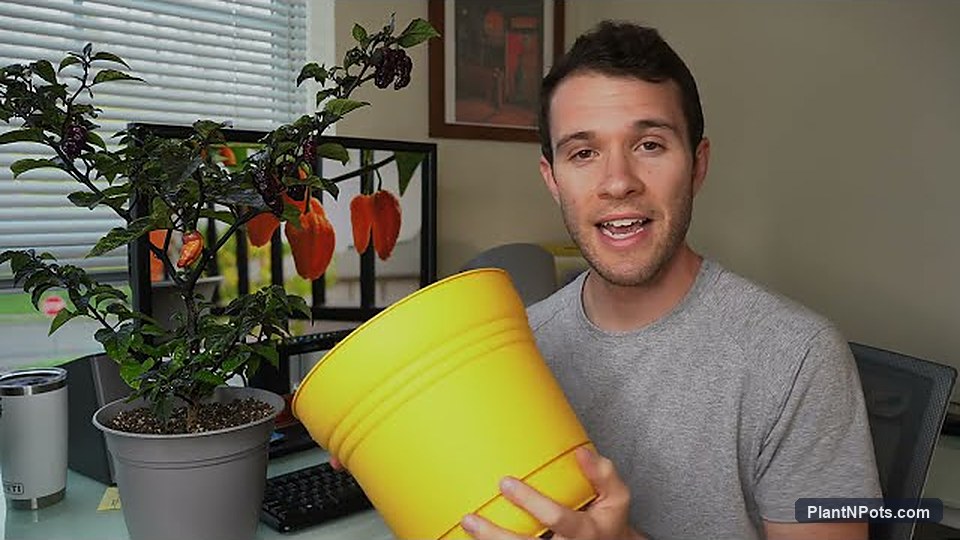
The absolute minimum container size for a single productive jalapeño plant is a five-gallon bucket or pot. Smaller pots dry out too fast and restrict necessary root expansion.
Aim for a container measuring roughly twelve to fourteen inches across the top rim and a matching depth. This geometry accommodates the strong taproot typical of capsicum species.
Fabric containers offer an incredible advantage by promoting natural root pruning through air exposure. This prevents root circling and encourages a dense network of feeder roots.
Plastic pots retain moisture longer, making them ideal for gardeners living in extremely hot, arid desert climates. However, you must ensure they feature ample drainage holes at the base.
A three-gallon container serves as the absolute minimum volume for standard jalapeño cultivars, offering roughly twelve inches of depth. Larger five-gallon buckets provide superior thermal mass and moisture retention for high-yield summer production.
While traditional [chinese porcelain planter pots](https://plantnpots.com/?p=1171) look stunning, container geometry matters just as much as raw volume. Opt for a wider top diameter to simplify future plant extraction and root management.
Fabric smart pots enhance root health by air-pruning secondary roots, preventing the circular root-circling habit common in plastic containers. This natural pruning encourages a dense, fibrous root mass capable of absorbing maximum water and nutrients.
Avoid shallow bowls or window boxes that limit vertical root expansion, forcing stunted foliage and diminished pepper yields. Matching container dimensions to the adult plant size ensures sustained vigor from transplanting right through final autumn harvests.
- Five gallons is the baseline volume for success
- Match rim width with sufficient container depth
- Fabric pots air-prune roots for superior health
- Plastic planters retain moisture in arid regions
Video Walkthrough: The PERFECT Container Size For Every Pepper Plant
Mastering Drainage Requirements for Healthy Pepper Roots
Jalapeño roots rot rapidly when forced to sit in stagnant water for more than a few hours. Ensuring optimal drainage is the single most critical factor in container gardening success.
When [selecting the correct container size](https://plantnpots.com/?p=6664), drill extra half-inch holes if your planter lacks water escape routes. Elevating pots on pot feet further improves downward drainage before you add soil.
Avoid placing heavy gravel layers at the bottom of containers, as this actually creates a perched water table. Instead, fill the entire pot with a homogeneous soil blend.
Lining fabric pots with plastic is strictly counterproductive because it traps excess moisture right against the root ball. Let gravity pull surplus water freely into an approved saucer.
Jalapeño roots detest sitting in water, making adequate bottom drainage non-negotiable for container survival. Ensure your chosen pot contains multiple half-inch drainage holes distributed evenly across the absolute lowest point of the base.
Using quality [terracotta pots with drainage holes](https://plantnpots.com/?p=1313) guarantees unobstructed airflow beneath your container. Elevating these vessels on pot feet prevents anaerobic conditions, stopping fatal root rot and sudden midsummer wilting.
Avoid adding gravel or rocks to the bottom of containers, as perched water tables actually rise into the soil. Instead, use a porous landscape fabric layer to keep soil inside while letting excess irrigation water escape freely.
Inspect drainage ports monthly during the active growing season to clear any compacted soil or escaping roots. Maintaining clear pathways prevents waterlogging after heavy rainstorms and keeps your pepper plants thriving through intense watering routines.
- Stagnant water quickly causes fatal root rot
- Drill extra holes if factory drainage seems inadequate
- Skip bottom gravel layers to prevent perched water
- Allow gravity to pull excess water into saucers
Blending the Ultimate Potting Mix for Container Jalapeños
Never use heavy garden soil inside containers because it compacts quickly and suffocates delicate roots. Use a soilless potting mix enriched with organic compost and perlite.
Incorporating twenty percent perlite or coarse sand guarantees excellent aeration and rapid water percolation through the root zone. Peppers despise heavy, oxygen-deprived mud.
Maintain a slightly acidic soil pH between 6.0 and 6.8 to optimize nutrient uptake for your container peppers. You can amend mixes with agricultural lime if necessary.
Pre-moisten your potting medium thoroughly before filling containers to prevent dry pockets that repel water during initial irrigation. A sponge-like texture indicates correct moisture balance.
Container jalapeños require a lightweight, airy substrate that drains rapidly while retaining just enough moisture between waterings. Never use heavy garden soil straight from the ground, because it compacts severely inside confined pot spaces.
Combine equal parts quality compost, perlite, and peat moss to create an ideal growing environment for peppers. The perlite introduces crucial air pockets, while compost delivers slow-release organic nutrients essential for robust fruit production.
Maintain a slightly acidic soil pH between 6.0 and 6.8 to optimize nutrient availability for your fruiting plants. Test your custom potting mix with a digital meter before planting to catch imbalances early and amend accordingly.
Mix in a slow-release organic fertilizer granules directly into the soil blend to provide baseline nutrition for months. This eliminates frequent early-season feeding and supports steady vegetative growth before flowers begin setting fruit.
- Avoid dense garden dirt inside plant containers
- Mix in perlite to maintain vital soil aeration
- Target a slightly acidic pH for optimal feeding
- Pre-moisten potting mix before planting seedlings
Transitioning Seedlings Outdoors Safely and Correctly
Move your jalapeño seedlings outdoors only after all danger of spring frost has completely passed. Nighttime temperatures must consistently stay above fifty-five degrees Fahrenheit.
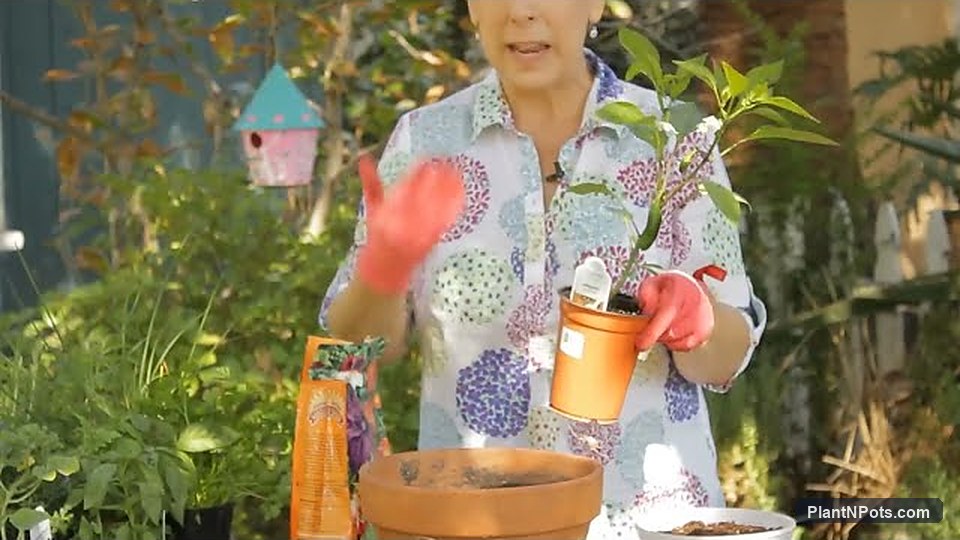
Harden off tender indoor seedlings over a seven to ten day period by exposing them gradually to outdoor wind and direct sunlight. Skipping this shocks the foliage.
Start with one hour of dappled morning shade on the first day, increasing outdoor exposure slowly each afternoon. Watch closely for sun-scorched white patches on vulnerable leaves.
Once acclimated, place your pots in a location receiving at least six to eight hours of direct daily sunlight. Inadequate light drastically reduces future fruit set.
Hardening off young jalapeño seedlings is mandatory to prevent sunscald and wind shock when moving them outside. Begin this gradual transition only after nighttime temperatures consistently remain above fifty-five degrees Fahrenheit.
Place seedlings in a sheltered, shady spot outdoors for just one hour on the very first day. Increase their direct sunlight exposure by an hour daily over a ten-day period to build natural cellular resilience.
Protect tender young plants from high winds and heavy downpours during their first week in the open elements. Bring pots indoors immediately if unexpected cold snaps or severe storms threaten your newly relocated garden containers.
Monitor soil moisture closely during the hardening process, as outdoor breezes dry out potting mixes much faster. Once fully acclimated, transplant them into their final permanent containers and position them in full sun.
- Wait until frost risks pass completely outdoors
- Harden off indoor starts gradually over ten days
- Protect tender leaves from sudden harsh sunlight
- Position containers in full daily sunlight
Video Walkthrough: What size pot for peppers?
Managing Moisture, Sunlight, and Heat Stress Outdoors
Potted plants require significantly more frequent watering than garden beds because their soil dries out rapidly. Check moisture levels daily by inserting a finger two inches deep.
Water deeply until liquid runs freely from the bottom drainage holes, ensuring the entire root ball receives hydration. Avoid shallow, daily sprinkles that only wet the surface.
Extreme afternoon heat can cause blossoms to drop and leaves to curl defensively against scorching rays. Provide temporary shade cloth during the hottest summer weeks if necessary.
Mulching the top of your container soil with organic straw helps retain precious moisture during relentless heat waves. This practice also prevents soil from splashing onto leaves.
Container-grown jalapeños demand full direct sunlight for at least six to eight hours every single day. Position pots facing south or west to maximize light exposure, which directly increases pepper heat levels and overall yields.
Water deeply whenever the top two inches of potting mix feel completely dry to the touch during summer. During heatwaves, container plants may require twice-daily watering to counteract rapid evaporation from unshaded plastic or terracotta surfaces.
Prevent blossom drop by shielding plants from extreme ambient temperatures exceeding ninety-five degrees Fahrenheit. Use breathable shade cloth during peak afternoon hours to lower ambient leaf temperature and protect setting fruit from scorching.
Mulch the surface of your containers with organic straw or bark to insulate roots against intense thermal spikes. This simple layer drastically reduces water loss and keeps beneficial soil microbes active during scorching summer afternoons.
- Containers dry out faster than garden beds
- Water deeply until drainage occurs at base
- Use shade cloth during extreme heat waves
- Apply organic mulch to retain soil moisture
Troubleshooting Common Issues Like Flower Drop and Pests
Temperature swings above ninety degrees frequently cause outdoor jalapeños to drop their flowers without setting fruit. Maintain steady soil moisture to minimize this environmental shock.
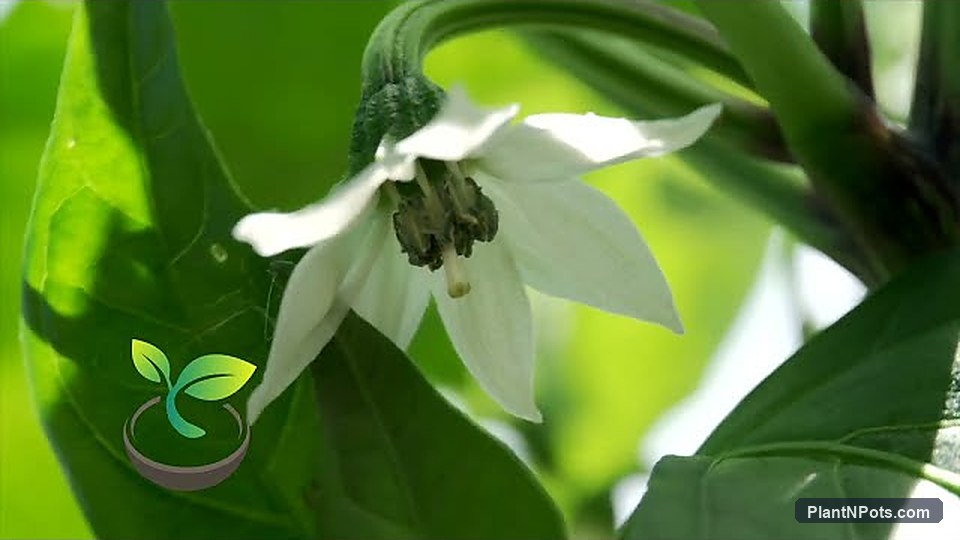
Inspect the underside of leaves weekly for microscopic sap-sucking pests like aphids or spider mites. Treat infestations immediately using organic insecticidal soap sprays applied at dusk.
Yellowing lower leaves usually indicate nitrogen deficiency or overwatering rather than simple aging. Adjust your feeding schedule and verify that your drainage holes remain completely clear.
Consistent maintenance prevents most container gardening failures before they damage your valuable pepper plants. Keep foliage dry by watering the soil directly at the base.
Flower drop commonly occurs due to sudden temperature swings, erratic watering schedules, or excessive nitrogen fertilizer applications. Maintain consistent soil moisture and switch to a phosphorus-rich formula once blooming starts to encourage heavy fruit sets.
Inspect the underside of leaves weekly for microscopic pests like spider mites and aphids that target stressed plants. Spray affected foliage thoroughly with organic insecticidal soap or neem oil during the cool evening hours.
Address yellowing lower leaves by checking your watering frequency and ensuring proper nutrient balance in the soil mix. Overwatering washes away vital micronutrients, while underwatering chokes root systems of the oxygen needed for nutrient absorption.
Prune away any diseased or dead foliage immediately to improve air circulation and prevent fungal spore propagation. Keeping the canopy clean ensures your container jalapeños stay productive and healthy all season long without major setbacks.
- High heat swings trigger unwanted blossom drop
- Inspect leaf undersides weekly for tiny pests
- Yellow leaves signal overwatering or low nitrogen
- Water soil directly to keep plant foliage dry
Frequently Asked Questions
Can I grow two jalapeño plants in one large pot?
Growing two plants in a single container is strongly discouraged because their extensive root systems will fiercely compete for restricted water and essential soil nutrients.
For maximum fruit yields and healthy overall development, you must always allocate a full five-gallon pot exclusively to one single individual jalapeño plant.
What happens if my jalapeño pot is too small?
Using an undersized pot restricts root expansion, which quickly leads to stunted top growth, premature wilting during warm afternoons, and drastically reduced pepper yields overall.
You will also need to water and fertilize constantly because tiny pots hold very little nutritional reserve.
Should I use plastic or fabric pots for peppers?
Both materials work wonderfully depending entirely on your specific regional climate and watering habits. Plastic pots retain moisture longer in hot arid zones, whereas breathable fabric containers prevent root circling by naturally air-pruning the root mass.
How often should I water a potted jalapeño plant?
Container peppers usually require daily watering during peak summer heat waves when ambient temperatures soar into the nineties. Always check soil moisture with your finger before watering to avoid over-saturation.
Do potted jalapeños need regular fertilizer applications?
Container watering rapidly leaches essential nutrients out of the potting mix over time. Feed your peppers every two weeks using a balanced organic fertilizer formulated specifically for vegetable crops.

