Discover the exact container dimensions and soil requirements needed to harvest abundant, crisp cucumbers from your balcony or patio garden today.
Key Takeaway:
Standard vining cucumbers require at least a 5-gallon container holding a minimum of 12 inches of depth to support extensive root systems and heavy fruit yields.
Quick-Reference Guide
| Factor / Scenario | Recommended Target | Why It Matters |
|---|---|---|
| Vining Cucumber Pot | 5 to 10 Gallons | Provides adequate root room for large plants. |
| Bush Cucumber Pot | 3 to 5 Gallons | Accommodates compact root balls of dwarf cultivars. |
| Pot Depth | At least 12 Inches | Prevents root stunting and supports vertical growth. |
| Soil pH Range | 6.0 to 6.8 | Optimizes nutrient uptake for vigorous vine health. |
| Minimum Sunlight | 6 to 8 Hours | Ensures proper fruit set and disease resistance. |
| Drainage Holes | Multiple 1/2-Inch Openings | Stops waterlogging and prevents fatal root rot. |
Determining the Ideal Cucumber Container Dimensions
Choosing the correct container size directly dictates your overall harvest volume and plant health. Undersized pots restrict root development, leading to premature leaf drop and stunted cucumbers.
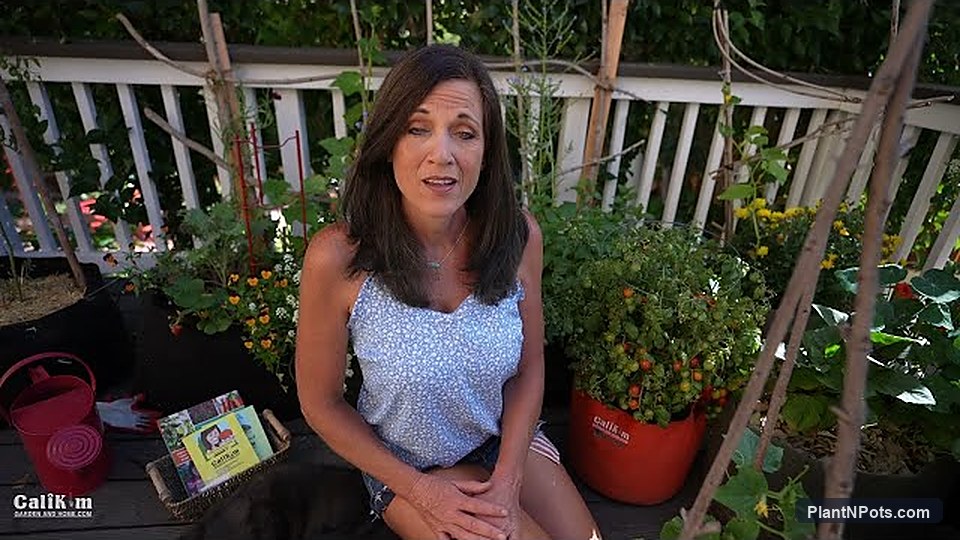
For standard vining cultivars, always select a pot holding at least 5 gallons of soil. This volume ensures sufficient moisture retention during hot summer afternoons.
Compact bush varieties perform exceptionally well in smaller spaces when paired with efficient self watering systems. This setup helps maintain steady moisture levels alongside standard depth requirements.
Depth matters just as much as overall volume for successful container gardening. Ensure your chosen vessel measures a minimum of 12 inches deep to accommodate taproots.
- Match pot capacity directly to the specific cucumber cultivar habit.
- Choose wider containers to enhance overall stability against heavy wind.
- Verify internal pot dimensions before purchasing or filling with soil.
- Avoid tapered pots that restrict bottom root expansion significantly.
Evaluating Plastic Versus Ceramic Materials
Plastic pots retain soil moisture much longer than unglazed terra cotta containers. This property reduces watering frequency during peak summer heat waves.
Heavy ceramic and terra cotta planters provide exceptional stability for tall trellised vines. However, they remain difficult to relocate once filled with wet soil.
- Opt for lightweight plastic containers on elevated balconies.
- Use heavy ceramic vessels for wind-prone ground-level patios.
Preparing Your Vegetable Containers and Drainage Layers
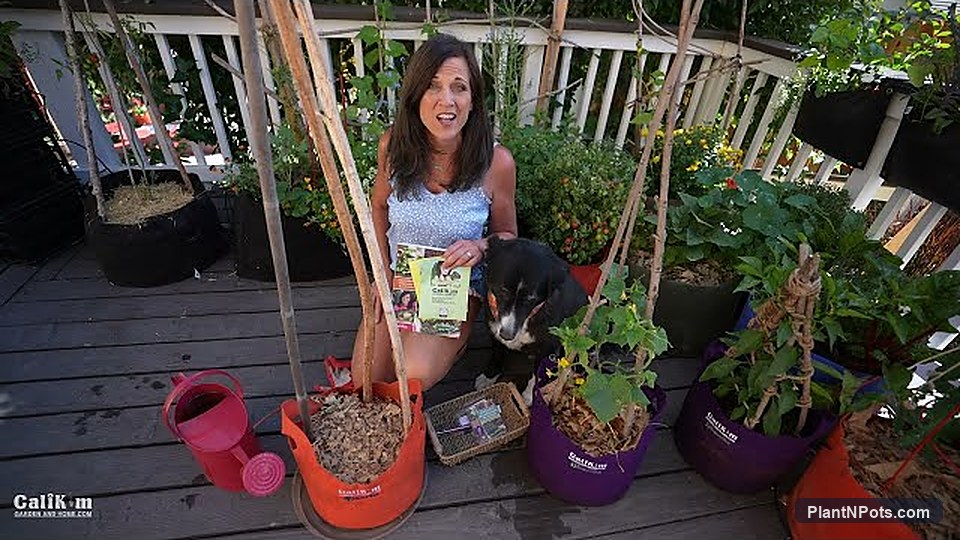
Proper drainage setup prevents standing water from suffocating delicate cucumber root systems. Inspect your chosen container thoroughly to verify existing drainage hole adequacy.
Drill extra half-inch holes if your manufactured planter lacks sufficient egress paths. Standing water invites fungal pathogens and rapid root rot within days.
Cover large bottom holes with porous landscape fabric instead of utilizing traditional [clay planter pots](https://plantnpots.com/?p=3254) with restricted outlets. This simple step keeps soil securely inside while allowing excess water to escape freely.
Avoid placing heavy gravel layers at the bottom of containers. Physics dictates that perched water tables actually rise when coarse drainage layers are introduced.
- Drill multiple drainage holes in custom wooden or plastic planters.
- Use mesh screens to prevent potting soil from washing away.
- Elevate containers slightly using pot feet to maximize airflow.
- Inspect drainage outlets monthly during heavy monsoon seasons.
Sanitizing Used Garden Containers
Clean previously used pots thoroughly before planting new cucumber seedlings. Scrub interior walls with a diluted bleach solution to eliminate lingering fungal spores.
Rinse containers meticulously with clean water after sanitization to remove chemical residues. Let vessels dry completely in direct sunlight before adding fresh soil.
- Scrub away old soil crusts using a stiff nylon brush.
- Soak plastic pots in mild disinfectant solutions for ten minutes.
Video Walkthrough: Search filters
Selecting Quality Potting Mixes for Container Cucumbers
Never use dense garden earth inside enclosed vessels because it compacts severely. Always select a quality [soilless potting mix](https://plantnpots.com/?p=5492) that prevents compaction and supports heavy root growth.
A premium potting mix incorporates peat moss, perlite, and aged compost. This balanced blend guarantees optimal aeration and moisture retention for heavy feeders.
Incorporate slow-release organic granular fertilizers directly into the potting mix before planting. This foundational step supplies balanced nutrition during early vegetative growth stages.
Maintain a slightly acidic soil pH ranging between 6.0 and 6.8. Test your potting substrate periodically to ensure optimal nutrient availability for roots.
- Purchase sterile commercial mixes to avoid weed seeds and pests.
- Blend in compost to boost microbial activity within the pot.
- Avoid dense garden topsoil that restricts oxygen diffusion.
- Fluff dry potting mix with water before filling containers.
Amending Mixes for Enhanced Moisture Control
Add horticultural vermiculite to your potting mix if you live in arid regions. Vermiculite holds extra moisture, preventing soil from drying out too quickly.
Incorporate coarse perlite to improve structural porosity if your climate experiences frequent heavy rains. Good aeration prevents waterlogging during prolonged storms.
- Mix in organic worm castings for gentle, sustained nutrition.
- Add perlite to boost drainage in humid coastal environments.
Essential Watering and Moisture Management Techniques
Container-grown cucumbers demand consistent moisture to prevent bitter-tasting fruits. Erratic watering schedules cause extreme stress, ruining your harvest quality completely.
Check soil moisture daily by inserting your finger two inches deep. If the mix feels dry at that depth, water thoroughly until it escapes drainage holes.
Water containers early in the morning to minimize leaf wetness duration. Morning irrigation reduces the incidence of powdery mildew and other fungal issues.
Apply a thick layer of organic mulch across the soil surface. Straw or shredded bark drastically reduces evaporation rates during scorching summer afternoons.
- Water deeply until liquid flows freely from bottom drainage holes.
- Avoid shallow sprinkling that only moistens the topsoil layer.
- Install automated drip emitters for reliable daily irrigation.
- Check pots twice daily during heat waves exceeding ninety degrees.
Recognizing Signs of Moisture Stress
Wilting foliage during the afternoon indicates that water demand exceeds supply. Increase watering frequency immediately if plants droop consistently before evening.
Yellowing lower leaves often signal overwatering and oxygen-starved roots. Let the topsoil dry slightly before your next scheduled irrigation cycle.
- Monitor leaf turgor pressure closely during hot weather.
- Adjust watering volumes based on daily wind and temperature.
Providing Reliable Support Structures for Vining Varieties
Vining cucumber plants require sturdy trellises or cages inside containers. Installing support early prevents accidental damage to fragile stems and developing roots.
Insert cylindrical wire cages directly into the soil during planting time. Secure main stems loosely to the vertical bars using soft plant ties.
A-frame trellises placed behind pots maximize vertical space on small balconies. Vertical training improves air circulation and keeps developing fruits away from damp soil.
Ensure your container remains heavy enough to counterbalance tall trellises. Heavy pots prevent the entire assembly from tipping over during strong winds.
- Install trellises before vines begin producing tendrils.
- Use soft garden twine to tie heavy stems securely.
- Position containers against walls for extra wind stability.
- Harvest fruits promptly to reduce weight stress on vines.
Building DIY Tomato Cage Supports
Standard conical tomato cages work wonderfully for container cucumbers. Push the metal legs deeply into the potting mix to secure the structure.
Train wandering tendrils upward manually during their initial growth phase. Once established, vines will climb the wire structure independently.
- Anchor cage feet securely near the bottom of the pot.
- Guide unruly lateral branches back into the interior cage.
Nutritional Requirements and Regular Feeding Schedules
Container gardening leaches vital nutrients rapidly due to frequent watering. Establishing a consistent feeding routine is critical for continuous fruit production.
Apply a balanced water-soluble organic fertilizer every two weeks. High-nitrogen formulas promote lush vines initially, while phosphorus supports heavy blooms.
Switch to a low-nitrogen, high-potassium fertilizer once flowering begins. This nutrient shift encourages maximum fruit development and superior flavor profiles.
Flush container soils every month with plain water to remove salt buildup. Mineral accumulation from fertilizers can quickly burn sensitive plant roots.
- Dilute liquid fertilizers according to manufacturer instructions carefully.
- Feed plants consistently throughout the active growing season.
- Watch for pale green leaves indicating a potential nitrogen deficiency.
- Flush pots periodically to prevent harmful mineral salt crusts.
Identifying Common Nutrient Deficiencies
Interveinal chlorosis on older leaves suggests a magnesium shortage. Supplement your routine feeding with a diluted Epsom salt spray for quick relief.
Blossom end rot in developing fruits points to calcium stress and erratic watering. Maintain even moisture levels and provide adequate calcium amendments.
- Apply foliar sprays during cloudy weather to prevent burning.
- Test soil nutrient levels if growth stalls unexpectedly.
Troubleshooting Common Pests and Disease Challenges
Container plants remain susceptible to common garden pests like aphids and spider mites. Inspect undersides of leaves weekly to catch early infestations promptly.
Spray infested foliage with insecticidal soap or neem oil during evening hours. Direct contact effectively controls soft-bodied insects without harming beneficial pollinators.
Powdery mildew frequently attacks crowded cucumber foliage in humid conditions. Space containers adequately and remove infected leaves to stop fungal spread.
Hand-pollinate indoor or balcony flowers if native bees are scarce. Use a small cotton swab to transfer pollen from male blossoms to female flowers.
- Prune lower leaves to enhance airflow around the base.
- Isolate newly purchased plants to prevent pest introductions.
- Remove heavily diseased vines immediately to protect healthy crops.
- Hand-pollinate flowers early in the morning for best results.
Managing Environmental Shock Symptoms
Sudden temperature drops can shock young container-grown cucumber starts. Move portable pots indoors if unexpected frost or freezing winds threaten.
Provide temporary shade cloth protection during intense heat waves. Excessive thermal stress causes blossom drop and ruins delicate fruit sets.
- Harden off indoor seedlings gradually before outdoor exposure.
- Shield containers from severe afternoon sun using umbrellas.
Frequently Asked Questions
Can I grow more than one cucumber plant in a single pot?
You can plant two bush cucumbers in a 5-gallon container if spaced properly. Vining varieties require an entire 5-gallon pot dedicated to a single plant.
How deep do cucumber roots actually grow in containers?
Cucumber roots typically explore the top 8 to 12 inches of soil. Providing a pot depth of at least 12 inches ensures healthy root expansion.
Why are my container cucumbers turning yellow and dropping off?
Unpollinated female flowers or erratic watering schedules cause baby fruits to yellow. Ensure consistent moisture and hand-pollinate flowers if bees are absent.
What is the best way to prevent powdery mildew on potted vines?
Ensure pots receive full sunlight and adequate spacing for airflow. Water the soil directly rather than wetting foliage to prevent fungal spore germination.
How often should I fertilize cucumbers growing in containers?
Apply a balanced water-soluble fertilizer every two weeks during the active growing season. Flush the soil monthly to prevent harmful mineral salt buildup.

