Master container gardening for tomatoes by matching pot volume to plant growth habits. Prevent root restriction and maximize your seasonal harvest safely.
Key Takeaway:
Use a minimum 5-gallon container for dwarf varieties, but always step up to 10 to 20 gallons for large indeterminate vines to ensure heavy yields.
Tomato Container Quick-Reference Guide
| Tomato Variety Type | Minimum Pot Volume | Ideal Depth | Key Support Requirement |
|---|---|---|---|
| Micro Dwarf Varieties | 2 to 3 Gallons | 8 to 10 Inches | Minimal stake or cage |
| Determinate / Bush | 5 Gallons | 12 Inches | Sturdy tomato cage |
| Indeterminate Vining | 10 to 15 Gallons | 14 to 16 Inches | Heavy-duty trellis or stakes |
| Cherry Varieties | 7 to 10 Gallons | 12 to 14 Inches | Reliable vertical staking |
| Heirloom Giants | 15 to 20 Gallons | 16 to 18 Inches | Robust structural anchoring |
| Potted Patio Types | 5 Gallons | 12 Inches | Standard wire cage |
Understanding Tomato Root Systems and Container Volume
Tomato plants develop remarkably aggressive root structures that demand adequate space. Restricting these vital roots severely limits overall plant vigor and seasonal fruit production.
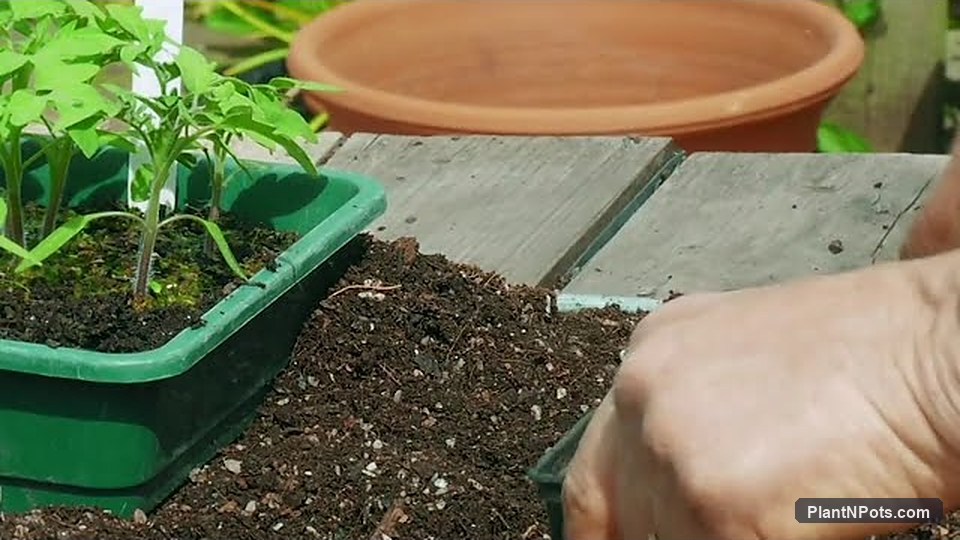
A container holding at least five gallons of soil serves as the absolute baseline for smaller plants. Larger indeterminate vines require much more volume to sustain daily water uptake.
Gardeners often underestimate how quickly thirsty tomato roots fill a given space. Providing generous soil volumes prevents premature root binding and supports continuous nutrient absorption.
Insufficient growing volume directly leads to accelerated drying, nutrient deficiencies, and stunted fruit development. Matching your pot size to the specific cultivar ensures healthy seasonal growth.
Tomatoes develop extensive root systems reaching up to four feet deep in ideal garden soil. Container-grown plants require precise volume calculations to support heavy foliage and fruit yields without stunting development.
- Root systems expand rapidly within the first month of warm weather.
- Smaller pots dry out within hours during peak summer heat waves.
- Adequate soil volume buffers root zones against drastic temperature swings.
- Healthy root tips require continuous oxygen exchange inside the substrate.
The Mechanics of Root Expansion
Selecting a deep container like the [best planter for tomatoes](https://plantnpots.com/?p=3573) ensures your heavy root systems thrive. Adequate vertical volume accommodates natural downward growth habits without restriction.
Deep soil layers encourage downward anchoring roots while upper zones collect vital nutrients. Balancing container height and width creates an optimal environment.
- Encourage branching roots by avoiding overly smooth inner pot walls.
- Maintain loose structural aeration to prevent dense root compaction zones.
Sizing Containers by Tomato Growth Habit and Variety
Determinate tomato varieties stop growing once fruit sets, making a five-gallon container ideal. These bush types stay compact and manage well within restricted root spaces.
Indeterminate tomatoes grow continuously until frost kills the vine. These heavy producers demand ten to twenty gallon pots to support extensive root networks.
Micro dwarf tomatoes thrive in remarkably small spaces like windowsills. A two-gallon pot provides enough room for these tiny selections to produce sweet fruit.
Cherry and saladette tomatoes require moderate space for heavy fruit clusters. A seven-gallon pot strikes an ideal balance for vigorous mid-sized producing vines.
Determinate bush varieties produce fruit simultaneously and thrive comfortably in compact five-gallon buckets. Indeterminate climbing cultivars demand massive containers holding at least fifteen gallons to sustain continuous growth throughout the warm summer season.
- Match every container size directly to the adult plant's mature width.
- Avoid cramming large indeterminate vines into small patio pots.
- Bush varieties tolerate tighter root boundaries than rambling heirlooms.
- Check seed packets for mature plant dimensions before selecting pots.
Adapting to Patio Space Constraints
Urban balconies often limit how large your containers can grow. Selecting compact bush cultivars lets you harvest abundant fruit without heavy oversized pots.
Integrating a space-saving design like a [compact hanging container](https://plantnpots.com/?p=2968) maximizes vertical room efficiently. Careful spatial arrangement allows urban gardeners to cultivate thriving foliage without sacrificing valuable floor clearance.
- Calculate balcony weight limits when soil and water are fully saturated.
- Use lightweight fabric bags to simplify moving patio containers around.
Video Walkthrough: The Best Pot Size for Growing Tomatoes??? (Big or Small)
Evaluating Depth Versus Width for Vigorous Growth
Tomato plants need substantial depth to anchor heavy top growth securely. Shallow bowls cause plants to tip over easily during windstorms or heavy rains.
A minimum depth of twelve inches allows taproots to establish proper stability. Width matters too, accommodating the sprawling horizontal spread of feeder roots.
Proportional sizing prevents soil from remaining soggy at the very bottom. Deep containers require excellent drainage holes to prevent standing water buildup.
Balancing container dimensions ensures roots access both oxygen at the surface and moisture deep below. Avoid ultra-wide shallow trays entirely for tomatoes.
Selecting pots with adequate vertical depth matters more than mere surface width. Tomato roots naturally push downward, meaning planters must measure at least twelve inches deep to prevent premature root circling and nutrient lockout.
- Prioritize vertical depth alongside reasonable container diameter.
- Ensure pot height equals or exceeds its top opening width.
- Deep containers protect roots from intense surface sun baking.
- Check that drainage holes sit clear of flat ground surfaces.
Preventing Top-Heavy Tipping Hazards
Heavy fruit loads shift the center of gravity upward dramatically. Wide base diameters prevent mature tomato containers from blowing over in breezes.
Add heavy gravel or stones to the lower base of tall pots if local winds frequently threaten your container garden setup.
- Anchor tall containers securely against sturdy patio railings.
- Keep soil uniformly moist to prevent top-heavy leaning issues.
How Container Materials Impact Soil Moisture and Heat
Black plastic pots absorb intense solar radiation, cooking delicate root systems. Selecting light-colored or breathable materials keeps root zone temperatures safely regulated.
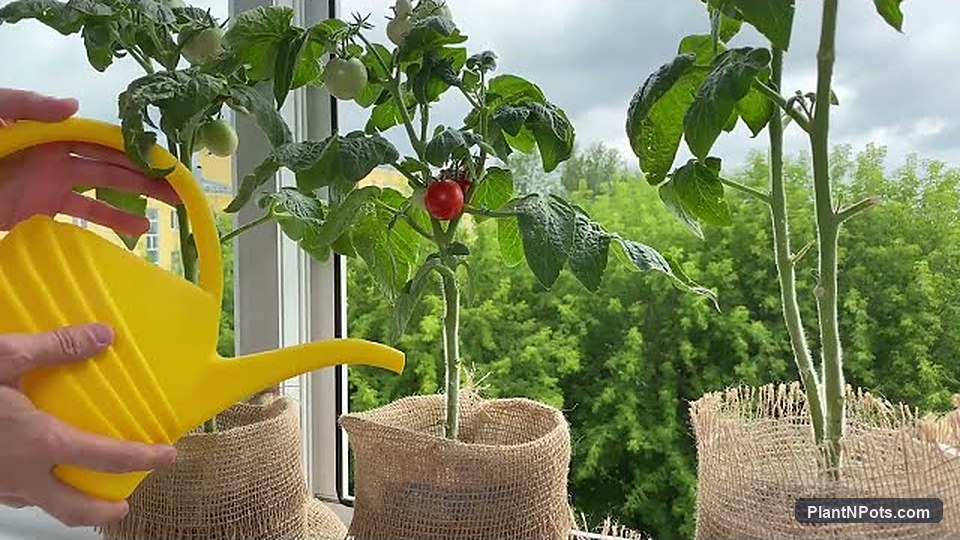
Utilizing breathable container options such as an ideal pot for your plants prevents heat buildup. Proper insulation shields sensitive root zones from damaging thermal extremes during hot summer afternoons.
Traditional terra cotta pots breathe well but dry out extremely fast. Gardeners must monitor moisture levels daily when growing tomatoes in unglazed clay.
Glazed ceramic containers retain moisture longer but remain heavy to move. Choose materials that match your local climate and watering routine availability.
Plastic pots retain moisture efficiently but trap excess heat around delicate root zones during peak afternoon temperatures. Fabric containers offer superior aeration and prevent circling roots through natural air pruning, though they dry out rapidly.
- Fabric containers prevent circling roots through natural air pruning.
- Plastic pots retain moisture longer but risk overheating in direct sun.
- Terra cotta requires frequent watering during hot summer afternoons.
- Insulate lightweight pots with outer decorative containers if needed.
Managing Soil Temperature Extremes
Tomato roots prefer soil temperatures between seventy and eighty degrees. Extreme heat halts nutrient uptake and causes blossom drop rapidly.
Shade exposed pot exteriors with larger plants or screens during scorching heat waves to protect active root tips from thermal stress.
- Elevate pots on bricks to improve under-container airflow.
- Use light-colored mulch on top soil to reflect harsh sunlight.
Essential Soil Blends, Drainage, and Structural Support
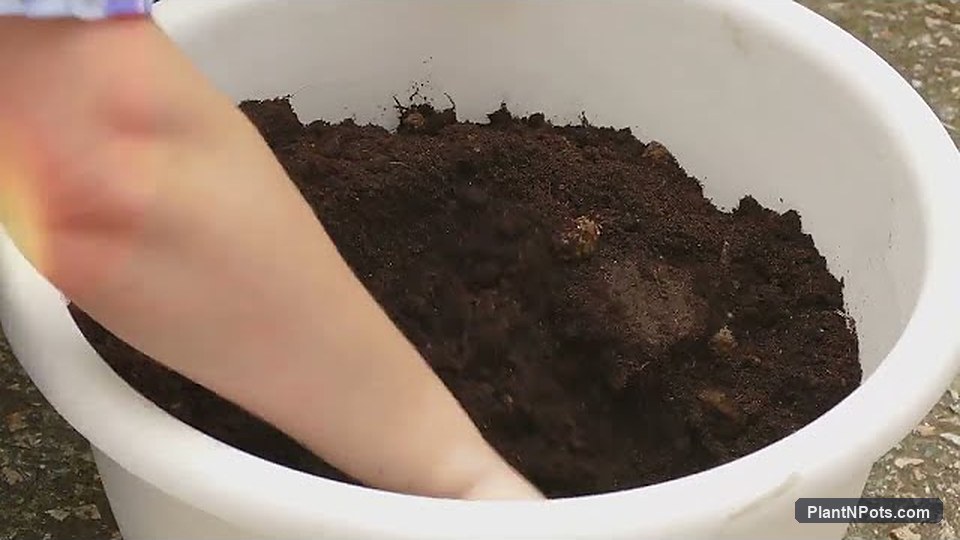
Container tomatoes rely entirely on premium, well-draining potting mixes. Never use heavy garden soil, which compacts tightly and suffocates containerized roots.
Incorporate organic compost and perlite to maintain ideal moisture retention and aeration. Proper drainage holes are non-negotiable for preventing fatal root rot.
Install sturdy stakes or tomato cages while potting your young plants. Adding supports later damages established root systems and weakens the vine structure.
Mulch the soil surface generously to reduce water evaporation and prevent soil-borne pathogens from splashing onto lower tomato leaves during watering.
Never use dense garden soil inside restricted containers because it severely restricts vital oxygen flow. Mix rich compost with perlite and peat moss to create a well-draining medium that retains adequate moisture between daily watering sessions.
- Always choose sterile potting mix over native garden dirt.
- Drill extra drainage holes if your container lacks sufficient outflow.
- Install tomato cages deep into the soil before roots fill the pot.
- Mix slow-release organic fertilizers into the substrate during planting.
Maintaining Substrate Porosity Over Time
Heavy watering gradually washes fine organic particles through drainage holes. Refresh top layers annually or repot into fresh blend formulas seasonally.
Avoid pressing potting mix down too firmly when filling containers. Retaining loose air pockets encourages vigorous root development and quick establishment.
- Fluff topsoil gently with a hand trowel between watering sessions.
- Add fresh compost yearly to restore depleted organic nutrients.
Video Walkthrough: How to Grow Tomatoes in SMALL SPACE Flower Pot, Tomato Cage Trellis GREAT \u0026 CHEAP, Container Garden
Diagnosing Container Stress and Root Bound Warning Signs
Stunted top growth paired with daily wilting usually indicates a root-bound plant. When roots exhaust available soil, the plant can no longer absorb enough water.
Check drainage holes regularly for visible roots escaping the pot. If roots circle tightly inside, your tomato desperately requires a larger container.
Nutrient deficiencies often appear even with regular feeding in cramped pots. Restricted roots fail to utilize available minerals efficiently under high stress.
Yellowing lower leaves and dropped blossoms signal that root congestion has peaked. Transferring the plant upward can sometimes salvage a struggling harvest.
Sudden leaf yellowing and stunted fruit development often signal that your tomato plant has become severely root bound. Inspect drainage holes regularly for escaping roots, which indicates an urgent need for transplanting into larger containers.
- Inspect container base holes monthly for escaping roots.
- Watch for rapid drying cycles that demand twice-daily watering.
- Address sudden nutrient deficiency signs by checking root volume.
- Prune excessive top growth if root restriction cannot be fixed.
Emergency Steps for Root-Bound Tomatoes
Gently massage dense root balls to loosen tightly wound outer fibers before replanting. This encourages new roots to venture outward into fresh soil.
Water thoroughly immediately after transplanting to help the stressed root system settle comfortably into its new, larger container environment.
- Keep newly transplanted tomatoes in partial shade for two days.
- Trim away dead or broken roots cleanly with sterilized shears.
Preventing Common Mistakes in Tomato Container Gardening
Many growers start small, planting vigorous tomatoes in tiny decorative containers. Starting in properly sized pots prevents the shock of mid-season repotting.
Skipping drainage holes guarantees waterlogged soil and root rot diseases. Always verify that water escapes freely from the bottom of your pots.
Under-watering large tomato plants in high heat leads to blossom end rot. Maintain consistent moisture levels throughout the entire root zone daily.
Overlooking heavy feeding schedules stunts container-grown fruiting vines quickly. Potted plants require regular nutrient replenishment because nutrients leach out with drainage.
Avoid using decorative pots completely lacking bottom drainage holes, as stagnant water rapidly causes fatal root rot. Maintain consistent watering schedules when outdoor ambient temperatures exceed eighty-five degrees Fahrenheit to prevent blossom end rot.
- Never block container drainage holes with flat stones completely.
- Avoid erratic watering schedules that trigger fruit cracking issues.
- Feed container tomatoes with balanced organic liquid fertilizer weekly.
- Position pots where they receive at least six hours of sun.
Optimizing Sunlight and Air Circulation
Tomatoes thrive in full sun positions with steady natural airflow. Crowded containers on dark patios invite fungal diseases like powdery mildew quickly.
Space your containers appropriately to let sunlight reach lower foliage and prevent damp conditions from developing around dense leaf canopies.
- Rotate pots weekly to ensure even sunlight exposure on all sides.
- Prune lower suckers to improve ground-level air circulation.
Frequently Asked Questions
Can I grow a full-size tomato plant in a 5-gallon bucket?
Yes, a 5-gallon bucket works adequately for determinate bush tomatoes. However, large indeterminate vines require 10 to 20 gallons to prevent root binding.
Why do my potted tomatoes dry out so fast in summer?
Container soil holds less moisture than garden beds and bakes in the sun. Using larger pots and organic mulch helps retain vital water.
Should I use plastic pots or fabric grow bags for tomatoes?
Fabric grow bags prevent root circling through air pruning and regulate soil temperature better. Plastic pots retain moisture longer but can overheat roots.
How deep does a tomato container need to be for healthy roots?
Containers should be at least twelve inches deep to accommodate taproots. Adequate depth prevents the plant from tipping over under heavy fruit loads.
What kind of soil should I put in my tomato pots?
Always use a sterile, well-draining soilless potting mix enriched with compost. Avoid heavy garden dirt that compacts and suffocates container roots.

