Determining what size pot for strawberry plants ensures healthy root expansion and heavy fruit yields. This guide covers container dimensions, drainage needs, and long-term care.
Key Takeaway:
Use a container at least 8 to 12 inches wide per individual crown to guarantee optimal root spacing. Proper sizing prevents root crowding and maximizes sweet berry production.
Quick-Reference Guide
| Factor / Scenario | Recommended Target | Why It Matters |
|---|---|---|
| Single Crown | 8 to 10 Inches | Accommodates a single mature root system without crowding. |
| Three-Plant Container | 12 to 14 Inches | Ideal for standard window boxes or round patio pots. |
| Strawberry Tower | 6 to 8 Inches per Tier | Maximizes vertical space for multiple cascading plants. |
| Hanging Basket | 10 to 12 Inches | Keeps ripening fruit clean and deters garden pests. |
| Minimum Depth | 8 Inches Deep | Provides sufficient vertical space for deep taproots. |
| Soil Volume | 2 to 3 Gallons per Plant | Ensures adequate moisture retention and nutrient holding. |
Understanding Strawberry Root Systems and Space
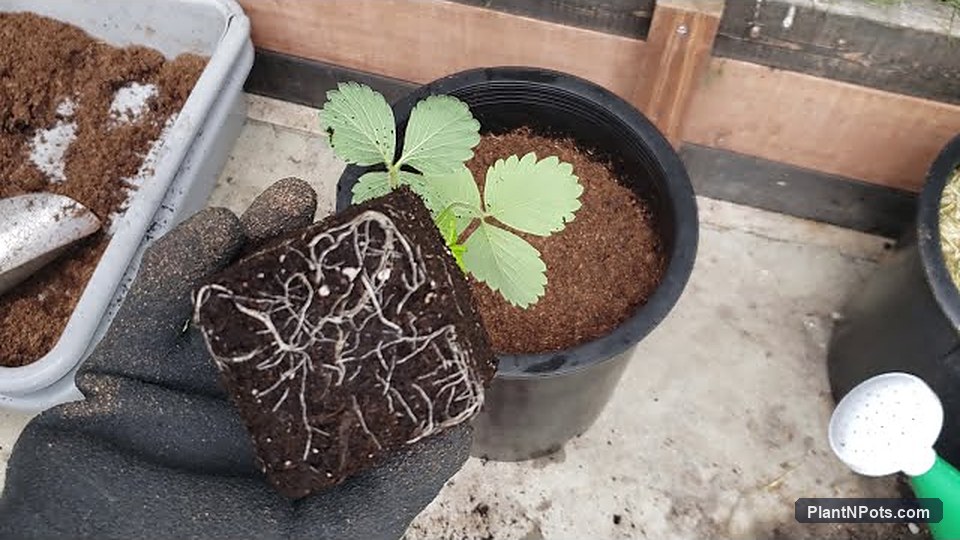
Strawberry plants possess surprisingly deep fibrous root systems that require adequate vertical depth. Gardeners often underestimate how much root space these perennial berry producers demand for strong, seasonal growth.
A restricted root zone directly stunts leaf development and limits fruit production. Choosing the right [vertical strawberry planter models](https://plantnpots.com/?p=1827) provides adequate vertical depth to prevent early nutrient deficiencies.
Day-neutral and everbearing varieties need consistent root room to produce continuous harvests over months. Understanding these biological traits helps you select ideal pot dimensions before purchasing containers for your yard.
Single crown plants behave differently than spreading June-bearing runner producers in restricted setups. Evaluating your chosen cultivar ensures your container gardening setup matches the specific demands of your plants.
- Measure your plant crowns before picking pot widths.
- Account for future runner growth in shared planters.
- Prioritize vertical depth over shallow decorative bowls.
- Inspect nursery roots to gauge current plant vigor.
Single Plant Requirements
Individual strawberry plants thrive when given an independent container measuring eight inches across. This specific width gives fibrous root networks ample lateral space to absorb moisture efficiently.
Avoid cramming multiple crowns into undersized pots to prevent aggressive nutrient competition. Giving each plant dedicated soil volume guarantees superior fruit quality and robust overall health.
- Use one 8-inch pot per single crown.
- Keep soil surface clear of debris.
Selecting Optimal Container Dimensions and Volumes
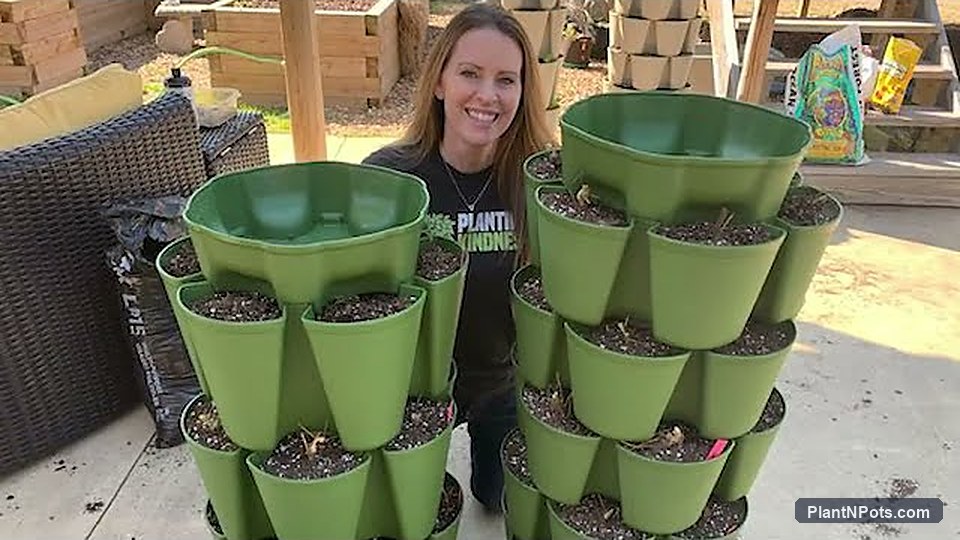
Choosing the correct pot volume prevents drought stress and nutrient leaching in container environments. A standard rule requires two to three gallons of quality potting mix per individual strawberry crown.
Shallower pots dry out rapidly under direct sunlight, scorching delicate feeder roots and ruining harvests. Selecting containers with adequate soil mass buffers temperature swings and maintains steady root moisture levels.
Rectangular window boxes work wonderfully if you space individual crowns at least eight inches apart. This linear spacing ensures optimal air circulation around foliage while preventing fungal diseases like powdery mildew.
Deep containers protect sensitive root systems from extreme winter freezing in colder hardiness zones. Investing in proper pot depth safeguards perennial roots so they return reliably next spring.
- Target 2 to 3 gallons of soil per crown.
- Maintain 8-inch spacing in long window boxes.
- Choose pots at least 8 inches deep.
- Avoid ultra-shallow decorative saucers entirely.
Multi-Plant Planters and Towers
Vertical strawberry towers maximize small spaces by stacking multiple planting pockets vertically. Ensure each pocket holds sufficient soil volume to support healthy root development and berry maturation.
Tiered systems require frequent irrigation because top levels drain directly into lower tiers. Checking these setups alongside a [terra cotta urn planter](https://plantnpots.com/?p=1311) helps gardeners manage moisture distribution levels and prevent dry soil pockets.
- Check moisture levels in all tower tiers.
- Rotate vertical planters for even sun exposure.
Video Walkthrough: Growing Strawberries In Pots Or Containers!
Material Properties for Ideal Strawberry Planters
Terra cotta pots offer excellent breathability but dry out extremely fast in hot summer weather. Gardeners growing in porous clay containers must increase watering frequencies during peak fruit production periods.
Plastic and fiberglass planters retain soil moisture much longer, reducing daily labor for busy growers. These lightweight synthetic materials also resist cracking during unexpected late-season frost events.
Fabric containers provide exceptional air pruning, creating dense and highly efficient root structures naturally. Utilizing breathable fabric bags prevents root circling and promotes superior nutrient absorption across varieties.
Glazed ceramic pots combine aesthetic appeal with moderate moisture retention for patio fruit displays. Heavy glazed ceramic vessels stay anchored firmly against strong winds on exposed balconies.
- Match container material to local climate conditions.
- Account for weight when moving large ceramic pots.
- Use fabric bags for superior root aeration.
- Seal unglazed clay to slow water loss.
Thermal Regulation in Containers
Dark-colored plastic pots absorb intense solar heat, potentially cooking tender roots during summer heatwaves. Utilizing quality [plastic flower pots](https://plantnpots.com/?p=5124) with light-colored finishes protects subterranean plant parts from damaging thermal stress.
Insulated double-walled planters shield root systems from sudden temperature fluctuations in spring and autumn. This thermal stability layer encourages continuous growth and prevents premature plant dormancy.
- Choose white or pastel pots in hot zones.
- Elevate pots slightly off hot concrete surfaces.
Drainage Mechanics and Soil Preparation Essentials
Strawberries absolutely despise sitting in soggy soil, making proper drainage holes non-negotiable features. Always verify that your chosen container drainage system allows excess water to escape rapidly after irrigation.
Line the bottom of large planters with porous landscape fabric to prevent soil washout. Good drainage layer practices keep potting mix inside the vessel while ensuring optimal water movement downward.
Fill containers with a rich, well-draining potting mix amended with organic compost. This nutrient-dense soil blend supplies essential minerals while maintaining the loose texture that strawberry roots prefer.
Avoid heavy garden dirt because it compacts severely inside restricted container environments over time. Using sterile potting substrates eliminates weed seeds, soil-borne pathogens, and destructive garden pests effectively.
- Drill extra holes in pots lacking drainage.
- Mix perlite into soil for better aeration.
- Never use native ground dirt in pots.
- Test drainage speed before planting crowns.
Managing Soil pH and Fertility
Strawberries thrive in slightly acidic soil conditions ranging from 5.5 to 6.5 pH. Maintaining this precise chemical balance unlocks vital micronutrients necessary for lush foliage and sweet fruit.
Incorporate slow-release organic fertilizers into your potting mix during the initial setup phase. This sustained nutrient supply feeds plants steadily throughout the long spring and summer growing seasons.
- Test potting mix pH before planting.
- Top-dress with compost each early spring.
Step-by-Step Planting and Repotting Protocol
Position your strawberry plants so the crown sits precisely at the soil surface level. Burying the plant crown too deeply causes stem rot, while planting it too high exposes vulnerable roots.
Gently spread out the root mass across a small mound of soil inside the pot. This proper root positioning technique encourages outward expansion rather than tangled, restrictive circling growth patterns.
Firm the potting mix gently around the base of the plant using your fingertips. Thorough initial watering settles soil around roots and eliminates large air pockets that could cause dehydration.
Place newly potted strawberries in partial shade for a few days to reduce transplant shock. Gradually introduce full sunlight once plants display signs of active new leaf development.
- Keep crowns level with the soil surface.
- Water thoroughly immediately after transplanting.
- Provide temporary shade for recovering starts.
- Trim dead leaves prior to potting.
Repotting Mature Runner Plants
Healthy strawberry plants produce cascading runners that easily root into nearby small pots. Snip these runner connection strings once secondary root systems establish firm independence from mother plants.
Refresh container soil every two to three years to maintain optimal nutrient levels. Regular repotting schedules rejuvenate plants and prevent long-term soil compaction issues in perennial containers.
- Pin runners into adjacent small pots.
- Divide overcrowded crowns every third spring.
Video Walkthrough: How To Grow Strawberries At Home In Pots or In a Raised Bed Garden For Beginners – 7 Easy Steps
Long-Term Maintenance and Seasonal Protection Strategies
Container strawberries require consistent moisture, especially during warm weather and fruit development stages. Monitor daily hydration needs carefully to prevent fruit drop and diminished berry size yields.
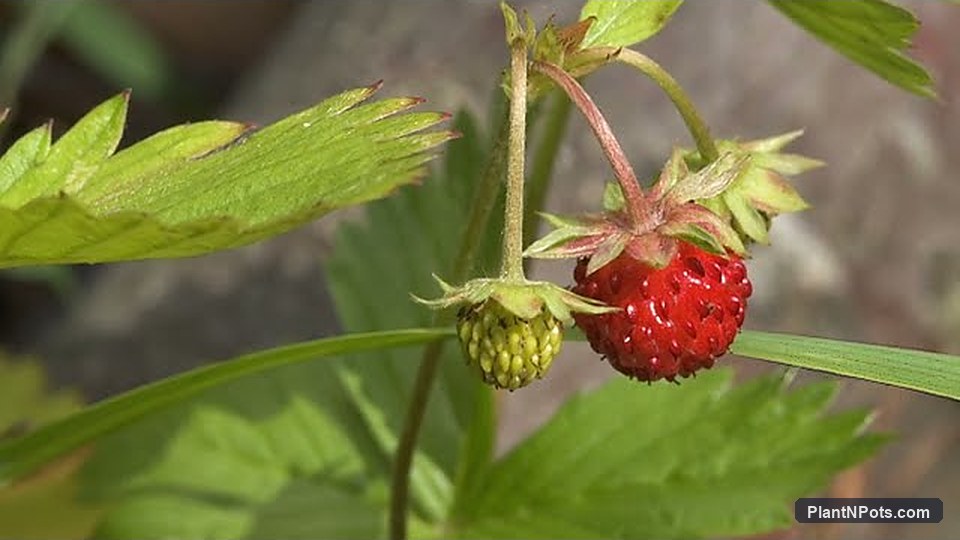
Apply a clean layer of straw or pine needles around crowns to keep ripening fruit clean. This protective mulch barrier prevents soil splash and deters ground-dwelling pests from damaging berries.
Feed container plants with a balanced, water-soluble organic fertilizer every two weeks during summer. Consistent fertility management sustains productivity through multiple harvest flushes on everbearing varieties.
Protect perennial strawberry pots from severe freezing temperatures by moving them against sheltered walls. Applying winter insulation wraps prevents container cracking and protects roots from fatal ice damage.
- Water deeply when topsoil feels dry.
- Mulch around fruit to keep berries clean.
- Feed regularly during active growing phases.
- Move pots to shelter in winter.
Pruning and Overwintering Care
Remove old, diseased foliage at the end of the harvest season to improve air circulation. This post-harvest pruning step discourages overwintering pests and fungal spores from attacking dormant crowns.
In harsh northern climates, bury pots in garden soil or place them inside unheated garages. This winter storage method buffers extreme temperature drops and ensures plant survival until spring.
- Trim dead leaves after fruiting ends.
- Store pots safely before hard freezes.
Frequently Asked Questions
Can I plant multiple strawberry plants in one large pot?
Yes, you can successfully grow multiple plants together by strictly maintaining an eight-inch spacing interval between individual crowns in a wide container.
Ensure your chosen planter holds at least two to three gallons of premium, nutrient-rich potting mix per plant to completely prevent severe root crowding and ensure abundant summer fruit production.
What happens if my strawberry pot is too small?
Using an undersized container severely restricts fibrous root expansion, leading to rapid soil dehydration and severe nutrient starvation.
Affected strawberry plants will produce stunted foliage, very few blossoms, and tiny, unpalatable berries throughout the entire warm growing season while failing to survive winter.
Do strawberry plants need deep pots?
Strawberries require moderate container depth rather than extremely deep vessels because their root systems are mostly fibrous. Providing at least eight inches of soil depth ensures adequate vertical space for healthy root development without wasting soil volume.
How often should I repot container strawberries?
You should refresh your container soil and divide overcrowded crowns every two to three years. Regular repotting schedules rejuvenate aging plants and prevent long-term soil compaction that inhibits healthy root respiration and water drainage.
Can I use garden soil in my strawberry pots?
Never use native garden dirt in containers because it compacts severely and lacks proper drainage properties. Always choose a sterile commercial potting mix amended with organic compost to provide the loose, aerated texture strawberries love.

