Master container rose sizing with precise depth metrics and material choices. This guide helps you cultivate thriving patio bushes and climbers.
Key Takeaway:
Selecting the correct container ensures deep taproot expansion and reliable seasonal blooms. Always use a pot at least 15 to 18 inches deep for standard shrubs.
Quick-Reference Guide
| Factor / Scenario | Recommended Target | Why It Matters |
|---|---|---|
| Miniature Roses | 10 to 12 inches wide | Accommodates compact root systems without excess soggy soil. |
| Patio & Shrub Roses | 15 to 18 inches deep | Provides necessary vertical space for anchoring taproots securely. |
| Climbing Roses | 20 to 24 inches wide | Supports massive top growth and heavy root mass long term. |
| Drainage Holes | At least 3 to 4 large holes | Prevents fatal root rot by eliminating perched water tables. |
| Pot Material | Unglazed terracotta or thick resin | Balances moisture retention with adequate root zone insulation. |
| Soil Mix | Soilless potting blend with compost | Ensures structural integrity, aeration, and vital nutrient retention. |
Matching Container Capacity to Specific Rose Cultivars
Choosing the correct container size prevents stunted growth and poor seasonal flowering. Miniature varieties thrive comfortably in modest vessels, while vigorous climbing roses demand substantial architectural support and root room.
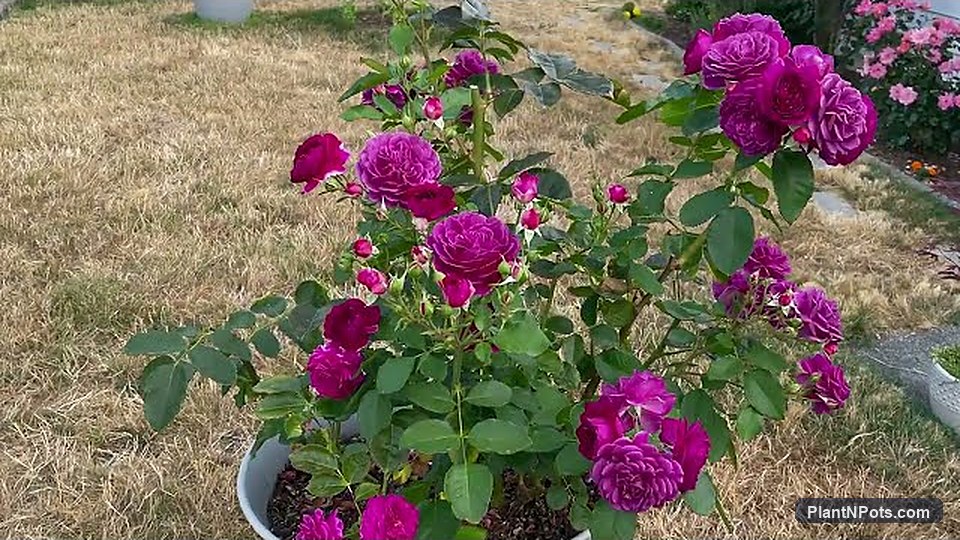
A standard patio rose requires a container holding at least three to five gallons of premium soil mix. Undersized vessels restrict expansion, leading to drought stress and diminished blooms throughout the summer season.
Larger shrub roses perform best in containers measuring a minimum of twenty inches in diameter. These [specialized containers](https://plantnpots.com/?p=2872) accommodate expansive root systems and stabilize tall top-heavy branches against strong winds.
Always evaluate the mature spread of your chosen rose before selecting a permanent home. Investing in an adequately sized planter initially prevents disruptive transplant shocks and frequent emergency repotting cycles.
- Match pot volume directly to the mature size of the rose cultivar.
- Avoid planting large shrub roses in containers smaller than eighteen inches.
- Ensure miniature roses have at least a ten-inch diameter opening.
- Account for future top-heavy growth when selecting heavy, stable planters.
Accommodating Miniature and Patio Roses
Miniature roses possess surprisingly vigorous root systems despite their dainty appearance. Provide these compact cultivars with containers holding roughly two gallons of nutrient-rich growing medium.
Patio roses bridge the gap between miniatures and full-sized shrubs nicely. Select sturdy vessels measuring twelve to fifteen inches across to support their charming yet dense branching habits.
- Use standard plastic or terracotta pots for lightweight patio mobility.
- Check soil moisture daily since smaller volumes dry out very quickly.
Why Taproot Depth Surpasses Surface Width
Roses are deep-rooted perennials that naturally drive their primary taproot straight downward. Selecting a shallow bowl-style planter severely limits this natural tendency, resulting in unhealthy and stressed plants.
Prioritize containers that offer significant vertical depth over purely wide decorative bowls. A minimum depth of fifteen to eighteen inches allows the central root system to establish proper anchorage and reach moisture.
Deep containers also protect sensitive root zones from extreme ambient temperature fluctuations. Soil at lower depths remains significantly cooler during scorching summer afternoons and warmer during unexpected winter freezes.
Inspecting the bottom drainage configuration ensures your deep pot does not trap unwanted water. Elevated pot feet help maintain optimal airflow beneath the container for superior overall root health.
- Prioritize vertical pot depth over wide decorative surface areas.
- Ensure containers measure at least fifteen inches deep for shrubs.
- Use pot feet to elevate the base and encourage maximum airflow.
- Protect delicate root tips from thermal shock using deep soil masses.
Understanding Root Architecture Dynamics
The primary anchor root of a mature rose can easily plunge deeper than a foot. Restricting this vertical pathway leads to nutrient deficiencies and poor structural stability above ground.
Wide containers with shallow profiles force roots to circle awkwardly. This unnatural growth pattern mimics root-bound conditions and dramatically reduces the plant's overall vigor and disease resistance.
- Monitor for circling roots during routine annual maintenance checks.
- Select cylindrical containers rather than wide decorative strawberry pots.
Video Walkthrough: How to Plant Roses in Pots
Step-by-Step Up-Potting and Repotting Rules
Container roses eventually exhaust their available soil nutrients and outgrow their current homes. Knowing when and how to up-pot ensures continuous vitality without shocking the delicate root system unnecessarily.
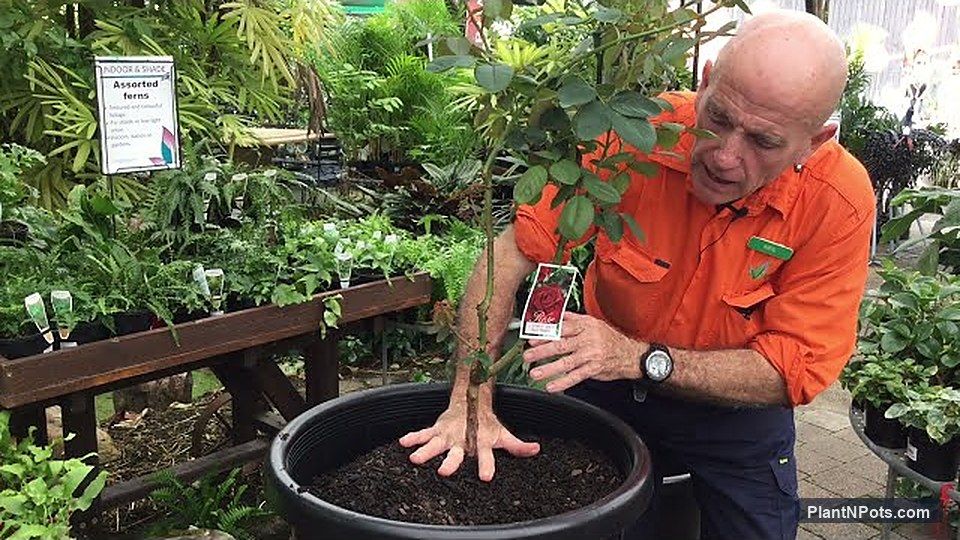
Scale up container sizes gradually by increasing the diameter by just two to three inches at a time. Jumping immediately into an oversized pot often causes chronic soil saturation and root rot.
Spring is the absolute best time for repotting container roses just as new buds emerge. Carefully tease out circling roots and trim away any dead or damaged material before planting.
Refresh the growing medium completely during every repotting session to restore vital organic matter. Tamp the fresh soil gently around the root ball to eliminate large air pockets completely.
- Scale pot sizes up gradually by two to three inches.
- Repot established roses during early spring before active leaf out.
- Gently loosen tightly bound outer roots to encourage outward growth.
- Discard old nutrient-depleted soil and replace it with fresh potting mix.
Identifying Root-Bound Container Specimens
Examine the drainage holes at the base of your planter for escaping roots. Visible roots weaving through these openings clearly indicate that the rose has outgrown its container capacity.
Stunted top growth and rapid soil drying despite regular watering also signal root crowding. Gently slide the root ball out of the pot to inspect for dense, tangled root webs.
- Check drainage holes monthly for protruding fibrous roots.
- Observe watering frequency; rapid drying often indicates root density.
Avoiding Critical Container Soil and Drainage Errors
Successful container gardening relies heavily on proper drainage and specialized soil formulations. Never use heavy garden soil from the yard because it compacts severely and suffocates rose roots.
Craft a high-performance growing medium using quality organic compost, peat moss, and perlite. This precise blend retains necessary moisture while maintaining twenty to thirty percent air porosity for roots.
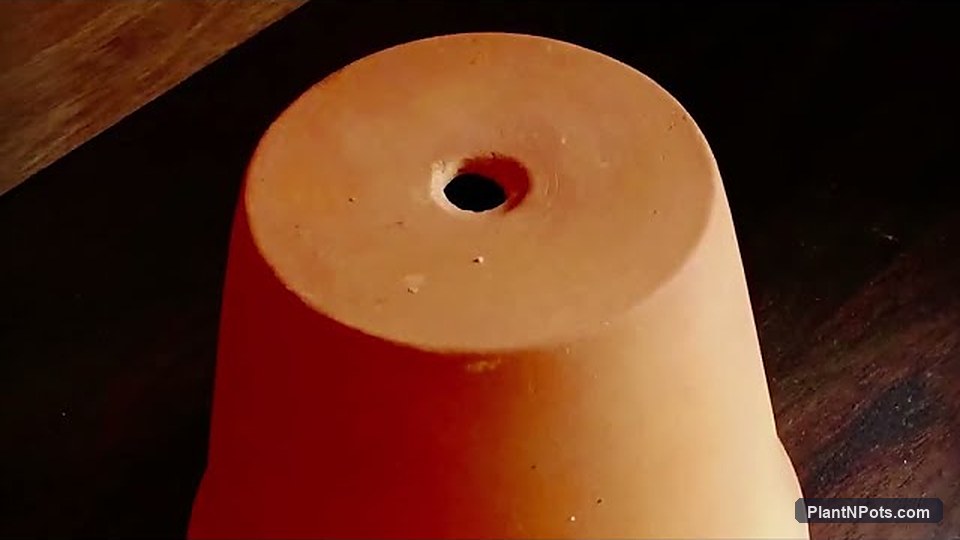
Ensure your selected container features multiple large drainage holes at the absolute bottom. Blocked or absent drainage holes create a perched water table that invites fatal fungal pathogens quickly.
Cover the drainage holes with porous mesh or broken pottery shards to prevent soil washout. This simple step keeps your premium potting mix inside the container where the roots need it.
- Never use dense native garden soil inside decorative rose containers.
- Incorporate perlite or coarse sand to maximize internal soil aeration.
- Verify that containers feature at least three functional drainage holes.
- Use porous mesh over holes to retain soil while allowing water escape.
Selecting Optimal Materials for Temperature Control
Container material directly influences root temperature, moisture retention, and overall plant longevity. Traditional unglazed terracotta provides exceptional breathability but dries out rapidly during peak summer heat waves.
Thick-walled fiberglass and high-grade resin planters offer fantastic durability and superior moisture retention. These modern materials weigh significantly less than stone while protecting roots from extreme temperature swings effectively.
Wooden half-barrels crafted from rot-resistant cedar provide a classic aesthetic and natural insulation. Ensure internal wood liners are treated safely or kept clear of direct chemical contact.
Dark-colored plastic pots absorb intense solar radiation, potentially cooking delicate feeder roots. Conversely, breathable [porous clay pots](https://plantnpots.com/?p=1734) help regulate soil temperatures naturally on baking summer patios.
- Choose unglazed terracotta for excellent breathability and moisture evaporation.
- Use thick resin or fiberglass for lightweight durability and insulation.
- Avoid dark plastic pots in hot climates to prevent root overheating.
- Inspect wooden containers periodically for signs of weathering and rot.
Video Walkthrough: 🪴what kind of pots should you choose for your roses? | Containers for Roses | Yoursyuli 🌺
Seasonal Maintenance and Watering Protocols
Container roses demand significantly more frequent watering than plants established in traditional garden beds. Check moisture levels daily by inserting your finger two inches deep into the potting soil.
Water thoroughly until liquid streams freely from the container base during dry periods. Consistent hydration prevents stress, reduces susceptibility to powdery mildew, and encourages continuous blossom production.
Apply a balanced slow-release organic fertilizer in early spring to fuel vigorous growth. Supplement this feeding with liquid seaweed or fish emulsion every four to six weeks during active blooming.
Prune away spent flower blossoms promptly to redirect energy toward new bud formation. Clear fallen leaves from the soil surface regularly to maintain optimal hygiene and discourage common fungal diseases.
- Check container soil moisture daily using the simple finger-depth test.
- Water thoroughly until excess moisture drains freely from the bottom.
- Feed container roses with balanced slow-release granular organic fertilizers.
- Prune spent blooms regularly to encourage continuous seasonal flowering cycles.
Winter Protection and Root Zone Insulation
Potted roses face severe vulnerability to freezing temperatures because standard containers lack thick earth insulation. Upgrading to [best large pots for roses](https://plantnpots.com/?p=4676) provides extra thermal mass during harsh winter months.
Surround vulnerable planters with burlap stuffed with straw or bubble wrap for extra thermal defense. Protecting the root ball prevents catastrophic winter kill during prolonged sub-freezing weather events.
Reduce watering frequency significantly during dormant winter months while keeping soil slightly damp. Excessive moisture combined with freezing temperatures will fracture containers and rot dormant root systems.
Elevate containers slightly off frozen patios using wooden blocks to prevent ice adhesion. Proper winter preparation ensures your container roses emerge vigorously when spring temperatures return.
- Move vulnerable containers against sheltered walls during freezing weather.
- Wrap pots in burlap and straw to insulate sensitive root zones.
- Reduce winter watering schedules to prevent waterlogging and root rot.
- Elevate containers off cold patios to prevent ice formation below.
Frequently Asked Questions
What exact pot size is best for standard shrub roses?
Standard shrub roses require a container measuring at least fifteen to eighteen inches in diameter and depth. This generous volume provides essential space for taproot expansion and reliable top stability.
Can I plant miniature roses in small window boxes?
Yes, miniature roses adapt wonderfully to window boxes and small containers holding roughly two gallons of soil. Ensure the container offers at least ten inches of depth for healthy roots.
Why do container roses need drainage holes?
Drainage holes prevent fatal root rot by allowing excess irrigation water to escape freely. Without them, perched water tables suffocate delicate root systems and invite destructive fungal pathogens.
How often should I repot my container-grown rose?
Repot established container roses every two to three years during early spring. Scale up the container size gradually while refreshing the nutrient-depleted soil mix completely for maximum vigor.
What soil mix should I use for potted roses?
Always use a high-quality soilless potting mix amended with organic compost and perlite. Never use heavy native garden soil because it compacts severely and ruins essential internal drainage.

