Discover how selecting the right container dimensions transforms your container garden. Proper sizing ensures healthy roots and bountiful pepper harvests.
Key Takeaway:
Most standard pepper plants require a three to five-gallon container measuring at least twelve inches wide to support robust root development and high yields.
Container Size Reference Guide for Peppers
| Pepper Variety | Recommended Container Size | Key Growth Factor |
|---|---|---|
| Bell Peppers | 3 to 5 Gallons | Supports heavy fruit loads and sprawling root systems. |
| Jalapenos | 3 Gallons | Balances adequate root space with manageable patio weight. |
| Habaneros | 3 to 5 Gallons | Accommodates bushy, long-season perennial growth habits. |
| Miniature Peppers | 1 to 2 Gallons | Fits compact ornamental root structures and smaller spaces. |
| Ghost Peppers | 5 to 7 Gallons | Provides massive soil volume for exceptionally large plants. |
| Pepper Seedlings | 4-Inch Pots | Promotes early root density before the final container transplant. |
Understanding Pepper Root Systems and Container Demographics
Pepper plants develop extensive underground root networks that directly dictate above-ground fruit production. Choosing an undersized container stunts growth and limits overall plant vigor permanently.
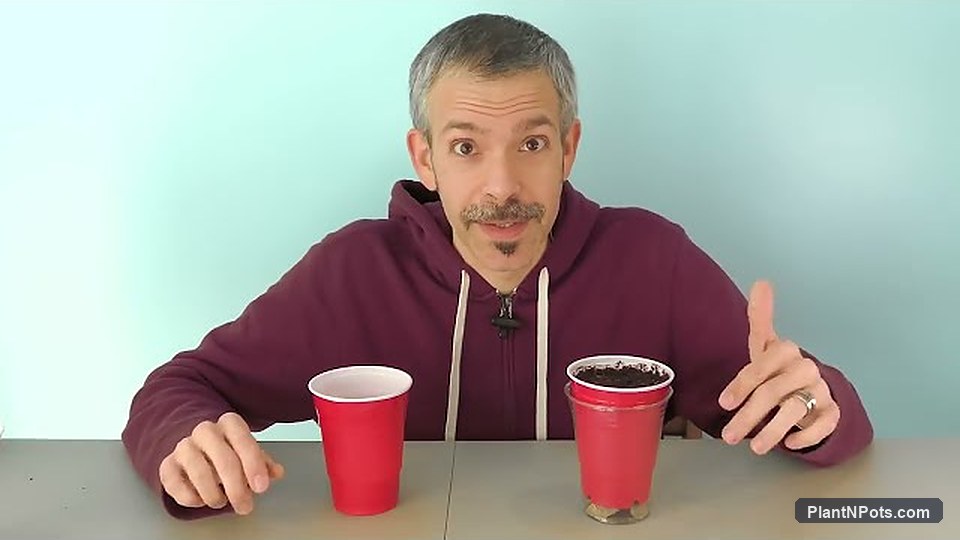
Container gardening requires balancing root expansion space with moisture retention capabilities. A properly sized pot prevents root circling while maintaining optimal oxygen diffusion throughout the growing season.
Young seedlings start in small starter cells before graduating to intermediate pots. Knowing when to step up container sizes prevents transplant shock and encourages continuous, uninterrupted root branching.
Environmental factors like ambient temperature and wind exposure influence container choice significantly. Larger pots insulate sensitive roots against sudden thermal fluctuations during erratic spring weather patterns.
- Match pot dimensions directly to the mature plant spread.
- Avoid jumping tiny seedlings straight into massive final containers.
- Ensure adequate soil depth for deep taproot penetration.
- Account for mature canopy weight when selecting pot stability.
Anatomy of Container-Bound Root Zones
Healthy pepper roots require loose, aerated potting mixes inside [adequate container dimensions](https://plantnpots.com/?p=6664) to thrive. Compacted soils restrict oxygen flow and rapidly induce root rot conditions.
Roots naturally grow outward until they hit container walls, where they circle. Selecting textured interior pots discourages this circular binding and promotes radial branching.
- Inspect drainage holes regularly for escaping root tips.
- Use airy, organic-rich media to maintain structural porosity.
Matching Pepper Varieties to Ideal Container Dimensions
Compact ornamental peppers flourish in smaller decorative pots on sunny windowsides. These miniature cultivars require minimal root volume compared to standard garden vegetable varieties.
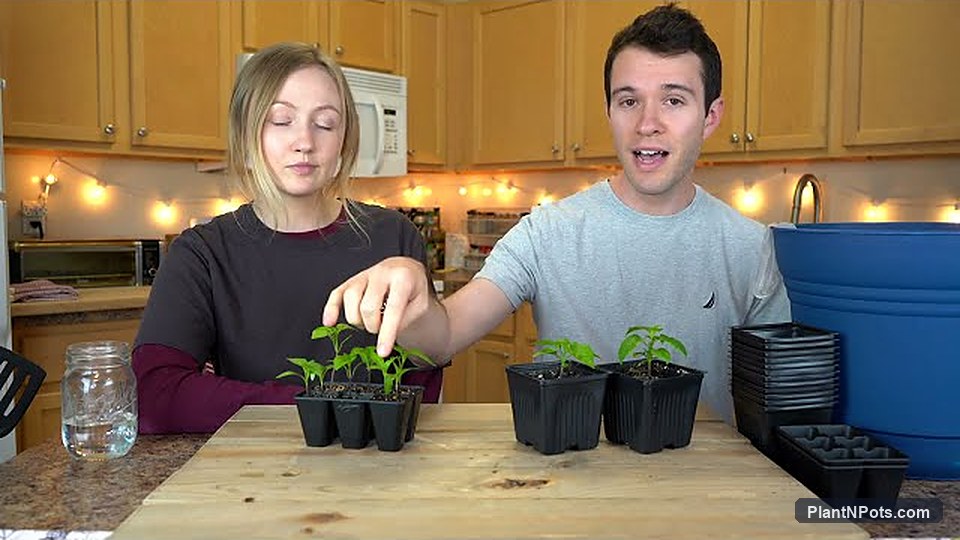
Standard bell and sweet pepper types demand expansive soil volumes to support heavy fruit sets. Planting them in anything under three gallons drastically reduces harvest potential.
Hot pepper varieties like habaneros and serranos possess vigorous root systems that appreciate generous space. Providing five-gallon containers maximizes their multi-year production capacity.
Container depth matters just as much as surface width for heavy-yielding plants. Ensure your chosen planter stands at least twelve inches deep for optimal performance.
- Standard bells need 3 to 5 gallons of capacity.
- Miniature varieties thrive nicely in 1 to 2 gallons.
- Super-hot chilis benefit from 5 to 7 gallon vessels.
- Always verify depth measurements alongside gallon ratings.
Assessing Compact Versus Heirloom Cultivars
Dwarf patio cultivars have been specifically bred for restricted container environments. They produce normal-sized fruit on remarkably compact, manageable vegetative frames.
Heirloom varieties often exhibit wild, indeterminate growth habits requiring oversized containers. Give these vigorous plants extra root room to prevent premature nutrient depletion.
- Read seed packet dimensions before purchasing permanent planters.
- Provide stakes or cages for heavy heirloom fruit loads.
Video Walkthrough: The PERFECT Container Size For Every Pepper Plant
Material Selection for Optimal Soil Moisture and Root Health
Terra cotta pots offer excellent breathability but dry out extremely fast in summer. This porous clay material suits growers who prefer frequent watering schedules.
Plastic containers retain soil moisture longer, reducing daily watering labor significantly. However, dark plastic colors can absorb intense heat and damage sensitive outer roots.
Fabric aeration containers naturally air-prune roots while preventing overwatering issues entirely. These modern planters promote exceptional root health despite requiring more frequent irrigation.
Glazed ceramic pots combine aesthetic appeal with moderate moisture retention properties. Their heavy weight provides exceptional stability against tipping during high wind events.
- Select terra cotta for naturally humid growing environments.
- Choose light-colored plastic to reflect harsh solar radiation.
- Utilize fabric pots for superior aeration and drainage.
- Ensure glazed ceramics feature unglazed interior drainage holes.
Comparing Thermal Properties Across Materials
Dark containers absorb solar radiation, raising root zone temperatures to dangerous levels. Insulating your pots protects delicate root hairs from extreme heat stress.
Porous materials cool surrounding soil through natural evaporative cooling mechanisms. This keeps root zones comfortable during scorching mid-summer heatwaves.
- Shield plastic pots with decorative outer cachepots.
- Monitor soil temperatures using a simple horticultural probe.
Essential Drainage Requirements for Container Peppers
Standing water inside a pepper pot quickly suffocates roots and invites fungal pathogens. Selecting [reliable drainage features](https://plantnpots.com/?p=5188) ensures every container features multiple large holes at the absolute bottom.
Elevating pots on pot feet or bricks ensures unobstructed water egress. Trapped drainage water can re-enter the soil profile and cause severe root damage.
Avoid adding heavy gravel layers to the bottom of your containers. Physics dictates this practice actually raises the perched water table inside the potting soil.
Cover drainage holes with porous mesh screens to retain soil while letting water escape freely. This keeps pests out while maintaining perfect hydraulic performance.
- Drill extra holes into plastic pots if factory drainage is sparse.
- Clear saucers promptly after watering to prevent root saturation.
- Skip the traditional gravel layer to protect soil moisture balance.
- Check drainage functionality at the start of every season.
Troubleshooting Poor Drainage and Saturated Soils
Compacted drain holes stall water movement, turning your container into a swamp. Clear blocked apertures gently using a blunt wooden skewer from underneath.
If soil remains soggy for days, amend your potting mix with perlite. Better yet, repot the plant into a properly formulated, high-drainage medium immediately.
- Inspect container bottoms weekly during heavy rain periods.
- Never let pepper pots sit in standing saucer water.
Step-by-Step Repotting Method for Growing Peppers
Begin the repotting process by watering your pepper plant thoroughly a few hours prior. Hydrated roots experience significantly less shock during the transfer procedure.
Gently tilt the current container sideways while supporting the main stem near the soil line. Ease the root ball out slowly without pulling violently on fragile stems.
Tease out tightly circling roots with your fingers to encourage outward radial growth. Trimming extremely tangled root masses can stimulate fresh, vigorous feeder root development.
Place fresh, pre-moistened potting mix into the new container base. Position the root ball so the top surface sits an inch below the rim.
- Water plants before handling to minimize transplant shock.
- Support main stems carefully throughout the entire transition.
- Fill surrounding gaps with fresh, nutrient-rich potting soil.
- Water deeply immediately after repotting to settle the media.
Post-Repotting Care and Acclimatization
Keep newly repotting pepper plants in bright shade for several days. This brief rest period helps damaged root hairs recover without intense solar stress.
Resume normal sun exposure gradually once new upward growth appears visibly. Avoid fertilizing for at least two weeks to prevent tender root burn.
- Provide wind protection during the initial recovery phase.
- Monitor soil moisture levels daily following every repot.
Video Walkthrough: What size pot for peppers?
Soil Composition and Nutrient Management in Pots
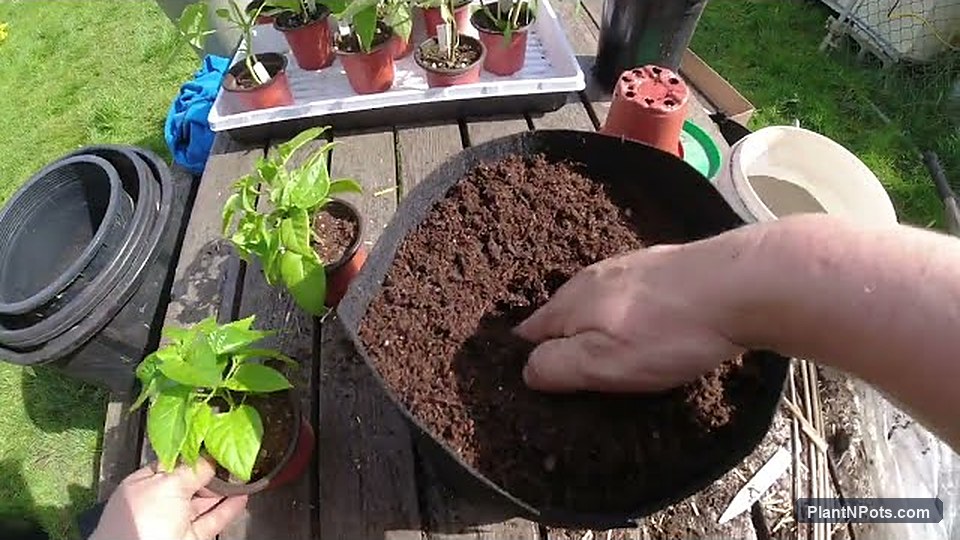
Container peppers require specialized, lightweight soilless potting mixes rather than garden dirt. Garden soil packs down too tightly inside pots, cutting off essential oxygen.
Incorporate organic compost to provide sustained biological activity and essential micronutrients. Quality potting blends often include peat moss or coco coir for moisture control.
Perlite or vermiculite amendments keep container soils light, fluffy, and exceptionally well-drained. These components prevent compaction over months of frequent watering cycles.
Container nutrients wash away quickly with regular watering, requiring a steady feeding schedule. Apply a balanced organic fertilizer diluted to half strength every two weeks.
- Never use unamended garden soil in enclosed containers.
- Mix in perlite generously to maintain long-term soil aeration.
- Feed flowering plants with phosphorus-rich organic fertilizers.
- Flush pots periodically to remove built-up mineral salts.
Managing Soil pH and Micronutrient Deficiencies
Peppers thrive in slightly acidic soil conditions ranging from 6.0 to 6.8 pH. Test your growing medium periodically to ensure proper nutrient availability.
Calcium deficiencies manifest as blossom end rot on developing pepper fruits. Incorporate bone meal or calcium supplements into your potting mix proactively.
- Test container soil pH using inexpensive paper strips.
- Address yellowing leaves immediately with balanced micronutrients.
Preventing Common Container Cultivation Mistakes
Overcrowding multiple pepper plants in a single pot creates fierce root competition. Each standard pepper plant deserves its own dedicated container for maximum productivity.
Underwatering during peak summer heat causes blossom drop and ruined harvests. Check soil moisture daily by inserting your finger two inches deep into the mix.
Ignoring seasonal sunlight shifts leaves container peppers languishing in deep shade. Move movable pots to sunlit spots receiving at least six hours of direct light daily.
Using containers lacking adequate drainage is the fastest way to kill peppers. Always verify water exits freely from the bottom before planting anything.
- Give every large pepper plant its own spacious container.
- Monitor summer soil moisture levels multiple times daily.
- Track sunlight changes across seasons to maximize exposure.
- Double-check pot drainage before adding soil and plants.
Recognizing Stress Signs in Potted Peppers
Drooping foliage during midday heat indicates severe transpirational water stress. Provide afternoon shade or immediate irrigation to revive the stressed plant.
Stunted growth and pale leaves usually point toward nitrogen deficiency or root crowding. Assess container size and feed accordingly to restore normal vigor.
- Inspect leaf undersides regularly for common sap-sucking pests.
- Prune away dead foliage to maintain good air circulation.
Long-Term Maintenance and Seasonal Transition Strategies
Container peppers can sometimes overwinter indoors in cold climate zones successfully. Prune back long branches severely before bringing sensitive plants inside your home.
Top-dress established perennial pots with fresh compost every single spring as part of standard [perennial container care](https://plantnpots.com/?p=5548). This rejuvenates exhausted growing media without requiring a total plant repotting operation.
Rotate pots weekly to ensure even sunlight exposure across the entire foliage canopy. Uneven lighting leads to lopsided growth and reduced overall fruit production.
Clean and sterilize empty containers thoroughly at the end of each growing season. This prevents overwintering fungal spores and insect eggs from attacking next year's crop.
- Bring tender perennial peppers indoors before freezing temperatures arrive.
- Top-dress established container soils with fresh organic compost.
- Rotate pots weekly for balanced canopy and fruit development.
- Sanitize reusable pots using a mild bleach-water solution.
Preparing Containers for Winter Storage
Empty terracotta and ceramic pots completely to prevent cracking from ice expansion. Store vulnerable frost-sensitive vessels safely inside a garage or shed.
Heavy plastic containers can remain outdoors if emptied, cleaned, and inverted. This prevents water accumulation and subsequent structural freeze damage.
- Keep porous clay pots dry during freezing winter months.
- Stack lightweight plastic containers neatly to save storage space.
Frequently Asked Questions
What size pot is best for standard bell pepper plants?
Standard bell pepper plants require a three to five-gallon container measuring at least twelve inches wide. This generous volume ensures enough root space for heavy fruit yields.
Can I plant two pepper plants in one single container?
Planting two peppers together requires a massive container holding at least ten gallons of soil. Single potting is strongly recommended for standard varieties to avoid competition.
Why do my potted pepper leaves turn yellow and drop off?
Yellowing leaves usually indicate overwatering and poor drainage suffocating the root system. Check your container drainage holes and let the topsoil dry out between waterings.
Do fabric grow bags work well for growing hot peppers?
Fabric grow bags work exceptionally well by providing superior root aeration and natural air pruning. They prevent root circling but dry out faster than plastic pots.
How deep should my pepper container be for maximum growth?
Pepper containers should measure at least twelve inches deep to accommodate vertical root growth. Deeper pots also provide better physical stability against heavy winds.

