Choosing the correct container size prevents root rot and supports healthy citrus growth. This guide details sizing, materials, and repotting steps.
Key Takeaway:
Select a pot 2 to 3 inches larger in diameter than the current root ball. Never jump straight into an oversized container to avoid moisture retention issues.
Quick-Reference Guide
| Factor / Scenario | Recommended Target | Why It Matters |
|---|---|---|
| Young Starter Tree | 10 to 12 inches | Fits small root mass |
| Dwarf Variety Mature | 18 to 24 inches | Accommodates 15-20 gallons |
| Drainage Holes | Multiple wide ports | Prevents fatal root rot |
| Pot Size Increase | 2 to 3 inches wider | Prevents soil saturation |
| Repotting Interval | 2 to 3 years | Refreshes depleted nutrients |
| Soil Composition | Well-draining mix | Ensures oxygen exchange |
Determining Ideal Citrus Container Dimensions
Finding the proper container size is essential for container-grown citrus health. A pot that is too large retains excess water, while a restricted container stunts structural growth and nutrient absorption.
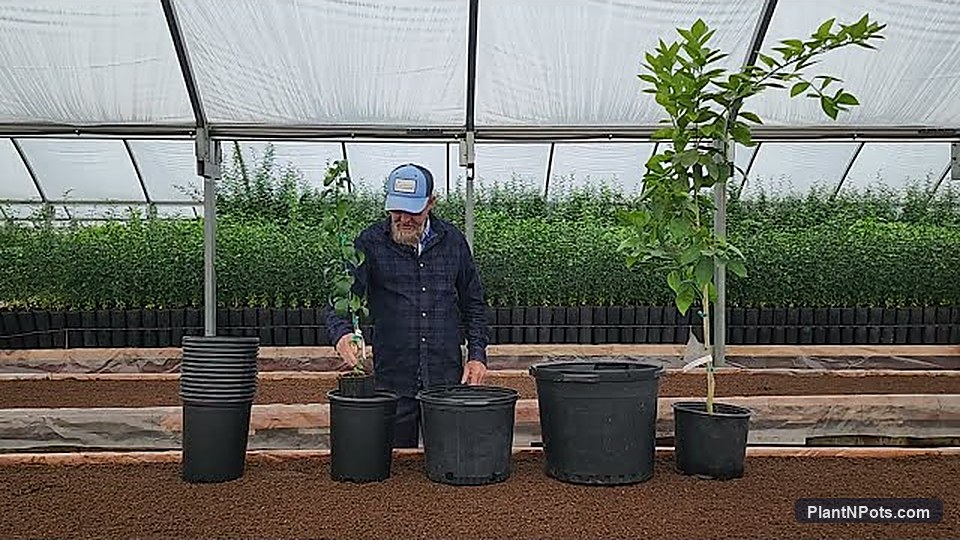
Young starter trees typically require a 10 to 12-inch diameter container holding roughly 3 to 5 gallons of soil. Progressively step up pot sizes as the canopy and root system expand over successive seasons.
Mature dwarf lemon varieties eventually settle comfortably into 18 to 24-inch containers possessing a 15 to 20-gallon capacity. Ensure the chosen vessel matches or exceeds the diameter of the outermost foliage canopy.
Finding the [best planter for lemon tree](https://plantnpots.com/?p=4440) prevents root crowding while avoiding excessive soil moisture. Young dwarf citrus typically thrives in a 10- to 12-inch pot holding roughly three to five gallons.
As your citrus matures, step up the container diameter by two to four inches every two to three years. Avoid jumping straight into a massive container because surplus wet soil leads directly to root rot.
Standard lemon varieties require much larger vessels, starting around 15 to 20 gallons for mature specimens. Ensure the container depth matches the width to accommodate a robust taproot and lateral structural feeding roots.
- Measure current root ball diameter before shopping.
- Select containers with wide bases to prevent tipping.
- Avoid massive multi-size jumps during early potting stages.
Assessing Dwarf Versus Standard Cultivar Needs
Dwarf lemon trees naturally stay compact, requiring significantly less soil volume than standard types. These manageable varieties thrive in smaller footprints, making patio and indoor overwintering much easier for gardeners.
Standard citrus trees demand heavy-duty vessels capable of anchoring massive root masses. Plan for structural support early if you cultivate standard varieties on exposed balconies or windy rooftop decks.
- Dwarf lemons fit well in 15-gallon pots.
- Standard trees often require 25-gallon structures.
Material Options for Weight and Thermal Stability
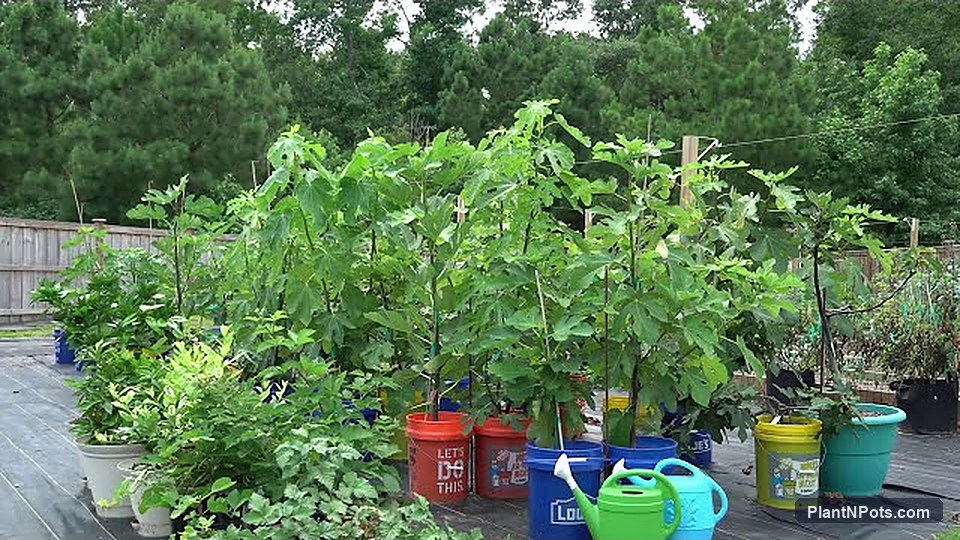
Container material directly influences soil moisture evaporation rates and root zone temperatures. Heavy materials anchor top-heavy citrus trees against strong winds, while porous walls improve overall oxygen exchange.
Traditional terracotta pots offer exceptional breathability and heavy ballast, but they dry out rapidly in arid climates. Plastic and fiberglass alternatives retain moisture longer and weigh significantly less for easy seasonal relocation.
Glazed ceramic and wooden containers provide balanced aesthetic appeal and moderate moisture retention. Always verify that non-traditional planters feature adequate structural integrity to support moist, heavy potting mixes long-term.
Choosing the best clay pots for plants provides superior breathability and weight, preventing top-heavy citrus trees from tipping. However, unsealed material accelerates soil evaporation during hot summer months.
Plastic and fiberglass pots retain moisture efficiently and reduce overall dead weight, making indoor winter relocation much easier. Select UV-resistant polymers to prevent material degradation and cracking when exposed to intense seasonal sunlight.
Wooden half-barrels provide excellent insulation against extreme temperature fluctuations, protecting delicate root zones. Ensure you drill adequate drainage holes and use rot-resistant cedar or redwood if building custom wooden citrus planters.
- Terracotta cools roots via rapid moisture evaporation.
- Plastic traps moisture and resists freezing temperatures.
- Wood containers need rot-resistant cedar or redwood.
Evaluating Thermal Impacts on Citrus Roots
Dark plastic containers absorb intense solar radiation, potentially cooking delicate feeder roots during summer heatwaves. Light-colored or insulated planters protect the root zone from extreme temperature fluctuations outdoors.
Frozen soil in uninsulated containers can severely damage or kill root tissue during unexpected winter freezes. Move potted citrus indoors or insulate exterior pots heavily when temperatures drop below freezing thresholds.
- Use light-colored pots in hot climates.
- Insulate container perimeters during winter frosts.
Video Walkthrough: How to Grow Lemon Tree in a Pot | Care and Growing Lemon Tree
Root Structure and Drainage Requirements
Citrus trees possess sensitive root systems that strictly require exceptional drainage to prevent fatal fungal pathogens. Standing water in the container base quickly suffocates roots and triggers irreversible root rot.
Verify that every potential container features multiple pre-drilled drainage holes at the absolute lowest point. Drill additional holes manually if factory options look sparse or restricted to the container sides.
Elevate containers slightly off patio surfaces using pot feet to maintain clear airflow beneath drainage ports. Unimpeded water egress prevents perched water tables from forming inside your specialized citrus potting mix.
Citrus trees possess sensitive root systems that demand exceptional aeration and rapid water evacuation. Standing water in the lower pot zone starves roots of oxygen, triggering sudden leaf drop and fatal fungal pathogens.
Inspect every prospective container for multiple pre-drilled drainage holes spanning at least half an inch in diameter. Never place solid rocks at the bottom, as this actually raises the perched water table inside the soil.
Utilize a sturdy best plant stand or pot feet to elevate your citrus container. This simple clearance ensures unobstructed water runoff and prevents pests from colonizing the drainage aperture underneath.
- Never plug container drainage holes permanently.
- Use coarse mesh over holes to retain soil.
- Test drainage flow immediately after initial watering.
Step-by-Step Repotting Methodology
Repot actively growing lemon trees during early spring before the seasonal flush of new foliage emerges. Gently tip the current container sideways, supporting the trunk base while sliding the root ball free.
Inspect the exposed root mass thoroughly, teasing apart any tightly bound or circling roots. Prune away dead, black, or mushy sections using clean, sterilized pruning shears to encourage fresh root branching.
Place a layer of fresh, well-draining citrus soil mix into the base of the new container. Position the tree at the exact same soil depth it maintained previously, filling surrounding gaps firmly.
Time your repotting for early spring just before the tree breaks dormancy and pushes out new flush growth. Water the container thoroughly 24 hours prior to minimize root shock and ease the extraction process.
Gently tip the container sideways, supporting the trunk base while sliding the root ball free from the walls. Use a sanitized blade to tease apart circling roots and prune away any dead or decaying tissue.
Position the tree at the exact same soil depth it previously enjoyed in the older vessel. Firmly tamp down professional potting mix, leaving one inch of headspace below the rim for efficient watering routines.
- Water newly repotted trees deeply to settle soil.
- Avoid fertilizing fresh transplants for four weeks.
- Keep repotted trees in indirect light initially.
Common Container Sizing Mistakes to Avoid
The most frequent container gardening error involves planting small lemon starters into massive pots. Excess soil stays saturated too long, starving roots of necessary oxygen and inviting destructive root rot diseases.
Another common mistake involves ignoring future growth potential when selecting decorative outer planters. Always leave adequate clearance between the container rim and the soil surface for effective water retention.
Neglecting to check drainage hole clearance leads to clogged ports and waterlogged growing mediums. Routinely inspect the container base to ensure roots or mineral salts are not blocking water escape pathways.
Planting a tiny starter lemon tree into a massive whiskey barrel is a frequent beginner error. The excess uncolonized soil stays soggy far too long, inviting pythium root rot and stifling early structural development.
Another critical mistake involves neglecting root pruning when maintaining a tree at its maximum desired size. Pruning outer roots allows you to refresh the potting soil without constantly scaling up container dimensions.
Choosing decorative pots without functional drainage holes inevitably creates a stagnant swamp at the base. Always drill custom holes or use a plastic nursery liner nested securely inside your decorative outer cachepot.
- Never skip gradual pot size increases.
- Avoid standard garden dirt in containers.
- Do not plant citrus below the root flare.
Video Walkthrough: The Best Size Containers You Should Up Pot Your Citrus Trees To!
Long-Term Maintenance and Seasonal Shifting
Mature container citrus trees require periodic root pruning every three to four years to maintain manageable sizes. Shave off outer root boundaries and refresh the potting mix without increasing container dimensions further.
Top-dress containers annually by scraping away the top two inches of old soil and replacing it. This simple maintenance step replenishes depleted nutrients without requiring a disruptive full-scale repotting operation.
Prepare container-grown lemons for seasonal transitions by gradually acclimating them to changing light and temperature levels. Proper container management ensures decades of healthy growth and abundant fruit production on your patio.
Outdoor citrus trees require strategic seasonal relocation depending on your local climate zone and frost thresholds. Move containers indoors once nighttime temperatures consistently drop below 45 degrees Fahrenheit to prevent cold injury.
Top-dress mature container citrus annually by scraping away the top two inches of old spent soil. Replace it with fresh compost rich in micronutrients and organic matter to sustain ongoing vitality between repotting cycles.
Flush the potting mix every few months with heavy watering to leach out accumulated mineral salts from fertilizers. This prevents salt burn leaf tip necrosis and keeps the root zone pH within the ideal range.
- Refresh topsoil layers each spring season.
- Prune circling roots during routine maintenance.
- Monitor moisture levels using finger depth checks.
Frequently Asked Questions
Can I plant a small lemon tree directly into a very large pot?
Planting a small starter lemon tree directly into an oversized container almost always causes fatal root rot because the massive volume of uncolonized soil stays saturated far too long.
This excessive moisture retention suffocates delicate feeder roots, cuts off vital oxygen supplies, and severely halts the early structural development of your young citrus plant.
How often do container-grown lemon trees need repotting?
Young, rapidly growing citrus trees typically require repotting every one to two years into slightly larger containers to support vigorous structural and canopy expansion.
Once mature trees occupy large vessels, transition to root pruning and annual top-dressing every three years instead of continuous up-potting.
What soil mix should I use for a potted lemon tree?
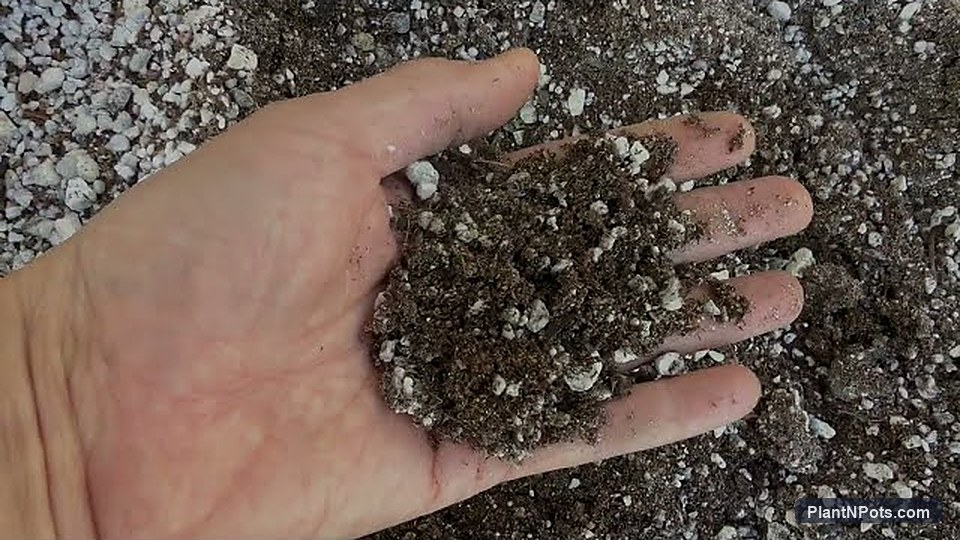
Potted citrus trees require a specialized, coarse, well-draining potting mix formulated with ingredients like perlite, bark, and coarse sand.
Never use dense garden soil or heavy topsoil in containers because these materials compact quickly, block crucial oxygen flow, and trap excess water around the sensitive root system.
Do plastic pots work better than terracotta for lemon trees?
Plastic pots retain soil moisture significantly longer and weigh much less than traditional clay vessels, making them ideal for gardeners who need easy seasonal relocation.
However, heavy terracotta containers offer superior ballast against strong winds and provide natural breathability that helps prevent overwatering errors.
Why are the lower leaves of my potted lemon tree turning yellow?
Yellow lower leaves on a container-grown lemon tree most frequently indicate improper watering habits or severe nutrient deficiencies within the confined soil volume.
Check moisture levels deep within the root zone and ensure your container features unobstructed drainage holes before applying a balanced citrus fertilizer.

