Discover the precise container dimensions required for healthy lavender growth. Master drainage, soil composition, and repotting stages to prevent root rot.
Key Takeaway:
Select a 12-to-14-inch terracotta pot for mature plants to ensure optimal root space and rapid moisture evaporation.
Quick-Reference Guide
| Factor / Scenario | Recommended Target | Why It Matters |
|---|---|---|
| Young Nursery Liner | 8-inch diameter pot | Prevents overwhelming small root systems with excess wet soil. |
| Mature English Lavender | 12 to 14-inch container | Accommodates woody root expansion and structural stability. |
| Pot Material | Unglazed terracotta | Allows rapid evaporation and protects against root rot. |
| Soil Mix | Fast-draining Mediterranean blend | Prevents water retention around sensitive root hairs. |
| Drainage Holes | Minimum 3 large holes | Ensures complete expulsion of excess irrigation water. |
| Winter Protection | Move to sheltered microclimate | Prevents freezing expansion and cracking of containers. |
Understanding Mediterranean Root Systems and Moisture Dynamics
Lavender originates from arid Mediterranean slopes where soils are rocky and lean. These native conditions mean plants demand exceptional drainage and deeply penetrating root channels to thrive successfully.
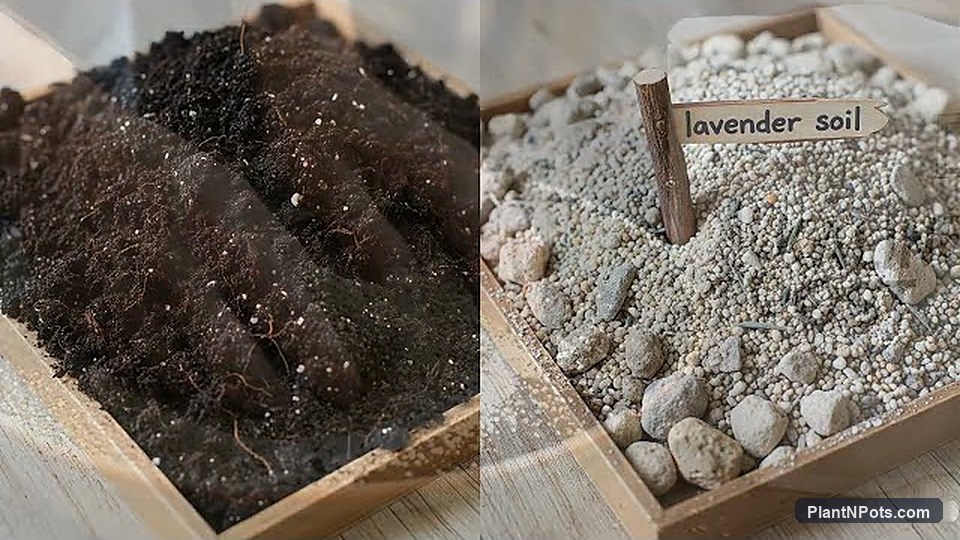
When restricted inside cramped containers, lavender roots still demand a delicate balance of moisture and air. Root rot occurs rapidly if stagnant water lingers around the lower substrate layers.
Selecting the proper container requires understanding how root architecture develops over time. Young specimens need incremental upgrades, avoiding massive pots that hold excessive moisture in uncolonized soil pockets.
Gardeners must always prioritize pot width over excessive depth when housing Mediterranean herbs. A broader container footprint accommodates spreading root systems while stabilizing the heavy top growth.
Selecting sturdy [lavender plant selections](https://plantnpots.com/?p=5548) ensures these Mediterranean herbs possess deep taproots capable of foraging for scarce underground water during intense summer droughts without sitting in stagnant moisture.
In a container environment, this specialized root architecture demands exceptional soil aeration and rapid dry-down periods to prevent fatal root rot caused by trapped humidity or stagnant water pockets.
When potting mix stays wet for too long, fine feeder roots suffocate quickly, halting nutrient uptake and causing upper foliage to turn gray, limp, and ultimately collapse from pathogenic fungal attacks.
Replicating native conditions requires balancing strict watering regimens with high-porosity substrates, ensuring root zones experience complete moisture dry-down cycles every seven to ten days depending on ambient temperatures.
- Match pot volume directly to current root mass size
- Avoid overly deep containers that trap lower moisture
- Prioritize wider surface areas for spreading root structures
- Ensure substrate dries within days of thorough watering
Why Wet Feet Destroy Lavender Fast
Stagnant moisture suffocates the fine root hairs responsible for nutrient uptake. Without sufficient oxygen exchange, pathogens attack the root crown and kill the entire plant.
Waterlogged potting mixes encourage fungal diseases like Phytophthora. Proper aeration around the root zone remains the single most critical factor for container success.
- Root suffocation triggers rapid foliage decline
- Fungal pathogens thrive in persistently damp soils
Determining Ideal Container Dimensions for Every Growth Stage
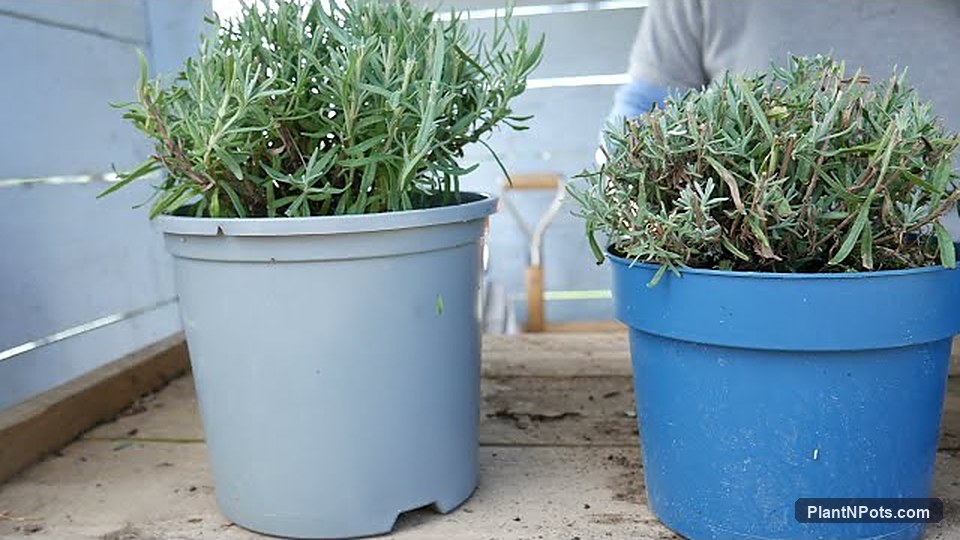
Starting a young lavender plant in a massive container is a frequent beginner mistake. Excess soil retains moisture far too long, leading directly to fatal root rot conditions.
Begin with a modest 8-inch pot for standard nursery liners purchased in spring. This incremental step allows the root system to colonize the potting medium efficiently.
As the woody stems thicken and expand, step up the container size gradually. Transitioning to a 12-to-14-inch pot provides adequate long-term space for mature shrub development.
Avoid jumping straight from a small liner to an oversized twenty-inch tub. Gradual pot upgrades prevent soil compaction and keep moisture levels balanced throughout seasons.
Young starter lavender plugs purchased in standard four-inch nursery containers must be stepped up gradually into eight-inch pots to prevent soil from staying waterlogged around underdeveloped root systems.
Mature dwarf varieties thrive permanently in twelve-inch containers holding roughly three gallons of potting substrate, which provides ample space for woody root expansion without excessive soil mass.
Large English and French cultivars eventually require containers measuring at least sixteen to eighteen inches across, equating to five to seven gallons of volume to support their massive canopies.
Selecting a pot that is too large for a small plant introduces massive moisture retention risks because unoccupied soil remains saturated far too long, damaging the fragile root hairs.
- Start liners in compact 8-inch containers
- Step up sizes by two inches maximum
- Mature specimens require 12 to 14 inches
- Monitor root emergence from base drainage holes
Scaling Up from Nursery Liners Safely
When transplanting, gently tease outward circling roots to encourage outward growth. Never compress the fresh potting medium too tightly around the delicate root crown.
Leave a half-inch clearance at the pot rim to facilitate effective watering. Proper spacing ensures water reaches the entire root ball evenly without spilling over.
- Tease tight root balls before repotting
- Maintain proper rim clearance for irrigation
Video Walkthrough: Lavender Sizes: Top Tips!! – Lavender World
Porous Terracotta Versus Sealed Plastic Containers
Container material drastically influences soil moisture retention and overall plant health. Unglazed terracotta remains the gold standard for growing lavender successfully in pots.
Porous clay walls allow excess moisture to evaporate sideways through the material. This natural breathability protects sensitive roots from remaining soggy after heavy rainstorms.
Plastic containers trap moisture intensely, increasing the risk of root rot during humid weather. Gardeners utilizing plastic must amend their potting soil with extra perlite.
Fiberglass and resin planters offer lightweight alternatives but lack terracotta breathability. Always compensate for non-porous materials by reducing watering frequency and enhancing drainage.
Unglazed terracotta pots remain the gold standard for growing lavender because their porous clay walls allow excess moisture to evaporate laterally through the sides of the container safely.
Plastic and fiberglass containers retain moisture significantly longer than clay, forcing growers to use exceptionally gritty soil amendments to offset the lack of sidewall evaporation.
While plastic pots are lightweight and frost-resistant, they require strict monitoring during humid summer weather to prevent root suffocation caused by prolonged substrate dampness.
Glazed ceramic pots offer aesthetic appeal but block breathability entirely unless they feature multiple oversized drainage holes at the base to facilitate rapid water drainage.
- Choose unglazed terracotta for natural evaporation
- Plastic pots require aggressive soil amendments
- Resin containers offer lightweight mobility options
- Monitor drying rates based on container material
The Danger of Self-Watering Reservoirs
Self-watering planters constantly wick moisture upward into the root zone. This continuous dampness directly opposes the dry, lean conditions lavender naturally requires.
Avoid bottom-reservoir containers completely unless you modify them significantly. Dry cycles between waterings are absolutely essential for robust lavender growth.
- Constant moisture wicking causes root decay
- Skip sub-irrigation planters for Mediterranean herbs
Debunking Drainage Myths and Base Gravel Fallacies
A persistent gardening myth claims adding gravel at the bottom of pots improves drainage. In reality, a layer of rocks creates a perched water table higher up.
Water does not easily move from fine potting soil down into coarse gravel layers. This physics phenomenon actually keeps the root zone wetter for longer periods.
Instead of bottom gravel, ensure your container features multiple large drainage holes. Unobstructed openings allow gravity to pull excess water completely away from roots.
Elevate containers slightly using pot feet to guarantee unhindered water expulsion. Never let the base of your planter sit directly in pooling saucer water.
Placing a layer of gravel or broken pottery shards at the bottom of a flowerpot does not improve overall drainage; instead, it raises the perched water table closer to roots.
Water actually pauses when moving from fine potting soil into coarse gravel layers due to capillary tension differences, keeping the root zone wetter than it would be without gravel.
True drainage relies entirely on gravity pulling moisture downward through homogeneous soil until it exits through unobstructed bottom holes rather than encountering abrupt textural medium shifts.
Always fill your lavender containers with a uniform, fast-draining soil mix all the way to the bottom to maintain predictable moisture movement throughout the entire root zone.
- Discard the outdated bottom gravel myth
- Focus on numerous unblocked drainage holes
- Use pot feet for optimal airflow underneath
- Empty saucers promptly after every watering
Phased Repotting Strategies for Woody Shrubs
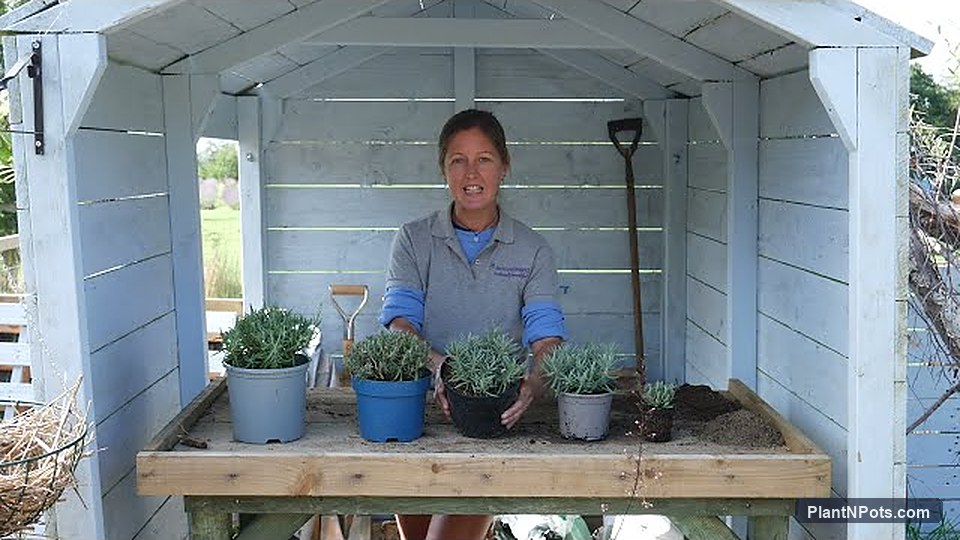
Lavender is a woody perennial that gradually outgrows its container over several years. Knowing when to repot prevents root-bound decline and nutrient deficiency symptoms.
Inspect root development every spring before active seasonal flush begins. Using a [well draining pot design](https://plantnpots.com/?p=2890) prevents bound root systems when your plant outgrows its previous enclosure.
Spring represents the optimal season for executing container upgrades safely. Gentle root pruning helps revitalize older plants without causing severe transplant shock.
Refresh exhausted potting medium entirely during the transfer process. Fresh substrate infuses vital minerals and restores optimal aeration structure for the roots.
Lavender despises root disturbance, making spring the optimal time for repotting when plants break dormancy and can recover quickly from inevitable root stress.
Never jump a small lavender plant from a four-inch pot directly into a massive twenty-inch container, as the surplus soil will retain damaging excess moisture.
When stepping up a size, gently tease the outer roots if they are root-bound, but avoid aggressive root pruning which can trigger prolonged transplant shock.
Refresh the surrounding substrate using a specialized Mediterranean blend featuring coarse sand, perlite, and organic compost to guarantee optimal nutrient availability and aeration.
- Inspect root systems every early spring
- Upgrade container size only when root-bound
- Refresh entire soil volume during transfers
- Prune circling roots gently to redirect growth
Climate Adjustments and Seasonal Winter Protection
Potted lavender faces harsher freeze-thaw cycles than open ground specimens. Selecting [frost resistant containers](https://plantnpots.com/?p=5982) protects delicate root structures when severe winter weather strikes northern regions unexpectedly.
In cold northern regions, move potted lavender against a sheltered south-facing wall. Insulating the container with burlap prevents root freezing and pot cracking.
Reduce watering drastically during dormant winter months to prevent rot. The plant requires only minimal moisture while temperatures remain near freezing levels.
Select frost-resistant composite or thick terracotta to withstand winter weather. Thin plastic pots become brittle and shatter easily when interior soil freezes solidly.
Container-grown lavender faces severe freeze-thaw cycles that can crack terracotta pots and severely damage root systems exposed to extreme sub-freezing temperatures.
In USDA zones five and colder, move potted lavender into unheated garages, greenhouses, or protected porches where temperatures remain between twenty and thirty degrees.
Reduce watering drastically during winter dormancy, providing only enough moisture to keep stems from shriveling while preventing completely dry root balls.
Ensure winter storage areas maintain adequate air circulation to prevent fungal pathogens from attacking dormant foliage during prolonged periods of humidity.
- Move vulnerable containers to sheltered spots
- Insulate pot perimeters against deep freezes
- Withhold heavy irrigation during winter dormancy
- Choose durable, frost-proof container materials
Cultivar Variations and Growth Habit Differences
Different lavender varieties exhibit distinct mature sizes requiring tailored container strategies. Compact dwarf cultivars thrive happily in smaller 10-inch patio pots.
English lavender varieties generally adapt best to traditional container cultivation methods. Their manageable growth habit responds exceptionally well to regular pruning and shaping.
French and Spanish lavenders produce larger shrubs needing expansive containers. These tender varieties often require oversized tubs to balance their vigorous top growth.
Always research specific cultivar mature dimensions before selecting your permanent pot. Matching the container to the exact plant variety prevents frequent emergency repotting.
English lavender varieties like Hidcote and Munstead remain compact, making them exceptionally well-suited for medium-sized containers ranging from twelve to fourteen inches.
French and Spanish lavender cultivars develop much larger, sprawling root systems that demand substantial fifteen to twenty-gallon containers to support their vigorous top growth.
Lavandin hybrids grow rapidly into large, woody bushes, requiring heavy-duty, wide-rimmed pots that prevent the container from tipping over in high summer winds.
Research your specific cultivar's mature spread before purchasing a permanent container to avoid frequent, stressful premature repotting interventions down the road.
- Dwarf cultivars thrive in compact 10-inch pots
- English lavender adapts easily to containers
- Spanish varieties need larger structural tubs
- Verify mature plant dimensions beforehand
Common Container Gardening Mistakes to Avoid
Using heavy garden soil inside containers guarantees poor drainage and compaction. Always rely on a specialized, fast-draining potting mix amended with horticultural sand.
Overwatering remains the leading cause of potted lavender mortality worldwide. Allowing complete dry-out between watering sessions mimics natural arid habitats effectively.
Placing containers in shady garden spots results in leggy, weak growth. Lavender demands at least six to eight hours of direct daily sunlight to flourish.
Ignoring seasonal pruning causes woody bases to split and weaken structurally. Shear plants back lightly after flowering to maintain compact, vigorous container specimens.
Using heavy, moisture-retentive potting soils formulated for general houseplants is the fastest way to kill container lavender through systemic root rot.
Overwatering remains the leading cause of plant failure; always test soil moisture a few inches deep before applying supplemental irrigation water.
Positioning pots in shaded corners deprives lavender of the mandatory six to eight hours of direct sunlight required for essential oil production.
Neglecting annual spring pruning leads directly to woody, sprawling plants that lack structural integrity and fail to produce abundant floral spikes each season.
- Avoid heavy native garden soil in pots
- Never allow pots to sit in standing water
- Provide full, unobstructed daily sunlight
- Prune annually to maintain structural vigor
Frequently Asked Questions
What exact pot size does a mature lavender plant need?
A mature lavender plant typically requires a 12-to-14-inch terracotta pot. This specific dimension provides optimal root space while preventing excess moisture retention.
Can I plant young lavender directly into a large pot?
Avoid planting small liners in oversized containers because excess soil holds too much water. Start small in an 8-inch pot and scale up gradually.
Why is terracotta better than plastic for growing lavender?
Unglazed terracotta features porous walls that allow excess moisture to evaporate sideways. This breathability protects sensitive roots from developing fatal root rot.
Should I put gravel at the bottom of my lavender pot?
Never place gravel at the bottom of containers because it creates a perched water table. Rely entirely on multiple drainage holes and fast soil mixes.
How often should I repot my container-grown lavender?
Inspect root systems every spring and repot only when roots become tightly bound. Moving up by two inches per upgrade prevents transplant shock.

