Discover how selecting the proper container size protects your succulent from root rot. Master precise measurements for healthy growth.
Key Takeaway:
Choose a pot that is only one to two inches larger in diameter than the current root ball. This prevents excess soil moisture retention and root rot.
Quick-Reference Guide
| Factor / Scenario | Recommended Target | Why It Matters |
|---|---|---|
| Small Cutting / Prop | 3 to 4-inch diameter | Supports fragile starter roots without holding excess water. |
| Young Plant (1-2 years) | 6-inch diameter pot | Allows steady expansion without overwhelming root structures. |
| Mature Specimen | 10 to 12-inch heavy pot | Counters heavy canopy weight to prevent tipping over. |
| Pot Material | Unglazed terracotta or ceramic | Promotes faster evaporation of excess soil moisture. |
| Drainage Need | At least one central hole | Prevents standing water from causing fungal root decay. |
| Root Clearance | 1 to 2 inches wider | Strikes the ideal balance between growth and stability. |
Understanding Jade Plant Root Systems and Growth Habits
Jade plants feature surprisingly shallow root systems that spread outward rather than plunging deeply into the soil. Recognizing this natural architecture helps gardeners select containers that match actual growth patterns.
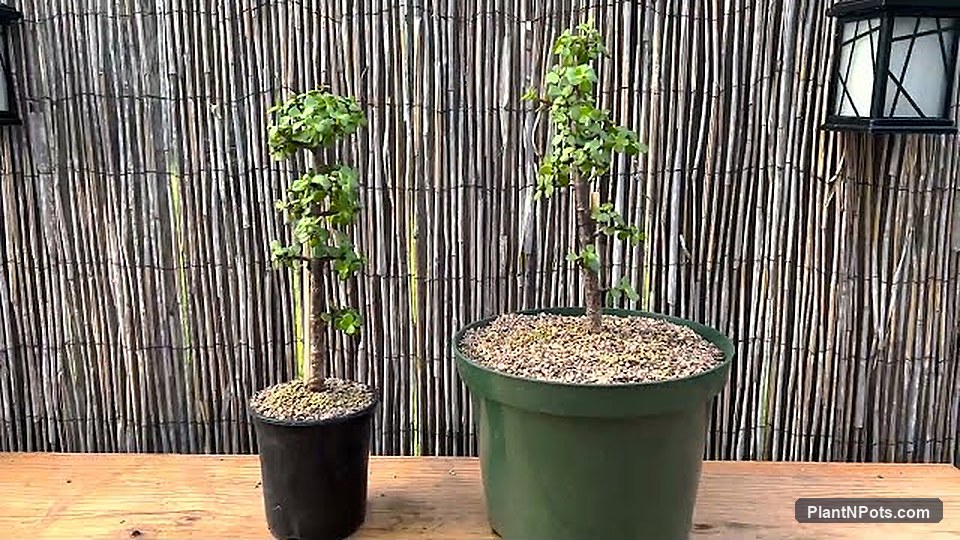
Choosing overly deep containers invites chronic moisture retention around the lower soil profile. This trapped water quickly suffocates delicate feeder roots and introduces fatal fungal pathogens to your prized succulent.
Healthy jade specimens naturally develop thick, woody stems and heavy branch structures over many years. Your container choice must account for both underground root spread and aboveground canopy weight distribution.
Balancing container dimensions ensures your succulent remains upright even during heavy seasonal growth flushes. Proper proportions eliminate the constant risk of accidental tipping in indoor living spaces.
- Inspect root spread before shopping for replacement containers.
- Prioritize wide surface areas over excessive container depth.
- Match pot dimensions directly to the current root volume.
- Account for heavy upper canopies when assessing stability.
Evaluating Root Mass Proportions
Gently slide your succulent from its nursery container and inspect the root spread. Ensuring proper dimensions starts with [choosing the correct pot size](https://plantnpots.com/?p=6664) to prevent restrictive binding and support healthy growth.
Discard any container that forces roots into tight, circular coils. Selecting a proportional vessel encourages outward expansion and prevents stunted top growth over time.
- Gently brush away old soil to view root tips.
- Prune away any damaged or decaying roots cleanly.
Calculating Ideal Diameters and Depths for Young Succulents
Young jade cuttings and small starter plants require snug containers to establish vigorous root systems. Selecting a pot that is vastly oversized creates dangerous moisture pockets that overwhelm small plants.
A standard rule dictates scaling up by just one to two inches beyond the current root ball diameter. This incremental shift encourages steady root expansion without inducing transplant shock.
Starter plants typically thrive in small three to four-inch pots for their first growing season. Alternatively, consider [hanging pots from your ceiling](https://plantnpots.com/?p=4434) if you need to maximize vertical indoor space.
Shallow azalea pans or standard round pots work exceptionally well for juvenile specimens. Their moderate depth aligns perfectly with the natural shallow rooting habit of young crassula species.
- Limit container size increases to two inches maximum.
- Use three to four-inch pots for initial propagation steps.
- Avoid deep planters that retain moisture far below roots.
- Check soil dryness at root depth before watering.
Video Walkthrough: how to grow a LARGE jade plant
Managing Container Proportions for Mature Tree-Like Specimens
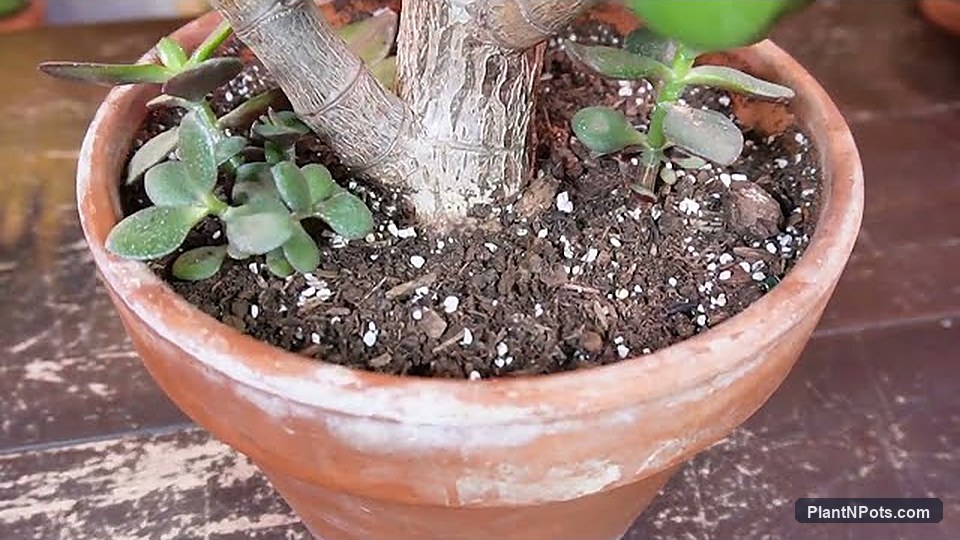
Mature jade plants eventually develop thick woody trunks and dense foliage that act like miniature trees. These large specimens require significantly heavier containers to prevent accidental tipping hazards.
Once a jade plant reaches ten to twelve inches in height, upgrade to a sturdy ten-inch pot. Heavy ceramic or unglazed terracotta containers provide essential ballast for top-heavy canopies.
Avoid using lightweight plastic containers for large mature specimens because wind or casual bumps easily topple them. Solid, heavy vessels keep the center of gravity safely anchored below.
Even for large plants, avoid oversized containers that exceed a two-inch clearance around roots. Pair these stable vessels with the [best soil for large planters](https://plantnpots.com/?p=3571) to maintain proper moisture balance.
- Upgrade mature plants to heavy ten-inch containers safely.
- Prioritize heavy materials to counteract top-heavy canopies.
- Never jump multiple pot sizes during routine repotting tasks.
- Ensure balance remains centered directly over the base.
Heavy Materials Versus Lightweight Plastics for Stability
Container material directly influences moisture evaporation rates and structural stability within indoor gardening environments. Porous materials like terracotta actively pull excess moisture away from surrounding potting soils.
Unglazed terracotta pots provide superior breathability, making them the gold standard for drought-tolerant succulents. Their heavy walls anchor growing plants securely against accidental tipping and wind drafts.
Plastic planters retain moisture far longer than clay alternatives, increasing accidental overwatering risks for beginners. If you choose plastic, ensure your potting mix features exceptional drainage amendments.
Glazed ceramics offer decorative appeal while slowing moisture loss through the container walls. Gardeners must adjust watering frequencies carefully when transitioning jade plants into sealed glazed pottery.
- Select unglazed terracotta for superior moisture regulation.
- Use heavy ceramic pots to anchor top-heavy canopies.
- Account for slower evaporation rates in plastic planters.
- Balance aesthetic preferences with functional plant health.
Evaluating Drainage Hole Requirements and Soil Airflow
Adequate drainage holes are non-negotiable when selecting any container for moisture-sensitive jade plants. Containers lacking bottom drainage trap stagnant water, which quickly causes fatal root rot and stem collapse.
Verify that your chosen pot features at least one unobstructed central drainage hole. Large containers benefit greatly from multiple drainage ports to ensure complete water evacuation.
Elevate containers slightly on pot feet to maximize bottom airflow and prevent water pooling beneath. Proper air circulation around the base prevents fungal spores from entering drainage ports.
Cover large drainage holes with porous mesh or broken pottery shards to retain soil. This smart practice prevents potting mix from washing out while allowing excess moisture to escape.
- Confirm containers feature at least one central drainage hole.
- Use porous mesh screens to retain soil inside the pot.
- Elevate containers on pot feet to improve bottom airflow.
- Empty saucers promptly after watering to prevent pooling.
Video Walkthrough: What are the Best Pots for Jade Plants? Ultimate Tips 2021
Step-by-Step Repotting Techniques for Proper Fit Assessment
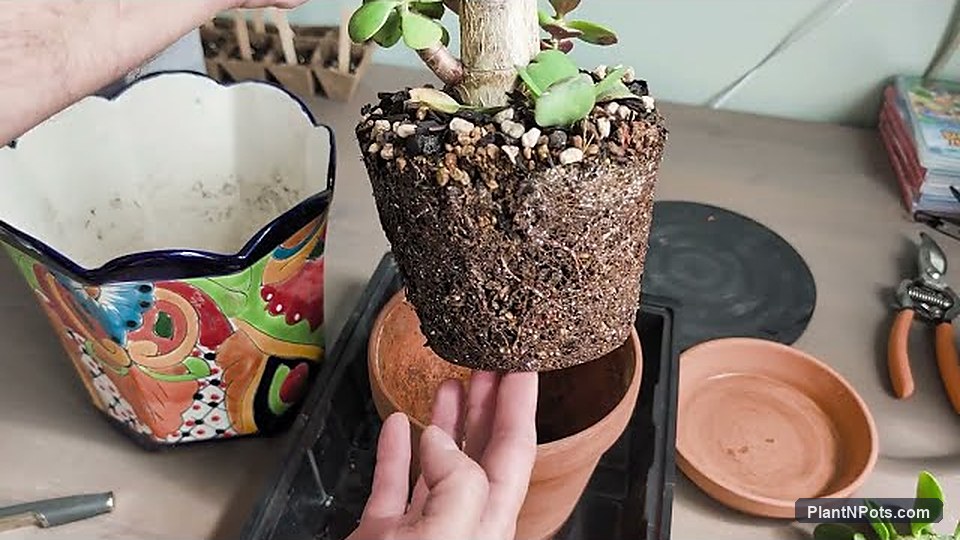
Repotting your jade plant every two to three years rejuvenates exhausted soil and accommodates growth. Begin this seasonal task by allowing the existing potting mix to dry out completely.
Gently tilt the container sideways and tap the rim firmly to loosen the root ball. Carefully tease tangled roots apart without tearing delicate structural fibers or primary anchor stems.
Place a fresh layer of gritty succulent soil blend into the bottom of your new container. Position the plant centrally, ensuring the soil line matches its previous depth.
Fill surrounding gaps with fresh potting mix, tamping lightly to eliminate large air pockets. Wait one full week before watering to let bruised roots heal successfully.
- Allow soil to dry completely before beginning repotting.
- Tease root balls gently to encourage outward expansion.
- Match the original soil line height inside the new pot.
- Withhold water for seven days post-transplant to heal roots.
Preventing Common Overpotting Mistakes and Root Stress
Overpotting remains the single most common killer of container-grown jade plants worldwide. Placing a small plant into a massive decorative pot guarantees excessive soil moisture retention and root rot.
Massive volumes of surrounding soil stay wet for weeks after watering, suffocating delicate root hairs. Always resist the temptation to jump up multiple container sizes during routine maintenance tasks.
Recognize early signs of overpotting, including leaf drop, yellowing lower foliage, and soft stems. Address these symptoms immediately by downsizing the container and trimming away rotted roots.
Stick strictly to the one-inch rule when upgrading container diameters for thriving plants. Patience ensures your succulent develops a resilient root system capable of supporting decades of growth.
- Avoid placing small starter plants in oversized containers.
- Recognize yellow leaves and soft stems as overwatering signs.
- Downsize containers immediately if chronic root rot appears.
- Stick strictly to conservative size increments during repotting.
Seasonal Adjustments and Long-Term Container Maintenance
Environmental shifts throughout the year directly impact how rapidly your container soil dries out. Indoor heating during winter months accelerates evaporation, requiring careful monitoring of soil moisture levels.
Clean and sanitize reused containers thoroughly before introducing new jade plants to prevent disease transfer. Scrub pots with a mild bleach solution and rinse thoroughly before adding fresh soil.
Inspect container exterior surfaces regularly for mineral salt accumulation or hairline structural cracks. Heavy terracotta pots can fracture during freezing winter temperatures if left outdoors unprotected.
Adjust your watering schedule to match changing seasonal light levels and ambient household temperatures. Maintaining consistent container conditions keeps your jade plant thriving across every calendar year.
- Sanitize reused pots thoroughly before new plantings.
- Monitor indoor heating impacts on soil drying rates.
- Inspect terracotta containers for winter freeze fractures.
- Adjust watering frequency to match seasonal light shifts.
Frequently Asked Questions
What happens if I put my jade plant in a pot that is too big?
Oversized containers retain excessive moisture around roots for too long. This stagnant dampness causes fatal root rot and rapid foliage decline.
How often should I repot my growing jade plant into a larger container?
Repot your jade plant every two to three years during active spring growth. Only increase the diameter by one to two inches maximum.
Can I plant my jade in a container without a bottom drainage hole?
Containers without drainage holes trap excess water and destroy root health. Always choose pots featuring at least one drainage port for survival.
Is terracotta better than plastic for growing healthy jade plants?
Terracotta is superior because its porous clay walls promote rapid soil evaporation. This natural breathability prevents accidental overwatering and root decay.
Why is my large jade plant tipping over in its current container?
Top-heavy canopies outgrow lightweight plastic pots very quickly. Switch to a heavy unglazed ceramic vessel to anchor the plant safely.

