Discover exact container dimensions for thriving herbs. This practical guide ensures healthy root growth and abundant harvests.
Key Takeaway:
A single basil plant requires a minimum 8-inch diameter pot with adequate drainage holes to support its vigorous root system and sustained culinary leaf production.
Quick-Reference Guide
| Factor / Scenario | Recommended Target | Why It Matters |
|---|---|---|
| Single Young Seedling | 6-inch container | Provides enough early root space without retaining excess moisture. |
| Mature Single Plant | 8 to 10-inch pot | Accommodates extensive root depth and prevents premature root-binding. |
| Multiple Companion Plants | 12 to 14-inch container | Allows adequate lateral spacing to prevent nutrient competition. |
| Container Material | Unglazed terracotta | Promotes faster soil evaporation and prevents root rot. |
| Drainage Requirement | Multiple bottom holes | Prevents perched water tables and fungal pathogens. |
| Substrate Composition | Loamy, well-draining mix | Retains essential moisture while ensuring optimal oxygen exchange. |
Determining What Size Pot for Basil Plant Success
Selecting the correct container size directly dictates your harvest volume. Basil develops an extensive taproot that demands adequate vertical clearance and lateral stability to thrive throughout the entire growing season.
Under-sizing restricts root expansion prematurely. When roots hit hard container walls too early, the plant becomes root-bound, stunting top-growth and triggering premature flowering that ruins leaf flavor profiles.
When comparing gear and setup options, our [best pot for indoor basil:](https://plantnpots.com/?p=6430) breaks down key materials, sizing, and durability trade-offs.
Conversely, placing a tiny seedling into a massive container creates severe moisture hazards. Excess potting mix retains too much water, suffocating delicate root hairs and encouraging fatal fungal infections.
Always match your container dimensions to the current root ball volume. Gradual pot upgrades ensure steady, uninterrupted growth while maintaining proper moisture equilibrium across the entire root zone.
- Choose an 8-inch minimum diameter for a single mature basil plant.
- Ensure container depth reaches at least 8 inches to accommodate taproots.
- Avoid oversized pots that retain excessive moisture around small root systems.
- Account for eventual plant width when planning container spacing arrangements.
Evaluating Single Versus Multiple Plant Spacing
Crowding multiple basil seedlings into a single container invites fierce competition for light and nutrients. Each individual plant requires distinct root territory to develop robust stems and abundant foliage.
Spacing plants at least 8 inches apart inside wider containers guarantees proper airflow. Good circulation around lower stems prevents powdery mildew and other common greenhouse fungal pathogens.
- Limit containers to one plant per 8-inch pot for maximum yields.
- Use rectangular window boxes only with strict 10-inch plant spacing rules.
Root Systems and Container Capacity Mechanics
Basil plants feature a surprisingly aggressive root architecture that expands rapidly during warm summer months. Understanding this subterranean growth pattern helps prevent unexpected container constraints mid-season.
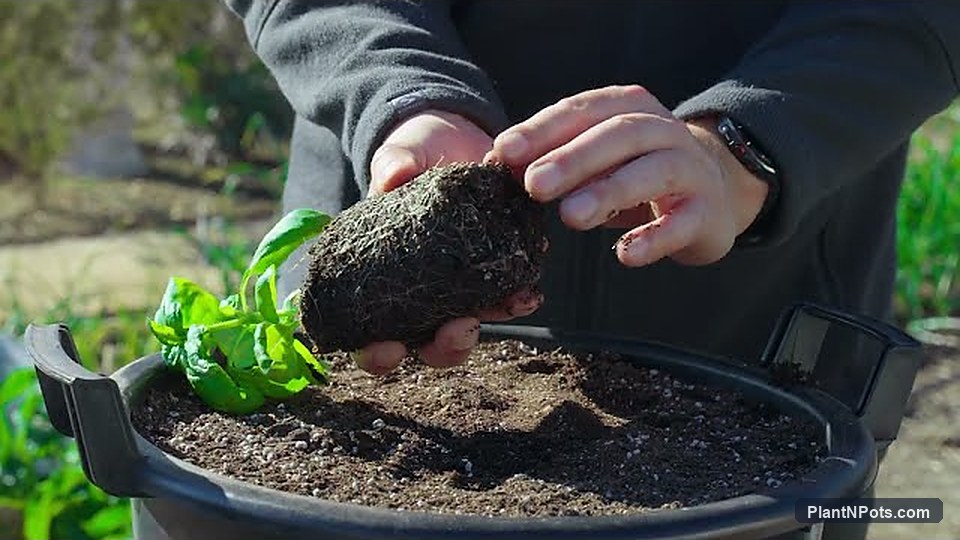
As the plant pushes out lush upper foliage, the root mass mirrors that expansion below the soil line. Insufficient soil volume starves the plant of essential macronutrients and stunts overall vitality.
Heavy container materials provide critical physical ballast against top-heavy wind resistance. A well-proportioned pot prevents tall, bushy basil varieties from tipping over during sudden summer storms.
Monitoring root emergence through bottom drainage holes serves as your primary diagnostic tool. Seeing circling roots means your basil has outgrown its current container and requires immediate repotting.
- Match container weight to plant height to prevent accidental tipping outdoors.
- Inspect drainage holes monthly for escaping root tips indicating crowding.
- Provide at least one gallon of soil volume per mature bush.
- Maintain adequate structural clearance between container rims and soil lines.
Subterranean Dynamics and Soil Volume Ratios
Maintaining a balanced ratio between above-ground foliage and underground roots ensures steady plant vigor. Soil must hold enough moisture between waterings without becoming waterlogged.
Compacted potting mixes destroy root efficiency by cutting off vital oxygen supplies. Always select loose, high-porosity growing mediums designed specifically for container-bound culinary herbs.
- Keep soil mixes light by incorporating perlite or coarse sand.
- Reject dense garden soils that compact severely inside small pots.
Video Walkthrough: Grow an ENDLESS SUPPLY of BASIL with these TIPS
Material Selections for Optimal Moisture Control
Container composition dictates how fast your potting soil dries out between watering sessions. Porous materials like unglazed terracotta breathe naturally, releasing excess moisture through their clay walls.
Plastic and glazed ceramic containers trap moisture much longer. While this reduces watering frequency, it significantly increases the risk of root rot if your potting medium lacks adequate drainage.
Terracotta remains the gold standard for Mediterranean herbs like basil because it mimics dry native conditions. The porous clay protects sensitive roots from lingering saturation after heavy rains.
Consider your local climate when choosing pot materials. Hot, dry regions benefit from moisture-retentive plastic, while humid environments require breathable terracotta to keep root zones healthy.
- Select unglazed terracotta for superior breathability and fast evaporation.
- Use UV-resistant plastic pots to minimize soil temperature fluctuations.
- Ensure all chosen containers feature pre-drilled bottom drainage holes.
- Elevate pots slightly on feet to maximize lower airflow and drainage.
Comparing Clay, Plastic, and Fabric Planters
Fabric aeration containers promote exceptional root pruning through air exposure. However, they dry out extremely fast, demanding daily monitoring during peak summer heatwaves.
Standard plastic pots offer lightweight portability but degrade under intense ultraviolet radiation. Balance your maintenance schedule and aesthetic preferences carefully before finalizing container choices.
- Weigh daily watering tasks against your personal maintenance availability.
- Protect plastic containers from cracking by storing them indoors in winter.
Step-by-Step Practical Repotting Method for Young Herbs
Transitioning a basil plant into a larger container requires gentle handling to minimize transplant shock. Always water your herb thoroughly a few hours before beginning the repotting process.
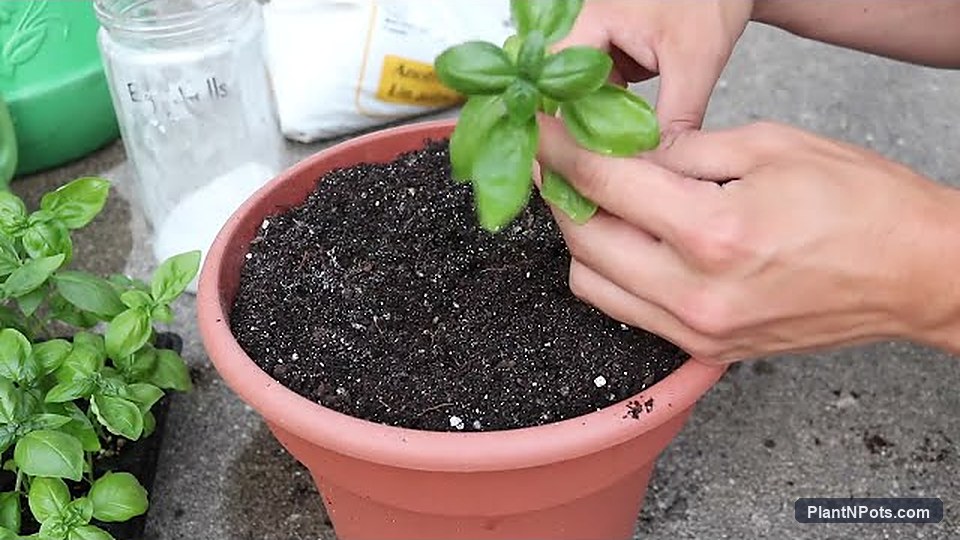
Gently support the main stem near the soil surface and tilt the current pot sideways. Tap the container rim firmly against a solid surface to loosen the root ball.
Tease out tightly wound outer roots with your fingers to encourage outward growth into the new soil. Never slice or aggressively shear the primary taproot during this handling phase.
Fill your new container partially with fresh, pre-moistened potting mix. Center the plant at the exact same soil depth it previously enjoyed, then fill surrounding gaps firmly.
- Water plants hours before repotting to hydrate root tissues fully.
- Gently tease circling roots to stimulate new radial growth patterns.
- Maintain the original soil line depth to prevent stem rot issues.
- Press soil lightly to eliminate air pockets without compacting the mix.
Post-Transplant Care and Initial Watering Protocols
Give your newly repotted basil a deep, thorough watering to settle soil particles around the roots. Allow all excess water to drain out completely before placing the container back.
Keep the transplanted herb in partial shade for two to three days to reduce environmental stress. Resume full sunlight exposure once the plant shows vibrant new growth.
- Provide temporary shade immediately following the repotting process.
- Withhold all fertilizer applications for at least four weeks post-transplant.
Drainage Requirements and Substrate Engineering
Proper drainage is non-negotiable for successful basil container gardening. Even the correct pot size will fail if water collects at the bottom and creates a suffocating perched water table.
Verify that every container features generous, unobstructed bottom drainage holes. Drill additional holes into plastic pots if factory openings appear too small or sparse for adequate flow.
Avoid placing coarse gravel or broken shards at the bottom of containers. Modern horticultural science proves this practice actually raises the saturation zone closer to the roots.
Formulate a custom substrate using high-grade organic compost mixed with perlite. This precise blend guarantees rapid drainage while retaining sufficient moisture and vital nutrient loads.
- Confirm multiple bottom holes exist before adding any soil.
- Skip traditional gravel bottom layers to prevent perched water tables.
- Incorporate perlite or pumice to ensure permanent soil aeration.
- Test drainage speed by pouring water through the filled container.
Troubleshooting Poor Container Drainage Issues
Soggy soil combined with yellowing lower leaves signals trapped moisture inside the container. Clear blocked drainage holes immediately using a wooden skewer pushed up from underneath.
If soil has completely compacted and lost its porosity, repot the basil into fresh mix. Immediate action prevents advanced root rot from destroying the entire plant system.
- Clear blocked outlet holes using a slim wooden garden stake.
- Replace compacted, sour-smelling soil mixes with fresh porous substrate.
Common Container Sizing Mistakes and Corrective Fixes
Gardeners frequently plant tiny basil seedlings directly into massive pots, assuming it saves future labor. This common error almost always leads to chronic root rot from waterlogged soils.
Another frequent mistake involves keeping mature, bushy plants in cramped starter containers indefinitely. Restricted roots starve the plant, turning leaves pale green and halting all new harvest production.
Ignoring seasonal growth spurts creates severe watering imbalances during hot weather. Plants that outgrow their pots suddenly require multiple daily waterings to survive blistering afternoon temperatures.
Correct sizing errors promptly by stepping container dimensions up gradually. Move plants from 4-inch pots to 6-inch pots, then eventually to 8 or 10-inch permanent homes.
- Never jump tiny seedlings directly into oversized outdoor planters.
- Upgrade container sizes gradually by two-inch increments over time.
- Monitor summer watering frequency to spot sudden root-binding limits.
- Inspect root balls annually to ensure adequate long-term spatial growth.
Identifying Root-Bound Symptoms in Container Basil
Stunted upper growth despite regular fertilization often points to severe root constriction. Check for thick white roots winding tightly around the perimeter of the inner pot.
Water running straight through the pot instantly without moistening the soil indicates root-bound compaction. The root mass has completely displaced the surrounding growing medium.
- Watch for water rushing straight through without absorbing properly.
- Look for dense surface root tangles pushing against the container.
Long-Term Container Maintenance and Seasonal Yields
Sustaining high basil yields in containers requires consistent seasonal care and vigilant maintenance habits. Regular harvesting encourages branching, transforming single stems into dense, productive culinary bushes.
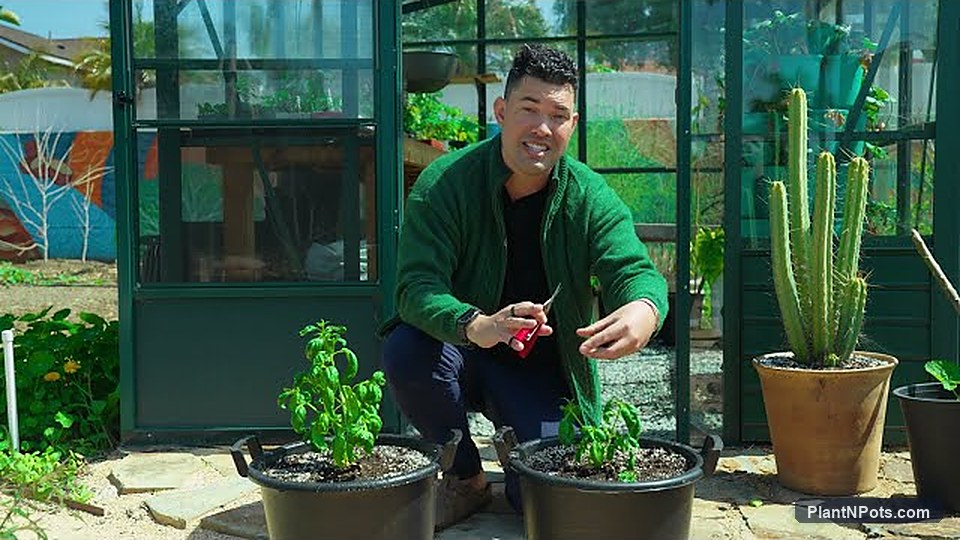
Pinch off flower buds immediately whenever they appear at stem tips. Flowering redirects plant energy away from flavorful leaf production and alters the chemical profile of the herb.
Replenish topsoil nutrients annually by scraping away the top inch of old medium and adding fresh organic compost. Container soils lose vital fertility quickly through repeated watering cycles.
Prepare container-grown herbs for seasonal changes by pruning heavily in late summer. Healthy potted basil can transition indoors onto sunny windowsills when autumn temperatures begin dropping.
- Pinch off flower buds weekly to prolong edible leaf production.
- Harvest from the top down to encourage bushy lateral growth.
- Refresh container surface soil annually with rich organic compost.
- Bring outdoor pots indoors before nighttime temperatures drop below 50F.
Preparing Potted Basil for Indoor Winter Windowsills
Transitioning outdoor container basil indoors requires gradual light adjustment to prevent shock. Place pots near your sunniest south-facing window to compensate for shorter winter daylight hours.
Reduce watering frequencies significantly during winter months as plant metabolism slows down. Allow the top soil layer to dry out completely between individual watering sessions.
- Position indoor containers near south-facing windows for maximum light.
- Cut back on winter watering to prevent fatal root rot issues.
Frequently Asked Questions
What exact pot size does a single basil plant need?
A single mature basil plant requires a minimum 8-inch diameter pot with adequate depth. This provides sufficient room for its deep taproot without retaining excess moisture.
Can I plant multiple basil seedlings in one large container?
Yes, but you must use a wider container and maintain at least 8 inches of spacing between plants. Crowding restricts root development and reduces overall culinary leaf yields.
Why is terracotta better than plastic for growing container basil?
Terracotta is porous, allowing excess soil moisture to evaporate through the clay walls. This breathability protects sensitive basil roots from standing water and fatal fungal rots.
What happens if my basil plant is kept in a pot that is too small?
Overcrowded roots become severely root-bound, which stunts top growth. The plant will drop lower leaves, turn pale green, and prematurely trigger flowering cycles that ruin flavor.
Should I put gravel at the bottom of my basil pot for drainage?
No, adding gravel actually raises the perched water table and traps moisture closer to the roots. Always rely entirely on pre-drilled bottom holes and a porous soil mix.

