Container gardening brings fresh vegetables to sunny patios. Master exact root space requirements for high-yielding cucumber crops.
Key Takeaway:
Choosing what size pot for a cucumber plant requires at least a five-gallon container holding a minimum of twelve inches of soil depth to support vigorous vine growth.
Container Size Reference Guide
| Cucumber Variety | Minimum Container Volume | Recommended Dimensions |
|---|---|---|
| Bush Varieties | 3 to 5 Gallons | 10 to 12 inches diameter |
| Standard Vining | 5 to 7 Gallons | 12 to 14 inches diameter |
| Indeterminate Types | 10 to 15 Gallons | 16 to 18 inches diameter |
| Dwarf Patio Types | 2 to 3 Gallons | 8 to 10 inches diameter |
| Slicing Cucumbers | 5 to 10 Gallons | 12 to 16 inches diameter |
| Pickling Cultivars | 5 Gallons | 12 inches diameter and depth |
Root System Demands and Container Selection
Cucumbers possess aggressive root systems requiring ample space to forage for nutrients. A standard container must hold at least five gallons of premium potting mix to sustain healthy vines.
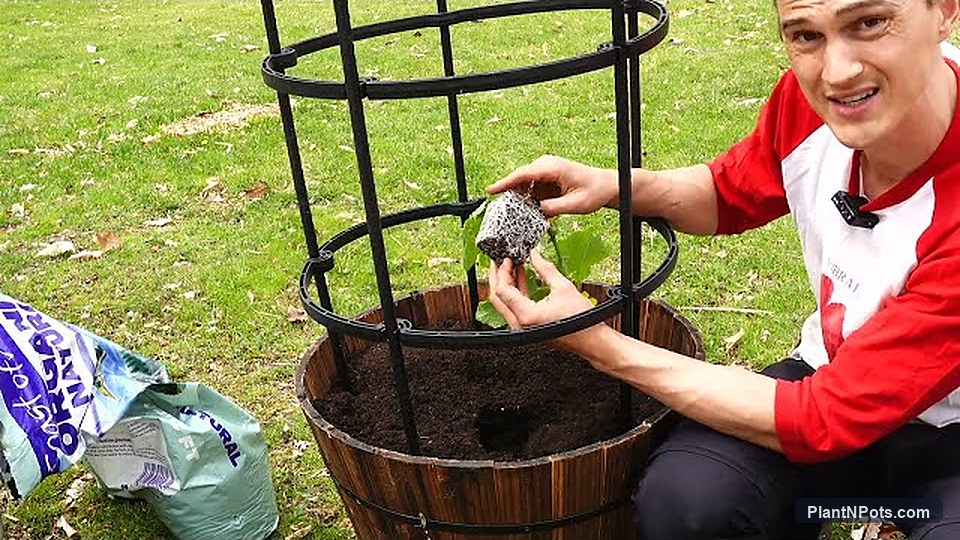
Choosing the correct container dimensions, much like [selecting the right pot size](https://plantnpots.com/?p=6664), directly dictates overall water retention and nutrient availability. Undersized vessels cause rapid moisture depletion, leading to blossom end rot and poor yields.
Commercial growers recommend containers measuring a minimum of twelve inches in both diameter and depth. This ensures roots avoid circling and can anchor heavy fruiting vines properly throughout the season.
Outdoor planters exposed to intense summer sun require even larger footprints to insulate root zones from extreme heat. Insulation prevents thermal shock and maintains steady biological activity below ground.
Cucumbers develop aggressive taproots and extensive lateral networks that require robust container structures. Select food-safe polyethylene or unglazed terracotta pots measuring at least twelve inches across to support heavy foliage and fruit.
Container material dictates moisture retention and thermal regulation around delicate root zones. Dark plastic absorbs excessive heat in summer, whereas breathable fabric pots promote natural air pruning while keeping root temperatures stable.
Structural stability prevents toppling as vining varieties grow dense canopies laden with ripening fruit. Pair your chosen vessel with a sturdy tomato cage or trellis system anchored directly into the growing medium.
Inspect your containers annually for structural cracks, UV degradation, or clogged drainage holes that impede performance. Maintaining a pristine growing environment directly correlates with enhanced harvest yields throughout the warm summer months.
- Choose containers holding 5 to 10 gallons of soil volume.
- Ensure minimum 12-inch depth for primary taproots.
- Avoid narrow, tapered pots that restrict root expansion.
- Opt for breathable materials like fabric or unglazed terracotta.
Evaluating Container Materials
Plastic pots retain moisture longer but can overheat sensitive roots during intense afternoon sun exposure. Fabric containers offer superior aeration through natural air-pruning of lateral roots.
Unglazed ceramic and terracotta provide excellent weight and stability for heavy climbing vines. However, porous walls allow rapid evaporation, demanding more frequent irrigation schedules during peak summer months.
- Plastic retains moisture and warms up quickly outdoors.
- Fabric bags prevent root circling via air-pruning.
- Terracotta offers stability but accelerates soil drying.
Matching Pot Dimensions to Cucumber Cultivars
Bush cucumber varieties naturally stay compact and require smaller root runs than sprawling vining types. A three-gallon pot easily accommodates dwarf bush cultivars without stunting fruit production.
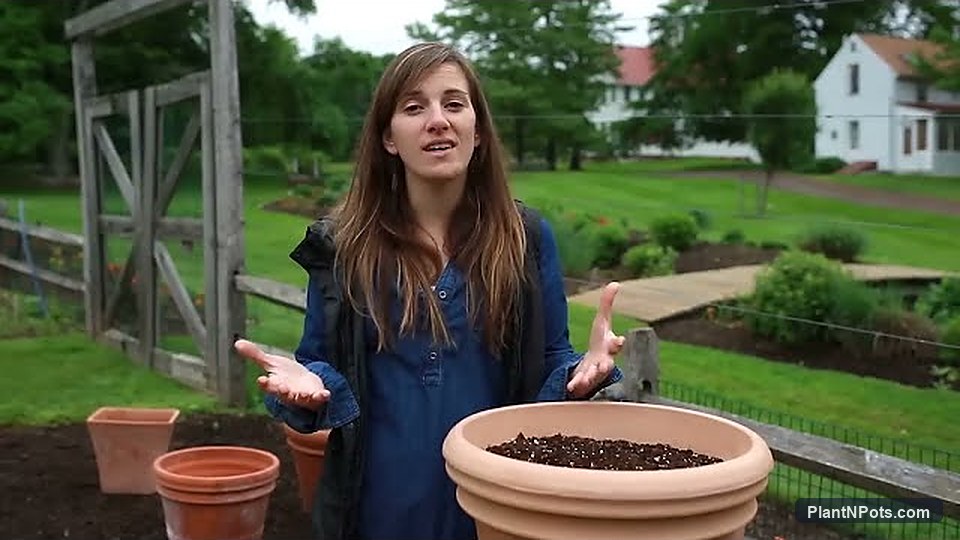
Standard slicing and pickling cultivars demand larger root volumes to support extensive vine and foliage growth. Providing a five-gallon or larger vessel guarantees sufficient resources for heavy fruit loads.
Indeterminate greenhouse types grow indefinitely and need massive containers holding ten to fifteen gallons of soil. Such generous volumes prevent premature root crowding and nutrient lockout.
Matching the mature plant footprint to container size eliminates unnecessary transplanting stress and optimizes daily watering routines. Always read seed packet mature spread specifications before purchasing pots.
Bush cucumber varieties naturally occupy smaller footprints than sprawling indeterminate vining types grown in traditional home gardens. Selecting a five gallon container provides ample root space for compact cultivars without wasting premium potting mix.
Indeterminate slicing cucumbers demand massive root volumes to sustain continuous vegetative growth and heavy fruit loads. Upgrade standard vining plants into ten gallon pots to prevent premature root binding and nutrient lockout.
Mini and snacking cucumbers adapt exceptionally well to hanging baskets or moderately sized balcony containers. Ensure your hanging hardware supports a thirty pound load once the saturated soil and mature vines reach peak weight.
Matching the mature plant size to container capacity eliminates guesswork during the critical early planting phase. Always review seed packet specifications regarding spread before purchasing permanent outdoor planters for your garden.
- Match pot capacity directly to mature cultivar spread.
- Use 3-gallon pots exclusively for true bush types.
- Reserve 5-gallon pots for standard vining cucumbers.
- Scale up to 10 gallons for indeterminate greenhouse varieties.
Accommodating Trellises in Containers
Heavy vertical trellises installed inside small pots create severe tipping hazards during windy weather conditions. Ensure your container base is wide and heavy enough to counterbalance loaded vines.
Insert sturdy stakes or cylindrical cages directly into the soil mix during initial potting. This prevents damaging established root networks later in the growing season.
- Anchor vertical trellises deeply into the potting mix.
- Select wide-based containers to prevent wind tipping.
- Install support structures before planting seeds or seedlings.
Video Walkthrough: CUCUMBERS – How to Grow in Containers for Maximum Yield – Easy
Soil Volume and Root Development Dynamics
Sufficient soil volume acts as a crucial buffer against drastic pH and moisture fluctuations. Restricted root zones limit lateral expansion, causing plants to become root-bound and nutrient-deficient rapidly.
Understanding what size pot for a cucumber plant involves balancing weight management with root space needs. Gardeners must ensure pots remain manageable while holding enough soil to nourish vines.
Dense, heavy potting mixes can suffocate roots if drainage is inadequate within deep containers. Incorporate perlite or coarse horticultural grit to maintain optimal air porosity throughout the soil profile.
Nutrient leaching occurs much faster in container gardening compared to traditional in-ground growing beds. Larger soil volumes retain applied fertilizers longer, reducing the frequency of necessary supplemental feedings.
Insufficient soil volume restricts root proliferation, stunting overall plant vigor and drastically reducing seasonal vegetable production. Provide rich, organic media containing aged compost and perlite to optimize aeration and nutrient exchange.
Root systems require consistent moisture without enduring waterlogged conditions that encourage fungal root rot pathogens. Incorporating coarse horticultural sand creates ideal pore spaces that balance water retention with adequate oxygen diffusion.
Heavy feeding requirements demand nutrient dense soil mixtures that release minerals slowly throughout the growing season. Mix slow release fertilizer directly into the lower third of your container during initial potting.
Compacted soil suffocates roots and impedes water penetration, requiring careful top dressing alongside [proper container aeration](https://plantnpots.com/?p=3886) for seasonal medium renewal. Monitor soil density regularly to ensure sustained vine productivity all summer.
- Maintain high soil porosity with perlite or pumice amendments.
- Avoid heavy garden topsoil that compacts inside containers.
- Replenish top-layer nutrients with organic compost mid-season.
- Monitor soil electrical conductivity to prevent salt buildup.
Optimizing Potting Mix Composition
Create a rich, well-draining substrate using equal parts peat moss, aged compost, and coarse perlite. This blend retains necessary moisture while providing exceptional oxygen exchange for developing roots.
Avoid filling containers with native garden soil, which introduces weed seeds and compacts severely. Sterile commercial potting mixes prevent soil-borne pathogens from attacking young cucumber seedlings.
- Blend peat moss, compost, and perlite for ideal texture.
- Avoid native garden dirt to prevent compaction and pests.
- Sterilize reused potting media before planting new crops.
Drainage Mechanics and Container Depth Rules
Proper drainage holes, much like when [choosing a quality container](https://plantnpots.com/?p=2903), are non-negotiable for maintaining healthy containerized cucumber crops. Standing water at the base of a pot quickly causes root rot and fungal pathogens.
Containers must feature multiple drainage apertures totaling at least five percent of the total bottom surface area. Elevate pots slightly on bricks or pot feet to ensure unobstructed water egress.
Deep containers create a perched water table near the bottom where soil stays permanently saturated. Selecting pots with matching saucers that are emptied promptly prevents stagnant water absorption.
Lining the bottom of pots with gravel is largely outdated and often impedes downward water movement. Modern container gardening relies entirely on uniform, high-porosity potting media for drainage.
Proper drainage prevents stagnant water pools from suffocating developing cucumber roots during heavy rainstorms or overwatering. Drill multiple half inch holes across the bottom perimeter of custom wooden or plastic planters.
Elevating containers off concrete patios using pot feet promotes uninhibited water runoff and prevents root saturation. Maintaining clear airflow paths beneath the vessel protects against secondary fungal infections and pests.
Container depth is just as vital as surface width because cucumber roots plunge vertically seeking moisture. Select pots offering twelve inches minimum of vertical depth to accommodate natural root system elongation.
Avoid placing gravel or broken pottery at the bottom of pots, as this practice actually impedes perched water tables. Rely entirely on porous potting mixes to facilitate natural gravity drainage throughout the entire volume.
- Drill extra holes if factory drainage seems insufficient.
- Elevate containers using feet to keep drainage paths clear.
- Never let pots sit in standing saucer water for long.
- Discard outdated gravel layer myths in favor of uniform soil.
Preventing Soil Loss Through Drainage Holes
Cover large bottom drainage holes with porous landscape fabric or drywall tape to retain soil. This smart trick stops potting mix from washing away during heavy watering sessions.
Avoid solid plastic barriers that block water exit paths while attempting to save soil. Breathable mesh screens allow water out while keeping all vital growing media safely inside.
- Use porous landscape fabric over large drainage holes.
- Prevent soil washout without restricting water outflow.
- Inspect drainage apertures periodically for root blocking.
Managing Seasonal Growth and Container Upgrades
Starting seeds in small starter cells is standard practice before transplanting into final containers. Move seedlings into their permanent five-gallon vessels once true leaves emerge and weather warms.
Cucumbers dislike root disturbance, making mid-season pot upgrades risky and often counterproductive. Plan ahead by planting directly into the final container size whenever possible to avoid transplant shock.
If an upgrade is absolutely necessary, perform the transfer during an overcast morning. Gently slide the root ball intact into the new, larger pot filled with pre-moistened potting mix.
Mulching the soil surface of your final container helps retain moisture and regulate root temperatures. Use organic straw or shredded bark to suppress weeds and reduce surface evaporation rates.
Rapid spring growth often causes young cucumber plants to outgrow their starter containers within a few weeks. Transplanters should execute gentle root ball transfers to minimize transplant shock and encourage immediate establishment.
Summer heatwaves accelerate water consumption, requiring daily irrigation checks and possible mid-season mulching adjustments. Applying organic straw mulch over the soil surface significantly reduces moisture evaporation rates.
As autumn approaches, declining ambient temperatures signal the end of the productive fruiting cycle for container vines. Clear out spent plants and sanitize vessels using diluted bleach solution to prepare for winter storage.
Upgrading container sizes mid-season is rarely recommended because disturbing mature root networks severely stunts fruit development. Plan your final pot dimensions carefully during initial spring setup to avoid disruptive later changes.
- Plant directly into final containers to avoid root shock.
- Upgrade pots only during cool, overcast morning hours.
- Apply organic mulch to retain top-layer soil moisture.
- Handle root balls delicately during any necessary transfers.
Recognizing Root-Bound Cucumber Plants
Inspect container drainage holes regularly for escaping roots as an indicator of overcrowding. Root-bound plants often exhibit stunted leaf growth and yellowing lower foliage despite regular feeding.
Watering requirements spike dramatically when a plant outgrows its container volume. If soil dries out within hours of a thorough soaking, your cucumber urgently needs a larger home.
- Look for roots emerging from bottom drainage holes.
- Note sudden increases in daily watering frequency.
- Diagnose unexpected leaf yellowing as potential crowding.
Preventing Common Container Cucumber Problems
Container cucumbers frequently face calcium deficiency due to inconsistent watering schedules and rapid nutrient leaching. Maintain even soil moisture to prevent unsightly blossom end rot on developing fruits.
Powdery mildew thrives in humid environments with poor air circulation around dense container foliage. Space planters adequately and prune lower leaves to encourage continuous air movement through vines.
Pests like spider mites and aphids multiply rapidly on stressed, container-grown vegetable plants. Inspect leaf undersides weekly and apply insecticidal soap at the first sign of infestation.
Over-fertilizing salt accumulation can burn root tips and cause leaf margin browning. Flush containers thoroughly with plain water every four weeks to leach accumulated mineral salts.
Powdery mildew frequently attacks container cucumbers crowded on balconies with restricted air circulation and humidity. Space your pots adequately and apply preventative copper fungicide sprays before white fungal spots appear.
Blossom end rot indicates calcium deficiency caused by erratic watering schedules in confined pot environments. Maintain consistent moisture levels by watering deeply whenever the top inch of soil feels dry.
Aphids and spider mites target stressed container plants experiencing drought conditions or excessive nitrogen fertilizer applications. Introduce beneficial ladybugs or spray foliage with insecticidal soap to control pest populations naturally.
Nutrient leaching occurs rapidly in porous containers due to frequent watering required by summer crops. Supplement weekly with a balanced liquid fertilizer to replenish essential minerals washed away by drainage.
- Water consistently to prevent calcium lockout issues.
- Space containers properly to maximize air circulation.
- Inspect leaf undersides routinely for sap-sucking pests.
- Flush pots monthly to remove built-up fertilizer salts.
Managing Summer Heat Stress
Dark-colored plastic pots absorb solar radiation, cooking delicate feeder roots during heatwaves. Shield containers with light-colored wraps or shade cloth to keep root zone temperatures safely stable.
Provide afternoon shade during peak summer heat to prevent sudden wilting and blossom drop. Deep, thorough morning watering cools the root zone before ambient temperatures peak.
- Wrap dark pots in light fabric to reflect sunlight.
- Provide temporary afternoon shade during heatwaves.
- Water deeply every morning to cool root profiles.
Maximizing Yield in Limited Space Setups
Maximizing harvests in confined spaces requires aggressive vertical training using sturdy tomato cages. Train main vines upward to save precious floor space on sunny patios or balconies.
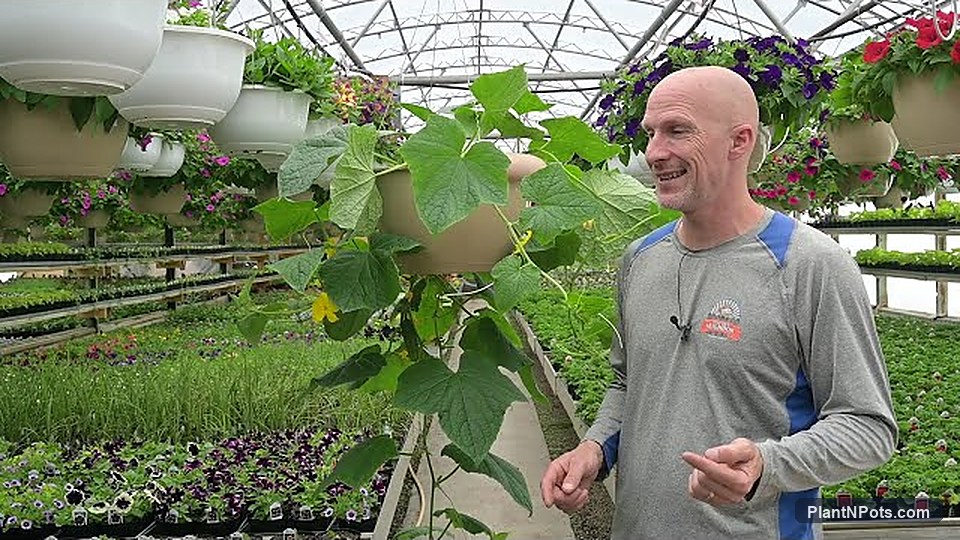
Prune non-fruiting lateral suckers on indeterminate varieties to direct plant energy into fruit production. Removing excess vegetative growth also improves light penetration throughout the entire plant canopy.
Feed container cucumbers weekly with a balanced, water-soluble organic fertilizer high in potassium. Potassium is essential for abundant fruit set and crisp texture in harvested cucumbers.
Harvest fruits frequently when they reach mature eating size to encourage continuous vine productivity. Leaving overripe cucumbers on the vine signals the plant to halt new flower production.
Vertical gardening transforms compact balconies and small patios into highly productive cucumber production zones. Install a sturdy vertical trellis directly behind your pots to train vines upward and save floor space.
Pruning excess suckers and lower leaves improves sunlight penetration and airflow among tightly packed container plants. Focus on removing non fruiting branches to channel all plant energy into producing quality cucumbers.
Companion planting with herbs like basil or dill deters pests while making efficient use of container margins. Select compact herb varieties that will not compete aggressively with your main cucumber root zones.
Rotating containers every few days ensures all sides of the plant receive uniform sunlight for balanced growth. Monitor your daily sun exposure to guarantee plants receive at least six hours of direct light.
- Train vines vertically using sturdy cages or stakes.
- Prune non-fruiting suckers to enhance canopy light.
- Apply high-potassium liquid fertilizer weekly during fruiting.
- Harvest mature cucumbers promptly to prolong productivity.
Hand Pollinating Container Cucumbers
Container plants isolated on high-rise balconies often lack sufficient pollinator insect visits. Hand pollinate female flowers using a small artist brush to transfer pollen from male blooms successfully.
Identify female flowers by the tiny embryonic cucumber situated directly beneath the petals. Gently brush pollen onto the central stigma of each female bloom during morning hours.
- Identify female blooms by the miniature fruit base.
- Use soft artist brushes to transfer yellow pollen grains.
- Perform hand pollination during morning hours for success.
Frequently Asked Questions
Can I grow multiple cucumber plants in a single large pot?
Planting multiple vines in one container causes severe root competition and reduced yields. Restrict your pot to one standard vining plant per five-gallon capacity for best results.
What happens if my cucumber pot is too small?
Undersized pots restrict root development, leading to rapid soil drying and nutrient deficiencies. Plants will exhibit stunted growth, blossom drop, and deformed fruit development throughout the season.
Do self-watering pots work well for container cucumbers?
Self-watering containers maintain consistent moisture levels and prevent drought stress in hot weather. Ensure the reservoir system includes adequate overflow drainage to prevent root saturation.
How often should I water container-grown cucumber plants?
Containers dry out much faster than traditional garden beds during warm summer weather. Check moisture daily and water deeply until it runs out the bottom drainage holes.
Should I add rocks at the bottom of my cucumber pot?
Adding gravel or rocks at the base does not improve drainage and raises the perched water table. Rely entirely on porous potting mix and clear drainage holes instead.

