Choosing the correct container size prevents root crowding and water stress. This authoritative guide details exact dimensions for every tomato variety.
Key Takeaway:
Most standard indeterminate tomatoes require a 10-to-15-gallon container with robust drainage to support heavy fruit loads, while dwarf patio cultivars thrive in compact 5-gallon pots.
Quick-Reference Guide
| Factor / Scenario | Recommended Target | Why It Matters |
|---|---|---|
| Indeterminate Tomatoes | 10 to 15 Gallons | Supports massive vining root systems and high yields. |
| Determinate Tomatoes | 7 to 10 Gallons | Provides enough moisture holding for bush-type fruit sets. |
| Dwarf Patio Varieties | 3 to 5 Gallons | Accommodates compact root structures without tipping. |
| Minimum Pot Depth | 12 to 18 Inches | Allows deep taproot development and nutrient uptake. |
| Drainage Requirements | 3 to 5 Heavy Holes | Prevents fatal root rot and waterlogging issues. |
| Pot Material Selection | UVP Plastic or Fabric | Balances soil moisture retention with root respiration. |
Understanding Tomato Root Systems and Pot Volume
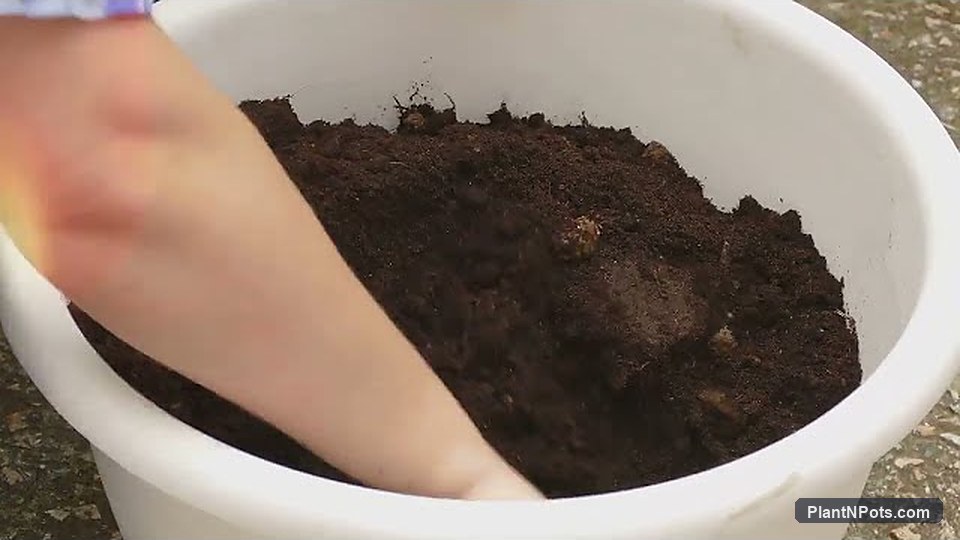
Tomatoes develop extensive root systems that require substantial physical space to absorb water and nutrients efficiently throughout the warm growing season without stunting plant vigor or overall yields.
When growing heavy producers, pairing your soil choice with the [best planter for tomatoes](https://plantnpots.com/?p=3573) ensures your root systems have ample depth and structural stability for maximum nutrient uptake.
Providing adequate soil volume ensures your plants maintain steady access to vital minerals, reducing the likelihood of common physiological disorders like blossom end rot during hot summer peaks.
Commercial growers and experienced gardeners universally agree that underestimating root space is the single most frequent reason container-grown tomatoes fail to produce their expected fruit volume.
- Inspect root expansion rates every four to six weeks during peak summer growth.
- Never crowd multiple standard tomato plants into a single undersized pot.
- Calculate soil volume needs before purchasing containers for your patio garden setup.
- Prioritize wider containers over narrow, tall vessels to match natural root spreads.
The Mechanics of Root Crowding
Root restriction triggers hormonal signals that signal the plant to stunt its above-ground growth, limiting canopy expansion, flower development, and ultimately reducing the total fruit yield significantly.
Once roots run out of physical room, watering frequency must double or triple to keep the plant alive during intense afternoon heat waves and dry winds.
- Monitor daily moisture levels closely in restricted root zones.
- Watch for premature leaf yellowing indicating severe nutrient lockout.
Matching Container Capacity to Tomato Growth Habits
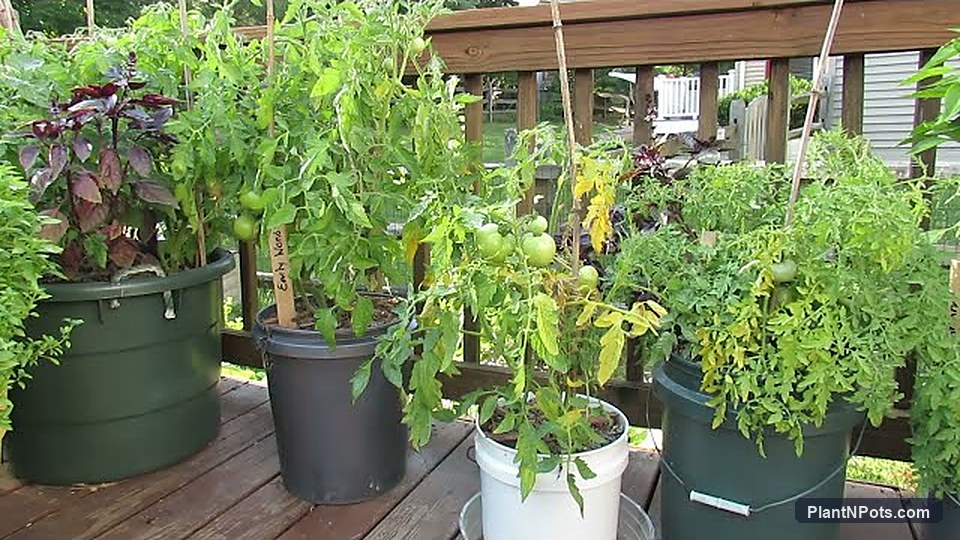
Indeterminate tomato varieties grow continuously like vines, demanding robust 10-to-15-gallon containers to sustain their massive root structures and heavy seasonal fruit production cycles.
Determinate tomatoes grow to a fixed bush height, making them perfectly suited for stable 7-to-10-gallon pots that accommodate their moderate root systems easily.
Dwarf and micro varieties require minimal space, thriving wonderfully in compact 3-to-5-gallon containers positioned on sunny balconies, windowsills, or small urban patios.
Always check your specific seed packet or plant tag to verify whether your chosen tomato variety follows a vining or bush-type growth habit pattern.
- Use 15-gallon pots for massive heirloom indeterminate varieties.
- Select 7-gallon containers for reliable bush-type determinate crops.
- Choose 5-gallon pots for compact patio or cherry types.
- Avoid standard pots for micro dwarf varieties to prevent rot.
Managing Vining vs. Bush Cultivars
Vining plants require intensive vertical staking alongside massive root volumes, while bush plants demand outward structural support hoops to prevent heavy branches from snapping under fruit weight.
Tailoring your container choice to the exact biological habit of your specific tomato cultivar guarantees maximum fruit production without structural failures halfway through the summer.
- Install heavy stakes before filling containers with soil.
- Prune lower suckers on vining types to improve airflow.
Video Walkthrough: Garden Questions: Does Tomato Container Size Matter \u0026 Do Determinate Tomatoes Die? – TRG 2014
Why Depth and Width Matter More Than Gallon Ratings
While gallon measurements provide a helpful baseline, actual physical dimensions dictate whether your tomato roots can expand downward and outward without hitting restrictive container walls.
Tomatoes possess deep taproots that require a minimum depth of 12 to 18 inches to anchor the heavy plant securely and access deep soil moisture reserves.
Utilizing the [best long flower pots plastic](https://plantnpots.com/?p=5124) allows lateral feeder roots to spread out horizontally, capturing vital oxygen and surface nutrients necessary for vibrant foliage and continuous fruit setting.
Avoid tall, narrow urns that restrict lateral root expansion while creating unstable centers of gravity prone to tipping over in strong winds.
- Measure pot internal depth to ensure at least 14 inches of clearance.
- Verify container base width equals or exceeds top opening dimensions.
- Discard tapered pots that squeeze roots toward a narrow bottom.
- Ensure base surface area provides adequate wind stability for tall plants.
Calculating Surface Area vs. Height
Surface area dictates gas exchange and moisture evaporation rates, while container height determines total root depth and anchoring strength during heavy fruit loads and stormy weather conditions.
Balancing these physical dimensions ensures your plants enjoy optimal moisture retention without risking the oxygen deprivation common in excessively tall, narrow, or poorly drained containers.
- Avoid planters deeper than they are wide unless stabilized.
- Check drainage hole distribution across the entire base.
How Container Materials Influence Root Health
Plastic pots retain moisture effectively and remain lightweight, but they trap heat and can cook delicate tomato roots during intense, direct midday summer sunshine.
Fabric grow bags promote natural root pruning through air exposure, preventing circling roots while ensuring exceptional oxygen circulation throughout the entire growing medium profile.
Terracotta and unglazed ceramic containers offer superior breathability and heavy stability, though they dry out rapidly and demand frequent watering schedules during hot weather.
To combat rapid moisture loss in scorching climates, choosing the best large self watering planters helps maintain consistent hydration levels without demanding constant daily manual watering efforts.
- Choose fabric bags for superior aeration and root health.
- Use UV-resistant plastic pots in extremely arid, windy climates.
- Opt for heavy resin containers for permanent patio placements.
- Avoid untreated wood boxes that degrade quickly from moisture.
Fabric Bags vs. Traditional Hard Pots
Fabric aeration containers prevent root bound conditions entirely, but they dry out significantly faster than plastic, requiring daily or twice-daily irrigation during peak summer temperature spikes.
Hard plastic pots maintain moisture longer but lack breathability, increasing the risk of root rot if your potting mix lacks proper drainage aggregates like perlite.
- Water fabric containers more frequently during hot spells.
- Add extra perlite to plastic pot soil mixes.
Soil Blends, Drainage Engineering, and Physical Stability
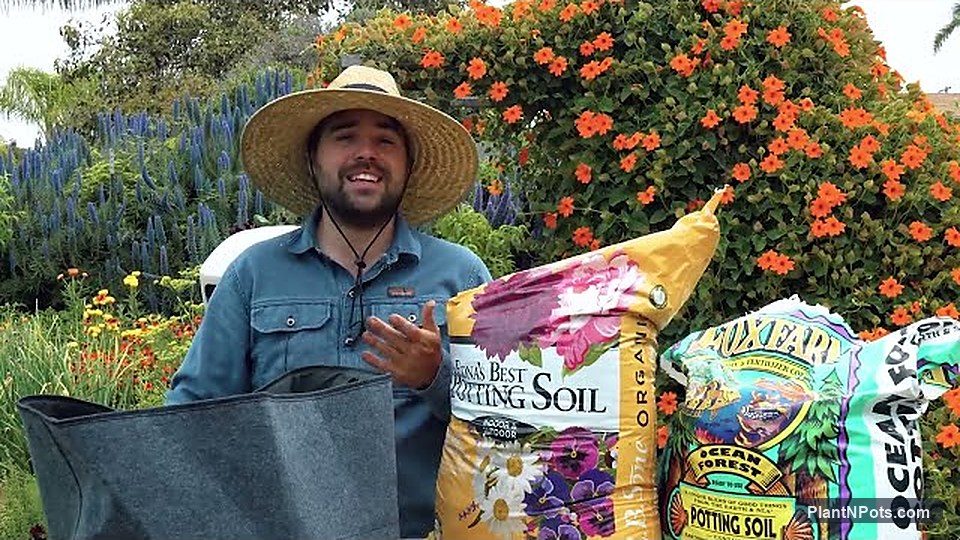
Container tomatoes require a loose, nutrient-rich soilless potting mix rather than dense garden earth, ensuring rapid water drainage and adequate oxygen availability for sensitive root hairs.
Drill multiple 3/8-inch drainage holes if your chosen container lacks sufficient factory openings, as standing water rapidly suffocates tomato roots and invites fatal fungal pathogens.
Heavy top growth requires sturdy physical stabilization, so anchor your tomato cages deeply into the potting mix before plants reach maturity to prevent dangerous tipping hazards.
Incorporate slow-release organic fertilizers and compost directly into your container medium to sustain steady, vigorous growth throughout the entire productive summer season.
- Never use native garden soil inside enclosed patio containers.
- Drill extra drainage holes to prevent standing water pools.
- Anchor tomato stakes firmly against strong summer storm winds.
- Mix compost and perlite for optimal soil aeration balance.
Preventing Container Tip-Over Hazards
Large tomato plants act like giant sails in windy weather, making container ballasting essential for safety and preventing broken stems, spilled potting soil, and damaged patio surfaces.
Place heavy gravel or bricks at the very bottom of lightweight containers to lower the overall center of gravity significantly before adding soil.
- Add clean stones to pot bases for extra ballast.
- Place large pots against protective walls during windstorms.
Preventing Common Container Growing Mistakes
Using containers that are too small remains the number one mistake gardeners make, leading directly to stunted plants, blossom end rot, and terribly disappointing fruit harvests.
Neglecting proper drainage leads to waterlogged potting mixes, oxygen starvation, and root decay that can destroy a healthy tomato plant within a few short weeks.
Failing to provide adequate fertilizer washes vital nutrients away through frequent container watering, requiring consistent, diluted liquid feeding regimens to maintain lush, productive green foliage.
Ignoring sun exposure requirements prevents fruit from ripening properly, so ensure your large containers sit in at least six to eight hours of direct sunlight daily.
- Upgrade pot sizes progressively as young tomato seedlings mature.
- Check soil moisture daily with your finger before watering.
- Feed container tomatoes weekly with balanced organic plant food.
- Position pots in maximum daily sunlight spots on patios.
Troubleshooting Early Warning Signs
Yellowing lower leaves combined with slow growth typically indicates either nitrogen deficiency or severe root crowding, signaling an immediate need for nutrient supplementation or container upgrading.
Wilting despite damp soil points directly to root rot caused by poor drainage or compacted, suffocating potting media that requires urgent aeration or repotting.
- Inspect yellow leaves for underlying nutrient or space issues.
- Test soil drainage if plants wilt while damp.
Frequently Asked Questions
Can I plant two tomato plants in one 10-gallon pot?
Planting two tomatoes in a 10-gallon pot creates intense root competition and nutrient starvation. Always dedicate one container per tomato plant to ensure maximum fruit yields and healthy development throughout summer.
What happens if my tomato pot is too small?
Small pots restrict root expansion, leading to rapid moisture depletion, nutrient lockout, and stunted plant growth. Your tomatoes will produce minimal fruit and suffer from chronic blossom end rot issues.
Do fabric grow bags work better than plastic pots for tomatoes?
Fabric grow bags offer superior root aeration and prevent root circling by air-pruning lateral roots naturally. However, they dry out much faster than traditional plastic containers during hot summer weather.
How many drainage holes do I need in a tomato container?
Your tomato container should feature at least three to five large drainage holes to prevent dangerous waterlogging. Drill additional holes if factory drainage is insufficient to protect sensitive roots.
Should I put gravel at the bottom of my tomato pot?
Adding gravel at the bottom of a pot does not improve drainage; instead, it raises the perched water table closer to the roots. Always use uniform potting mix throughout containers.

