Discover how selecting the proper fabric container volume transforms your strawberry harvest. Master container depths and plant spacing for abundant fruit.
Key Takeaway:
Use a 5-gallon fabric grow bag to comfortably support three to four strawberry plants while ensuring adequate root development and moisture control.
Quick-Reference Guide
| Factor / Scenario | Recommended Target | Why It Matters |
|---|---|---|
| Container Volume | 3 to 5 Gallons | Provides optimal root space |
| Soil Depth | 8 to 12 Inches | Accommodates taproot structures |
| Plant Density | 1 plant per gallon | Prevents crowding and disease |
| Watering Frequency | Daily in summer | Compensates for fabric evaporation |
| Sunlight Needs | 6 to 8 hours daily | Maximizes sugar accumulation |
| pH Range | 5.5 to 6.5 | Ensures optimal nutrient uptake |
Recommended Volume and Dimensions for Strawberry Cultivation
Selecting the correct container size directly influences your overall fruit yield. Strawberries possess shallow root systems, typically reaching depths of 8 to 12 inches, making medium containers ideal.
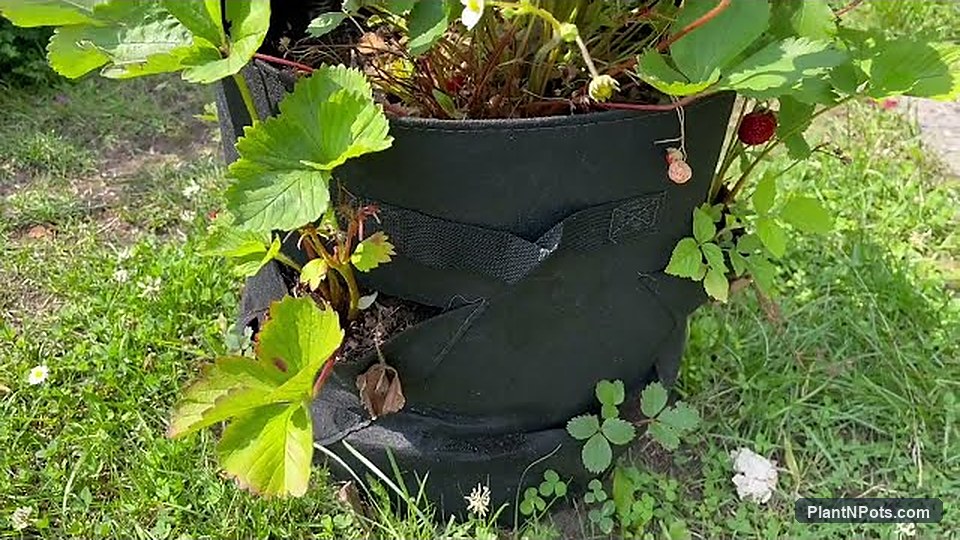
A standard 5-gallon grow bag offers the perfect balance of soil volume and surface area. This capacity retains enough moisture without waterlogging the sensitive root network during heavy storms.
Smaller three-gallon bags work well for single runner plants, but larger volumes prevent rapid drying. Fabric containers allow exceptional air pruning, encouraging a dense, fibrous root mass instead of circling roots.
Gardeners should evaluate their available space and watering habits before purchasing containers. Selecting appropriately sized bags eliminates unnecessary soil weight while maximizing your seasonal fruit harvest potential.
- Choose a minimum depth of 8 inches for healthy root runs.
- Opt for 5-gallon capacities to support multiple crowns effectively.
- Avoid ultra-deep pots that trap excess moisture at the base.
- Ensure adequate surface width for sprawling runner production.
Evaluating Three-Gallon Versus Five-Gallon Capacities
Three-gallon containers suit compact alpine varieties or single everbearing plants. However, they demand much more frequent irrigation during peak summer heat waves due to limited soil mass.
Five-gallon bags provide a forgiving buffer against temperature spikes and drought stress. This larger volume supports multiple productive crowns throughout the multi-year lifespan of the strawberry patch.
- Use three-gallon sizes for tight balconies or limited spaces.
- Rely on five-gallon bags for robust, multi-season fruit production.
Impact of Bag Material and Shape on Root Health
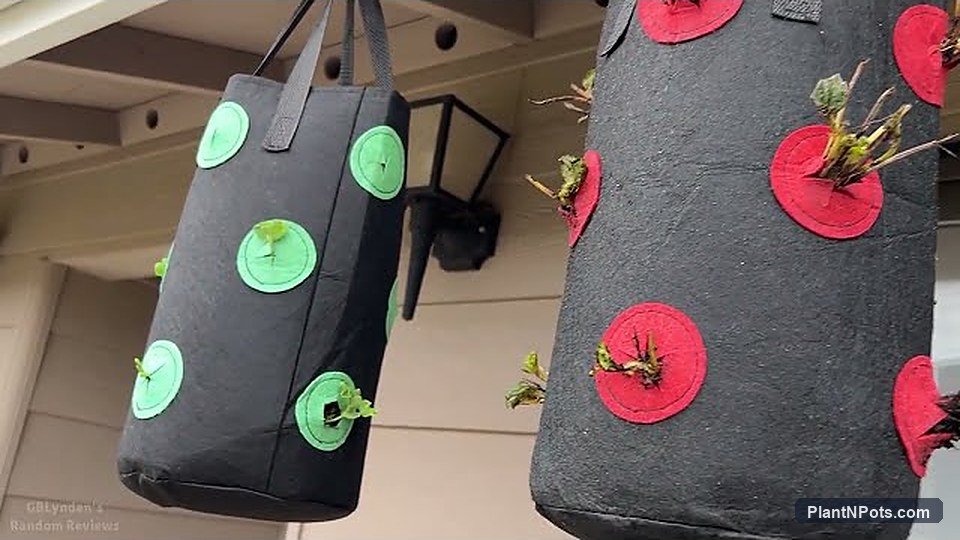
Breathable fabric materials fundamentally alter how container plants interact with their environment. Unlike rigid plastic pots, non-woven geotextile bags stimulate lateral root branching through natural air pruning.
Fabric walls facilitate continuous gas exchange around the entire root zone. This prevents the circling roots common in traditional containers and keeps root temperatures lower during intense summer heat.
Squat, wide grow bags outperform tall, narrow cylinders for strawberry cultivation. Strawberries spread horizontally via runners and prefer broad surface areas over deep vertical rooting columns.
The porous nature of fabric means moisture escapes through the sides. Choosing heavy-duty, UV-resistant felt ensures your containers withstand seasonal weather extremes without degrading prematurely outdoors.
- Prioritize breathable geotextile fabrics for superior root architecture.
- Select wide, shallow bags rather than deep, narrow cylinders.
- Ensure fabric seams feature reinforced stitching for durability.
- Verify material thickness to prevent rapid side evaporation.
Understanding Air Pruning in Geotextile Containers
Air pruning occurs when root tips encounter dry air at the fabric edge and naturally stop growing outward. This triggers the plant to generate secondary feeder roots internally.
Developing a dense, fibrous root network maximizes nutrient absorption efficiency. Healthier root systems translate directly into larger, sweeter berries and improved disease resistance.
- Monitor outer fabric edges for excessive drying in wind.
- Appreciate how air pruning prevents root-bound plant failure.
Video Walkthrough: Strawberry Grow Bag Review after one Year. #gardeningtips #gardentours @gardentours #urbangardening
Calculating Plant Density and Spacing in Fabric Pots
Crowding too many strawberry crowns into a single bag limits airflow and invites fungal diseases. A general rule allocates one plant per gallon of container capacity for optimal results.
In a standard five-gallon container, plant three to four crowns spaced evenly. Gardeners using the best wick and grow pots can maintain consistent moisture across all specimens.
Arranging plants too close together forces them to compete aggressively for water and nutrients. Proper spacing ensures each crown receives adequate sunlight for uniform fruit ripening.
Commercial growers often use long rectangular fabric planter beds. These elongated formats allow precise linear spacing, making maintenance, weeding, and harvesting significantly easier throughout the growing season.
- Follow the standard ratio of one plant per gallon.
- Space crowns evenly around the perimeter of round bags.
- Keep the container center clear to improve air circulation.
- Avoid overcrowding to minimize powdery mildew outbreaks.
Managing Runner Production and Plant Spread
Strawberries naturally send out runners to establish new daughter plants. In containers, direct these runners back into the soil or snip them off to maintain your desired density.
Allowing every runner to root will quickly crowd your grow bag. Pruning excess runners redirects plant energy toward producing larger, high-quality berries.
- Clip unwanted runners early with sterilized garden shears.
- Anchor favored runner tips into vacant container soil spaces.
Soil Composition and Drainage Requirements for Containers
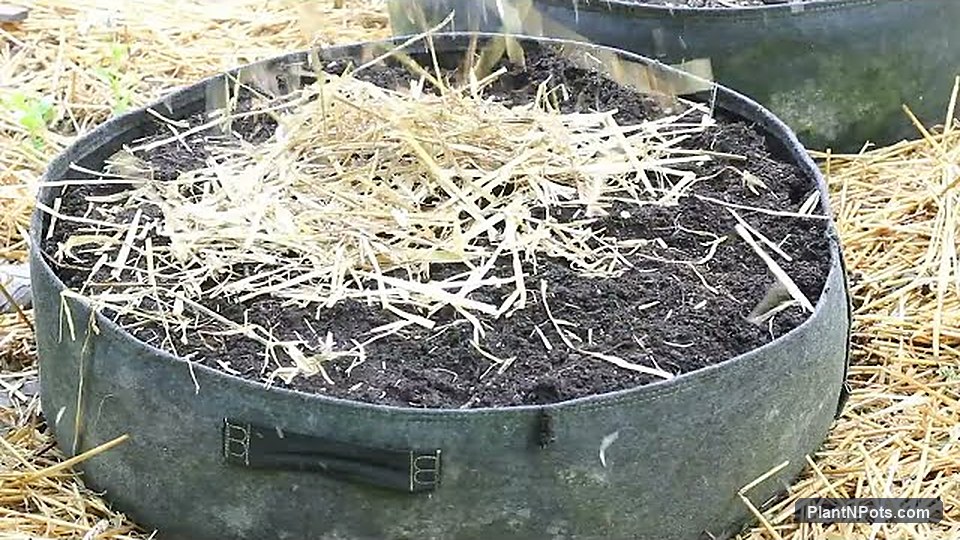
Container-grown strawberries demand a lightweight, highly porous growing medium. Unlike the [best plastic planters with drainage holes](https://plantnpots.com/?p=5188), fabric bags require specialized soil blends to prevent compaction and suffocation.
Create an ideal potting mix combining equal parts peat moss, compost, and perlite. This specialized blend retains necessary moisture while allowing excess water to escape rapidly through the fabric.
Maintaining a slightly acidic soil pH between 5.5 and 6.5 is critical for nutrient availability. Amending your mix with organic matter ensures plants access essential iron and micronutrients easily.
Avoid adding heavy stones at the bottom of fabric grow bags. Modern geotextile containers provide uniform drainage across their entire surface, rendering traditional gravel layers completely unnecessary.
- Use a porous mix of compost, peat moss, and perlite.
- Maintain a target soil pH level between 5.5 and 6.5.
- Never use dense native garden dirt inside fabric pots.
- Omit bottom gravel layers to maximize active rooting volume.
Preventing Soil Compaction and Nutrient Leaching
Frequent watering in fabric bags gradually washes away soluble nutrients over time. Replenish soil fertility bi-weekly using a balanced, water-soluble organic fertilizer formulated for fruiting plants.
Top-dress your containers each spring with fresh compost to restore organic matter. This simple maintenance habit keeps the growing medium loose, aerated, and nutrient-dense.
- Apply balanced organic fertilizers every two weeks.
- Top-dress pots annually with aged compost or worm castings.
Managing Irrigation and Moisture Dynamics in Fabric Bags
Fabric containers dry out much faster than traditional plastic pots, making a [best self watering grow bag](https://plantnpots.com/?p=2773) essential. During peak summer weather, daily irrigation is required to keep roots hydrated.
Check soil moisture by inserting your finger two inches deep into the fabric wall. If the medium feels dry at that depth, administer a thorough watering until runoff occurs.
Consistent moisture levels prevent fruit from becoming small, misshapen, or overly tart. Irregular watering schedules often trigger blossom-end drop and stress the developing strawberry crowns significantly.
Consider installing drip irrigation emitters for larger collections of fabric grow bags. Automated watering systems save time and ensure precise, even moisture delivery across all your containers.
- Inspect moisture levels daily during hot summer conditions.
- Water thoroughly until moisture reaches the container base.
- Avoid letting the potting mix dry out completely between sessions.
- Consider drip irrigation for managing multiple large bags.
Mitigating Evaporative Water Loss in Summer
High ambient temperatures and drying winds cause rapid surface evaporation through fabric walls. Grouping your grow bags closely together helps create a microclimate that retains ambient humidity.
Applying a clean straw mulch layer across the soil surface significantly reduces moisture loss. Mulch also keeps developing berries clean and elevated above damp soil.
- Group fabric containers together to reduce wind exposure.
- Add a clean straw mulch layer to trap soil moisture.
Video Walkthrough: Hanging Grow Bags | Honest Review With Strawberries \u0026 Peas | Zone 8a
Positioning and Sun Exposure Strategies for Maximum Yield
Strawberry plants require a minimum of six to eight hours of direct daily sunlight to produce sweet, flavorful fruit. Position your grow bags in the sunniest spot available on your patio or deck.
Elevating fabric bags onto plant stands or wooden pallets improves air circulation beneath the base. This prevents the fabric from sitting in standing water and discourages common ground pests.
Rotate your containers weekly to ensure every plant receives balanced sun exposure. Uneven light distribution can cause lopsided foliage growth and inconsistent fruit ripening across the bag.
Protect container strawberries from scorching afternoon sun during extreme heat waves. Providing temporary shade cloth during peak summer hours prevents leaf burn and heat stress in warm climates.
- Provide at least six to eight hours of direct sunlight daily.
- Elevate bags on stands to enhance airflow and drainage.
- Rotate containers weekly for uniform light distribution.
- Use temporary shade cloth during intense heat waves.
Choosing Optimal Locations on Balconies and Patios
South-facing or west-facing balconies offer the best light conditions for container fruit production. Ensure balcony railings do not cast long shadows over your strawberry bags during peak hours.
Verify that your chosen surface can support the combined weight of wet soil and mature plants. A fully saturated five-gallon grow bag weighs significantly more than when dry.
- Prioritize south-facing or west-facing structural locations.
- Check weight load limits before placing heavy pots on decks.
Frequently Asked Questions
What size grow bag is best for strawberry plants?
A 5-gallon grow bag is the ideal size for supporting three to four strawberry plants. This volume provides enough root space while preventing excess moisture retention.
How many strawberry plants fit in a 5-gallon bag?
You should plant three to four crowns in a standard five-gallon fabric container. Spacing them evenly around the perimeter ensures adequate light and airflow.
How often should you water strawberries in fabric pots?
Water your fabric bags daily during hot summer weather because moisture evaporates through the breathable material. Always check soil moisture two inches deep before watering.
What kind of soil mix works best in grow bags?
Use a lightweight, porous blend of compost, peat moss, and perlite for optimal drainage. Avoid heavy native garden soils that compact and suffocate strawberry roots.
Do fabric grow bags prevent root rot in strawberries?
Yes, breathable fabric walls allow excess water to drain freely and promote air pruning. This prevents the stagnant moisture conditions that typically cause root rot.

