Rubber plant yellow spots typically signal underlying cultural stress, moisture imbalance, or pest pressure affecting Ficus elastica. Identifying the specific trigger requires examining watering routines, lighting conditions, and the undersides of leaves.
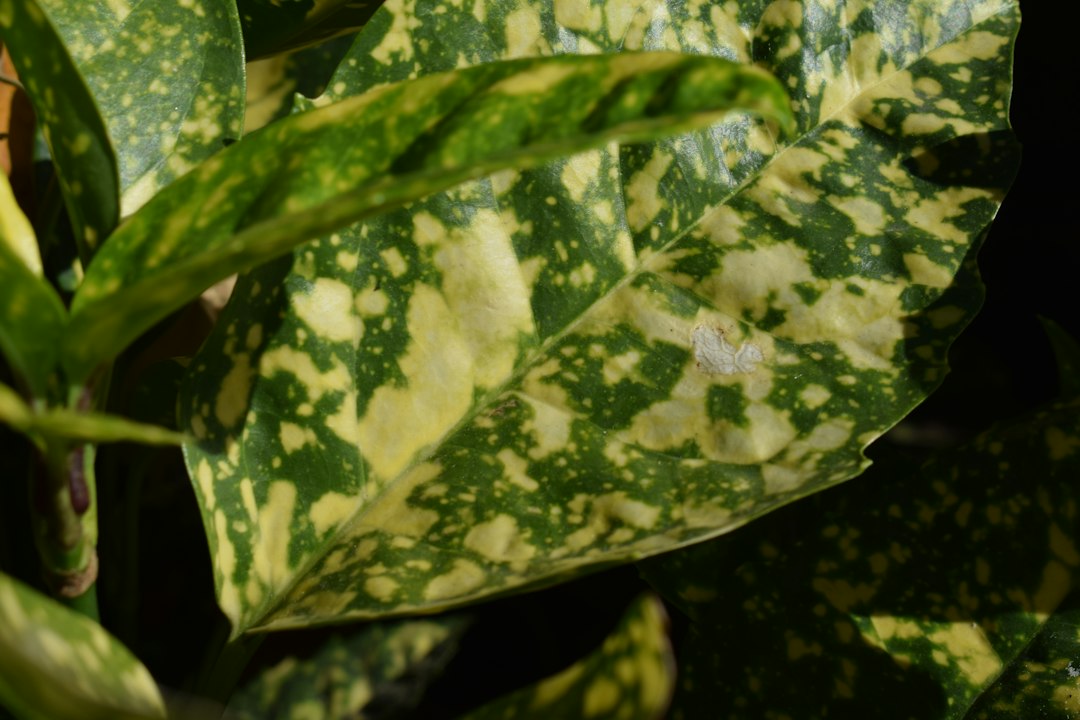
While minor discoloration rarely kills an established plant, ignoring early yellowing can lead to widespread leaf drop and structural decline. Quick adjustments to care regimens usually halt the progression of spots and protect emerging foliage.
This guide explores the primary causes of foliar yellowing, practical diagnostic steps, and actionable care adjustments to restore your potted rubber plant to vibrant health.
Environmental Stress Factors
Direct Sunlight Damage
Intense direct sunlight can quickly scorch rubber plant leaves, creating distinct bleached or yellow patches where chlorophyll breaks down under harsh ultraviolet rays. This specific damage frequently occurs when indoor specimens are abruptly moved closer to unshaded south-facing windows without a gradual transition period for proper light acclimation.
Relocating the container promptly to a bright interior location receiving gentle, indirect light halts further solar injury effectively. While existing yellow patches will never recover their original green pigmentation, subsequent leaves will emerge normally without any further thermal burn marks.
Temperature Fluctuations
Sudden temperature drops caused by chilly window panes or uninsulated exterior walls frequently trigger yellow leaf spotting in tropical Ficus species. Rubber plants thrive best in stable indoor climates and react poorly to rapid thermal shifts occurring unexpectedly within short timeframes throughout the calendar year.
Keep potted plants securely away from exterior entry doors, air conditioning vents, and drafty hallways during cold winter months to protect sensitive foliage. Maintaining consistent ambient room temperatures reduces plant stress and prevents the sudden cellular collapse that manifests as unsightly yellow blemishes.
Drafts and Air Movement
Cold drafts from unsealed window frames, alongside direct hot blasts from heating vents or chilled air from air conditioning units, frequently disrupt moisture regulation within rubber plant foliage, leading to localized yellowing. Constant blowing air forces rapid transpiration, drying out delicate cell walls and producing distinct stress spots across the broad leaf surface.
Position containers carefully in sheltered living areas where indoor air circulates gently without direct blasts from mechanical HVAC systems. Monitoring surrounding environmental conditions consistently ensures steady vegetative growth and minimizes the recurring risk of stress-induced discoloration patterns.
Fungal or watering problems might spread across your indoor collection, leading to similar Philodendron xanadu yellow spots under comparable stress conditions.
-internal-link”>Abrupt temperature drops and improper lighting are common indoor plants yellow spots triggers that affect overall foliage health.
Watering and Soil Imbalances
Overwatering Symptoms
Excessive soil moisture remains a primary contributor to yellow spots on rubber plant leaves, often resulting from chronically saturated potting media. When roots sit in standing water for prolonged periods, they suffocate and fail to transport necessary water and essential minerals upward into the upper canopy.
Allow the top layer of potting mix—typically the upper one to two inches in medium pots, or roughly the top third in deeper containers—to dry before watering again, adjusting based on pot volume, light levels, and seasonal growth rates. Checking soil moisture levels regularly with a finger or wooden probe helps you evaluate root hydration accurately, supporting aeration and significantly lowering the risk of root rot.
Underwatering Impact
Prolonged moisture stress can also trigger leaf yellowing, typically starting across older lower foliage as the plant conserves dwindling water reserves. While underwatering usually causes generalized wilting and dry leaf margins rather than isolated spots, chronic hydration swings can cause uneven yellow patches and premature leaf shed.
Establish a thoughtful watering routine guided by regular moisture assessments rather than a rigid calendar. Thoroughly saturate the potting mix until excess water drains freely from the pot base, ensuring the entire root ball receives sufficient moisture while allowing excess water to escape completely.
Drainage and Soil Compaction
Chronically compact soil prevents proper oxygen exchange and traps excess moisture dangerously around the root system, ultimately causing widespread foliar yellowing. When standard potting mix breaks down organically over time, it loses vital porosity and becomes heavy, dense, and waterlogged.
Repotting rubber plants periodically into a fresh, well-draining soil blend containing coarse perlite, orchid bark, and peat moss helps restore vital root aeration and healthy moisture flow. Ensure containers feature open drainage holes to allow excess irrigation water to escape immediately after every watering session.
Pest and Disease Diagnostics
Spider Mite Infestations
Tiny spider mites feed aggressively on plant sap, leaving behind distinct stippling and yellow spots on rubber plant leaves. These microscopic pests thrive in warm, dry indoor environments and multiply rapidly on the protected undersides of broad foliage.
Wipe plant leaves regularly using a damp microfiber cloth to remove dust accumulation and physically deter active mite colonies. Increasing ambient room humidity around the container or applying mild insecticidal soap helps manage severe outbreaks safely without harming the main plant structure.
Scale and Mealybug Activity
Destructive scale insects and mealybugs pierce plant tissues to extract vital juices, creating localized yellow halos around individual feeding sites. Scale appears as small stationary brown bumps on stems, while mealybugs resemble fluffy cottony white masses hidden in dense plant crevices.
Gently scrape off hard scale insects manually or dab stubborn pests carefully using a soft cotton swab soaked in rubbing alcohol. Inspect leaf joints and woody stems thoroughly during routine plant maintenance sessions to catch hidden pest infestations early before damage spreads.
Fungal Leaf Spot Issues
Excessive ambient humidity combined with poor indoor air circulation can foster fungal pathogens that cause distinct circular yellow spots on rubber plant leaves. These unsightly spots often develop dark necrotic centers as the active fungal infection progresses across susceptible plant foliage.
Prune away severely infected leaves promptly using sterilized garden shears to prevent fungal spore dispersal throughout the room environment. Improve surrounding room ventilation significantly and avoid wetting foliage directly during watering sessions to keep pathogenic growth under control.
When diagnosing issues in your collection, you might also notice similar philodendron xanadu yellow spots appearing on tropical houseplants.
Cultural Care and Maintenance Adjustments
Proper Repotting Practices
Chronically rootbound rubber plants often struggle to absorb essential nutrients efficiently, leading directly to nutritional deficiencies that manifest as unsightly yellow spots on older leaves. Upgrading container size and introducing fresh potting substrate periodically provides roots with expanded space and renewed soil structure, supporting steady nutrient absorption and balanced foliage development.
Select a new container only slightly larger than the previous one to prevent excess moisture retention issues in the surrounding soil mix. Handle roots gently when loosening the compacted root ball during the repotting process to minimize transplant shock and encourage rapid root expansion.
Fertilization Guidelines
Heavy or excessive fertilizer application can chemically burn delicate roots and cause widespread leaf discoloration, while severe under-feeding starves the plant of vital nitrogen and iron. Both nutritional extremes frequently trigger unsightly yellow spotting across mature rubber plant foliage over time.
Apply a balanced, water-soluble houseplant fertilizer diluted carefully to half strength during periods of active vegetative growth, which typically occur in spring and summer. Reduce or pause feeding whenever plant growth pauses or indoor light levels decrease, rather than following an inflexible seasonal schedule.
Balcony Container Growing Risks
Cultivating potted rubber plants outdoors on seasonal balconies introduces severe environmental risks like sudden wind damage, intense direct sun, and extreme temperature shifts. These harsh environmental elements can shock the living plant rapidly and cause unsightly yellow spots to develop across broad foliage surfaces.
Always acclimate balcony plants gradually to outdoor conditions during spring and protect them carefully from drying winds. Bring containers indoors promptly if frost threatens or if extreme summer heatwaves arrive unexpectedly during warm months to successfully preserve healthy plant growth.
Frequently Asked Questions
Can yellow spots on rubber plant leaves turn green again?
Once chlorophyll breaks down and a leaf develops yellow spots, that specific leaf tissue cannot revert to green. The discoloration represents permanent cellular damage or irreversible pigment loss within the affected leaf tissue.
Focus your overall care efforts on stabilizing the surrounding indoor environment so that new foliage emerges healthy and uniformly green. Damaged lower leaves can remain on the specimen to gather light or be pruned away safely if clean visual appearance is a primary priority for you.
Should I cut off leaves with yellow spots?
You can choose to remove leaves with yellow spots if the physical damage covers a large portion of the leaf blade or if you suspect an active fungal pathogen. Otherwise, leaving them intact allows the plant to reabsorb remaining energy resources over time safely and efficiently without further harm.
Always use clean, sterilized metal garden shears to prevent spreading plant diseases between separate pruning cuts. Avoid removing too many healthy green leaves simultaneously to prevent shocking the specimen’s active metabolic system unnecessarily during the delicate plant recovery period altogether.
How do I prevent yellow spots from spreading to new growth?
Successfully preventing the spread of yellow spots involves proactively correcting cultural practices like watering, lighting, and pest management. Regularly inspect your potted houseplant weekly for early signs of trouble before issues escalate across the whole plant canopy.
Tailor watering frequency to environmental conditions and seasonal growth rather than an unvarying routine, provide bright indoor indirect light, and ensure proper air circulation around the container. Catching environmental imbalances early keeps emerging foliage spotless and vibrant over the long term, preventing avoidable leaf loss.
Can fertilizer burn or nutrient deficiencies cause yellow spots on rubber plants?
Yes, chemical imbalances in the soil can trigger distinct foliar yellowing. Over-fertilization creates a high-salt environment that burns delicate root tips, preventing proper water uptake and causing random yellow spots on rubber plant leaves. Conversely, severe nitrogen or magnesium deficiencies force the plant to pull mobile nutrients from older foliage to feed new growth, resulting in patchy chlorosis.
To resolve this, flush the potting mix thoroughly with clean, lukewarm water to leach out built-up mineral salts if fertilizer burn is suspected. If nutrients are lacking, apply a balanced, water-soluble houseplant fertilizer at half strength during the active growing season. Always test soil moisture before feeding to protect sensitive roots from chemical shock.
How do drafty windows or seasonal temperature shifts cause yellow spots?
Sudden microclimate shifts near windows frequently shock tropical Ficus species, causing localized cellular collapse that manifests as yellow spots across the foliage. When cold outdoor air seeps through uninsulated glass during winter, it drops the temperature around nearby leaves below their comfort threshold. This thermal shock disrupts internal moisture regulation, causing patches of cells to die and turn yellow.
Protect indoor specimens by maintaining stable ambient room temperatures away from exterior glass panes and drafty entryways. Using an indoor thermometer helps monitor sudden temperature swings, ensuring your potted rubber plant remains in a stable climate zone. Adding a sheer curtain can also buffer intense radiant cold or heat radiating directly through the window glass.