Philodendron Xanadu plants frequently develop yellow spots due to environmental stress, improper watering routines, pest infestations, or underlying pathogens. These discolored markings serve as an early warning sign that the plant’s delicate physiological balance is disrupted.
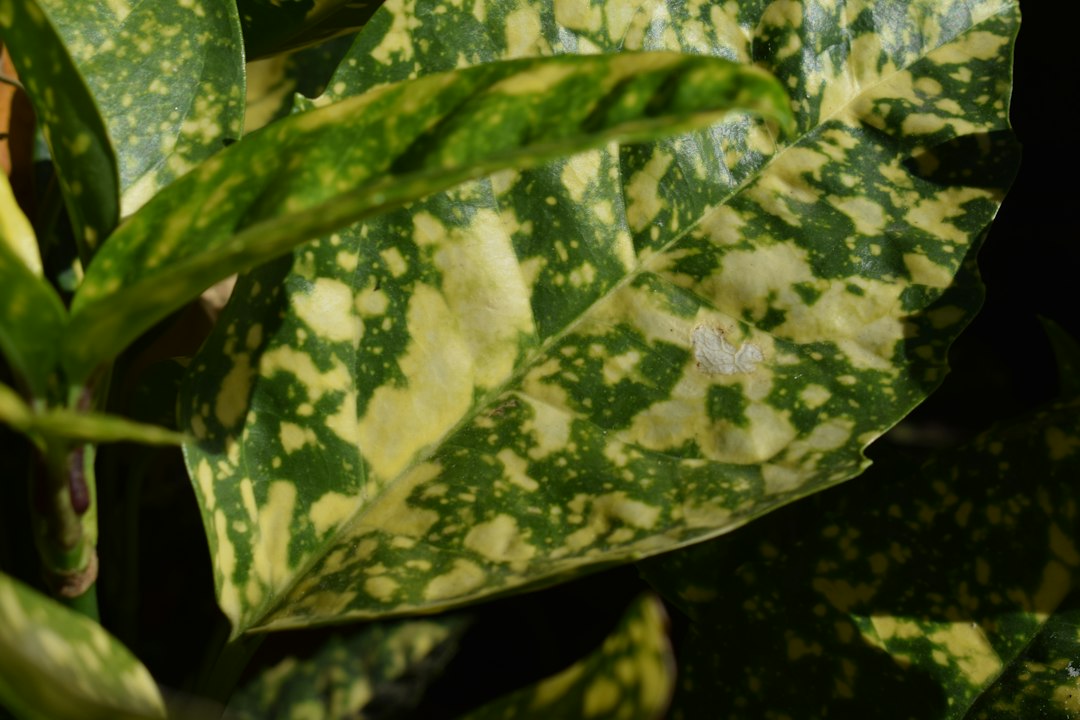
Pinpointing the exact cause requires evaluating recent changes in care practices, inspecting the foliage thoroughly for tiny insects, and checking the root system for signs of rot. Addressing the root cause promptly prevents localized blemishes from spreading across the canopy.
This guide explores the specific factors triggering yellow spots on Philodendron Xanadu specimens, offering practical diagnostic steps and remediation strategies to restore vibrant green growth safely within indoor and balcony container settings.
Moisture Management and Root Health
Overwatering and Waterlogged Soil
Excessive moisture in the potting medium restricts oxygen flow to the root system, causing root tissues to suffocate and decay. When roots fail to function properly, they cannot efficiently transport water and essential nutrients to the leaves, resulting in irregular yellow patches.
To evaluate moisture levels accurately, assess the soil depth rather than just the surface layer. Allow the upper portion of the mix to dry out completely between watering sessions to ensure healthy root respiration and prevent persistent yellowing.
Inconsistent Watering Schedules
Swinging erratically between severe drought and heavy saturation places immense stress on the plant’s vascular network. Philodendron Xanadu foliage reacts to these abrupt moisture shifts by developing mottled yellowing or water-soaked spots near the leaf margins.
Because moisture needs vary depending on light, ambient temperature, humidity, and pot size, avoid relying on a rigid calendar schedule. Instead, check the moisture of the potting mix consistently by inserting a wooden skewer or your finger into the top two to three inches of soil, watering thoroughly only when that zone has dried out to keep cellular hydration balanced.
Drainage and Pot Selection Issues
Containers lacking adequate drainage holes trap surplus water at the base, creating a stagnant environment ideal for root pathogens. Even with careful watering, trapped moisture continuously suffocates lower roots and initiates systemic yellowing.
Always cu
ltivate plants in pots featuring unobstructed drainage outlets and use coarse, well-aerated potting mixes. Elevate containers slightly on saucers or grates to ensure water escapes freely after every irrigation cycle.
Light Exposure and Environmental Stress
Direct Sunlight and Leaf Scorch
While Philodendron Xanadu appreciates bright, indirect illumination, intense midday sunbeams quickly burn delicate foliage. This thermal damage often manifests as bleached yellow spots, translucent patches, or dry, brown scorch marks on exposed leaves.
Position containers near east- or north-facing windows, or diffuse harsh southern exposure with sheer curtains. Protecting foliage from direct thermal radiation preserves the natural deep green pigmentation of the glossy, deeply lobed leaves.
Insufficient Light and Chlorosis
Placing the plant in dark, remote corners restricts photosynthesis, leading to generalized chlorosis and faded yellowing. Without adequate light energy, the plant cannot produce sufficient chlorophyll to maintain its rich, vibrant coloration.
Gradually transition indoor specimens to brighter locations to stimulate healthy pigment production without shocking the foliage. Adequate ambient illumination supports balanced, robust canopy development and prevents weak, spindly growth.
Drafts, Temperature Swings, and Humidity
Sudden temperature drops from drafty windows, air conditioning vents, or heating ducts disrupt cellular stability in tropical houseplants. These environmental shocks frequently trigger localized yellowing, leaf curling, and premature dropping of older leaves.
Keep plants away from intense thermal currents and maintain stable indoor temperatures year-round. While ambient humidity fluctuations are tolerated, avoiding extreme dry spells reduces overall stress and keeps foliage pristine.
Common Pests Causing Discoloration
Spider Mites and Stippling
Tiny spider mites pierce individual plant cells to feed on sap, leaving behind characteristic stippled yellow or white dots across the leaf surface. Heavy infestations produce fine webbing along the undersides and petioles, severely weakening the specimen.
Inspect foliage regularly using a magnifying glass to catch early pest activity before populations expand. Wipe down leaves with a damp cloth and apply insecticidal soap or horticultural oil following product label instructions carefully.
Thrips and Silvery Yellow Patches
Thrips are slender insects that rasp plant tissues, causing distorted growth and silvery-yellow patches speckled with dark fecal deposits. Their feeding habits disrupt normal leaf development, leaving permanent scars on newly emerging leaves.
Isolate affected plants immediately to prevent pests from migrating to neighboring indoor greenery. Utilize sticky traps for adult monitoring and treat foliage with safe, approved horticultural controls such as insecticidal soaps, monitoring weekly to manage numbers and prevent recurring outbreaks.
Scale Insects and Sap Depletion
Immobile scale insects attach themselves firmly to stems and leaf veins, extracting vital plant sap while secreting sticky honeydew. This persistent feeding deprives the surrounding tissue of nutrients, resulting in localized yellow halos and general decline.
Scrape stationary scales off manually using a soft brush dipped in diluted rubbing alcohol or mild soapy water. Thoroughly inspect leaf axils and undersides where these protective pests frequently hide undetected.
Pathogens and Nutritional Deficiencies
Bacterial Leaf Spot Infections
Bacterial pathogens often enter through natural openings or physical wounds, causing water-soaked spots that rapidly turn yellow, brown, or black. Wet foliage and poor air circulation dramatically accelerate the spread of bacterial infections.
Remove severely infected leaves immediately with sanitized pruning shears to limit pathogen transmission. Avoid overhead watering to keep foliage dry, and ensure proper spacing between potted plants to encourage good air movement.
Fungal Leaf Pathogens in High Humidity
Excessive humidity combined with stagnant air creates an ideal breeding ground for fungal spores that attack leaf tissues. These infections manifest as circular yellow-rimmed spots that expand and merge if environmental conditions remain damp.
Enhance ventilation around your indoor plant collection using oscillating fans on low settings. Clear away fallen debris from the soil surface and refrain from misting foliage in cool, enclosed indoor environments.
Macronutrient Imbalances and Chlorosis
A lack of essential minerals like nitrogen, magnesium, or iron prevents proper chlorophyll synthesis, leading to distinct yellowing patterns. Nutrient deficiencies usually occur when potting mix depletes its initial fertility over extended periods.
Apply a balanced, water-soluble houseplant fertilizer at half-strength during the active growing season. Avoid over-fertilizing, as excess mineral salts can burn delicate roots and worsen existing discoloration issues.
Frequently Asked Questions
Should I cut off yellow leaves from my Philodendron Xanadu?
Pruning away completely yellow leaves is generally recommended because these tissues no longer contribute to photosynthesis. Use sterilized scissors to cut the leaf petiole close to the main base, preventing potential entry points for pathogens.
However, if only a small portion of a leaf is yellowed, you can leave it intact until the plant reabsorbs remaining nutrients. Focus primarily on correcting the underlying environmental or cultural stressor rather than solely removing damaged foliage.
Can yellow spots on my Xanadu spread to other houseplants?
Whether yellow spots can spread depends entirely on the root cause of the discoloration. If the spots stem from overwatering, poor lighting, or nutritional deficiencies, the condition remains strictly localized to that single plant.
Conversely, if pests like spider mites or active bacterial and fungal pathogens trigger the yellowing, they can easily transfer to nearby greenery. Isolate any affected specimen immediately until you confirm the exact diagnosis and apply effective treatment.
Will yellow leaves turn green again if I fix the problem?
Once a leaf turns completely yellow, the chlorophyll has degraded permanently, and that tissue will not revert to green. Fixing the underlying care issue only halts further discoloration and protects newly emerging foliage.
Healthy new growth will emerge vibrant and unblemished once optimal light, moisture, and nutritional parameters are restored. Prune away older, discolored foliage once the plant stabilizes to maintain an attractive, tidy appearance.
How does repotting a root-bound Philodendron Xanadu help resolve persistent yellow spots?
When a Philodendron Xanadu becomes heavily root-bound, the tightly restricted root system struggles to absorb water and micronutrients efficiently. This severe root congestion routinely causes nutrient lockout, manifesting as persistent yellow spotting and premature leaf drop across the lower canopy despite your best watering habits.
Transferring the specimen into a slightly larger container equipped with fresh, well-aerated potting mix restores vital root space and oxygen flow. Once freed from compacted soil, the rejuvenated root network safely recovers its capacity to nourish green leaves, resolving the underlying physiological stress causing discoloration.
Can tap water chemicals or mineral buildup cause yellow spots on Philodendron Xanadu foliage?
High concentrations of dissolved salts, fluoride, or chlorine frequently found in municipal tap water can gradually accumulate within potted soil over time. As these chemical residues concentrate around the root zone, they irritate delicate root tissues and severely disrupt normal moisture and nutrient absorption processes across the entire plant system.
This cumulative chemical toxicity travels upward through the plant’s vascular network, frequently resulting in marginal chlorosis, leaf tip burn, and speckled yellow spots across the glossy green foliage. Flushing the potting mix thoroughly with clean water every few months helps wash away excess salts and prevents these recurring mineral-induced stress symptoms.
What precautions are necessary when moving a potted Philodendron Xanadu to an outdoor balcony?
Transitioning an indoor houseplant to an outdoor balcony requires a careful, gradual acclimation process to protect the foliage from abrupt environmental shifts. Sudden exposure to intense ultraviolet sunlight, gusty winds, and fluctuating outdoor temperatures can quickly scorch sensitive leaves, strip internal moisture, or trigger severe stress-induced yellow spotting across the canopy.
Start by placing the container in a sheltered, shaded corner for brief periods each day before increasing outdoor exposure slowly over a two-week period. Furthermore, monitor container moisture levels very closely, because outdoor breezes and ambient heat dry out potted soil much faster than standard indoor living environments require.
Can I successfully propagate a Philodendron Xanadu stem cutting that has yellow spots?
Unlike trailing philodendrons that root quickly from simple vine cuttings in water, Philodendron Xanadu (Thaumatophyllum xanadu) is a clumping, self-heading species. Propagation is most reliably accomplished by dividing rooted basal offsets or separating clustered crowns during spring repotting rather than taking stem or leaf cuttings. If an offset shows minor yellowing from mild physical handling or light stress, it can still establish successfully when potted into a moist, porous potting mix.
However, never propagate divisions or plantlets displaying yellow spots caused by bacterial blights, fungal leaf infections, or sap-feeding pest colonies like spider mites or thrips. Compromised divisions have diminished energy reserves and lack the defensive vigor needed to fight off active pathogens. Introducing diseased plant tissue into fresh potting substrate almost always leads to crown rot and complete plant loss before roots can adapt to their new environment.