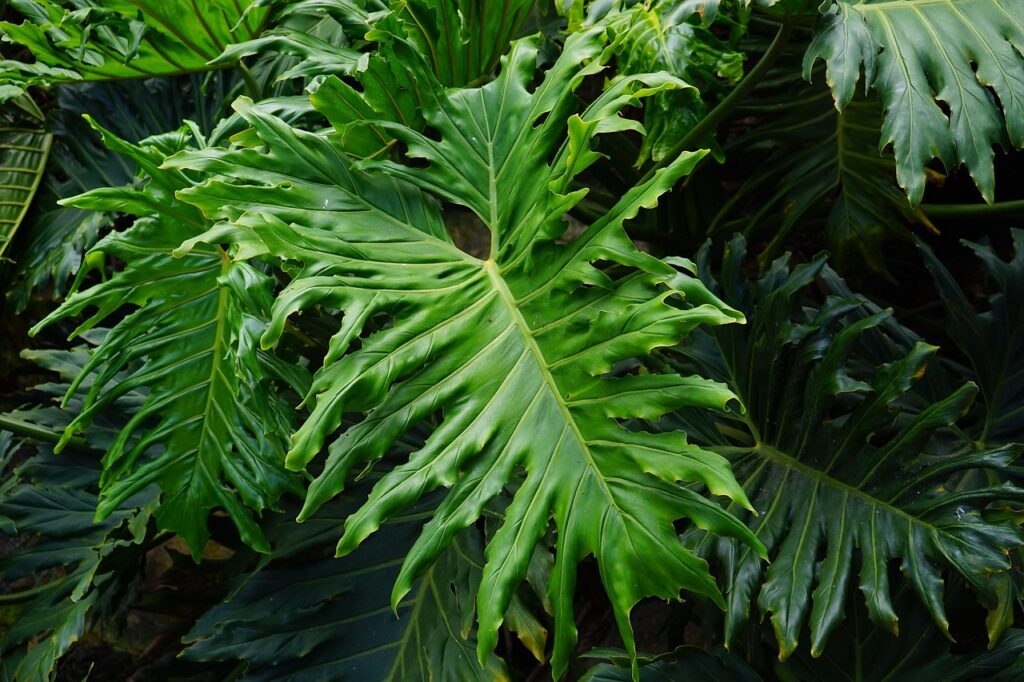
Propagating the plant commonly known as Philodendron selloum involves creating new independent specimens from established mature houseplants. Gardeners typically rely on stem cuttings or root division to multiply their collections successfully at home. Understanding the biological growth habits of this specific tropical aroid ensures higher success rates during the propagation process. Stem cuttings require a […]
Why Your Monstera Cutting Is Not Rooting and How to Fix It
A monstera cutting not rooting usually points to missing environmental triggers, such as insufficient light, stagnant water, or an absent node. Propagation success relies heavily on correct anatomical selection, ensuring active tissue is present to stimulate new root growth safely. Adjusting temperature, media moisture, and oxygen levels often revives a stagnant cutting and encourages steady […]
Mold in Your Potting Soil Bag: Is It Safe to Use?
Finding mold in a potting soil bag is a frequent concern for indoor gardeners and container growers dealing with potted plants. This fungal growth typically appears as white, grey, or yellow fuzz spread across the top surface of the growing medium inside the packaging. In most instances, this phenomenon represents a completely natural result of […]
How to Propagate a Cactus: Step-by-Step Growing Guide
Propagating cacti allows indoor gardeners to multiply their collection using healthy portions of existing plants through reliable vegetative or seed-based methods. Successful propagation depends on selecting appropriate plant material, utilizing sterile tools, and providing precise moisture and light conditions. Most home enthusiasts prefer vegetative propagation using stem cuttings, pads, or offsets because these methods yield […]
How to Grow Fresh Food on Your Small Balcony
Growing food on a balcony transforms unused outdoor vertical space into a productive mini-garden, provided you select plants suited to confined containers and local weather patterns. Success relies on understanding how limited soil volumes interact with ambient wind, reflected heat, and restricted root zones. By pairing resilient herbs, leafy greens, and compact fruiting varieties with […]
How to Propagate Monstera Adansonii for Lush New Plants
Propagating Monstera adansonii involves taking stem cuttings that contain at least one visible node, allowing new roots to develop successfully in water, sphagnum moss, or soil media. This reliable houseplant species responds exceptionally well to asexual reproduction because nodes contain meristematic tissue that can generate roots and new shoots, making stem-node cuttings the standard propagation […]
Can You Overwater Houseplants Through Bottom Watering?
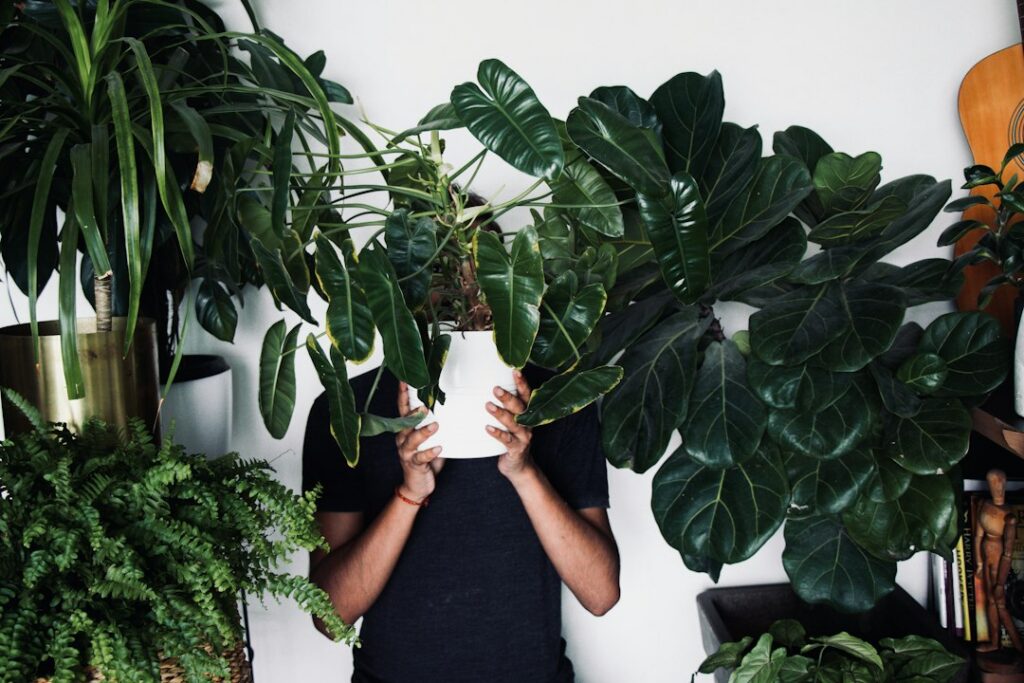
Yes, you can certainly overwater plants using the bottom watering method. While this technique prevents surface soil compaction and encourages deep root growth, leaving a container submerged for too long causes the potting mix to absorb a dangerous excess of moisture. Overwatering from below occurs when capillary action saturates the growing medium and the plant […]
Diagnosing Yellow Spots on Your Philodendron Xanadu
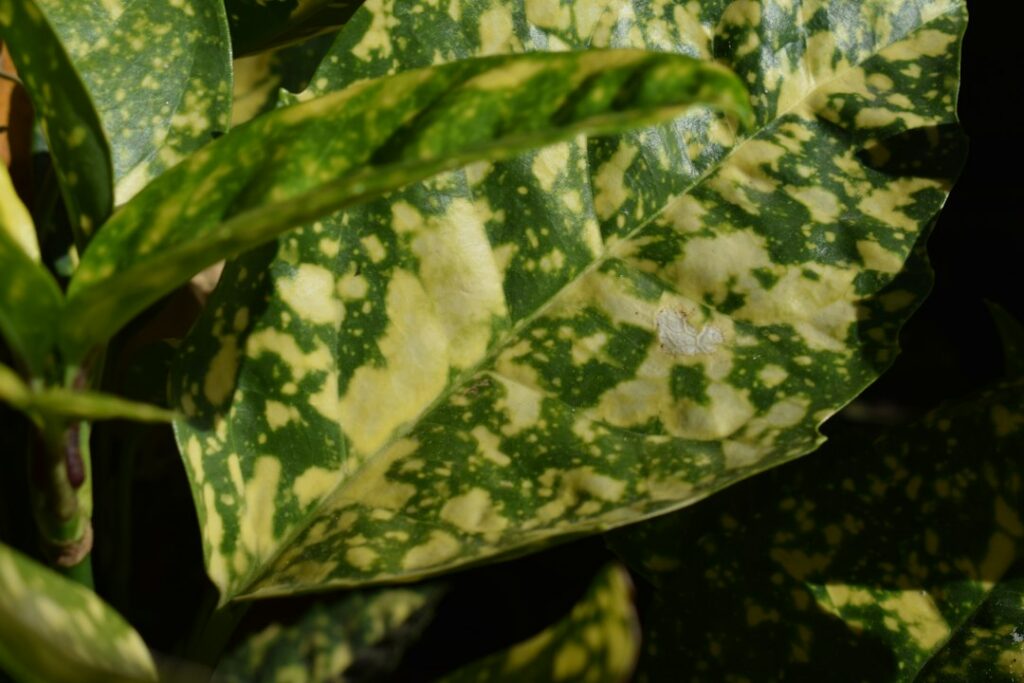
Philodendron Xanadu plants frequently develop yellow spots due to environmental stress, improper watering routines, pest infestations, or underlying pathogens. These discolored markings serve as an early warning sign that the plant’s delicate physiological balance is disrupted. Pinpointing the exact cause requires evaluating recent changes in care practices, inspecting the foliage thoroughly for tiny insects, and […]
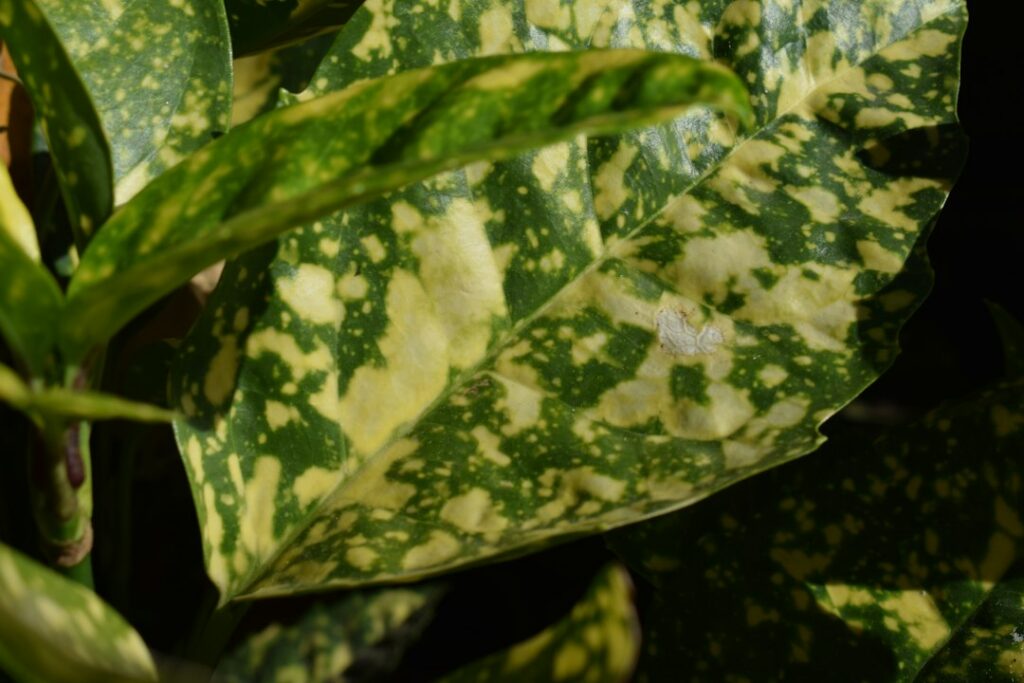
Diagnosing Yellow Spots on Indoor Plant Leaves
Yellow spots on indoor plant leaves typically signal stress, environmental mismatch, moisture imbalance, or early-stage pest and pathogen activity. Accurately diagnosing these discolorations requires evaluating multiple factors together rather than relying on a single symptom, carefully examining the pattern, location, rate of progression, and surrounding environmental variables such as ambient light, humidity, and pot material […]
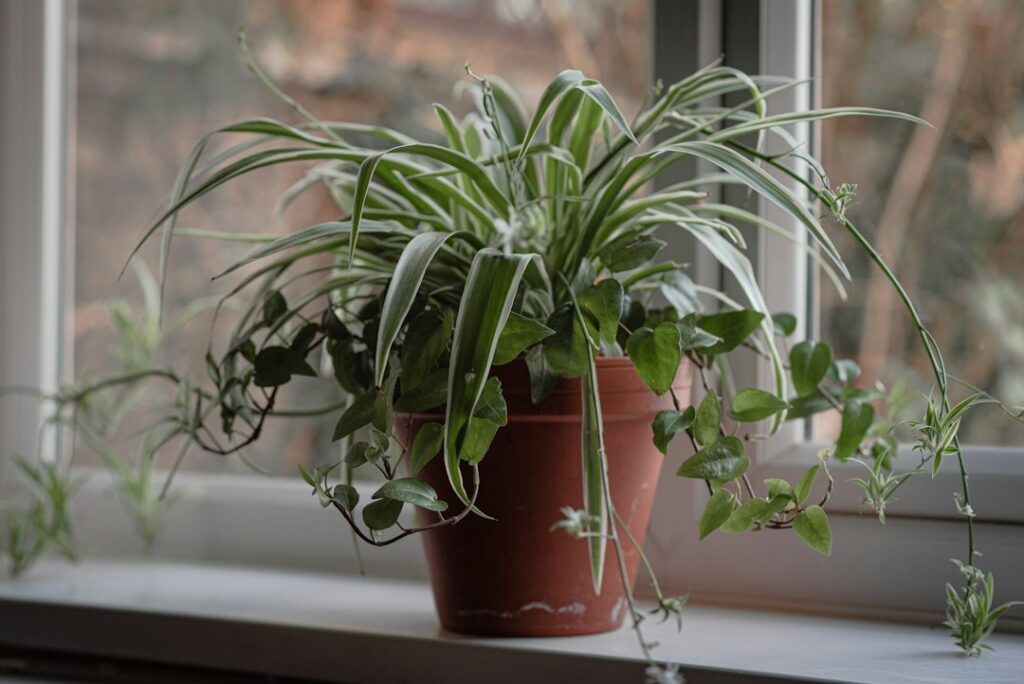
Can You Bottom Water Plants in Terracotta Pots?
Yes, you can successfully bottom water terracotta pots, provided you adjust your technique to accommodate the porous nature of unglazed clay. Because terracotta breathes, moisture evaporates through the container walls much faster than it does in plastic or ceramic vessels. Bottom watering offers a reliable way to hydrate the entire root ball evenly without compacting […]