Discover why unopened bags harbor pests and learn professional eradication methods. Protect your indoor container garden safely today.
Key Takeaway:
Fungus gnats in fresh soil emerge from dormant eggs thriving in damp warehouse conditions. Treat larvae using Bti dunks while trapping active adults immediately.
Quick-Reference Guide
| Factor / Scenario | Recommended Target | Why It Matters |
|---|---|---|
| Larvae Treatment | Bacillus thuringiensis israelensis | Kills developing insects safely |
| Adult Trapping | Yellow sticky cards | Stops reproduction cycles fast |
| Moisture Control | Allow top 2 inches dry | Starves remaining gnat larvae |
| Physical Barrier | Coarse horticultural sand | Prevents new egg-laying access |
| Soil Sterilization | Solar heat application | Eliminates dormant eggs pre-potting |
| Beneficial Check | Springtails and soil mites | Prevents accidental beneficial disposal |
Understanding Why Fresh Soil Bags Harbor Pests
Commercial potting mixes often contain organic matter like compost and peat moss. These damp ingredients provide ideal environments for fungus gnat eggs and larvae to survive indefinitely inside sealed bags.
Plastic packaging traps ambient moisture during warehouse storage and shipping transit. This trapped humidity awakens dormant pests long before you open the bag for your indoor container gardening projects.
Manufacturers rarely sterilize bagged soil with intense heat because beneficial microbes must survive. Unfortunately, this leaves room for resilient insect pests to hitch a ride straight into your home.
Warm retail environments accelerate the hatching cycle of any resident insect eggs. When you slice open the fresh bag, adult gnats often swarm out immediately due to sudden oxygen exposure.
- Inspect bag seams for moisture before purchasing retail mixes.
- Store unopened soil bags in dry, climate-controlled indoor spaces.
- Avoid purchasing torn or heavily condensated plastic soil packaging.
- Check drainage holes on existing pots for early pest signs.
Warehouse Storage Conditions
Outdoor pallet storage exposes heavy plastic bags to rain and extreme temperature swings. This creates a miniature greenhouse effect that nurtures hidden insect populations.
Retailers frequently stack heavy soil pallets directly on damp concrete floors. Moisture wicks upward through microscopic perforations, keeping internal soil layers saturated.
- Buy soil from indoor retail displays whenever possible.
- Elevate home-stored bags off cold garage floors.
Immediate Non-Toxic Removal Strategies for Adults
Adult fungus gnats cannot bite humans, but they become an overwhelming household nuisance quickly. Deploying yellow sticky cards near the base of your plants captures flying pests efficiently.
Bright yellow colors mimic the visual spectra of fresh foliage and flowers. Gnats fly directly toward these traps, becoming permanently stuck on the high-tack adhesive surface.
Vacuuming around infested containers offers instant relief from dense gnat swarms. Use a handheld nozzle carefully to capture hovering adults without damaging delicate plant foliage.
Keep sticky traps flush with the container soil line for maximum effectiveness. Adult females stay close to the growing medium when searching for egg-laying sites.
- Replace sticky cards every two weeks or when covered.
- Position cards securely using wooden stake supports.
- Avoid placing sticky paper where leaves might adhere.
- Combine trapping with watering reductions for best results.
Using Vacuum Extraction Safely
Cordless hand vacuums provide rapid clearing power for heavy infestations near windowsills. Gently sweep the nozzle across the soil surface without sucking up loose medium.
Empty the vacuum canister outdoors immediately after completing your pest sweep. This ensures trapped adult insects cannot escape back into your living spaces.
- Use lowest suction settings on delicate small pots.
- Seal vacuum bags tightly before disposal.
Video Walkthrough: How to Sterilize Your Potting Soil! Escape pesky gnats! #shorts #garden #gardeningtips #gardening
Eliminating Subsurface Larvae Using Biological Controls
Targeting the hidden root-dwelling larvae remains essential for permanent gnat eradication. Applying Bacillus thuringiensis bacteria provides a completely safe, organic solution for your containers.
This natural biological treatment protects sensitive indoor specimens safely. Applying it inside your best pot for fiddle leaf fig keeps delicate root systems healthy and pest-free.
Dissolve concentrated liquid or mosquito dunks into your regular watering can. Saturate the contaminated potting mix thoroughly so the active biological agents reach every single larva.
Repeat this specialized biological watering schedule every seven days consistently. Breaking the lifecycle requires continuous coverage through at least one full reproductive cycle.
- Crush mosquito dunks into powder for faster water absorption.
- Mix only what you need for immediate single waterings.
- Store biological treatments in cool, dark storage areas.
- Monitor plant response to ensure proper moisture balance.
Beneficial Nematodes for Soil Rescue
Microscopic predatory nematodes hunt down and consume pest larvae inside root zones. Mix these beneficial roundworms with tepid water and apply via standard watering cans.
Ensure the potting mix remains moist for several days following nematode application. These living microscopic organisms require damp environments to travel efficiently through soil pores.
- Apply nematodes during early morning or evening hours.
- Check expiration dates on beneficial insect packages.
Distinguishing Fungus Gnats from Beneficial Organisms
Not every tiny creature crawling in fresh potting soil represents a destructive pest. Learning to identify springtails prevents you from accidentally destroying helpful microscopic ecosystem helpers.
Springtails feature distinct forked appendages that allow them to leap across soil surfaces. These harmless creatures feed exclusively on decaying organic matter and microscopic fungal spores.
Soil mites also appear frequently in rich organic container planting mixes. Most species act as beneficial decomposers rather than damaging the structural integrity of plant roots.
Fungus gnats walk slowly or fly in erratic, weak patterns near pots. Conversely, jumping springtails actively bounce away when disturbed by watering or maintenance.
- Observe insect movement before applying chemical treatments.
- Look for jumping behaviors characteristic of harmless springtails.
- Check root health to determine if actual damage exists.
- Consult local extension offices for complex pest IDs.
Evaluating True Root Damage Signs
Fungus gnat larvae chew on delicate root hairs when organic matter depletes. Watch for sudden yellowing, stunted growth, or wilting despite adequate watering schedules.
Healthy plants usually tolerate low populations of soil-dwelling insects easily. Heavy infestations require immediate intervention to protect vulnerable tropical houseplant species.
- Inspect root balls gently during routine repotting.
- Prune away dead or decaying root material promptly.
Implementing Physical Soil Barriers to Stop Egg-Laying
Adult fungus gnats require moist organic topsoil to deposit their microscopic eggs safely. Applying a coarse sand layer blocks female access to vulnerable damp potting mixes.
Spread a half-inch layer of clean horticultural sand across the container surface. This mineral barrier dries out rapidly after watering, deterring pests completely.
Implementing this porous surface strategy works exceptionally well for demanding houseplants. A proper [ficus in terracotta pot](https://plantnpots.com/?p=3353) setup benefits immensely from dry mineral top layers.
Water your potted plants carefully beneath the heavy mineral barrier layer. This maintains proper moisture levels for roots while keeping the surface inhospitable to pests.
- Use washed horticultural sand free of fine silt.
- Avoid standard beach sand containing high salt levels.
- Keep barrier layers uniform across the entire pot surface.
- Replenish disrupted top layers after routine maintenance.
Alternative Mulching Materials
Decorative polished stones add visual appeal while blocking gnat access simultaneously. Select smooth river rocks sized appropriately for your specific container dimensions.
Ensure decorative top stones allow adequate air circulation into soil. Trapping excessive moisture beneath dense layers can invite fungal root rot.
- Select stones free of chemical color treatments.
- Wash rocks thoroughly before applying to houseplants.
Proactive Methods for Sterilizing Bulk Container Media
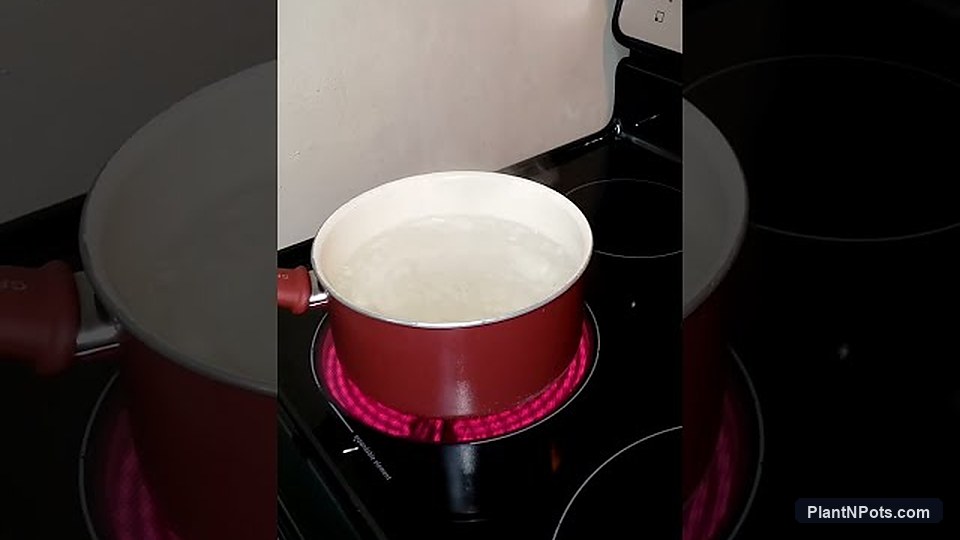
Pre-treating suspect soil bags before repotting prevents indoor infestations entirely. Solarization utilizes natural sunlight to eliminate unwanted pests and weed seeds safely.
Spread fresh potting soil thinly across black plastic sheeting outdoors in bright sun. Cover the top securely with another layer of clear plastic to trap heat.
Oven baking represents another viable alternative for small batches of planting mix. Heat moist soil to 180 degrees Fahrenheit for thirty minutes inside covered metal pans.
Allow sterilized soil to cool completely before introducing sensitive indoor plant roots. This thermal process also eliminates beneficial microbes, requiring gentle reinoculation later.
- Monitor soil temperature carefully during oven sterilization.
- Expect distinct earthy odors during thermal soil baking.
- Store treated soil in airtight plastic storage bins.
- Reintroduce beneficial compost teas after heat treatment.
Microwave Treatment for Small Batches
Place damp potting soil inside microwave-safe containers with loose lids. Heat on high power for approximately ninety seconds per small procedural batch.
Let containers cool inside the closed microwave unit before handling safely. Wear heat-resistant gloves to prevent burns when removing hot gardening vessels.
- Never microwave dry soil to prevent fire risks.
- Stir soil halfway through the heating cycle.
Long-Term Watering Adjustments for Pest-Free Containers
Overwatering remains the primary catalyst for chronic fungus gnat population explosions. Allow the top two inches of potting soil to dry completely between watering sessions.
Deep, infrequent watering encourages roots to grow downward while keeping surfaces dry. Upgrading to a reliable [self watering grow bag](https://plantnpots.com/?p=2773) prevents moisture pooling and eliminates future pest risks.
Ensure all containers feature functioning drainage holes to prevent standing water pools. Empty saucers promptly after watering to discourage localized pest breeding grounds.
Improve indoor air circulation using oscillating fans near plant collections. Enhanced airflow dries damp soil surfaces quickly and deters flying adult pests.
- Check soil dryness using your finger before watering.
- Water plants thoroughly until liquid exits drainage holes.
- Never let container bases sit in standing water trays.
- Adjust watering frequencies seasonally based on indoor heat.
Evaluating Container Drainage Quality
Poor drainage creates perpetually soggy bottom soil layers favoured by gnats. Verify that pot drainage holes remain unobstructed by roots or compacted media.
Add a base layer of coarse perlite or broken pottery fragments carefully. This promotes optimal gravitational water flow away from plant root zones.
- Clear blocked container drainage holes using wooden skewers.
- Select pots with multiple drainage outlets for safety.
Frequently Asked Questions
Why do brand new bags of potting soil always seem to contain fungus gnats?
Commercial soil bags contain damp organic matter that shelters dormant pest eggs. Warm warehouse storage conditions awaken these insects long before you open the packaging.
Can I return a bag of potting soil to the store if it has gnats?
Most garden centers accept returns or exchanges for infested bagged soil products. Bring your receipt and inspect replacement bags for moisture before leaving the store.
Are fungus gnats dangerous to my healthy houseplants or indoor pets?
Adult gnats do not bite humans, pets, or damage mature plant foliage. However, heavy larval infestations can harm delicate root hairs on young plants.
How long does it take to completely get rid of a gnat infestation?
Eliminating an active gnat population typically takes two to three weeks. Combining yellow traps with larval treatments breaks the breeding cycle successfully.
Should I throw away my infested potting soil or can I treat it?
You do not need to discard your expensive potting soil investment. Treat the mix using biological larvicides and surface drying techniques to restore safety.

