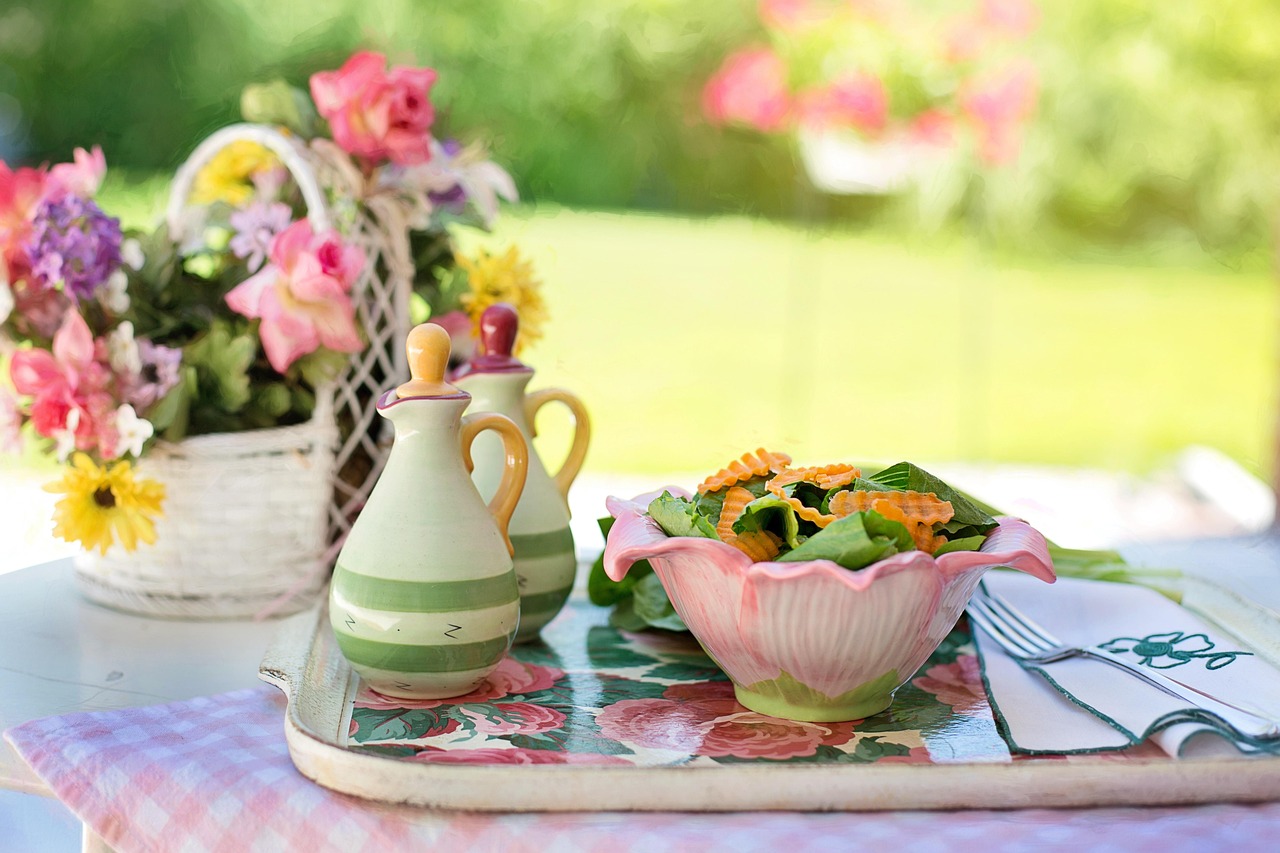
Growing lettuce during the summer months requires careful cultivar selection and environmental management to prevent premature bolting and bitter flavor development. High ambient temperatures and intense solar radiation naturally trigger cool-season crops to transition into their reproductive flowering phase, which ruins leaf texture. By choosing heat-resistant varieties and utilizing strategic shading, container gardeners can successfully extend the harvest season straight through the warmest weeks of the year.
Managing potted lettuce in summer also demands precise watering habits and moisture-retentive growing media because containers dry out rapidly under direct sun. Balcony container gardeners must balance adequate light exposure for compact growth with cooling techniques that protect delicate root systems from thermal stress. Implementing these tailored practices allows for a continuous supply of crisp, tender greens regardless of seasonal temperature peaks.
Selecting Heat-Tolerant Lettuce Varieties for Summer Containers
Understanding Bolting Triggers in Warm Weather
Lettuce is biologically programmed to flower and produce seeds when daylight hours lengthen and temperatures consistently exceed seasonal averages. This process, known as bolting, redirects plant energy upward and releases milky latex compounds into the leaves, causing an unpleasantly bitter taste.
Selecting genetics specifically bred to resist thermal stress delays this hormonal shift significantly. While standard cool-season types turn bitter within days of a heatwave, modern heat-tolerant strains maintain their cellular structure and mild flavor profile much longer under glass or on warm balconies.
Top Loose-Leaf Cultivars for High Temperatures
Loose-leaf varieties are generally the most forgiving choice for summer container cultivation because gardeners can harvest outer leaves continuously before heat damage sets in. Cultivars like Black Seeded Simpson and Oak Leaf display moderate resilience when provided with adequate root moisture.
Specialized summer varieties, including Salad Bowl and Jericho, have been bred to withstand higher thermal thresholds without immediately turning bitter. Planting these specific selections in your balcony pots minimizes the frustration of sudden crop failure during July and August heat spikes.
Crisphead and Romaine Options with Heat Resistance
While crisphead types like iceberg are notoriously difficult to grow in warm weather due to tipburn and rot, certain loose romaine types perform surprisingly well. Look for compact romaine cultivars that form upright heads without trapping excessive humidity in the center.
Parrish Cos and Coastal Star are two selections known for maintaining structural integrity under warmer conditions. When grown in containers, these varieties benefit greatly from being positioned where they receive morning sun and complete afternoon shade.
If you want to diversify your container garden beyond leafy greens, growing fresh food on your small balcony provides an abundant harvest all season long.
Container Selection and Potting Mix Optimization
Choosing the Right Potted Container Material
Container material heavily influences soil temperature and moisture retention for summer crops. Dark plastic pots and unsealed terracotta planters absorb solar radiation quickly, which can literally cook delicate lettuce root systems on exposed balconies.
Light-colored resin pots, wooden containers, or double-walled planters provide better thermal insulation against scorching ambient temperatures. Selecting pots with a wider surface area rather than deep vertical depth also matches the shallow root architecture typical of lettuce plants.
Ensuring Optimal Drainage for Summer Crops
Proper drainage is non-negotiable when growing summer container crops, as intense storms or heavy hand-watering can quickly drown root systems if water pools at the base. Every pot must feature multiple unblocked drainage holes to allow excess liquid to escape freely.
Elevating containers slightly off balcony floors using pot feet or bricks ensures that drainage ports remain clear and air circulates beneath the root zone. This airflow prevents stagnant moisture pockets that invite root pathogens during humid summer weather.
Formulating Moisture-Retentive Potting Substrates
Standard garden soil is entirely unsuitable for containers because it compacts easily and restricts oxygen exchange. Instead, use a lightweight, high-quality potting mix blended specifically for vegetables and container gardening.
Incorporating organic amendments such as coconut coir or compost helps the substrate retain essential moisture between watering sessions without becoming waterlogged. Mixing in a modest amount of perlite also maintains vital aeration as the root system expands.
If you want to diversify your edible container garden beyond greens, consider trying out some bush beans you can grow in similar pots.
In addition to summer greens, adding fragrant herbs you can grow to adjacent containers creates a vibrant and functional urban garden setup.
Managing Light and Temperature Extremes on Balconies
Providing Afternoon Shade and Microclimate Cooling
Balcony environments can easily become heat traps, accumulating thermal energy from surrounding walls and concrete flooring. Providing physical shade during the peak afternoon hours is often the single most effective way to keep summer lettuce alive.
Installing a lightweight 30 to 40 percent shade cloth over the container setup protects plants from scorching rays while still admitting sufficient light for photosynthesis. Misting surrounding balcony surfaces on very hot afternoons also helps lower local ambient temperatures through evaporation.
Monitoring Soil Temperatures in Potted Systems
Soil temperature directly impacts nutrient uptake and root health more than ambient air temperature. When potting mix exceeds ideal thresholds, plant metabolism slows down, making the lettuce more susceptible to wilting and disease.
Using a simple soil thermometer helps track thermal conditions in your containers. If soil temperatures consistently rise above safe levels, relocating pots to cooler shaded spots or wrapping containers in reflective material can protect the root zone from overheating.
Optimizing Daily Sunlight Exposure Durations
While lettuce requires adequate light to prevent weak, spindly growth, summer sun intensity is often too harsh for full-day exposure. Aim to provide roughly four to six hours of gentle morning sunlight followed by protected indirect light or shade.
East-facing balconies are typically ideal for summer lettuce production because they capture beneficial morning rays while sparing the plants from intense, dehydrating afternoon heat. South-facing locations will almost always require artificial shading solutions.
Alongside your shade cloth setups, planting hardy annuals that can take full sun nearby can help create a more resilient microclimate.
While protecting your lettuce from harsh sunlight, you might also consider hardy beans you can grow successfully in slightly deeper containers nearby.
Watering and Nutrient Management for Heat-Stressed Plants
Establishing Consistent Summer Irrigation Schedules
Summer container plants dry out exponentially faster than garden beds due to restricted soil volume and high evaporation rates. Lettuce has shallow roots that cannot reach deep moisture, making consistent, daily monitoring essential.
Water deeply whenever the top inch of potting mix feels dry to the touch, ensuring moisture penetrates the entire root ball. Morning irrigation is strongly recommended so plants can hydrate fully before the heat of the day arrives.
Avoiding Root Rot During High Humidity
Frequent summer watering combined with high humidity creates an environment where fungal pathogens thrive. It is vital to wet the potting mix directly around the base of the plant rather than spraying foliage overhead, which encourages fungal spores.
Allowing the very surface of the soil to dry slightly between waterings prevents the chronic saturation that causes root rot. Ensuring good air circulation around individual balcony containers further mitigates this risk.
Applying Balanced Soluble Nutrients to Containers
Frequent watering required during summer flushes essential nutrients out of container potting mixes rapidly. To maintain healthy growth, apply a diluted, balanced water-soluble organic fertilizer every two to three weeks.
Avoid excessive nitrogen fertilization during hot weather, as rapid soft growth makes the lettuce plant even more attractive to sap-sucking pests and prone to tipburn. Consistency in feeding yields steadier, more flavorful leaf development.
Pest Management and Common Potted Lettuce Problems
Identifying Aphids and Fungus Gnats Early
Warm weather frequently brings surges in insect populations, with aphids being a primary nuisance on tender summer greens. Inspect the undersides of leaves regularly for clusters of small green or black insects feeding on plant sap.
Fungus gnats can also multiply rapidly in consistently damp potting mixes. Letting the top layer of soil dry out between waterings and utilizing sticky yellow traps near the base of the containers helps keep pest numbers manageable without harsh chemicals.
Preventing Tipburn Through Steady Moisture
Tipburn appears as brown, necrotic edges on developing leaves and is caused by localized calcium deficiency within the plant tissue. In summer, this is almost always triggered by erratic watering cycles that disrupt calcium transport.
Maintaining a steady, reliable soil moisture level ensures the plant can continuously absorb and distribute calcium throughout its leaves. Selecting heat-tolerant varieties also provides natural resistance against this common physiological disorder.
Managing Powdery Mildew in Humid Balconies
High humidity and stagnant air on enclosed balconies can lead to powdery mildew, appearing as a white, dusty coating on leaves. Prevent this by spacing containers adequately to allow maximum airflow between individual plants.
Prune away any lower leaves touching the damp potting mix and remove severely affected foliage immediately. Keeping foliage dry during irrigation remains the most effective preventative measure against fungal outbreaks.
Frequently Asked Questions About Summer Lettuce
Can I grow standard crisphead lettuce in a hot July?
Growing standard crisphead varieties like iceberg during a hot July is extremely difficult because high temperatures cause immediate bolting, bitter flavor development, and tipburn. It is much more practical to select heat-tolerant loose-leaf or romaine cultivars specifically bred to withstand elevated summer temperatures on sunny balconies.
How often should summer container lettuce be watered?
Summer container lettuce typically requires daily watering, and sometimes twice-daily irrigation during severe heatwaves. Because pots dry out rapidly under direct sun and wind, you should check the moisture level of the potting mix daily and water thoroughly whenever the top inch feels dry.
What causes summer lettuce to turn bitter?
Summer lettuce turns bitter primarily due to high temperatures and long daylight hours, which trigger the plant to enter its reproductive bolting phase. When this occurs, the plant releases milky latex compounds into the leaves, ruining their culinary flavor and making consistent shade management essential.
Do balcony pots need special shade cloth protection?
Balcony pots often benefit significantly from shade cloth protection during peak summer months because surrounding walls and concrete floors amplify ambient heat. A lightweight 30 to 40 percent shade cloth shields plants from scorching afternoon sun while maintaining adequate light levels.
How can I harvest leaves without killing the plant?
You can harvest lettuce continuously by using the cut-and-come-again method, which involves gently picking the outer, mature leaves first. This leaves the central growing crown intact so the plant can continue producing new foliage throughout the summer season.
Can I reuse potting mix from a failed lettuce crop?
Reusing potting mix from a failed lettuce crop is possible, but you should thoroughly inspect it for lingering pests, root fragments, and fungal spores. Amending the used soil with fresh compost and perlite helps restore missing nutrients and improves structure before planting a new round of greens.