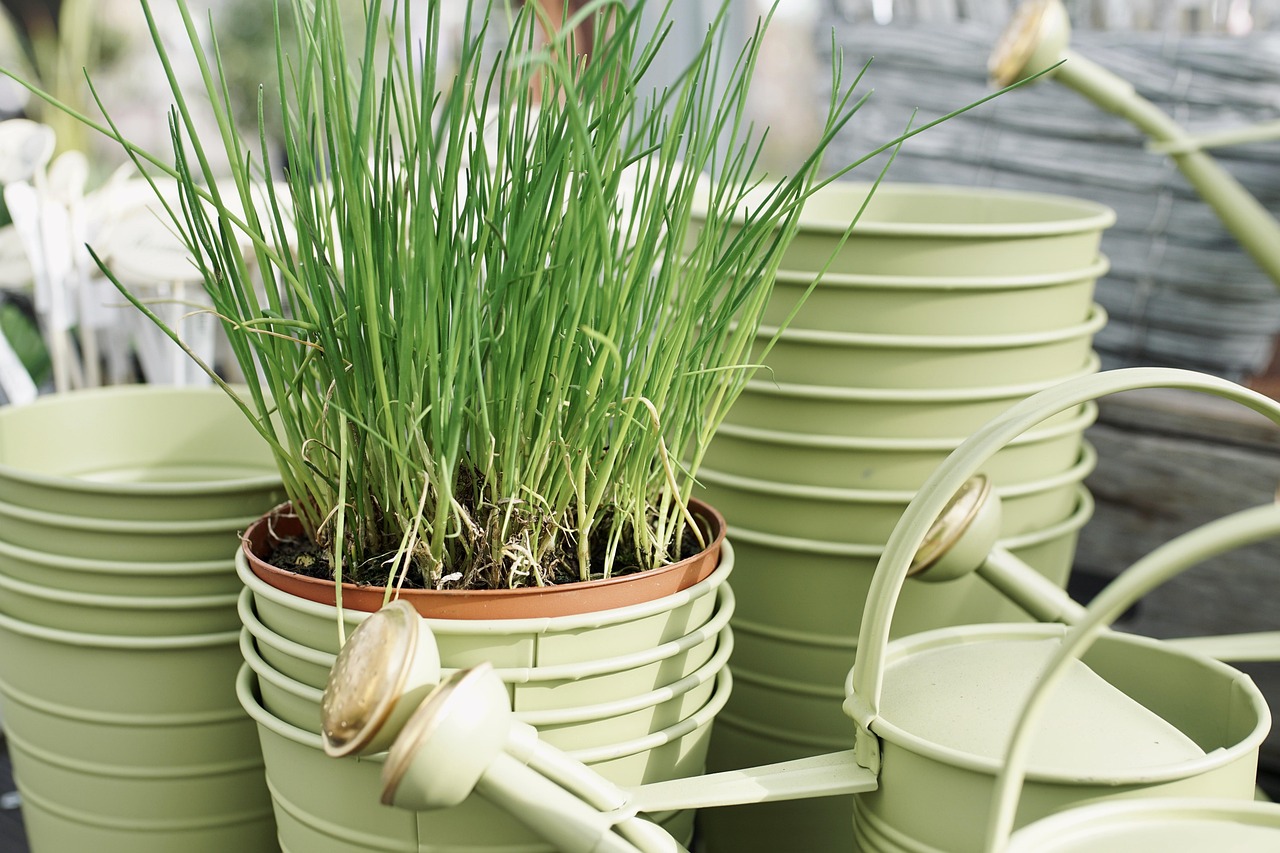
Growing culinary herbs on a balcony provides a practical way to maintain a fresh, accessible harvest of flavorful ingredients directly outside your door. Success relies on matching specific plant requirements to your balcony’s unique microclimate, light exposure, and wind conditions.
Balconies present distinct challenges, including limited root space, rapid moisture evaporation, and shifting sun patterns throughout the seasons. By selecting adaptable herb varieties, utilizing proper containers, and implementing consistent care routines, you can establish a thriving edible garden in a remarkably small footprint.
Selecting Hardy Culinary Herbs for Balcony Environments
Climate and Sunlight Considerations for Balcony Herbs
Balconies often create microclimates that differ significantly from ground-level gardens. High-rise balconies can experience stronger winds and intense sunlight, while covered balconies may suffer from deep shade. Most culinary herbs require at least six hours of direct sunlight daily to develop robust flavors and essential oils.
Assessing your balcony’s orientation helps determine which species will thrive. South- and west-facing balconies receive intense afternoon sun, which suits Mediterranean herbs like rosemary, thyme, and oregano. North- and east-facing spaces receive gentler light, favoring shade-tolerant leafy herbs such as mint, parsley, and chives.
Choosing Compact Varieties for Limited Space
Space constraints demand careful selection of plant varieties. Standard herb cultivars can quickly outgrow containers, leading to root-bound plants that dry out rapidly. Opting for dwarf or compact cultivars ensures the plants remain manageable within standard window boxes or small patio pots.
Look for descriptions indicating bush or compact habits when purchasing seeds or starter plants. Varieties like Greek oregano, bush basil, and dwarf rosemary deliver full yields while maintaining a neat profile that fits comfortably on narrow balcony railings and shelving units.
Perennial Versus Annual Herb Selection Strategies
Understanding the life cycle of your chosen herbs shapes your balcony’s layout and long-term maintenance. Annual herbs complete their life cycle in a single season, requiring replacement each spring. Basil, cilantro, and dill fall into this category, offering fast growth and rapid harvest windows.
Perennial herbs return year after year, provided they receive adequate winter protection in colder hardiness zones. Rosemary, thyme, sage, and mint establish deep root systems and woody stems, making them durable investments for multi-season balcony gardening with minimal replanting effort.
Learning how to cultivate fresh food on your small balcony can greatly complement your herbal container garden.
Optimizing Potting Mixes and Drainage for Containers
Essential Components of Soilless Potting Mixes
Container-grown herbs rely entirely on the potting medium for physical support, moisture retention, and nutrient exchange. Standard garden soil is far too dense for pots, compacting easily and restricting oxygen flow to delicate roots. Instead, utilize a lightweight, high-quality soilless potting mix.
Quality mixes typically incorporate peat moss or coconut coir for moisture retention, alongside perlite or vermiculite to create air pockets. This balanced texture prevents waterlogging while ensuring roots can easily expand and absorb essential nutrients throughout the growing cycle.
Importance of Container Drainage and Aeration
Proper drainage remains the single most critical factor in preventing root diseases among container herbs. Without adequate escape routes for excess water, soil becomes waterlogged, displacing oxygen and causing roots to suffocate and decay. Every container must feature functional drainage holes at the base.
Elevating pots slightly using pot feet or saucers with spacers ensures that discharged water drains away freely rather than pooling beneath the container. This simple adjustment protects root systems from constant saturation and maintains healthy air circulation around the root zone.
Correct Pot Sizing and Material Selection
Container size directly influences plant health and watering frequency. Undersized pots restrict root growth and dry out within hours on hot days, while excessively large pots hold too much moisture in unused soil. Most individual herbs thrive in containers measuring eight to twelve inches in diameter.
Material choice also affects the growing environment. Terracotta pots are porous, allowing moisture to evaporate through the walls, which benefits Mediterranean herbs that prefer drier soil. Plastic and fiberglass containers retain moisture longer, suiting thirsty plants like mint and parsley.
Porous containers behave uniquely, prompting gardeners to ask if they can bottom water terracotta pots successfully.
Watering Techniques and Moisture Management
Assessing Soil Moisture Before Watering
Developing a reliable watering routine requires checking soil conditions rather than adhering to rigid calendar schedules. Weather fluctuations, wind speeds, and plant maturity continuously alter how quickly containers dry out. Rely on the physical touch method to evaluate moisture levels accurately.
Insert your finger up to the second knuckle into the potting mix. If the soil feels dry and warm at that depth, it is time to water. If it feels damp or clings to your skin, postpone watering to prevent moisture stress and potential root rot issues.
Deep Watering Methods and Preventing Root Rot
When watering container herbs, apply moisture thoroughly until it runs freely from the drainage holes at the bottom of the pot. This ensures the entire root ball receives adequate hydration rather than just the surface layer of soil, which evaporates quickly in warm weather.
Avoid frequent, shallow sprinklings that only moisten the topsoil. Shallow watering encourages weak, surface-level root development. Always empty collection saucers fifteen minutes after watering to prevent the pot from sitting in stagnant water and developing fungal problems.
Seasonal Adjustments to Watering Schedules
Balcony conditions shift dramatically across the calendar year, requiring corresponding adjustments to your watering habits. During peak summer heat and dry winds, daily watering may be necessary, particularly for small containers or plants exposed to direct afternoon sun.
Conversely, during cooler autumn and winter months, plant growth slows significantly, and evaporation rates drop. Reduce watering frequency accordingly to prevent the soil from remaining soggy for extended periods. Always let the potting mix dry out more thoroughly between watering sessions in winter.
When managing container moisture, understanding whether you can over water by bottom watering helps protect sensitive root systems.
Nutrient Management and Fertilization Practices
Understanding N-P-K Requirements for Herbs
Herbs generally require moderate nutrient levels compared to heavy-feeding vegetable crops like tomatoes or squash. Excess fertilization can actually diminish the concentration of aromatic oils in herbs, resulting in lush foliage with significantly less robust flavor profiles.
When supplemental nutrition is necessary, look for balanced fertilizers detailing nitrogen, phosphorus, and potassium ratios. Nitrogen supports leaf and stem growth, phosphorus encourages root development and flowering, and potassium strengthens overall plant resilience against environmental stressors.
Organic Versus Synthetic Fertilizer Options
Choosing between organic and synthetic fertilizers depends on personal preference and your goals for edible plants. Organic amendments, such as composted manure, worm castings, or liquid seaweed emulsions, release nutrients slowly and improve overall soil microbiology over time.
Synthetic water-soluble fertilizers provide rapid nutrient availability, allowing precise control over feeding schedules. However, they require careful dilution to prevent chemical buildup in small container volumes. Always follow manufacturer instructions strictly to protect sensitive herb root systems.
Avoiding Nutrient Burn and Over-Feeding
Over-fertilization poses a serious risk in container gardening because excess salts accumulate rapidly within the confined potting mix. Symptoms of nutrient burn include brown leaf tips, wilting despite adequate moisture, and a white crust forming on the soil or pot surface.
To prevent this, flush containers periodically by running plain water slowly through the soil until it drains clear. Feed herbs sparingly during their active growing season, and withhold all fertilizers entirely during the dormant winter months when growth naturally ceases.
While feeding container plants, considering if you can bottom water with fertilizer offers alternative nutrient delivery.
Pruning, Harvesting, and Preventing Common Pests
Encouraging Bushy Growth Through Regular Pruning
Pruning is an essential maintenance task that keeps balcony herbs productive and visually appealing. Pinching back the growing tips of plants like basil, mint, and oregano stimulates side shoots to develop, transforming single-stemmed seedlings into dense, bushy specimens with higher yields.
Regular harvesting acts as natural pruning. Always cut stems just above a pair of leaves or a node rather than leaving bare stubs, which are vulnerable to disease. Removing flowers as soon as they appear also redirects plant energy back into producing flavorful leaves.
Proper Harvesting Techniques to Protect the Plant
Harvesting herbs correctly ensures the plant recovers quickly and continues producing new growth throughout the season. Never harvest more than one-third of a plant’s total foliage at any single time, as removing too much leaves the specimen unable to photosynthesize effectively.
Use clean, sharp scissors or pruning shears rather than pulling or tearing stems by hand. Tearing damages delicate plant tissues, creating ragged wounds that invite pests and fungal spores. Harvest in the morning after dew evaporates for the best flavor concentration.
Identifying and Managing Common Balcony Pests
Even elevated balconies can experience pest pressures from aphids, spider mites, and fungus gnats. Inspect your herbs weekly, paying close attention to the undersides of leaves and new stem growth where insects frequently congregate before populations multiply extensively.
Manage minor infestations using mechanical methods, such as wiping leaves with a damp cloth or spraying pests off with a sharp stream of water. If necessary, apply gentle horticultural soaps or neem oil according to label directions, ensuring safe application for edible plants.
Frequently Asked Questions
Can I grow all culinary herbs together in a single large balcony container?
Planting multiple herbs in one container is possible, but you must group species with similar moisture and sunlight needs together. For instance, Mediterranean herbs like rosemary, thyme, and oregano share a preference for dry soil and intense sun. Conversely, moisture-loving herbs like mint and parsley require frequent watering and should be planted in separate pots to prevent root competition and moisture imbalance.
How many hours of direct sunlight do balcony herb gardens actually require?
Most culinary herbs thrive best when they receive a minimum of six hours of direct sunlight daily. South- and west-facing balconies typically provide optimal conditions for sun-loving varieties. If your balcony receives less light, focus on shade-tolerant options like chives, mint, and cilantro, though their growth rate and flavor intensity may be slightly reduced compared to full-sun specimens.
Why are my potted herb leaves turning yellow on my balcony?
Yellowing leaves on container herbs most frequently signal overwatering and poor drainage, which suffocates roots and causes decay. Other potential causes include nitrogen deficiency in the potting mix or insufficient sunlight. Check the soil moisture first; if the mix remains wet several inches down, withhold water, improve drainage, and allow the potting medium to dry out thoroughly between watering sessions.
Should I bring my perennial balcony herbs indoors during freezing winter weather?
Whether you need to bring perennial herbs indoors depends entirely on your local hardiness zone and the specific plant species. Hardy perennials like thyme, chives, and sage can often overwinter outdoors on balconies if their containers are insulated or protected from severe drying winds. Tender perennials and plants in very small pots may require moving to a sheltered garage or a bright indoor windowsill.
What is the best way to revive a leggy and overgrown balcony herb plant?
Reviving a leggy herb, such as overgrown mint or basil, involves performing a hard pruning session. Cut the stems back by one-third to one-half, making sure to cut just above healthy leaf nodes. This aggressive trim stimulates dormant buds lower down on the stem to break dormancy, resulting in a much denser, bushier plant within a few weeks of consistent care and adequate light.
Do I need to repot my balcony herbs every single year?
Annual herbs do not require repotting since they are replaced each season, but perennial herbs benefit from repotting every one to two years. Signs that a perennial herb has outgrown its container include roots emerging from drainage holes, water running straight through without soaking the mix, and stunted top growth. Spring is the ideal time to move plants into a slightly larger pot with fresh potting soil.