Master the art of transferring your succulent into a fresh container today. Proper techniques protect delicate root systems and ensure vibrant, healthy seasonal blooms.
Key Takeaway:
Repot your kalanchoe during early spring using a gritty cactus mix and a container with ample drainage holes to prevent root rot.
Quick-Reference Guide
| Factor / Scenario | Recommended Target | Why It Matters |
|---|---|---|
| Repotting Frequency | Every 2 years | Restores depleted soil nutrients |
| Best Season | Early spring | Aligns with active natural growth |
| Container Material | Unglazed terracotta | Promotes fast root zone evaporation |
| Pot Size Increment | 1 size larger | Prevents excess moisture retention |
| Soil Composition | 50% cactus mix, 50% perlite | Ensures rapid drainage and aeration |
| Post-Transplant Wait | 4 to 7 days | Allows broken roots to heal safely |
Recognizing When Your Kalanchoe Needs a New Container
Kalanchoe plants thrive when slightly confined, but excessive root congestion stunts overall growth. Watch for roots emerging through the drainage holes at the container base.
Another reliable indicator is rapid soil drying between watering sessions. When water flows straight through without absorbing, the pot is officially rootbound.
Physical stagnation above the soil line signals internal root distress. If your succulent stops producing new leaves or flowers, evaluate the underground environment immediately.
Springtime remains the absolute best season for this garden upgrade. Active seasonal growth allows the specimen to recover quickly from transplant shock.
Kalanchoe plants actively signal root crowding when thick roots visibly emerge through the bottom drainage holes. Ignoring these structural warning signs severely stunts ongoing foliage development during peak growing seasons.
Examine the soil surface closely for heavy mineral crusting or compacted substrates. If water pools instantly during irrigation instead of absorbing, your potting medium has degraded completely and requires replacement.
- Inspect bottom drainage holes for circling roots.
- Note if soil dries out within twenty-four hours.
- Check for slowed stem and leaf development.
- Plan your transplant during early spring periods.
Selecting the Optimal Pot Size and Drainage Materials
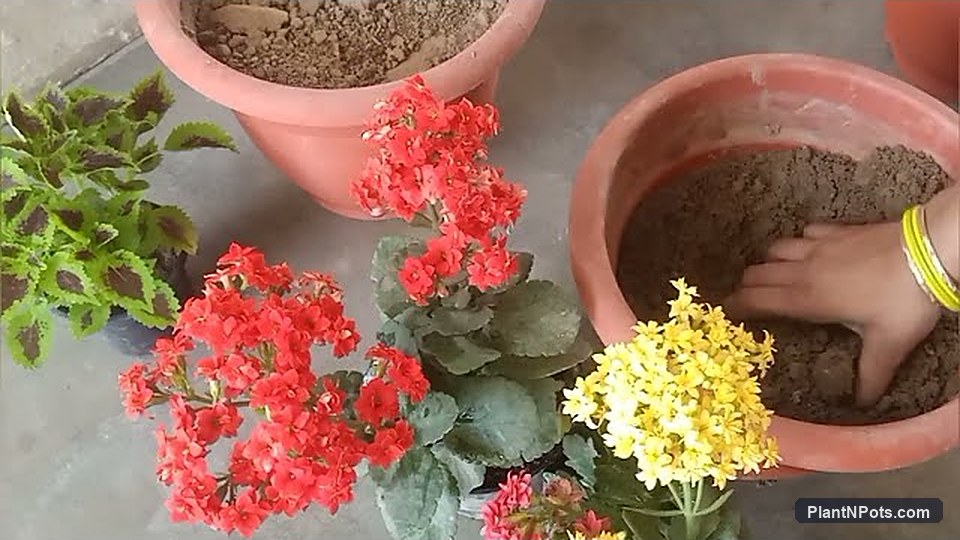
Choosing the correct container prevents moisture retention disasters. Select a vessel only one size larger than the current pot to avoid excess wet soil.
Terracotta and unglazed ceramic pots work exceptionally well for succulents. These porous materials allow excess moisture to evaporate rapidly through the clay walls.
Proper drainage is entirely non-negotiable for keeping your succulent healthy. Whether housing desert flora or checking the [best size pot for monstera](https://plantnpots.com/?p=6664), never use a decorative container lacking functional bottom drainage holes.
If you love a cachepot, use it strictly as an outer decorative shell. Always keep your plant in an inner plastic nursery pot featuring drainage slits.
Always select a replacement container that exceeds the current diameter by exactly one to two inches. Over-potting introduces excess damp soil that retains unwanted moisture, directly causing fatal root rot.
- Up-pot by just one size increment.
- Prioritize breathable unglazed terracotta materials.
- Ensure reliable bottom drainage holes exist.
- Avoid deep pots that hold excess moisture.
Video Walkthrough: Light Water
Formulating the Ideal Fast-Draining Soil Blend
Standard potting compost holds far too much moisture for desert-adapted succulents. Create a specialized blend using coarse sand, perlite, and standard organic potting mix.
A balanced ratio consists of fifty percent commercial cactus soil mixed with equal parts inorganic drainage amendments. This mimics their arid native habitats.
Perlite improves aeration while preventing the soil mixture from compacting tightly over time. Good air movement around roots is vital for disease prevention.
Avoid garden soil or heavy topsoil from outdoor beds entirely. These dense materials harbor fungal spores and pest larvae that harm containerized plants.
Combine standard succulent potting mix with coarse perlite and horticultural pumice in equal parts. This exact amendment ratio drastically improves aeration levels while preventing dangerous moisture retention around sensitive succulent roots.
- Combine commercial cactus mix with perlite.
- Maintain a fifty-percent inorganic aggregate ratio.
- Test drainage speed before filling pots.
- Never use dense garden topsoil indoors.
Step-by-Step Guide to Safely Transplanting Kalanchoe
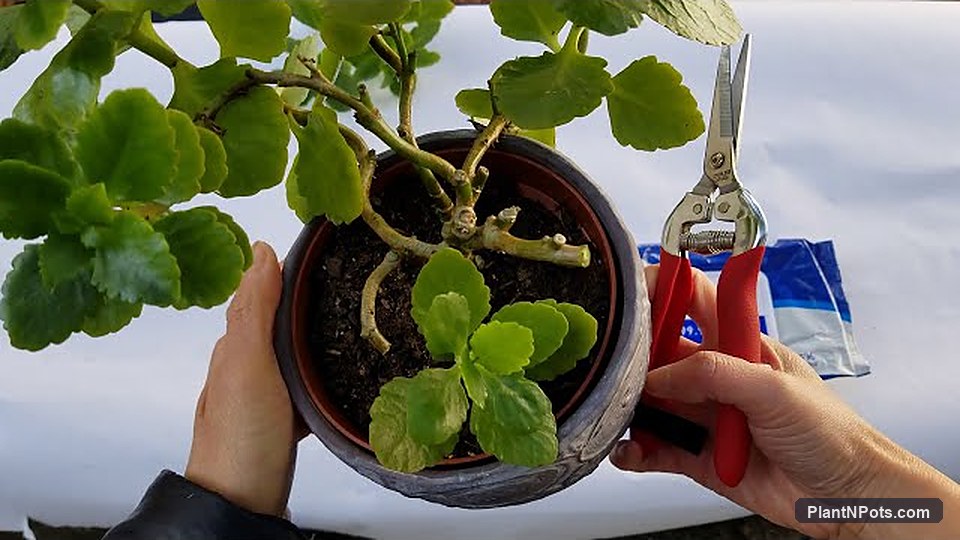
Gather your fresh potting mix, new container, clean pruning shears, and protective gloves. Gently ease the kalanchoe from its old pot by tilting it sideways.
Support the main stems carefully while tapping the container bottom to release roots. Never yank the plant violently, as brittle stems snap easily under pressure.
Tease apart tightly bound outer roots using your fingers or a clean chopstick. This encourages the root system to expand outward into the fresh medium.
Place a shallow layer of soil at the base of the new pot. Center the plant so the soil line matches its previous growing depth.
Gently loosen the root ball by tapping the nursery container perimeter. When repotting culinary crops into best windowsill herb pots, carefully brush away spent soil to avoid causing mechanical stress.
- Water plants lightly a day before repotting.
- Tilt containers sideways to slide plants out.
- Gently tease congested outer root loops.
- Maintain original soil depth during planting.
Inspecting Roots and Managing Rot Effectively
Carefully brush away old soil to inspect the underground root structure thoroughly. Healthy roots appear firm, plump, and feature a light tan or white color.
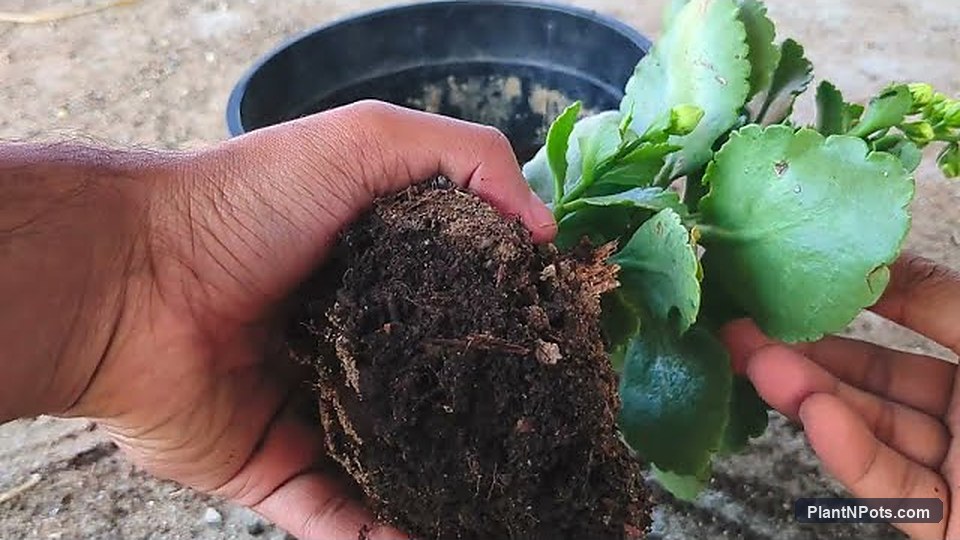
Dark, mushy, or foul-smelling roots indicate active root rot caused by overwatering. Cut away all diseased tissue using sterilized shears to prevent further spreading.
Dust any large pruning cuts with horticultural sulfur or cinnamon powder. Allow the remaining roots to dry for an hour before placing them in soil.
Discard infected potting medium entirely rather than reusing it in other containers. Pathogens linger easily in damp organic matter and will attack healthy specimens.
Trim away any black, mushy, or foul-smelling roots using sterilized shears. Dust the remaining healthy root system with fungicidal powder before planting to prevent opportunistic soil-borne pathogens from spreading rapidly.
- Examine roots closely for mushy textures.
- Sterilize pruning shears with rubbing alcohol.
- Trim away all decayed dark roots.
- Discard old contaminated potting soil safely.
Post-Repotting Care and Irrigation Best Practices
Resist the immediate urge to water your newly transplanted succulent right away. Dry handling allows broken roots to callus over and prevents fungal infections.
Wait roughly four to seven days before administering the very first deep watering. Place the container in bright, indirect light while it recovers strength.
Gradually reintroduce the plant to its preferred sunny window after one week. Ensure direct sun exposure does not scorch tender, freshly moved foliage.
Resume your normal watering routine only when the potting mix feels completely dry. Check moisture levels deep down using a wooden testing skewer.
Withhold water for the first four to seven days after transplanting to let wounds heal. Resume a strict deep watering schedule only after the soil dries completely through the profile.
- Hold off watering for a full week.
- Keep plants in bright indirect light.
- Gradually transition back to direct sun.
- Water thoroughly only when dry.
Avoiding Common Container Gardening Mistakes
One frequent error involves choosing a pot that is far too large. Excess soil retains moisture too long, leading straight to fatal root decay.
Another mistake is packing the new soil mixture down too tightly around stems. Loose, aerated placement encourages healthy oxygen exchange for underground root tissues.
Never fertilize a freshly repotted succulent during the initial recovery phase. Added chemical salts will burn tender wounded roots before they heal completely.
Ignoring environmental light requirements during recovery stalls new growth cycles. Balance adequate sun exposure with proper watering intervals for optimal plant health.
Never pack or tamp down potting mixes too tightly around succulent stems. Adequate soil porosity ensures essential oxygen reaches underground structures, supporting vigorous long-term cellular growth and vibrant blooms.
- Avoid choosing oversized permanent containers.
- Do not pack soil down excessively.
- Skip fertilizing for four weeks post-repot.
- Monitor light levels carefully daily.
Frequently Asked Questions
When should you repot a kalanchoe plant?
Always repot your thriving kalanchoe during early spring right as active seasonal growth begins across your indoor collection to maximize overall recovery speed and support future flowering cycles.
This precise timing minimizes transplant shock and allows delicate root systems to establish quickly inside fresh, nutrient-dense soil mixes without unnecessary stress.
Should you water your kalanchoe immediately after repotting?
Never water your newly transplanted succulent immediately after finishing the transfer process into its fresh container setup today.
Waiting roughly four to seven full days allows any broken root tips to callus over safely, thereby effectively preventing dangerous fungal rot infections from destroying your prized botanical specimen.
What kind of soil mix works best for container kalanchoes?
Creating a specialized fast-draining soil mixture using commercial cactus compost combined with equal parts inorganic perlite works exceptionally well for container-grown succulents.
This porous blend prevents moisture retention issues and guarantees optimal oxygen availability around fragile underground roots during every single watering cycle throughout the year.
Do kalanchoe plants actually like being rootbound?
While these resilient succulents can tolerate slight root crowding temporarily, severe congestion severely restricts water absorption and stunts overall plant development. Up-potting into a slightly larger container every couple of years restores vitality and encourages robust new growth phases.
Are kalanchoe plants considered toxic for household pets?
Yes, popular kalanchoe plants contain specific cardiac glycosides that prove toxic to curious cats and dogs if ingested in large quantities. Always keep your container plants placed safely out of reach on elevated plant stands or high shelves.

