Master the precise techniques for shifting your indoor Dracaena sanderiana into fresh containers, optimizing root health and substrate quality for long-term vitality.
Key Takeaway:
Always select a clean container with adequate drainage holes when shifting your lucky bamboo from water to soil to prevent fatal root rot.
Quick-Reference Guide
| Factor / Scenario | Recommended Target | Why It Matters |
|---|---|---|
| Substrate pH | 6.0 to 7.5 | Optimizes nutrient absorption and prevents mineral toxicity. |
| Water Quality | Filtered or distilled | Prevents fluoride and chlorine leaf tip burn. |
| Container Material | Ceramic or terracotta | Provides stability and moisture regulation for roots. |
| Repotting Frequency | Every 1 to 2 years | Refreshes depleted soil and accommodates root mass. |
| Target Temperature | 65 degrees to 90 degrees Fahrenheit | Supports active root recovery and steady foliage growth. |
| Drainage Layer | Expanded clay pebbles | Elevates roots above perched water tables in pots. |
Understanding Lucky Bamboo Anatomy and Growth Habits
Despite its common name, lucky bamboo belongs to the Dracaena sanderiana species and requires specific care to thrive indoors without showing signs of stress.
Selecting the right container matters immensely for root health, making a [best lucky bamboo plant holder](https://plantnpots.com/?p=2884) essential for supporting stable, upright growth and preventing tip-overs.
Recognizing these foundational traits ensures you intervene at the exact moment your indoor specimen outgrows its current vase or potting arrangement.
Lucky bamboo, scientifically known as Dracaena sanderiana, actually belongs to the Asparagaceae family rather than true grasses. Understanding this biological classification helps you provide the correct care during stressful transition periods.
These resilient tropical stems feature distinct nodes and internodes where latent growth buds wait to activate. When you handle root systems, respect these structural zones to prevent accidental damage during repotting procedures.
Native to central African rainforests, the plant thrives under filtered canopy light and high ambient humidity. Replicating these environmental baselines indoors ensures your newly repotted specimens recover quickly from transplant shock without dropping leaves.
- Identify true Dracaena sanderiana traits versus ornamental bamboo stalks.
- Inspect root coloration closely during every scheduled maintenance check.
- Monitor upward vertical shoot development against container stability limits.
- Observe leaf tip health for early warnings of mineral accumulation.
Evaluating Root Zone Density
Dense root webs circling the container interior signal an immediate need for expanded space to sustain steady, healthy leaf growth.
Crowded root masses eventually restrict nutrient uptake, causing lower foliage to yellow and drop prematurely across the main stalks.
- Gently slide plants from containers to assess internal root crowding.
- Measure root mass volume relative to available vessel capacity.
Essential Materials and Container Sizing for Repotting
Choosing the correct vessel prevents structural tipping while maintaining optimal moisture levels around the developing root network.
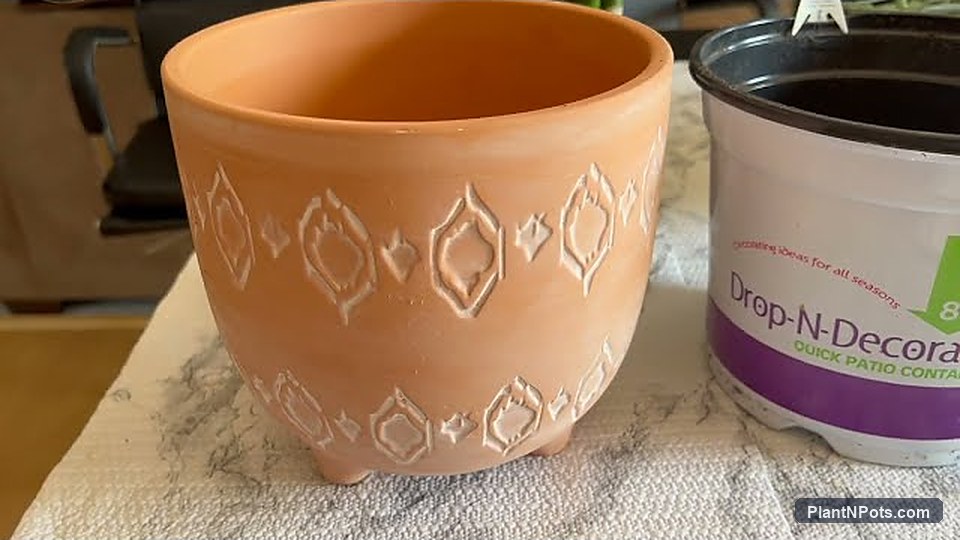
Select a pot that exceeds the current root ball diameter by only two inches to discourage excessive soil moisture retention.
Always verify that your chosen container features at least one functional drainage hole to eliminate standing water hazards completely.
Selecting the correct container requires balancing stability with drainage capacity. Choose pots with at least one bottom drainage hole to prevent water stagnation, which rapidly causes root rot in dense potting mixes.
Container diameter should only exceed the current root ball by one to two inches. Oversized pots hold excessive moisture in uncolonized soil, suffocating delicate root tips before they can establish properly.
Gather a well-draining, peat-free potting mix amended with perlite or coarse sand to ensure optimal aeration. Keep sharp pruning shears and rubbing alcohol nearby to sanitize tools before touching any living tissue.
- Prioritize planters featuring functional bottom drainage architecture.
- Select containers sized two inches wider than existing root balls.
- Gather porous potting mixes enriched with organic matter for soil culture.
- Prepare clean pruning shears sterilized with isopropyl alcohol wipes.
Substrate Selection Criteria
When moving plants from water vases to soil, utilize a well-draining, peat-based potting mix blended with perlite for aeration.
Avoid dense garden dirt that compacts easily and suffocates sensitive roots lacking sufficient oxygen exposure.
- Mix standard potting soil with coarse perlite to enhance drainage.
- Avoid field soils containing pathogens or compacted clay particles.
Video Walkthrough: Repotting my Lucky bamboo plants into soil \u0026 upgrading them to a larger pot 🌱
Transitioning from Water Culture to Soil Potting
Transitioning water-grown specimens into soil requires a gradual acclimation period to prevent sudden root shock and tissue collapse.
Water-adapted roots are structurally fragile and need gentle handling when embedded into damp, porous potting soil matrices.
Maintain high ambient humidity around the newly potted stalks during their critical first two weeks in soil cultivation.
Moving plants from vases of water to soil requires patience because water roots differ structurally from soil roots. Water roots are brittle and lack the fine root hairs necessary for extracting moisture from dense earth.
Gradually introduce soil by adding damp potting medium to the vase over two weeks, or make the switch directly while keeping the soil exceptionally moist initially. This minimizes osmotic shock for the delicate root network.
Expect some initial leaf yellowing as the plant adapts its cellular structure to absorb nutrients from solid media instead of liquid solutions. Maintain stable ambient temperatures between 65 and 80 degrees Fahrenheit.
- Rinse glass vases thoroughly before extracting water-grown stalks.
- Moisten potting soil slightly prior to anchoring the root system.
- Position stalks at the exact same depth they grew previously.
- Press soil gently around the base to eliminate large air pockets.
Handling Fragile Water Roots
Water roots lack the tough outer layers found in soil roots, making them exceptionally vulnerable to tearing during container placement.
Spread roots evenly across a small soil mound inside the new pot before filling surrounding space with substrate.
- Spread roots radially to encourage balanced structural expansion.
- Avoid forceful packing that crushes delicate root hairs.
Step-by-Step Practical Method for Fresh Soil Repotting
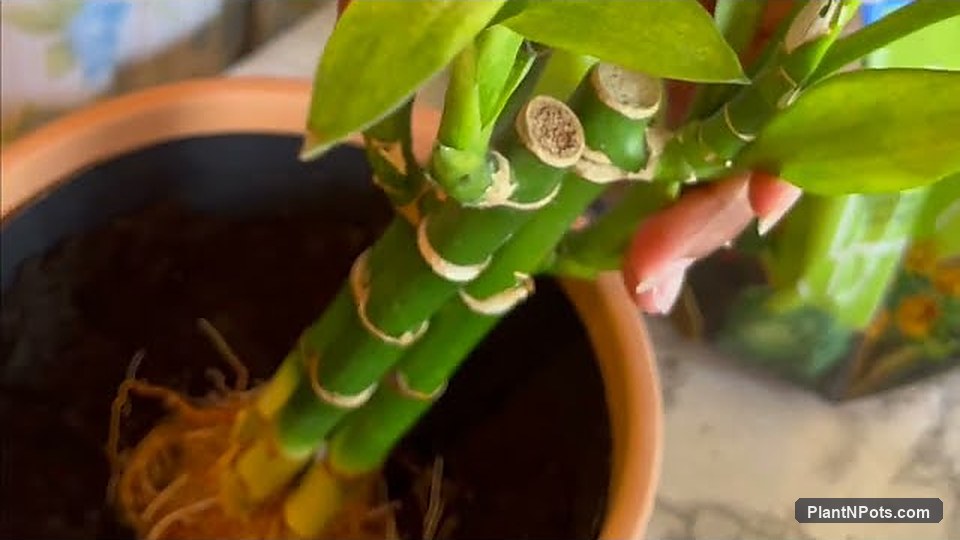
Begin the repotting process by carefully loosening your plant from its current vessel without tearing primary structural stems.
Remove old, compacted substrate from the root zone using your fingers or a gentle stream of tepid water.
Place a mesh screen over the bottom drainage hole to retain soil while allowing excess moisture to escape freely.
Begin by gently extracting the plant from its current setup and rinsing accumulated mineral deposits from the root system using lukewarm tap water. Inspect every strand carefully for signs of discoloration, mushiness, or foul odors.
Place a layer of fresh, moistened potting mix at the base of your sanitized container to establish a secure foundational planting depth. Position the stalks centrally, ensuring the bottom nodes remain buried beneath the surface.
Fill remaining gaps with soil mix, tapping the container gently to settle the medium around subterranean structures without packing it down too tightly. Proper soil compaction provides mechanical stability without crushing tender roots.
- Invert containers carefully while supporting main stems with hands.
- Wash away old debris to inspect underlying root health thoroughly.
- Layer fresh potting mix over the base drainage screen.
- Water thoroughly immediately after finishing the container transfer.
Securing Stalk Stability
Tall stalks require firm anchoring within the new potting mix to prevent leaning or toppling over before roots establish.
Add decorative stones or pebbles to the soil surface to anchor stems securely while adding an attractive aesthetic finish.
- Pack soil firmly around lower nodes without damaging bark.
- Add gravel top-dressings for extra vertical stabilization.
Root Pruning and Sanitation Protocols for Overgrown Specimens
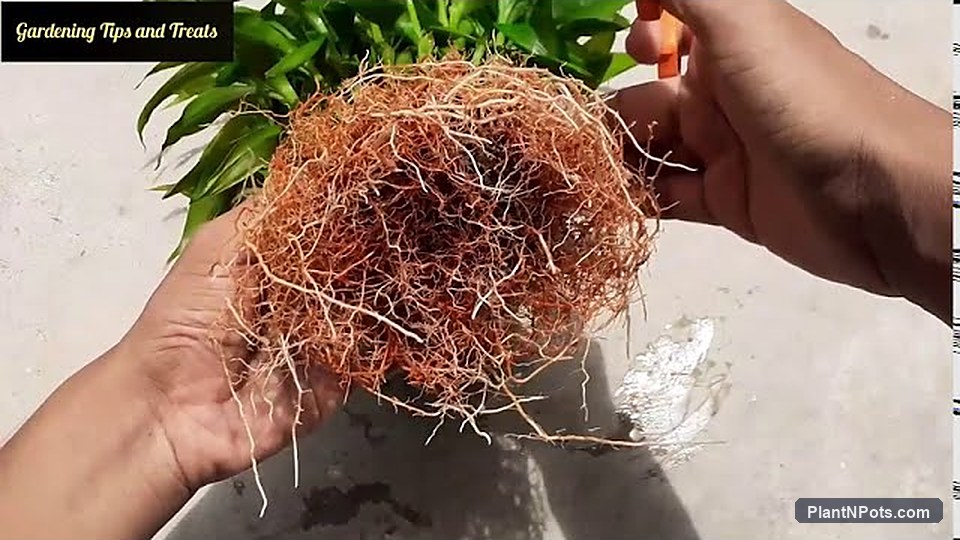
Pruning away dead, rotting, or overly long roots stimulates fresh feeder root growth and maintains a manageable plant size.
Always use sterilized cutting tools to prevent transferring bacterial pathogens into open plant wounds during maintenance.
Discard any mushy or foul-smelling roots immediately to halt the spread of localized root rot conditions.
Overgrown specimens frequently develop tangled root masses that require strategic intervention before you can place them into fresh containers. Use isopropyl alcohol to sterilize your cutting blades thoroughly before making any structural snips.
Cut away any dead, brown, or mushy roots entirely, leaving only firm, light-colored tissue to support future vegetative growth. Pruning away roughly one-third of the mass encourages vigorous branching and nutrient uptake.
Dust major pruning cuts with horticultural charcoal powder to create a protective barrier against soil-borne pathogens and fungal infections. Good sanitation protocols prevent opportunistic microbes from invading stressed vascular tissues.
- Sanitize shears with alcohol before every individual cut.
- Trim back dead root tips to encourage vigorous side branching.
- Limit total root removal to one-third of the mass per session.
- Dust cut surfaces with cinnamon powder as a natural fungicide.
Managing Severe Root Rot
Cut away all decayed tissue until you expose healthy, firm inner root material showing vibrant red or orange coloration.
Soak remaining healthy roots in a mild hydrogen peroxide solution to sterilize surfaces before replanting.
- Cut past rotting zones into clean, healthy tissue areas.
- Rinse sterilized roots with clean, room-temperature water.
Post-Repotting Watering, Drainage, and Acclimation Guidelines
Water your newly potted lucky bamboo thoroughly until moisture drains freely from the bottom of the container.
Empty collection saucers promptly to prevent standing water from re-entering the pot and triggering fresh root rot.
Keep the plant in bright, indirect light while it recovers from the transplanting process over the next month.
Immediately after repotting, water the soil thoroughly until excess liquid drains freely from the bottom of your container. This crucial step eliminates air pockets and settles the fresh potting medium securely around roots.
Empty excess water promptly to prevent root rot, ensuring your setup matches a reliable [topsy turvy strawberry planter](https://plantnpots.com/?p=1827) design for ideal moisture control.
Keep the newly potted plant out of direct sunlight for the first ten days to help it recover safely from structural stress. Providing bright, indirect light accelerates root regeneration without scorching foliage.
- Drench soil completely to settle particles around new roots.
- Empty saucers within ten minutes of completion.
- Shield plants from harsh direct sunlight during recovery.
- Withhold commercial fertilizers for at least six weeks post-repot.
Monitoring Environmental Stress
Watch for sudden yellowing leaves or wilting stems, which indicate transplant shock or improper moisture management.
Adjust indoor placement if ambient drafts or extreme temperature swings slow down the plant recovery period.
- Check soil moisture levels daily using a finger test.
- Relocate plants away from drafty windows or heating vents.
Preventing Common Failures and Managing Container Health
Fluoride sensitivity often causes brown leaf margins, making filtered or distilled water essential for long-term health.
Flush soil every few months with pure water to dissolve built-up mineral salts from tap water applications.
Clean container exterior surfaces regularly to maintain a pristine aesthetic and prevent pest infestations in indoor spaces.
Fluoride and chlorine in tap water frequently cause leaf tip burn and brown margins on sensitive Dracaena leaves. Switch to filtered or rainwater to maintain pristine foliage and prevent chemical toxicity buildup over time.
Inspect container drainage holes periodically to ensure salt deposits or compacted soil do not block outgoing moisture flow. Maintaining clear drainage pathways protects your plant against chronic overwatering and fungal outbreaks.
Avoid fertilizing newly repotted specimens for two months. If you grow trailing varieties like a [string of pearls hanging basket](https://plantnpots.com/?p=4662), gentle feeding prevents nutrient burn.
- Use fluoride-free water sources to prevent tip necrosis.
- Flush accumulated mineral salts from potting soil regularly.
- Inspect lower stems frequently for signs of scale insects.
- Repot every two years to replenish depleted soil nutrients.
Recognizing Nutrient Deficiencies
Pale yellow foliage often points toward nitrogen deficiency in established soil-grown specimens requiring balanced feeding.
Apply a diluted liquid houseplant fertilizer during active spring and summer growing seasons to sustain vibrant color.
- Feed monthly with half-strength balanced liquid fertilizer.
- Cease all fertilization completely during the dormant winter months.
Frequently Asked Questions
Can lucky bamboo grow permanently in soil instead of water?
Yes, lucky bamboo thrives exceptionally well when potted in well-draining soil mixes. Provide a container with drainage holes and keep the substrate consistently moist.
How often should I repot my indoor lucky bamboo plant?
Repot your specimen every one to two years during the spring season. This schedule refreshes depleted nutrients and accommodates expanding root systems safely.
Why are the roots of my lucky bamboo turning black?
Black or dark brown roots indicate severe root rot caused by overwatering or stagnant container conditions. Trim away damaged sections immediately with sterilized shears.
What type of water should I use after repotting?
Always use filtered, distilled, or rainwater to prevent leaf tip burn. Tap water often contains fluoride and chlorine that damage sensitive Dracaena foliage.
Should I fertilize my plant immediately after repotting?
No, withhold all fertilizers for at least six weeks after repotting. Fresh potting soil contains ample nutrients, and added chemicals can burn recovering roots.

