Learn how to repot a lemon tree using proper techniques, suitable containers, and specialized soil mixes to ensure vigorous long-term growth and fruit production.
Key Takeaway:
Always repot your container citrus during the early spring transition using a fast-draining potting mix and a container that is only two inches wider than the previous one.
Quick-Reference Guide
| Factor / Scenario | Recommended Target | Why It Matters |
|---|---|---|
| Optimal Timing | Early Spring | Minimizes shock before active growth. |
| Pot Sizing | Plus Two Inches | Prevents excessive soil moisture retention. |
| Soil pH Range | 6.0 to 6.5 | Ensures maximum nutrient absorption. |
| Root Pruning Limit | Under 20% | Protects structural stability. |
| Post-Feed Delay | 4 to 6 Weeks | Protects sensitive recovering roots. |
| Drainage Need | Essential Holes | Stops waterlogging and root rot. |
Determining the Optimal Timing and Container Size
Repotting container citrus requires precise timing to minimize transplant shock. Plan your project for early spring just as new flush growth begins to emerge across the canopy.
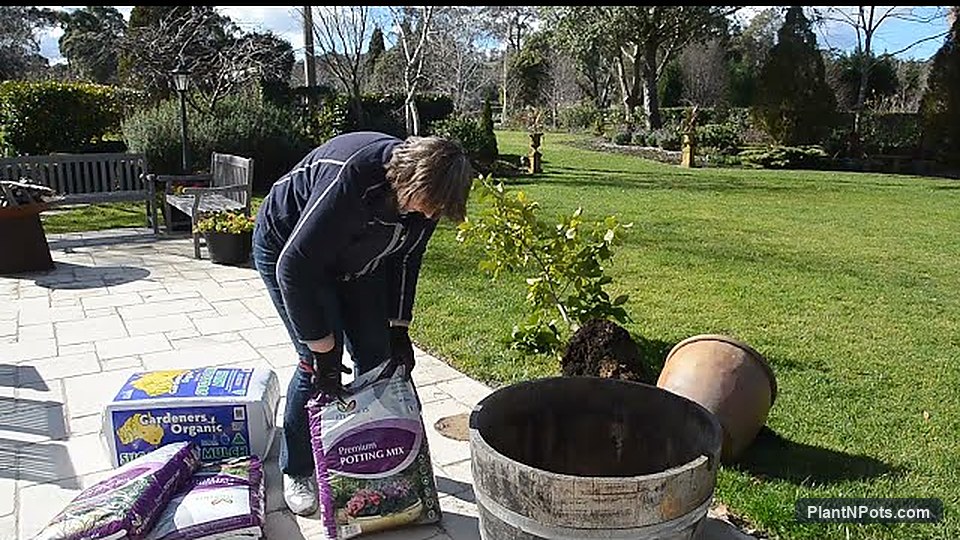
Selecting the correct container size prevents root rot and soil compaction issues. Choose a pot that is only two inches larger in diameter than your current root ball.
Oversized pots retain excessive moisture around delicate root systems. Similar moisture management principles apply when you review the [best poinsettia in pots outside selections](https://plantnpots.com/?p=6160) for your patio garden setup.
Ensure your chosen planter features at least one drainage hole at the base. Adequate water escape routes are non-negotiable for keeping container-grown lemon trees healthy year-round.
- Check for circling roots exiting bottom drainage holes.
- Avoid repotting during heavy winter dormancy periods.
- Measure container diameter accurately before purchasing replacements.
- Inspect material weight for structural stability.
Evaluating Container Materials
Terracotta containers offer superior breathability and allow moisture to evaporate rapidly through porous clay walls. This characteristic helps prevent chronic overwatering mistakes among novice citrus growers.
Plastic or fiberglass planters retain internal moisture much longer than traditional clay vessels. Factor local ambient humidity levels into your material decision to maintain proper soil moisture balances.
- Soak unglazed terracotta pots before planting.
- Secure heavy plastic bases against tipping.
Selecting the Proper Soil Mix and Drainage Materials
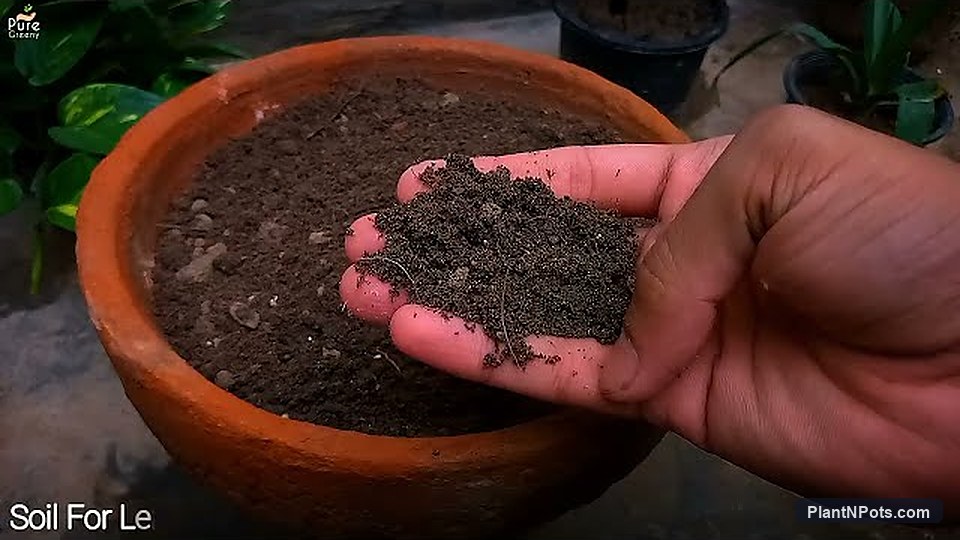
Lemon trees demand exceptionally fast-draining soil mixes to thrive in containers. Standard garden dirt packs down tightly and suffocates roots, making a specialized citrus potting mix mandatory.
Create a custom blend by combining standard potting soil with coarse perlite and orchid bark. This formulation ensures optimal aeration and prevents heavy water retention around the roots.
Avoid placing heavy gravel layers at the bottom of your container. Perched water tables actually form higher up when distinct soil textures meet inside closed planter spaces.
Instead of gravel, cover large bottom drainage holes with porous mesh screens. These screens keep soil inside while allowing excess irrigation water to escape freely without obstruction.
- Mix organic compost for slow nutrient release.
- Sterilize reused soil ingredients thoroughly.
- Test drainage rates before adding plants.
- Store extra soil in sealed storage bins.
Adjusting Soil pH Levels
Citrus plants prefer slightly acidic soil conditions ranging from 6.0 to 6.5. Test your soil pH regularly using a reliable kit to ensure optimal nutrient absorption.
Incorporate elemental sulfur or peat moss if your local tap water runs alkaline. Consistent pH management prevents iron chlorosis and keeps foliage vibrant green.
- Flush soil annually to remove salt buildups.
- Monitor leaf yellowing as an early pH warning.
Video Walkthrough: How to Repot a Meyer Lemon Tree |Plus Organic Care Tips|
Safely Extracting Your Citrus from the Old Pot
Begin extraction by gently sliding a flexible knife around the interior pot wall. This action breaks suction and loosens soil boundaries without damaging structural root systems.
Tilt the container sideways while securely grasping the main trunk near the soil line. Tap the outer pot rim firmly against a soft surface to ease the root ball out.
Never yank aggressively on the central trunk during extraction. Review details on the [best pot for golden pothos](https://plantnpots.com/?p=4180) to understand how proper sizing protects fragile root systems.
If the root ball remains completely stuck, cut away old plastic containers carefully. Preserving delicate feeder roots takes priority over saving older, degraded nursery pots from destruction.
- Water the plant lightly the day before.
- Enlist a helper for large heavy specimens.
- Wear thick gloves to avoid thorns.
- Inspect container walls for hidden cracks.
Dealing with Severely Bound Roots
Severely root-bound lemon trees require gentle teasing to untangle circling fibrous networks. Use your fingers to loosen outer roots and encourage outward directional growth patterns.
Make four vertical shallow scores down the outer root mass using a clean blade. This technique interrupts circling roots and stimulates fresh new feeder root development.
- Sanitize cutting blades with rubbing alcohol.
- Rinse heavy clay buildup with gentle water spray.
Root Pruning and Inspecting for Health Issues
Inspect exposed roots carefully for signs of disease, rot, or pest damage. Healthy feeder roots appear light-colored and firm, whereas decaying roots feel mushy and smell sour.
Use sterilized shears to trim away any dead, damaged, or circling roots cleanly. Clean cuts heal rapidly and prevent fungal pathogens from entering vulnerable plant tissues.
Pruning dense root structures also helps manage overall tree size in restricted spaces. Balance heavy top canopy growth with moderate root reductions during your repotting session.
Apply a mild organic rooting hormone to freshly pruned surfaces if desired. This step accelerates recovery and encourages rapid generation of robust new feeder roots.
- Sterilize pruning tools between cuts.
- Discard diseased root fragments immediately.
- Check root crown for collar rot.
- Avoid removing more than twenty percent of roots.
Managing Girdling Root Systems
Girdling roots wrap tightly around the main stem and eventually choke vascular tissues. Completely remove these destructive circular roots to restore normal nutrient flow upward.
Expose the root flare at the top of the root ball to prevent future choking. Correct planting depth ensures long-term vitality for container citrus specimens.
- Keep root crown above soil line.
- Check for hidden graft unions.
Positioning and Backfilling Your Lemon Tree Correctly
Add a foundational layer of fresh potting mix to the bottom of your new container. Tamp the soil lightly to create a stable base for the root ball.
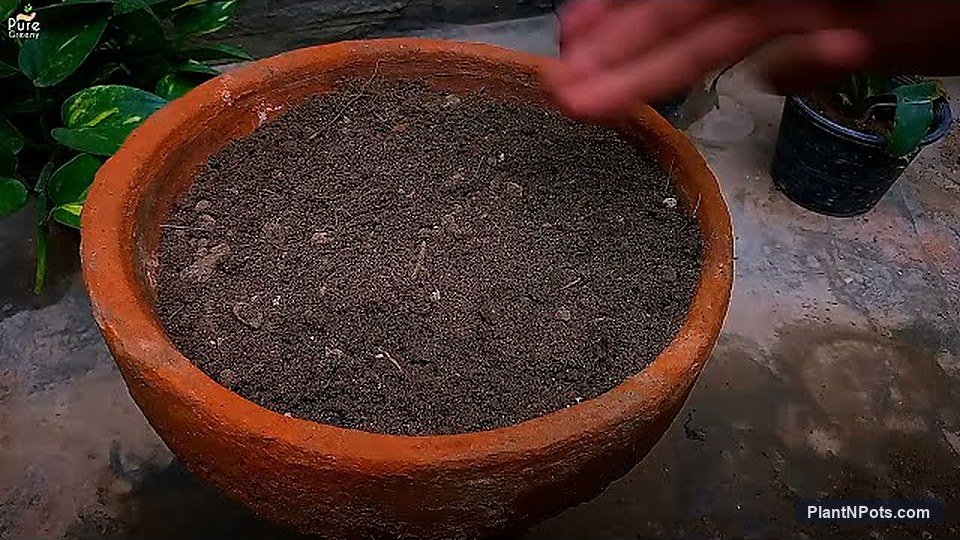
Center your citrus specimen carefully over the soil base. When selecting hardware, consult the [best planter for lemon tree options](https://plantnpots.com/?p=4440) to guarantee proper drainage and root space.
Fill surrounding gaps with your prepared soil mix while pressing down gently. Eliminate large air pockets around the roots by settling the soil with moderate hand pressure.
Check the trunk alignment from multiple angles to ensure the tree stands perfectly upright. Adjust soil levels beneath the root ball before finalizing your backfill process.
- Keep graft union well above soil.
- Leave headspace for watering.
- Tamp soil firmly without crushing roots.
- Center the canopy for aesthetic balance.
Settling Soil Without Air Pockets
Tap the exterior container sides gently to settle soil particles naturally into place. This eliminates hidden air pockets that can dry out delicate feeder roots prematurely.
Add supplementary potting mix if the soil level drops significantly after initial settling. Maintaining proper soil volume around the root ball prevents future structural leaning.
- Avoid heavy stomping on container soil.
- Check level after first deep watering.
Video Walkthrough: Repotting Lemon Tree – How To RePot A Lemon Tree?
Post-Repotting Watering and Immediate Aftercare Steps
Water your newly repotted lemon tree thoroughly until moisture runs from drainage holes. This deep irrigation settles soil particles and rehydrates stressed root systems effectively.
Place your container in a protected, shaded location for the first week. Shielding the plant from harsh direct sunlight reduces moisture stress during the critical recovery phase.
Withhold all granular and liquid fertilizers for at least four to six weeks. Fresh potting mix contains ample nutrients, and fertilizer salts can burn recovering roots.
Monitor surface soil moisture daily by inserting your finger two inches deep. Resume your normal watering schedule only when this top soil layer feels dry to touch.
- Empty saucers after watering.
- Protect from strong winds outdoors.
- Watch for sudden leaf drop.
- Resume normal sunlight exposure gradually.
Monitoring for Transplant Shock Symptoms
Mild leaf drop is completely normal following a major container transfer. Do not panic if your citrus sheds a few older leaves during the initial adjustment week.
Severe wilting or crispy brown leaf margins indicate excessive root damage or dehydration. Move the plant into higher humidity conditions if severe transplant shock symptoms appear.
- Mist canopy to reduce transpiration.
- Inspect stems for new green shoots.
Troubleshooting Common Transplant Shock Symptoms
Identify transplant shock early by watching for sudden yellowing or drooping foliage. Address environmental stressors immediately to help your lemon tree stabilize its root system safely.
Avoid overcompensating with heavy watering if drooping occurs without dry soil. Excess moisture suffocates compromised roots and turns minor transplant stress into fatal root rot.
Mist the foliage gently during dry afternoons to reduce moisture loss through transpiration. High ambient humidity helps stressed trees conserve vital cellular water until roots recover.
Prune away severely damaged branches if canopy dieback begins to spread inward. Directing remaining energy toward healthy wood saves the overall structural integrity of your citrus.
- Check drainage holes for clogs.
- Maintain stable indoor temperatures.
- Avoid sudden location shifts.
- Monitor soil moisture with a meter.
Long-Term Maintenance and Recovery
Resume normal feeding schedules once new vegetative growth becomes clearly visible. Use a balanced citrus-specific fertilizer to support active spring and summer canopy development.
Inspect container drainage regularly to prevent accidental waterlogging during heavy seasonal rains. Consistent long-term care guarantees decades of vibrant growth and abundant homegrown harvests.
- Clean dust from leaves monthly.
- Prune sucker growth promptly.
Frequently Asked Questions
When is the absolute best time to repot a mature potted lemon tree?
Always schedule your container citrus maintenance during early spring just before new vegetative flush emerges, because this timing allows the damaged root system to recover rapidly before warm summer weather arrives across your region.
How much larger should my replacement lemon tree container be?
Always select a new planter that measures only two inches wider in diameter than your previous vessel, because moving up too quickly invites chronic soil moisture retention and fatal root rot issues.
What specific soil type works best for growing container citrus trees?
Lemon trees require a specialized, fast-draining citrus potting mix formulated with coarse perlite and bark, because standard garden dirt packs down too tightly and quickly suffocates delicate feeder roots.
Should I fertilize my lemon tree immediately after completing a repotting project?
Never apply any fertilizers for at least four to six weeks after a container transfer. Fresh potting soil contains plenty of nutrients, and concentrated salts can severely burn recovering roots.
Why are some leaves dropping off my lemon tree after repotting?
Mild leaf drop is a normal reaction to transplant shock as the plant adjusts. Keep the soil moderately moist and protect it from harsh direct sunlight until recovery occurs.

