Protect your container garden from foraging wildlife. These practical, material-based strategies stop digging safely.
Key Takeaway:
Install hardware cloth barriers across the soil surface to physically block squirrels from digging. Secure the edges firmly with landscape staples.
Quick-Reference Guide
| Factor / Scenario | Recommended Target | Why It Matters |
|---|---|---|
| Wire Mesh Size | 1/2 inch grid | Blocks paws completely |
| Rock Diameter | 2+ inches minimum | Prevents easy displacement |
| Cayenne Application | Weekly reapplication | Maintains pungent barrier |
| Hanging Clearance | 4 feet minimum | Stops vertical leaping |
| Skewer Spacing | 2 inches apart | Creates dense deterrent |
| Storage Standard | Sealed containers | Removes food attractants |
Understanding Squirrel Behavior in Container Gardens
Squirrels view potted plants as ideal caching sites for winter acorns. Fresh potting mix offers soft, easy excavation compared to compacted ground soil.
Container gardeners often notice missing bulbs and scattered root systems during autumn months. Recognizing these foraging patterns helps you deploy targeted, timely preventative measures.
Urban and suburban wildlife adapts quickly to human environments, testing standard garden deterrents. Consistent application of physical barriers usually breaks their persistent neighborhood habits.
Female squirrels scout hidden containers while preparing nesting sites in early spring. Protecting vulnerable seedlings now prevents extensive root destruction and lost growing seasons.
- Identify peak hoarding seasons in early autumn and spring.
- Monitor containers daily for initial signs of surface disturbance.
- Recognize that soft potting soils attract burrowing rodents.
- Understand urban wildlife adaptability requires multi-layered defenses.
Recognizing Early Signs of Foraging Damage
Early detection stops wildlife from establishing permanent feeding habits on your patio. Look for displaced mulch, scattered soil granules, and small conical digging craters.
Inspect newly planted bulbs immediately after installation to catch disturbance before roots form. Prompt intervention prevents total plant loss in decorative pots.
- Check pot surfaces for fresh claw marks.
- Look for tossed organic mulch around patio pavers.
Installing Effective Physical Barriers on Pot Surfaces
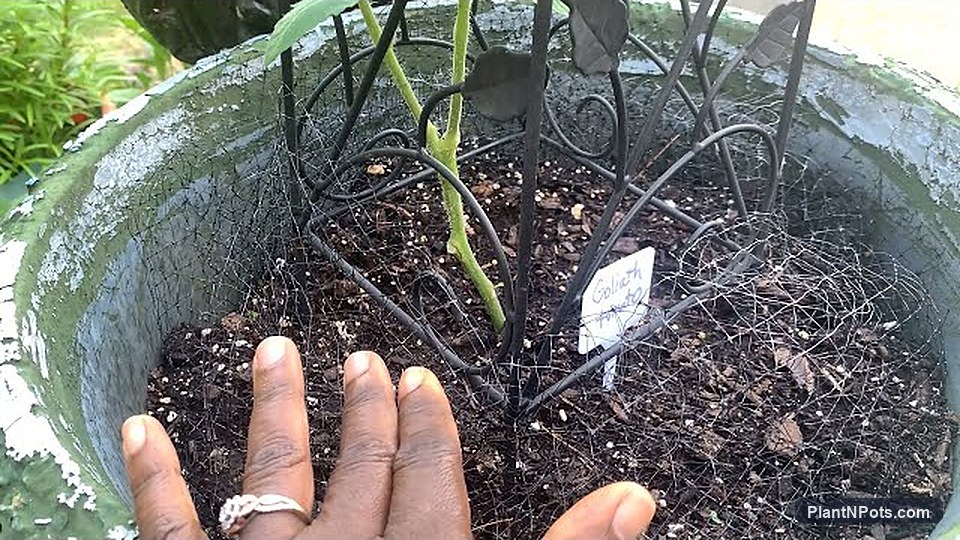
Physical exclusion remains the single most reliable method for protecting container soil. Simple hardware cloth cutouts block access while allowing vital water penetration.
Measure your pot diameter and cut a circle of galvanized wire mesh to fit snugly. Snip a center hole for the main stem and slit the edges to slide around foliage.
Large decorative stones or heavy river rocks also discourage casual digging attempts. Ensure rocks are at least two inches in diameter so squirrels cannot easily flip them aside.
Plastic poultry netting offers a lightweight alternative for large patio containers. Secure the netting edges tightly beneath the pot rim using durable twine or rubber banding.
- Use 1/2-inch wire mesh for optimal exclusion results.
- Cut custom circles to fit inside container rims perfectly.
- Weigh down corners with heavy decorative stones.
- Ensure drainage holes remain completely unobstructed below.
Using Wooden Skewers and Garden Forks
Pointed wooden skewers stuck upward into the soil create an unwelcome barrier. Space them evenly about two inches apart across all exposed potting mix.
Plastic garden forks pushed handle-first into the soil achieve similar deterrent results. Squirrels dislike stepping on unexpected sharp objects while attempting to excavate.
- Push skewers deep into soil for stability.
- Arrange forks in concentric rings around stems.
Video Walkthrough: STOP Squirrels From Destroying Your Garden – The Only Way That Works
Applying Natural Smell and Taste Deterrents Safely
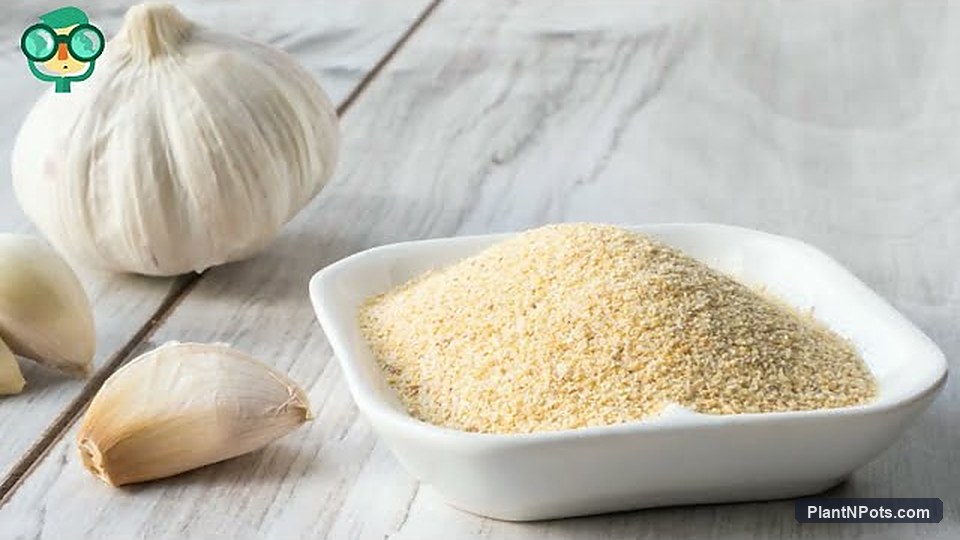
Olfactory deterrents exploit the sensitive noses of local urban wildlife populations. Strong aromatic compounds mask the scent of organic fertilizers and damp potting soil.
Cayenne pepper mixed into water creates a fiery spray for container rims. Reapply this spicy botanical solution weekly, especially after heavy rain events wash away active compounds.
Essential oils like peppermint or eucalyptus overwhelm rodent olfactory receptors effectively. Soak cotton balls in oil and place them discreetly beneath container foliage.
Avoid using fish emulsion fertilizers if local wildlife populations are high. The rich organic aroma attracts foraging mammals from remarkable distances across suburban neighborhoods.
- Mix pure cayenne powder with mild liquid dish soap.
- Refresh scent-soaked cotton balls after rainstorms.
- Avoid sweet or fish-based liquid fertilizers outdoors.
- Test botanical sprays on single leaves before broad application.
Mixing Homemade Garlic and Pepper Sprays
Crushed garlic cloves blended with hot peppers produce an intense repellent liquid. Strain the mixture thoroughly before loading it into a clean garden sprayer.
Apply the pungent liquid directly to pot rims and soil surfaces. Reapplication is mandatory after any significant watering session or rainfall.
- Strain pulp to prevent garden sprayer clogs.
- Wear protective gloves during preparation stages.
Selecting Repellent Companion Plants for Planters
Integrating pungent herbs into large mixed planters provides dual aesthetic and protective benefits. Strong scents disorient foraging rodents without harming your primary ornamental specimens.
When comparing gear and setup options, our [best making planters out of](https://plantnpots.com/?p=7011) breaks down key materials, sizing, and durability trade-offs.
Marigolds release distinct chemical compounds that many garden pests actively avoid. Plant dwarf varieties around the perimeter of larger shrubs to establish natural green borders.
Ornamental alliums add striking architectural height while repelling unwanted digging animals successfully. Their pungent sulfur compounds deter mammals from disturbing surrounding container soil beds.
Mint species grow vigorously in pots and emit powerful aromatic oils continuously. Always cultivate mint in pots to prevent invasive root runners from overwhelming other plants.
- Pair marigolds with vulnerable vegetable container crops.
- Use container-bound mint for perimeter protection.
- Select strong-scented herbs like rosemary and thyme.
- Keep companion foliage trimmed away from pot edges.
Elevating Containers and Restricting Vertical Access
Relocating vulnerable pots out of jumping range reduces unwanted wildlife visits significantly. Place prized plants on tall plant stands situated away from fences and overhanging tree branches.
Hang lightweight containers from sturdy ceiling hooks using heavy-duty metal chains. Ensure hanging baskets maintain at least four feet of clearance from surrounding ledges.
Smooth metal poles prevent climbing mammals from scaling balcony railing setups. Wrap exposed wooden deck posts with slick aluminum flashing to eliminate paw traction.
Group valuable potted specimens closely together on open patios or paved courtyards. Dense grouping limits open perimeter access and discourages casual foraging behavior entirely.
- Install tall metal plant stands on paved surfaces.
- Maintain four-foot jump zones around hanging baskets.
- Wrap slippery aluminum flashing around wooden posts.
- Cluster pots together to eliminate landing zones.
Video Walkthrough: How to Keep the Squirrels out of your Containers
Modifying Soil Textures and Drainage Layers
Modifying the top layer of container soil alters the tactile experience for digging animals. Layering coarse materials over soft compost stops excavation attempts immediately.
Apply a thick layer of crushed pinecones or thorny pruned rose stems. Squirrels dislike the prickly texture pressing against their sensitive paws during initial scouting.
Mix gritty horticultural sand and sharp perlite heavily into upper soil zones. This abrasive consistency ruins the comfortable digging sensation rodents seek for caching items.
Avoid using fine, sterile peat moss as a top dressing on outdoor pots. Fine-grained mixes mimic soft earth, inviting immediate attention from foraging garden wildlife.
- Top-dress pots with prickly pinecones or twigs.
- Incorporate sharp horticultural grit into mixes.
- Avoid using exposed soft peat moss layers.
- Layer coarse gravel over rich organic compost.
Implementing Motion-Activated and Visual Scare Tactics
Temporary visual deterrents startle curious animals before they damage root systems. Shiny metallic objects hung near containers catch sunlight and create unpredictable movement patterns.
Motion-activated water sprinklers offer a highly effective humane deterrent for larger yards. The sudden burst of water startles foraging mammals, teaching them to avoid the zone.
Hang old compact discs or reflective Mylar ribbons from nearby structural overhangs. Moving reflections mimic the predatory glance of large hawks hunting across open spaces.
Rotate visual scare items every few days so local wildlife grows accustomed. Animals quickly ignore stationary objects left untouched in identical garden locations for weeks.
- Hang reflective Mylar tape near vulnerable containers.
- Position motion-activated sprinklers around patio perimeters.
- Rotate scare tactics weekly to maintain novelty.
- Use realistic predator decoys sparingly on decks.
Establishing Long-Term Container Maintenance Routines
Consistent garden maintenance prevents recurring wildlife problems throughout the changing seasons. Clear fallen nuts, seeds, and dropped fruit from patio surfaces immediately after harvesting.
Store open bags of potting mix and organic fertilizers inside sealed plastic containers. Unsecured storage sheds invite foraging mammals directly into your immediate garden workspace.
Inspect physical wire mesh barriers monthly for rust, gaps, or loose fasteners. Prompt repairs maintain total exclusion integrity before autumn hoarding behavior reaches peak intensity.
Combine multiple deterrent strategies simultaneously for the most reliable long-term protection results. Layering physical barriers with scent repellents creates an impenetrable defense network.
- Clear fallen fruits and seeds from patio floors.
- Store bulk soil mixes in sealed plastic bins.
- Inspect wire mesh covers during monthly maintenance.
- Combine physical and scent deterrents for success.
Frequently Asked Questions
Will cayenne pepper harm my potted plants?
Applying moderate amounts of pure cayenne pepper will never harm your container plants or disrupt essential soil chemistry balance across delicate seasonal growing cycles.
You must thoroughly reapply this natural spicy deterrent weekly after heavy rainfall events to maintain strong protection against persistent foraging wildlife.
What is the absolute best way to stop squirrels from digging?
Installing custom-cut galvanized wire mesh directly over the container soil surface provides the most reliable physical protection available. This material blocks all paw access completely while allowing water and nutrients to reach roots.
Do plastic forks actually deter garden wildlife?
Pushing plastic garden forks handle-first into potting mix creates an effective prickly barrier that startles digging animals. Squirrels dislike encountering unexpected sharp points when attempting to excavate your fresh garden soil.
Why do squirrels target my container plants specifically?
Container soils are loose, soft, and easy to dig compared to compacted native ground earth in surrounding landscapes. Foraging rodents also recognize pots as secure places to bury and hide winter food caches.
How high should I elevate my pots to stop squirrels?
Positioning your containers on stands at least four feet high prevents most vertical jumping access from nearby ground surfaces. Always ensure no fences or tree branches remain within leaping distance of the elevated pots.

