Discover professional strategies to identify, treat, and prevent pesky insects in your indoor containers. These time-tested methods restore plant health safely.
Key Takeaway:
Successful control requires letting soil dry out completely between waterings to starve developing larvae. Combine this fundamental cultural shift with biological controls for permanent eradication.
Quick-Reference Guide
| Factor / Scenario | Recommended Target | Why It Matters |
|---|---|---|
| Soil Moisture | Top 2-3 inches dry | Prevents larva survival |
| Sticky Traps | Yellow cards near soil | Catches adult flyers |
| BTI Treatment | Weekly watering cycle | Kills hidden larvae |
| Drainage Check | Clear drainage holes | Stops standing water |
| Gravel Layer | Remove completely | Increases humidity pockets |
| Repotting | Fresh sterile substrate | Resets heavy infestations |
Identifying the Pests Lurking in Your Container Soil
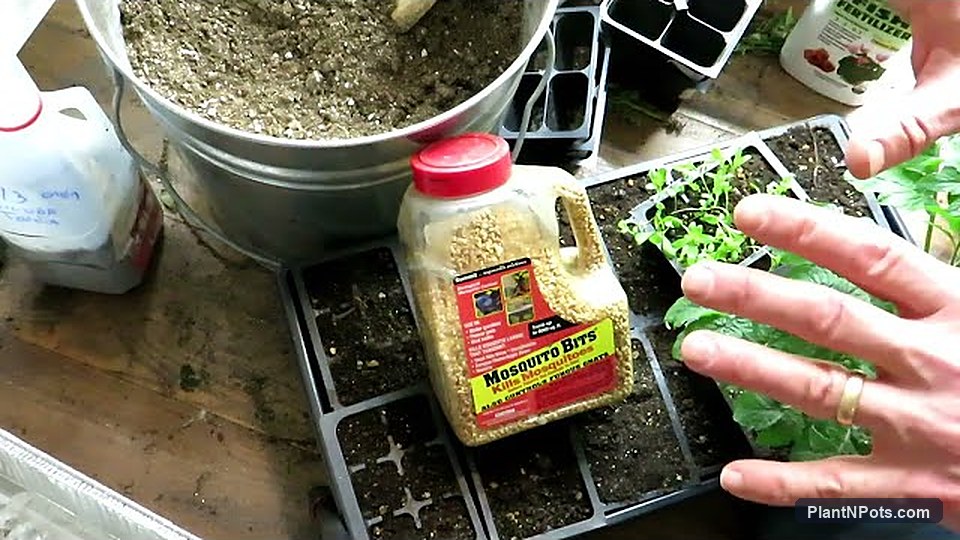
Finding tiny flying insects around your houseplants is frustrating. These annoying bugs are usually fungus gnats rather than fruit flies, thriving in damp organic potting media.
Adult fungus gnats possess fragile bodies and long legs. They flutter weakly near the soil surface rather than flying across rooms like standard fruit pests do.
While adults do not harm established plant foliage, their subterranean larvae feed on delicate root hairs. This underground feeding stunts growth and weakens overall vitality.
Inspecting your plants regularly helps catch infestations early. Look closely at the soil surface right after watering when active larvae and adults emerge.
Fungus gnat larvae thrive in damp, organic-rich potting mixes where they feed on decaying matter and fine roots. Adult gnats are weak flyers measuring roughly two to three millimeters in length.
You can easily distinguish fungus gnats from drain flies or fruit flies by observing their erratic flight patterns. They prefer crawling across the soil surface rather than flying across rooms.
Inspecting your container closely requires looking directly at the top two inches of substrate under bright lighting. Look closely for tiny translucent larvae featuring shiny black heads moving sluggishly.
Misidentifying these pests can lead to improper treatment choices that fail to eradicate the root cause. Differentiating them ensures you apply targeted soil treatments instead of general room sprays.
- Check for weak, erratic flight patterns near pots.
- Examine lower stems and topsoil for movement.
- Distinguish from fruit flies by habitat preferences.
Recognizing Larval Damage Beneath the Surface
The real agricultural damage happens hidden deep beneath the soil line. Hungry larvae chew through fine roots, reducing essential nutrient uptake significantly.
Severe root damage manifests as sudden yellowing leaves and unexpected wilting. Always check soil conditions before assuming your plant needs more water.
- Inspect root balls during routine maintenance.
- Look for stunted shoot growth on indoor specimens.
Root Causes Behind Persistent Indoor Container Infestations
Switching to a reliable self-watering container helps regulate moisture levels. This prevents excess dampness while keeping your root systems safely hydrated without risking root rot.
Overwatering remains the primary culprit behind severe indoor pest explosions. When potting soil stays perpetually saturated, female pests readily deposit numerous eggs inside.
Poor container drainage compounds moisture retention issues drastically. If excess water pools continuously in saucers, potting soil remains wet from the bottom up.
Bringing outdoor plants inside during autumn often introduces these resilient insects. Always quarantine new green additions before placing them near established houseplants.
Overwatering remains the single greatest contributor to persistent indoor fungus gnat infestations across residential homes. Keeping potting soil perpetually saturated creates an ideal breeding environment for developing pests.
Poor container drainage compounds moisture retention issues by trapping excess water at the root zone. Ensure your planters feature adequate drainage holes to prevent water from pooling underneath.
Low-quality commercial potting mixes often contain unsterilized compost loaded with organic debris and dormant insect eggs. Purchasing heat-sterilized soil components dramatically reduces your initial introduction risk.
Indoor humidity and warm room temperatures accelerate the lifecycle of fungus gnats significantly. Adult females can complete an entire reproductive cycle in roughly three weeks under normal conditions.
- Avoid letting pots sit in standing saucer water.
- Choose airy potting mixes with perlite or bark.
- Quarantine outdoor plants before indoor placement.
Video Walkthrough: How to get rid of gnats in flower pots?!
The Power of Strategic Moisture Control and Drying Out
Allowing the top two to three inches of soil to dry completely breaks their life cycle. Without moisture, developing eggs and larvae quickly dehydrate and perish.
Utilizing our favorite large self-watering planters simplifies this task significantly. These vessels provide consistent deep hydration while protecting upper soil layers from becoming overly saturated.
Adjust your watering frequency according to seasonal temperature shifts. Indoor plants require significantly less moisture during darker winter months than during active summer growth.
Never rely on fixed watering schedules for container gardening. Always test soil dryness manually using your finger before adding any fresh moisture.
Allowing the top two to three inches of potting mix to dry completely disrupts the gnat lifecycle. Young larvae cannot survive without continuous soil moisture near the surface.
Check soil dryness accurately by inserting your finger deep into the pot before adding fresh water. Implement a rigorous watering schedule tied strictly to measured moisture levels.
Bottom watering provides an effective alternative by delivering moisture directly to deep roots while keeping surfaces dry. This technique eliminates the surface dampness that attracts egg-laying adult insects.
Increasing indoor air circulation using oscillating fans helps evaporate excess surface moisture much faster. Proper airflow creates an inhospitable environment for fragile adult gnats trying to land.
- Let topsoil dry thoroughly between watering sessions.
- Use weight checks to evaluate container moisture levels.
- Reduce watering frequency during cool winter seasons.
Deploying Sticky Traps to Capture Flying Adult Insects
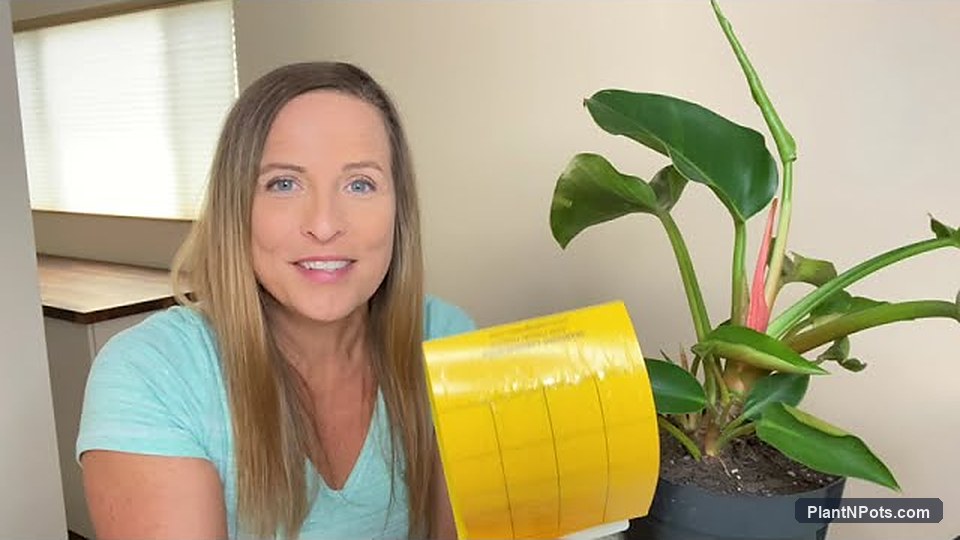
Yellow sticky cards act as vital monitoring tools and physical elimination devices. Adult insects are naturally drawn to the bright yellow color spectrum.
Insert these adhesive traps directly into the container potting soil surface. Position them vertically so flying pests collide with the sticky coating easily.
While sticky traps do not kill subterranean larvae, catching adults stops future reproduction. This drastically reduces overall population numbers within a few days.
Replace spent cards whenever they become covered with dust or trapped bugs. Consistent monitoring ensures you catch emerging generations before they reproduce.
Yellow sticky cards utilize specific light wavelengths to attract flying fungus gnats effectively. Place these traps vertically just above the soil surface line for maximum catch rates.
While traps reduce flying populations rapidly, they do not eliminate subterranean larvae eating roots. Combine sticky cards with larval control methods to break the reproductive cycle completely.
Replace your yellow cards every few weeks or whenever surfaces become covered with dust and debris. Clean placement ensures the adhesive remains tacky enough to hold insects securely.
Position multiple cards across large plant collections to intercept pests moving between neighboring containers. Monitoring catches helps you evaluate your overall pest reduction progress over time.
- Push adhesive cards firmly into topsoil layers.
- Monitor trap catches to gauge infestation severity.
- Replace dusty cards for maximum trapping efficiency.
Applying Biological Larvicides Safely to Pot Substrates
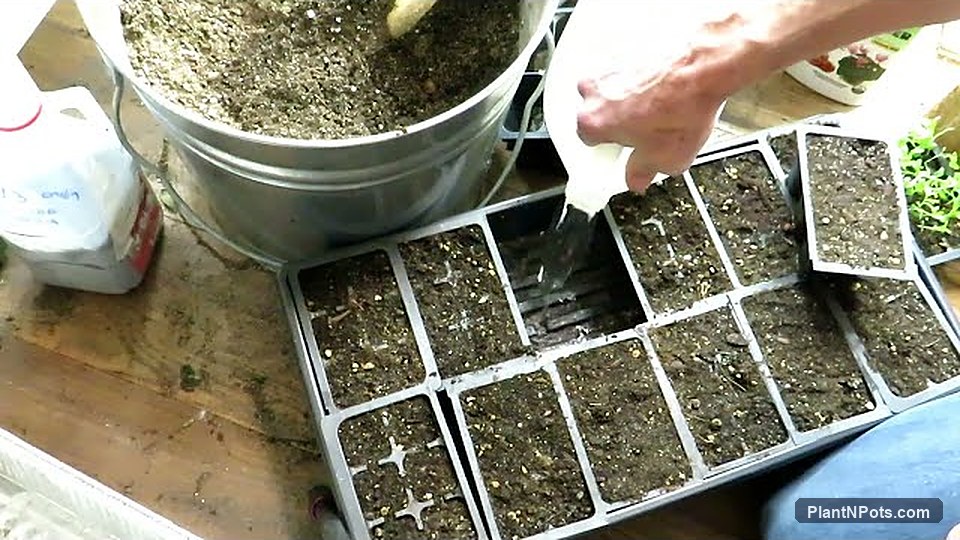
Bacillus thuringiensis israelensis offers an exceptionally safe and targeted larval control method. This beneficial soil bacterium specifically attacks gnat larvae without harming plants.
Mix concentrated liquid drops or dissolvable granules directly into your irrigation water. Pour this mixture thoroughly through the entire potting soil profile.
Repeat this biological drench every seven to ten days for a month. Consistent applications ensure newly hatched larvae consume the lethal bacterial spores.
Store unused biological larvicide products in cool, dark environments to maintain potency. Degraded bacterial treatments will fail to control stubborn pest outbreaks.
Bacillus thuringiensis israelensis is a naturally occurring soil bacterium targeting mosquito and gnat larvae specifically. This biological control agent remains completely safe for humans and household pets.
Mix concentrated liquid or mosquito dunks into your watering can according to package dilution guidelines. Saturate the potting soil thoroughly to ensure the bacterial spores reach developing larvae.
Beneficial nematodes offer another powerful biological remedy by actively hunting down and consuming soil-dwelling pests. Apply these microscopic worms during cooler evening hours to maximize survival.
Consistent application over three to four watering cycles is necessary to eradicate successive generations. Patience guarantees you eliminate emerging gnat populations before they reproduce again.
- Dissolve bacterial dunks or bits in watering cans.
- Apply consistently across multiple watering cycles.
- Target all indoor potted plants simultaneously.
Evaluating Alternative Remedies and Common Household Myths
Many gardeners attempt using layer gravel atop soil to block pests. Unfortunately, this practice often traps ambient moisture, encouraging fungal growth instead.
Diluted hydrogen peroxide drenches kill larvae upon contact but also destroy beneficial soil microbes. Use this harsh chemical method only as a last resort.
Cinnamon dust sprinkled on topsoil offers mild antifungal benefits rather than insect control. It fails to penetrate deep enough to eliminate subterranean larvae.
Relying exclusively on home remedies often delays effective treatment protocols. Stick to proven cultural adjustments and biological larvicides for guaranteed success.
Many homeowners turn to home remedies like hydrogen peroxide rinses to kill gnat larvae on contact. While effective temporarily, high concentrations can harm delicate plant roots if mismeasured.
Pouring diluted dish soap solutions onto soil is another common myth that often damages foliage. Soaps disrupt natural cell membranes and leave harmful chemical residues inside your containers.
Layering decorative stones or sand on top of soil aims to block adult insects from laying eggs. This physical barrier works best when combined with proper soil drying techniques.
Relying solely on DIY kitchen vinegar traps only captures adult flyers buzzing near your planters. True eradication requires addressing the hidden larval stage thriving below the surface.
- Avoid adding decorative gravel layers to pots.
- Use hydrogen peroxide sparingly to protect soil health.
- Skip ineffective culinary spice dusting techniques.
Managing Specialized Setups Like Self-Watering Planters
Self-watering containers present unique challenges due to constant internal reservoir moisture. This hidden water source creates an ideal permanent haven for breeding pests.
Empty the reservoir periodically and allow internal wicking systems to dry out. Breaking the continuous moisture supply forces gnat populations to collapse rapidly.
Incorporate liquid biological larvicides directly into the reservoir water if complete drying proves impossible. The absorbent wicking medium will distribute the treatment effectively.
Semi-hydroponic clay pebble setups require careful flushing protocols to eliminate algae and pests. Maintain rigorous hygiene standards across all advanced container configurations.
Self-watering planters maintain constant reservoir moisture that frequently triggers stubborn fungus gnat outbreaks. The enclosed wick system creates an uninterrupted water supply directly to the soil.
Combat infestations in self-watering containers by letting reservoirs dry out completely between refill cycles. Allowing temporary drought conditions helps starve subterranean larvae of essential moisture.
Clean water reservoirs thoroughly with warm soapy water whenever you empty them out. Sanitizing internal chambers prevents fungal spore buildup that feeds developing gnat populations.
Consider upgrading your setup by using [durable plastic planters](https://plantnpots.com/?p=5188) featuring adequate drainage holes. These specialized containers ensure proper water evacuation to stop recurring pest issues instantly.
- Drain internal water reservoirs between fills.
- Add beneficial bacteria to hidden water chambers.
- Clean semi-hydroponic clay pebbles thoroughly during maintenance.
Long-Term Prevention Protocols for Healthy Indoor Gardens
Preventing future outbreaks requires maintaining strict hygiene across your indoor garden. Always inspect new potting soil bags for signs of prior moisture exposure.
Store opened bags of potting mix inside sealed plastic bins securely. This stops wild flying pests from laying eggs in your reserve substrate.
Clean planter saucers and decorative cachepots regularly using mild soapy water. Removing organic debris eliminates potential feeding sites for stray crawling insects.
Prioritize breathable container materials that promote faster soil drying between routine watering sessions. Healthy root environments naturally resist persistent pest colonization attempts.
Prevent future outbreaks by quarantining all newly purchased houseplants away from established indoor collections. Inspecting incoming foliage carefully stops pests from spreading to healthy pots.
Incorporate beneficial soil amendments like perlite or pumice to improve aeration and drainage. Well-aerated substrates dry out quickly and discourage pesky insect colonization over time.
Maintain proper indoor ventilation and avoid overfilling saucers beneath your decorative planter pots. Standing water in trays invites unwanted flying insects to lay fresh eggs.
Regularly clear away fallen leaves and organic debris from the top soil surface. Removing decaying matter deprives hungry gnat larvae of their primary food source indoors.
- Store extra potting soil in sealed bins.
- Wash decorative outer pots and drainage saucers.
- Choose breathable containers to enhance aeration.
Frequently Asked Questions
Are fungus gnats dangerous to humans or pets?
Fungus gnats do not bite humans, transmit harmful diseases, or cause any structural damage to your home or household furniture.
They are completely harmless to people and domestic pets, serving exclusively as bothersome flying nuisance insects that signal your indoor potting soil is retaining excessive amounts of moisture and organic matter.
Can I use dish soap to kill gnat larvae?
Standard dish soap solutions can easily damage delicate plant root systems while failing to reliably eliminate subterranean gnat larvae.
You should avoid harsh homemade detergent mixtures and rely instead on targeted biological larvicides or proper cultural drying methods for safe, reliable control over persistent indoor infestations.
How long does it take to eliminate an infestation?
Completely eliminating an active gnat infestation typically takes two to four weeks of consistent, uninterrupted treatment.
Because control methods must break the entire reproductive cycle, you must maintain sticky traps and soil drying protocols until all emerging generations are fully eradicated from your indoor garden.
Do indoor plants die from a gnat infestation?
Healthy mature plants can usually survive a mild gnat infestation without suffering any permanent physiological damage.
However, severe subterranean larval feeding can critically damage delicate root systems, leading to stunted shoot growth, yellowing lower foliage, and unexpected wilting in vulnerable potted specimens.
Should I repot my plant to get rid of gnats?
Complete repotting is rarely necessary unless the existing potting soil has completely broken down or the infestation is exceptionally severe.
Instead, focus on letting the topsoil dry out thoroughly and applying biological treatments for an easier, less stressful solution that protects fragile plant roots.

