Fungus gnats thrive in damp container soil, annoying indoor gardeners. This guide offers proven methods to control and eliminate these pests without harming your plants.
Key Takeaway:
Stop overwatering your container plants to starve out larvae. Allow the top two inches of soil to dry completely between watering sessions.
Quick-Reference Guide
| Factor / Scenario | Recommended Target | Why It Matters |
|---|---|---|
| Soil Dryness | Top 2 inches dry | Kills larvae by removing moisture |
| Drainage Holes | At least 10% base area | Prevents stagnant standing water |
| Watering Frequency | Every 7-10 days average | Avoids constant damp conditions |
| Sticky Traps | 1 trap per container | Catches flying adult gnats |
| Beneficial Nematodes | 5,000 per pot square inch | Hunts and destroys soil larvae |
| Percolation Layer | Optional coarse gravel | Improves overall container aeration |
Understanding Fungus Gnats in Container Soil
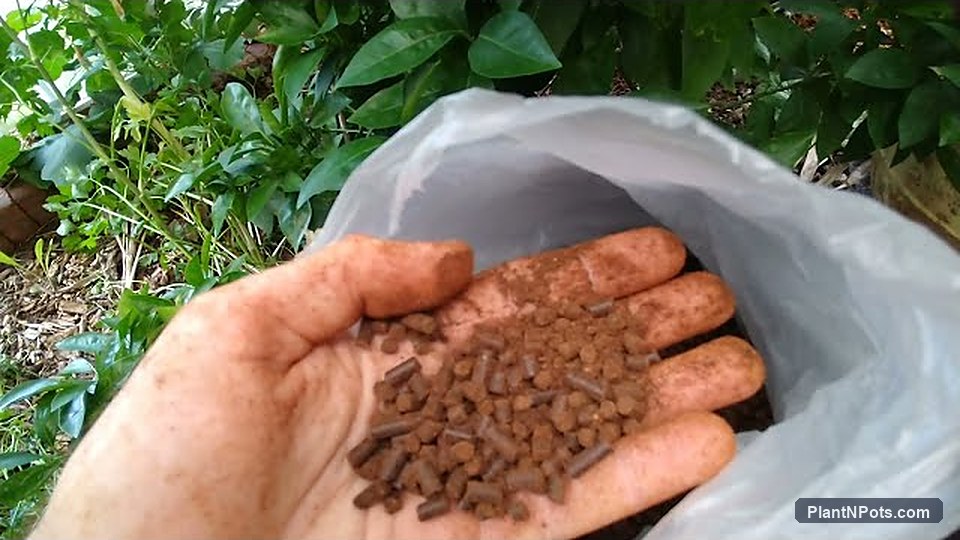
Fungus gnats are tiny flying insects drawn to damp container environments. Using the [best soil for large planters](https://plantnpots.com/?p=3571) prevents moisture retention and stops microscopic larvae from feeding on tender roots.
Adult gnats pose no direct threat to established houseplants, but heavy larvae infestations stunt growth. Controlling moisture levels stops their multi-stage reproductive cycle entirely.
High humidity and poor indoor air circulation worsen gnat outbreaks significantly. Identifying these pests early prevents them from spreading to your entire container collection.
Inspecting new potting mixes before planting helps catch infestations before they start. Quality commercial soils should remain sealed and dry prior to active use.
Fungus gnat larvae thrive in moist organic matter, feeding primarily on decaying plant material and delicate root hairs. At temperatures around 70 to 75 degrees Fahrenheit, their life cycle accelerates rapidly indoors.
Adult fungus gnats possess weak flight capabilities, preferring to scurry across the soil surface rather than fly long distances. They target damp potting media rich in peat moss, compost, and decomposing bark ingredients.
Female gnats deposit up to two hundred microscopic eggs directly into the top two inches of damp soil. These translucent eggs hatch within three to six days, releasing hungry larvae with visible black head capsules.
Recognizing these pests requires understanding that adult gnats cause zero direct harm to established houseplants. The destructive larval stage chews through root systems, stunting overall plant growth and encouraging secondary fungal infections.
- Check plant base for tiny flying gnats.
- Examine drainage holes for larvae activity.
- Avoid cheap unsterilized garden soil outdoors.
- Store opened potting bags securely sealed.
Recognizing Larval Damage
Larvae chew on delicate root hairs, reducing nutrient uptake severely. Yellowing leaves and sudden wilting often indicate a severe underground gnat infestation.
Gently scrape the soil surface to spot translucent, black-headed worms. Catching this damage early saves your container plants from permanent root rot.
- Look for stunted plant growth.
- Check root health during repotting.
Identifying Root Causes of Infestations
Overwatering remains the primary catalyst for chronic fungus gnat outbreaks in containers. Keeping potting media constantly saturated creates an ideal breeding ground for pests.
Inadequate container drainage traps excess moisture at the pot base. Using a [best macrame hanger without ring](https://plantnpots.com/?p=5558) improves overall air circulation around the base to prevent standing water.
Decaying organic matter within low-grade compost attracts egg-laying female gnats. Using sterile, well-balanced potting mixes reduces this organic food source immediately.
Indoor conditions lack natural predators, allowing gnat populations to multiply rapidly. Regulating your indoor humidity keeps these pesky insects under firm control.
Overwatering remains the single biggest contributor to chronic indoor fungus gnat outbreaks in container gardens. Keeping soil continuously saturated creates an ideal breeding habitat for female gnats seeking moisture for reproduction.
Low-quality commercial potting mixes often harbor dormant gnat eggs or larvae right out of the bag. Storing opened bags in damp basements or outdoors invites opportunistic pests to contaminate your future planting substrate.
Inadequate drainage holes in decorative planters trap excess moisture at the bottom of the root zone. This stagnant water fosters anaerobic conditions and supports massive populations of larvae feeding unseen below.
Using unsterilized garden soil indoors introduces a wide array of native soil-dwelling pests directly to your houseplants. Always select pasteurized container substrates featuring perlite or pumice to ensure proper aeration and drainage.
- Monitor indoor humidity levels closely.
- Clear fallen leaves from soil surfaces.
- Avoid blocked container drainage holes.
- Test soil moisture before watering.
Evaluating Soil Quality
Poorly draining peat-based mixes hold moisture far too long. Mixing coarse perlite into standard potting soil improves aeration and drainage speeds.
Avoid reusing old garden soil without proper thermal sterilization first. Baking or solarizing soil kills hidden eggs and lingering pest larvae.
- Blend perlite into heavy soils.
- Sterilize reused garden earth.
Video Walkthrough: Neem Cake
Cultural Management and Watering Adjustments
Modifying your watering habits offers the easiest path to gnat control. Selecting the [best cactus for outdoor pots](https://plantnpots.com/?p=3109) helps maintain properly drained media that dries out quickly between waterings.
Dry upper soil conditions starve developing larvae of vital moisture. Without water, these underground pests quickly dehydrate and perish before maturing.
Bottom watering prevents the soil surface from staying constantly wet. Place your pot in a basin and let roots absorb water from below.
Remove fallen debris and dead leaves from the container surface weekly. Organic litter provides essential food and shelter for emerging adult fungus gnats.
Allowing the top two to three inches of potting soil to dry out completely between watering sessions disrupts life cycles. This drought period starves young larvae and prevents adult females from laying viable eggs.
Bottom watering offers an effective technique to keep the surface dry while hydrating deep root systems properly. Place your nursery pots in a basin of water for fifteen minutes max, then drain thoroughly.
Applying a half-inch layer of coarse builder sand or horticultural grit across the soil surface creates a dry barrier. Adult gnats cannot burrow through this sharp abrasive layer to deposit their microscopic eggs.
Increasing indoor air circulation using oscillating small fans accelerates surface evaporation rates across all container plants. Lowering indoor relative humidity below fifty percent significantly impedes the daily activity of flying adults.
- Let topsoil dry thoroughly.
- Try bottom watering methods.
- Clear surface organic debris.
- Space containers for airflow.
Surface Barrier Techniques
Adding a layer of coarse sand blocks adults from laying eggs. Spread a half-inch layer over your potting soil for immediate protection.
Horticultural grit works similarly by keeping the immediate surface dry. Adult gnats cannot burrow through sharp mineral layers to deposit eggs.
- Use horticultural sand layers.
- Apply fine gravel toppings.
Natural Biological Controls for Soil Pests
Beneficial nematodes offer a powerful organic solution for heavy infestations. These microscopic roundworms hunt down and consume gnat larvae within the potting soil.
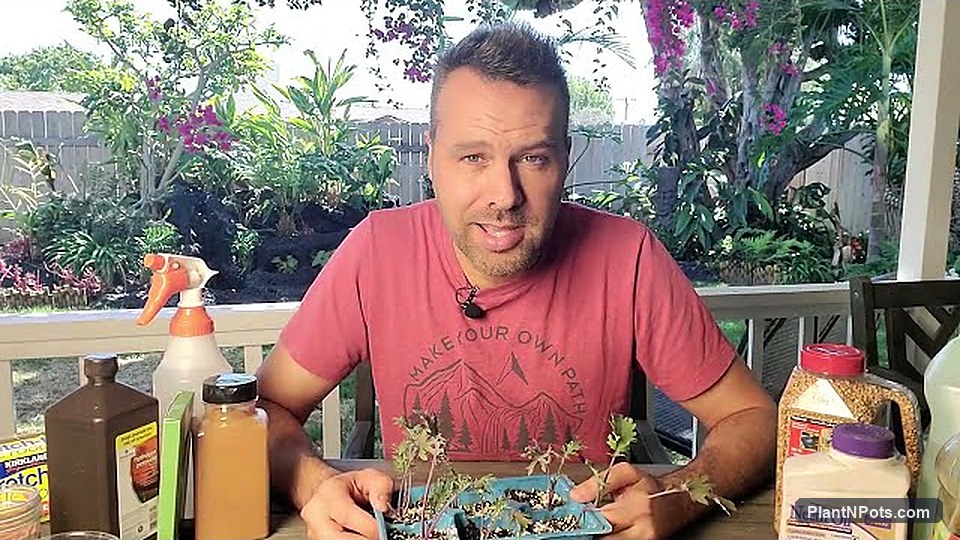
Mix the nematodes with water and apply them directly to soil. They pose zero threat to your plants, pets, or human family members.
Mosquito dunks contain natural bacteria that specifically target gnat larvae. Crumble a small piece into your watering can and apply to containers.
This biological control method acts safely without harsh chemical residues. Consistent treatments break the breeding cycle within two to three weeks.
Introducing beneficial nematodes (*Steinernema feltiae*) into your watering routine provides safe biological control for heavy infestations. These microscopic roundworms actively hunt down and consume pest larvae hiding deep inside the soil.
Mix the beneficial nematode powder into lukewarm water according to package instructions and apply immediately. Maintain damp soil conditions for at least two weeks to let these helpful organisms establish permanent populations.
Mosquito dunks containing *Bacillus thuringiensis israelensis* offer another highly effective biological solution for home gardeners. Dissolve a quarter piece in your watering can to target guttural larval stages without harming beneficial earthworms.
Reapply biological controls every two weeks until adult gnat sightings drop to absolute zero inside your home. Consistency remains vital when breaking the uninterrupted reproduction cycle of persistent indoor container pests.
- Apply beneficial nematodes safely.
- Use mosquito dunks in water.
- Repeat treatments every fortnight.
- Monitor pest population changes.
Understanding Bacterial Control
The active bacterium produces spores that poison gnat larvae guts. Larvae stop feeding immediately after ingesting the treated irrigation water.
Safe for earthworms and beneficial insects in larger garden settings. This targeted approach protects your indoor ecosystem from toxic buildup.
- Target larval digestive systems.
- Protect beneficial garden insects.
Trapping and Eliminating Adult Flying Gnats
Yellow sticky traps capture flying adult gnats before they reproduce. Place these bright cards near the base of your infected plant pots.
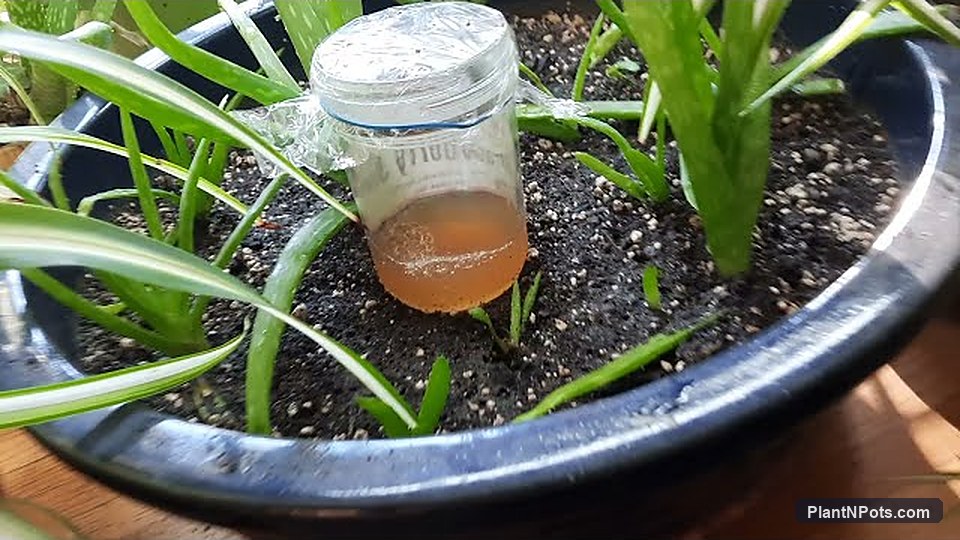
Adult insects are naturally drawn to the bright yellow color. Once they land on the adhesive surface, they cannot escape or breed.
Homemade apple cider vinegar traps catch active flying pests effectively. Pour vinegar into a small dish and add a single drop of soap.
The dish soap breaks surface tension, causing trapped gnats to drown. Change this liquid mixture every few days for maximum trapping efficiency.
Yellow sticky cards placed vertically near the base of houseplants attract and capture roaming adult fungus gnats effectively. The bright yellow color mimics the visual cues of young foliage and vibrant flowers.
Cut sticky cards into smaller strips to fit neatly inside smaller decorative pots without touching fragile stems. Replace these traps every month or whenever the adhesive surface becomes completely covered in trapped insects.
Apple cider vinegar traps mixed with a single drop of liquid dish soap lure and drown flying adults. Position small bowls near heavily infested plants to capture nuisance pests overnight in busy living areas.
Vacuuming flying adults with a handheld device offers instant gratification during peak morning gnat activity periods. Empty the vacuum bag outdoors immediately to prevent escaped surviving insects from returning to your indoor garden.
- Deploy yellow sticky cards.
- Set vinegar soap traps.
- Replace traps when full.
- Keep traps near soil.
Vacuuming Adult Populations
Handheld vacuums quickly clear dense swarms of adult insects. Sweep gently around the plant foliage and container rim during morning hours.
Empty the vacuum bag outdoors immediately to prevent escapes. This mechanical method provides instant relief from heavy indoor gnat activity.
- Use small handheld vacuums.
- Empty collection bags outdoors.
Repotting Strategies for Severe Infestations
Severe infestations demand complete soil replacement to save the plant. Gently remove the plant from its container and shake away infested earth.
Rinse the root system thoroughly under lukewarm running water. This removes any clinging larvae or hidden eggs nestled deep within root masses.
Wash the empty container with mild soap and hot water. Sterilizing your pots prevents leftover pests from reinfecting your fresh potting mix.
Refill the container using a fresh, sterile commercial soil blend. Ensure your new mix contains balanced perlite for optimal drainage performance.
Severe infestations choking your plant roots require a complete soil replacement and thorough container sanitation protocol. Gently shake away old infested dirt from the root ball while minimizing unnecessary physical root damage.
Rinse bare roots under lukewarm running water to wash away hidden eggs, pupae, and surviving hungry larvae. Inspect the root system carefully for signs of rot or insect-related damage before moving forward.
Sanitize plastic or ceramic pots using a solution of one part household bleach to nine parts water. Scrub thoroughly to eliminate residual gnat eggs clinging stubbornly to porous interior container walls.
Repot your cleansed plant using a fresh, sterile potting mix blended with perlite for optimal drainage. Water sparingly for the first three weeks to encourage strong root recovery without inviting new pest cycles.
- Wash roots under water.
- Sterilize empty plant pots.
- Use fresh potting mix.
- Inspect roots for damage.
Selecting Clean Potting Media
Buy sealed bags of soil from reputable garden centers. Avoid leaving open bags outdoors where wild pests can lay eggs.
Check bag integrity before purchase to ensure zero moisture entry. Clean media prevents recurring gnat cycles in your indoor garden.
- Buy sealed soil bags.
- Inspect packaging before buying.
Preventing Future Gnat Outbreaks in Containers
Long-term prevention relies on consistent, mindful watering practices. Never let your plant pots sit in standing saucers of excess water.
Empty drainage saucers within thirty minutes after every watering session. This simple habit eliminates stagnant breeding pools for adult fungus gnats.
Improve indoor air circulation using small oscillating fans nearby. Moving air discourages delicate adult gnats from landing and laying new eggs.
Apply a preventative layer of cinnamon across the soil surface. Cinnamon acts as a natural deterrent that keeps exploring insects away.
Inspect all newly purchased houseplants closely for flying insects before introducing them to your indoor collection. Quarantine new additions in a separate room for two weeks to monitor for hidden pest problems.
Store leftover potting soil in sealed plastic storage bins rather than open bags in damp areas. Proper airtight container storage prevents wild insects from laying eggs in your reserve planting substrates.
Monitor soil moisture levels regularly using a physical finger test or a reliable moisture meter tool. Preventing chronic overwatering remains your best defense mechanism against recurring fungus gnat population explosions.
Clear away fallen leaves and organic debris from the soil surface during routine weekly plant maintenance. Removing decaying organic matter eliminates the primary food source required by developing gnat larvae populations.
- Empty drainage saucers promptly.
- Increase indoor air circulation.
- Apply cinnamon powder deterrents.
- Monitor plants routinely weekly.
Routine Maintenance Checklist
Inspect your indoor container garden every single week. Catching small outbreaks early stops major pest populations from developing rapidly.
Clean container exteriors and watering tools regularly. Good hygiene keeps your entire indoor gardening space healthy and pest-free.
- Inspect plants weekly.
- Clean watering cans often.
Frequently Asked Questions
Why do gnats appear in my indoor potting soil?
Fungus gnats arrive through open windows or pre-infested soil bags. They thrive when potting soil stays wet, providing food for their larvae.
Can fungus gnats harm my established houseplants?
Adult gnats cause zero damage, but heavy larvae populations chew tender roots. This feeding stunts plant growth and invites secondary root diseases.
How long does it take to eliminate a gnat infestation?
Complete eradication usually takes two to three weeks of consistent treatment. Breaking the reproductive cycle requires combining dry soil with traps.
Are home remedies like hydrogen peroxide safe for plant roots?
Yes, diluted hydrogen peroxide kills larvae on contact safely. Mix one part peroxide with four parts water for a gentle soil drench.
Should I throw away my potting soil if it has gnats?
You do not need to discard the entire soil batch. Treating with beneficial bacteria or drying out the medium eliminates pests effectively.

