Indoor plant pests frustrate indoor gardeners. This practical manual details proven steps to eliminate fungus gnats permanently.
Key Takeaway:
To eradicate fungus gnats, you must target the soil-dwelling larvae using biological controls like BTI combined with extended drying periods between watering sessions.
Quick-Reference Guide
| Factor / Scenario | Recommended Target | Why It Matters |
|---|---|---|
| Topsoil Drying | Top 2-3 inches dry | Starves soil larvae |
| BTI Drench | Weekly for 4 weeks | Kills larvae naturally |
| Sticky Traps | Vertical near stems | Catches adult flyers |
| Mineral Layer | 0.5 inch sand/gravel | Blocks egg-laying |
| Peroxide Mix | 1:4 dilution ratio | Quick knockdown effect |
| Soil Storage | Airtight containers | Prevents new pests |
Identifying Fungus Gnats in Container Plants
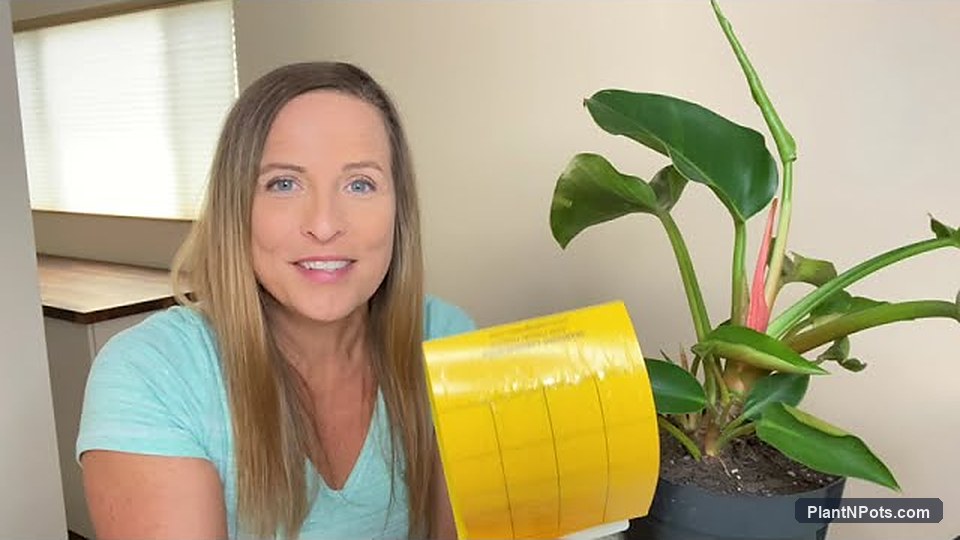
Fungus gnats are small, weak-flying insects hovering around indoor containers. Adult gnats rarely damage roots directly, but their hungry larvae feed heavily on organic matter and tender plant roots inside moist potting media.
Correctly identifying these tiny pests prevents wasted effort. While fruit flies swarm kitchens, fungus gnats emerge strictly from damp container soil, indicating your drainage conditions require immediate inspection and corrective action.
Inspecting the soil surface reveals tiny translucent larvae with black heads wriggling just beneath the topmost layer. Catching infestations early stops rapid population growth across your entire indoor plant collection.
Houseplant owners often confuse fungus gnats with shore flies or whiteflies. Distinguishing them ensures you apply the correct remedy tailored specifically to soil-dwelling life stages rather than foliar applications.
Adult fungus gnats are weak flyers measuring about two to three millimeters long. They hover near the soil surface rather than flying across your entire room, signaling localized root zone infestations.
Larvae feature shiny black heads and translucent white bodies. Using breathable [5 gallon cloth pots](https://plantnpots.com/?p=1116) allows excess water to escape rapidly, reducing damp environments where larvae thrive.
Spotting tiny black insects scurrying across container drainage trays confirms an active population. Shake the plant stems gently to flush out adults hiding among dense lower foliage and moist substrates.
Distinguish fungus gnats from larger fruit flies by their darker bodies and preference for soil over ripening produce. Accurate identification ensures you target the immature soil-dwelling stages.
- Look for erratic weak flight patterns near container rims.
- Check saucers for standing water and decaying organic debris.
- Inspect drainage holes for signs of escaping translucent larvae.
- Monitor yellow sticky cards placed horizontally near the soil.
Modifying Watering Habits to Starve Larvae
Overwatering remains the primary catalyst for severe fungus gnat outbreaks in container gardens. Allowing the top two to three inches of potting mix to dry completely suffocates vulnerable soil larvae.
Adjusting your irrigation routine requires checking soil moisture depth with a finger or moisture meter before watering. Container plants tolerate slight drought much better than continuous saturation.
Bottom watering provides an effective alternative to top irrigation. Proper container management for [evergreen shrubs for pots](https://plantnpots.com/?p=3525) keeps the surface dry and inhospitable to adult pests.
Proper pot selection aids this drying process significantly. Terra cotta containers allow moisture to evaporate through porous clay walls, whereas heavy plastic retains interior humidity far longer.
Fungus gnat larvae require continuously moist organic material to survive and complete their lifecycle. Allow the top two to three inches of soil to dry out completely between watering sessions.
Check soil moisture depth using your bare index finger or a stainless steel moisture meter. Substrate readings must register in the dry zone before you administer fresh water.
Bottom watering prevents the topsoil from remaining constantly saturated, effectively cutting off moisture to developing eggs. Place pots in a basin of water for fifteen to twenty minutes.
Ensure your containers feature adequate drainage holes to prevent pooling water at the root base. Stagnant moisture attracts breeding females and promotes pathogenic fungal growth alongside persistent gnat populations.
- Allow topsoil to dry thoroughly between irrigation cycles.
- Use terra cotta planters to accelerate soil moisture evaporation.
- Empty saucers promptly after watering to prevent stagnant pooling.
- Adopt bottom-watering techniques to keep surface soil completely dry.
Video Walkthrough: How to Get Rid of Fungus Gnats in Houseplants Potting Soil
Applying Biological Controls Like BTI and Nematodes
Bacillus thuringiensis israelensis offers a remarkably safe microbial control. Whether treating soil or a water-based [lucky bamboo plant holder](https://plantnpots.com/?p=2884), this natural bacterium produces toxins lethal to larvae.
Apply diluted BTI liquid or crumbled mosquito dunks directly into your watering can. Saturate the potting mix thoroughly so the active spores reach every larval nest hidden within container depths.
Beneficial nematodes provide another stellar biological option for severe infestations. These microscopic roundworms actively hunt down and consume gnat larvae inside moist soil without damaging your prized houseplants.
Introduce nematodes by mixing the packet contents into lukewarm water and applying immediately. Maintain consistent, moderate soil moisture afterward to help these living organisms travel efficiently through the potting mix.
Bacillus thuringiensis israelensis, commonly known as BTI, produces natural proteins that selectively kill gnat larvae. Mix concentrated liquid or mosquito dunks into water and apply every seven to ten days.
Beneficial nematodes are microscopic roundworms that actively hunt and consume gnat larvae within potting soil. Mix the concentrated powder with tepid water and apply immediately to moist root zones.
Maintain soil temperatures between fifty-five and eighty degrees Fahrenheit to keep beneficial nematodes actively hunting. Cooler or hotter extremes significantly reduce their predatory efficacy inside containers.
Combine BTI treatments with beneficial nematodes only if heavy infestations persist across multiple specimen plants. Alternating these biological agents ensures thorough larval population reduction without harming beneficial flora.
- Dissolve mosquito bits in water before applying to soil.
- Reapply BTI treatments every week for one full month.
- Store beneficial nematodes in cool conditions prior to use.
- Avoid harsh chemical fertilizers while using live biological agents.
Utilizing Hydrogen Peroxide Drenches Safely
A diluted hydrogen peroxide drench offers an instant knockdown effect against active gnat larvae. Mix one part standard three percent hydrogen peroxide with four parts water to create a safe soil drench.
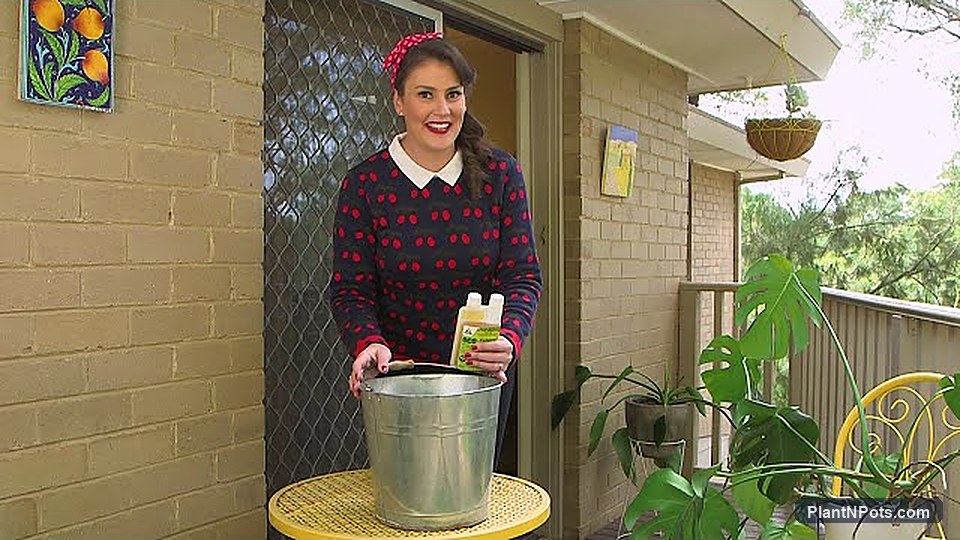
Pour the fizzing solution over dry potting mix to eliminate developing larvae on contact. You will hear a harmless bubbling sound as the mixture oxidizes organic matter and destroys pests.
Exercise caution when applying peroxide treatments to delicate ornamental foliage or sensitive root systems. Always water your container normally first if the soil is bone-dry to prevent root burn.
This chemical treatment works well for quick relief while waiting for slower biological controls to take full effect. Combine it with physical traps for a comprehensive multi-step eradication strategy.
A hydrogen peroxide drench uses standard three percent household solution to oxidize organic matter and kill larvae on contact. Dilute one part peroxide with four parts water before soil application.
Pour the diluted mixture evenly over the potting mix until liquid begins escaping through the bottom drainage holes. Expect a mild fizzing reaction as the solution neutralizes soil pests.
Apply this treatment only when the soil is already slightly dry to prevent accidental root burn on sensitive houseplants. Perform drenches during the evening hours to minimize chemical stress.
Hydrogen peroxide degrades rapidly into harmless water and oxygen within twenty-four hours. This leaves no residual toxicity behind, making it a safe choice for indoor container gardening environments.
- Dilute three percent peroxide properly with tepid water.
- Apply only to pre-moistened soil to protect tender roots.
- Listen for the characteristic fizzing reaction during application.
- Repeat weekly until adult gnat populations vanish entirely.
Adding Physical Barriers and Sticky Traps
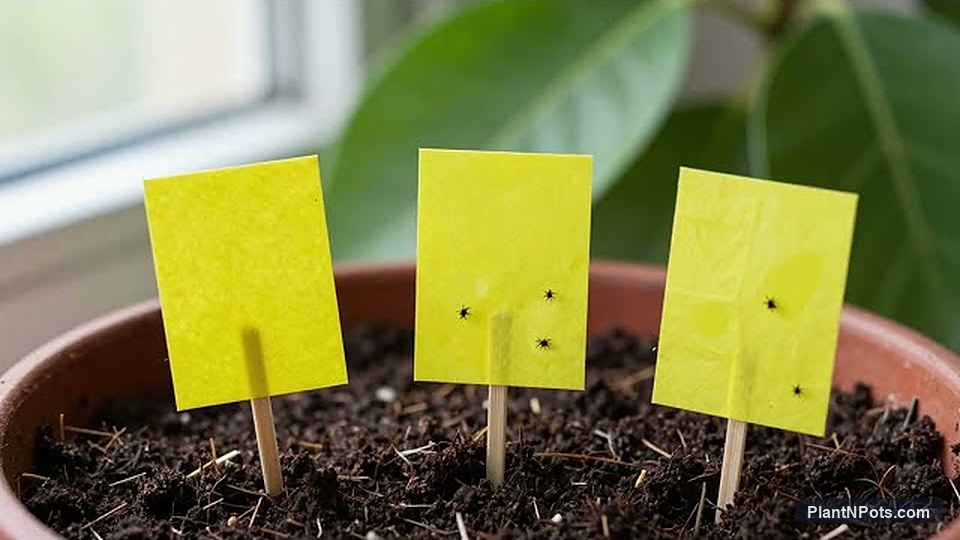
Yellow sticky cards intercept adult flying gnats before they can mate and deposit new eggs into moist soil. Insert these bright traps vertically into the potting mix near affected plant stems.
Physical top-dressings block adult gnats from accessing soil entirely. Applying a half-inch layer of fine sand, decorative gravel, or expanded clay pebbles prevents egg-laying and breaks the life cycle.
Ensure your chosen mineral top-layer dries rapidly after watering to discourage wandering pests. Organic mulches like bark chips should be avoided because they retain moisture and attract fungal growth.
Vacuuming hovering adults near windows or plant shelves provides immediate cosmetic relief during heavy infestations. Combine this mechanical removal with sticky cards to drastically reduce active breeding pairs.
Yellow sticky cards attract and capture adult flying gnats before they can mate and lay new eggs. Place these adhesive traps vertically just above the soil line in each pot.
Layer a quarter-inch of horticultural sand or fine gravel across the top of your potting soil. This abrasive physical barrier prevents adult gnats from burrowing into damp substrates.
Avoid standard playground sand, as its fine texture compacts too tightly and retains unwanted moisture. Use coarse horticultural grit to ensure proper aeration and surface evaporation.
Replace yellow sticky cards every two weeks or whenever their adhesive surfaces become covered with trapped insects and dust. Consistent trap maintenance interrupts the breeding lifecycle successfully.
- Place yellow sticky cards flush with the soil surface.
- Layer coarse sand or fine gravel across exposed media.
- Replace sticky cards once surfaces become coated with insects.
- Avoid organic mulches that harbor moisture and breeding adults.
Preventing Future Infestations in Potted Soil
Prevention remains your best defense against recurring fungus gnat invasions in container setups. Always inspect newly purchased houseplants thoroughly before integrating them into your existing indoor jungle collection.
Store bags of indoor potting mix in tightly sealed plastic containers to prevent wild gnats from laying eggs inside stored soil. Porous bags left open in garages invite immediate pest colonization.
Enhance your potting mix drainage by blending in perlite, coarse horticultural sand, or pumice. Well-aerated media dries out quickly between waterings, eliminating the damp environments gnats require for survival.
Clean fallen leaves and decaying plant debris from container surfaces regularly. Removing rotting organic matter deprives emerging larvae of the primary food source they need to mature successfully.
Store bags of potting mix in sealed plastic bins to prevent wild fungus gnats from laying eggs inside. Always inspect new soil purchases for signs of excessive moisture or pests.
Sterilize garden compost in your oven at one hundred eighty degrees Fahrenheit for thirty minutes before mixing. This thermal process eliminates lingering weed seeds and insect larvae.
Remove fallen leaves and organic debris from the surface of your potted plants promptly. Decaying plant matter provides an ideal food source for nascent gnat populations.
Quarantine newly acquired houseplants for at least fourteen days before placing them near your established indoor collection. This simple habit prevents cross-contamination and protects your entire green space.
- Quarantine new houseplants for two weeks before placement.
- Store open potting mix bags inside airtight storage bins.
- Amend dense soils with perlite to improve drainage rates.
- Clear away fallen foliage from container surfaces promptly.
Evaluating Unsuccessful Remedies and Common Pitfalls
Many popular home remedies fail because they target adult gnats while ignoring soil-dwelling larvae. Relying solely on vinegar traps leaves hundreds of hidden eggs developing undisturbed inside your planters.
Overlooking secondary container issues like clogged drainage holes ruins even the best pest control efforts. Trapped water creates localized anaerobic zones that continuously attract fresh waves of fungus gnats.
Avoid using household dish soap sprays directly on indoor potting soil. Soap alters soil chemistry negatively, damages delicate feeder roots, and rarely penetrates deep enough to kill burrowing gnat larvae.
Consistency is vital when deploying multiple eradication methods simultaneously. Stopping treatments prematurely allows resilient surviving eggs to hatch, restarting the entire frustrating infestation cycle within your indoor containers.
Home remedies like household dish soap sprays often fail to target subsurface larvae effectively while damaging sensitive foliage. Stick to proven interventions like BTI and sticky cards.
Allowing pots to sit in saucers filled with standing drainage water defeats your drying-out strategy. Always empty saucers within ten minutes of watering to discourage pest breeding.
Do not rely solely on adult traps without treating the soil larvae simultaneously. Adult gnats emerge continuously from untreated pupae, rendering isolated trapping efforts ultimately ineffective.
Patience is essential since completely eliminating a resilient fungus gnat infestation typically requires two to three weeks of consistent multi-step treatment.
- Ignore ineffective apple cider vinegar traps for soil pests.
- Check container drainage holes regularly for clogs or blockages.
- Avoid harsh dish soap drenches that harm plant roots.
- Commit to a full four-week treatment schedule without interruption.
Frequently Asked Questions
How long does it take to completely get rid of gnats in potted plants?
Eradicating a stubborn infestation typically requires three to four weeks of consistent, uninterrupted treatment across all your indoor containers.
Maintaining this extended timeline is crucial because it guarantees you successfully interrupt the entire multi-stage gnat life cycle from egg to reproducing adult without missing any hidden soil-dwelling survivors lingering deep within the potting mix.
Can I use regular household dish soap to kill gnat larvae in container soil?
You should never apply harsh dish soap directly to your potting mix as a makeshift DIY pest remedy for indoor plants.
Household detergents significantly alter soil chemistry, strip protective root coatings, damage delicate feeder roots, and ultimately fail to reach deeply buried larvae hiding safely inside dense container media during an outbreak.
Do yellow sticky traps kill the actual gnat larvae living inside the soil?
Yellow sticky traps only capture adult flying gnats and possess zero mechanical impact on developing larvae residing below the surface.
To completely eliminate an active infestation, you must pair these visual sticky cards with effective soil treatments like BTI or hydrogen peroxide to target burrowing pests directly at their primary indoor container breeding source.
Why do fungus gnats suddenly appear after repotting indoor houseplants?
Fungus gnats often arrive inside unopened bags of commercial potting mix that were stored improperly in humid outdoor retail environments.
When you introduce that damp soil indoors and water your newly repotted specimens frequently, dormant eggs quickly hatch into thriving pest populations that rapidly surprise unsuspecting indoor gardeners across your home.
Are beneficial nematodes safe to use around pets and children indoors?
Beneficial nematodes are entirely microscopic roundworms that pose absolutely zero toxic risk to humans, household pets, or delicate interior furnishings.
Because they hunt down and actively destroy insect pests exclusively within the damp soil profile, they represent an exceptionally safe organic biological control method for all your residential living spaces.

