Proper water management prevents root rot in desert flora. This definitive guide explores container drainage science, moisture control, and alternative vessel care techniques.
Key Takeaway:
Succulent pots strictly require drainage holes to prevent fatal root rot. Without escape routes, stagnant water suffocates desert roots within days.
Quick-Reference Guide
| Factor / Scenario | Recommended Target | Why It Matters |
|---|---|---|
| Drainage Holes | Essential (Mandatory) | Allows excess water to escape instantly. |
| Pot Material | Unglazed Terracotta | Enhances evaporation through porous walls. |
| Container Size | 1-2 Inches Wider | Prevents excess soil moisture retention. |
| Soil Substrate | Fast-Draining Mix | Stops perched water tables from forming. |
| Watering Volume | Soak and Dry | Mimics natural desert precipitation cycles. |
| Non-Draining Pots | Precision Pipettes | Controls exact moisture levels carefully. |
Understanding the Botanical Physiology of Succulent Roots
Succulents store moisture in specialized fleshy leaves, stems, and roots. This evolutionary adaptation makes them highly vulnerable to root rot when grown inside stagnant containers.
Botanical tissues absorb water rapidly during wet cycles. However, prolonged exposure to saturated soil starves delicate root systems of essential oxygen, triggering rapid cellular decay and fungal pathogens.
Understanding natural desert habitats highlights why traditional garden pots demand structural modifications. Desert soils drain almost instantly, preventing moisture from pooling around sensitive underground networks.
When comparing gear and setup options, our [best succulent pots with drainage:](https://plantnpots.com/?p=1298) breaks down key materials, sizing, and durability trade-offs.
Growers must replicate these fast-drying conditions indoors using engineered containers. Proper drainage prevents moisture accumulation, ensuring healthy gas exchange occurs freely within the potting substrate below.
Succulent roots evolved in arid environments where water scarcity forces them to develop specialized tissues. These fleshy roots rapidly absorb moisture during rare rainfall events, storing it safely within internal cellular structures for extended dry periods.
Without adequate oxygen exchange in the root zone, root cells quickly suffocate and die. Stagnant moisture prevents air circulation within dense potting mixes, triggering anaerobic conditions that invite destructive soil pathogens like Pythium and Phytophthora fungus.
The epidermis of succulent roots acts as a semi-permeable barrier. When submerged in standing water for prolonged durations, osmotic pressure reverses, causing root hairs to rupture and destroy the plant's ability to uptake vital nutrients.
Temperature fluctuations also impact root respiration rates significantly. During warm summer growing phases, wet soil combined with heat accelerates microbial proliferation, turning stagnant water pockets into lethal environments for delicate root tips and underground structures.
- Fleshy tissue stores water efficiently for dry periods.
- Roots require oxygen pockets to maintain cellular respiration.
- Natural soils evacuate surplus moisture within minutes.
- Indoor containers trap water without structural outlets.
Evolutionary Adaptations to Drought
Fleshy parenchyma tissues allow desert plants to survive extended dry spells. These specialized storage organs mean your plants require infrequent watering schedules compared to traditional houseplants.
Root structures remain shallow and wide to capture fleeting rainfall efficiently. Confining these shallow roots to deep, non-draining containers drastically increases the risk of lower root suffocation.
- Parenchyma cells store emergency moisture reserves.
- Shallow roots maximize surface rainfall absorption.
- Infrequent watering prevents chronic saturation.
The Critical Importance of Drainage Holes in Modern Containers
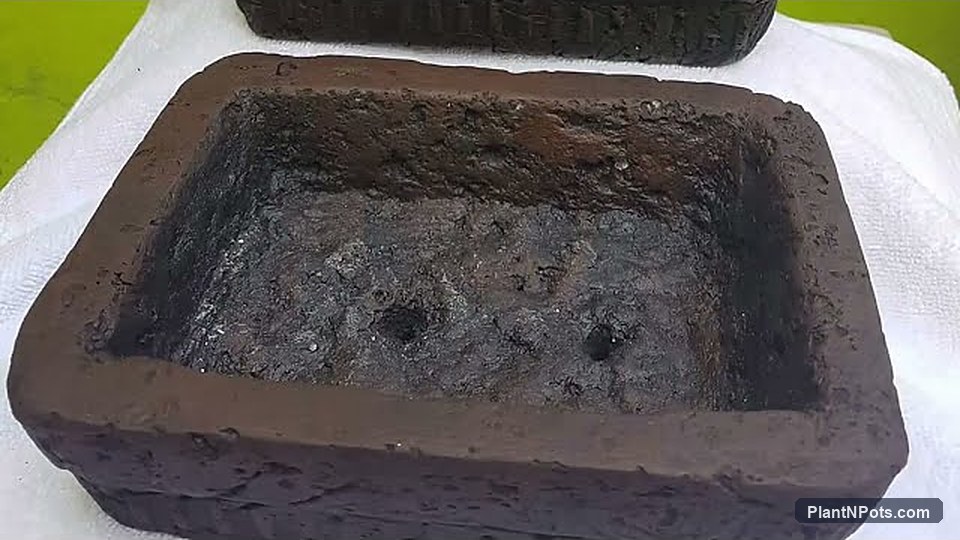
Drainage holes act as the ultimate safety valve for container-grown houseplants. Gravity pulls excess irrigation downward, forcing unwanted moisture out of the bottom rather than pooling around roots.
Surface tension and capillary action keep water suspended inside potting soil. Without a physical exit point, excess fluid accumulates at the base, creating an anaerobic perched water table.
Perched water tables suffocate root hairs by blocking vital air pockets. Introducing bottom drainage disrupts this saturated zone, restoring proper oxygen levels throughout the entire container profile.
Selecting planters with adequate outlet apertures eliminates guesswork during routine maintenance tasks. You can water thoroughly until runoff appears, flushing out accumulated mineral salts safely.
Drainage holes serve as the ultimate fail-safe mechanism for home growers. By allowing gravity to pull excess moisture straight through the container, these apertures prevent perched water tables from forming at the base of the pot.
Standard containers without outlets force growers to guess exact irrigation volumes. A single miscalculation can trap enough water below the root zone to cause irreversible crown rot, destroying specimens before surface symptoms even begin to appear.
Air pruning occurs naturally when roots reach the perimeter of a drainage aperture. This beneficial process stops circling roots, encourages lateral branching, and creates a dense, fibrous root mass capable of supporting robust above-ground foliage growth.
Salt accumulation poses another major threat in closed vessels. Regular tap water contains dissolved minerals that accumulate as moisture evaporates; drainage holes allow flushing watering techniques to leach toxic salts out of the root zone entirely.
- Gravity removes surplus water via bottom apertures.
- Capillary action holds water inside dense soils.
- Anaerobic zones develop quickly without clear outlets.
- Thorough flushing removes harmful mineral deposits.
Video Walkthrough: Can you use containers without drainage holes when planting succulents?
Evaluating Container Dimensions and Structural Drainage Capacity
Container sizing directly influences how fast potting substrates dry out completely. Select pots that measure only one to two inches wider than the current root ball diameter.
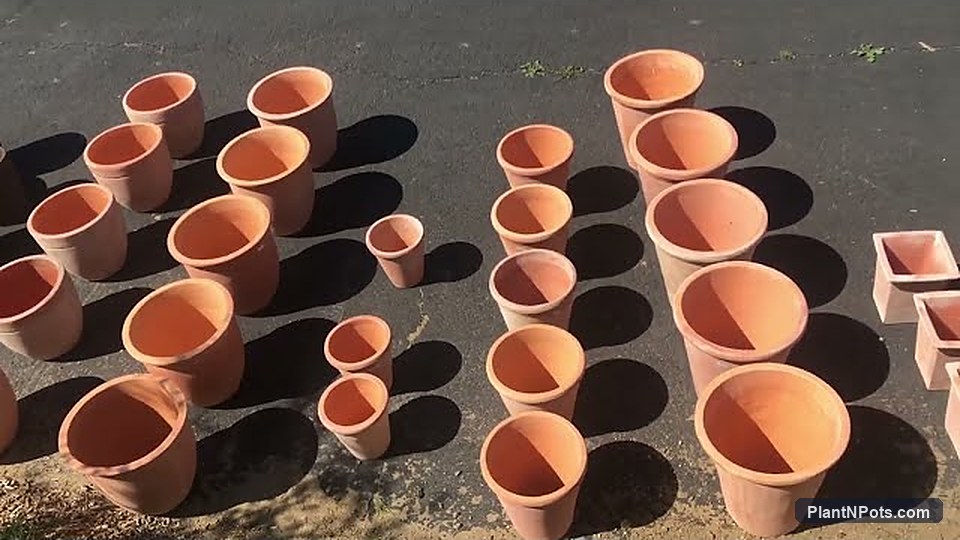
Oversized containers hold excessive soil volume that retains moisture far too long. This extended drying window invites fungal diseases, compromising plant health despite having a bottom drainage hole.
Material porosity also dictates overall moisture evaporation rates across different seasons. Unglazed terracotta breathes moisture outward through its walls, while glazed ceramics and plastic retain internal humidity longer.
Always verify that manufacturer drainage holes measure wide enough to prevent clogging. Mesh screens placed over large apertures keep soil inside while allowing unrestricted water flow.
Container geometry directly influences how water moves through soil substrates. Tall, narrow pots create an exaggerated perched water table, keeping the bottom soil saturated much longer than shallow, wide bowls configured for standard indoor succulent displays.
Hole diameter matters just as much as overall pot volume. For small desk planters under four inches wide, a single center drainage hole measuring at least one-quarter inch across provides sufficient outflow for normal domestic watering routines.
Larger decorative pots exceeding ten inches in diameter require multiple drainage outlets. Distributing three to four half-inch holes across the base ensures that heavy watering sessions drain evenly without leaving stagnant pockets near outer edges.
Material porosity interacts dynamically with physical drainage ports. Unglazed terra-cotta breathes along its entire surface, assisting drainage holes by evaporating lateral moisture, whereas glazed ceramics rely entirely on structural apertures to release trapped interior water volume.
- Match pot diameter closely to root ball size.
- Avoid overly large pots to prevent soil sogginess.
- Terracotta material accelerates evaporation rates.
- Mesh screens prevent soil loss through large holes.
Building a Well-Draining Soil Mix for Container Succulents
Standard potting compost holds far too much moisture for desert plants. Create custom blends combining coarse sand, perlite, and organic cactus mix to ensure rapid water evacuation.
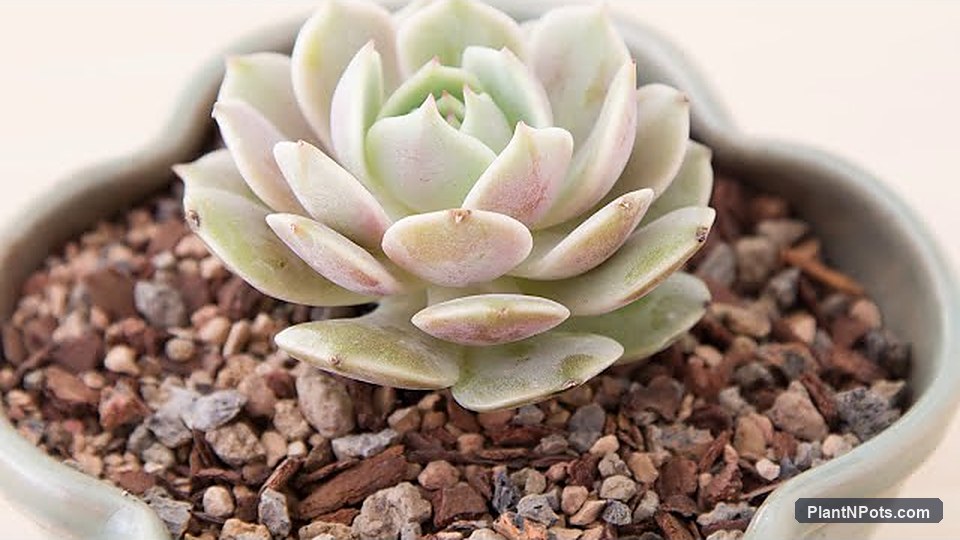
Inorganic amendments like pumice, chicken grit, and expanded clay create microscopic air channels. These porous pathways allow air to circulate while letting surplus moisture drain away cleanly.
Avoid placing coarse gravel layers directly at the bottom of containers. Physics dictates that perched water tables actually rise when fine soils sit directly above dense gravel layers.
Uniform soil composition throughout the entire pot promotes even moisture distribution. This consistent texture prevents perched water zones from forming unexpectedly near the container base.
Standard potting compost holds far too much moisture for desert natives. Crafting an ideal substrate requires blending organic matter with inorganic aggregates to create large pore spaces that facilitate rapid water movement and optimal aeration.
Combine fifty percent screened cactus compost with fifty percent inorganic grit. Excellent mineral components include coarse perlite, crushed pumice, poultry grit, or expanded shale, ensuring your final blend never compacts under routine household watering schedules.
Sift out fine dust particles using a mesh screen before mixing components together. Microscopic dust clogs interstitial spaces between larger grit pieces, inadvertently recreating the dense, water-retentive texture you are actively trying to avoid in containers.
Test your finished soil blend by squeezing a handful firmly. The mix should immediately crumble apart when released rather than holding a dense clump, proving it possesses the necessary structural porosity for safe succulent cultivation.
- Blend organic cactus mix with coarse perlite.
- Pumice and grit create vital air channels.
- Avoid false drainage layers made of bottom gravel.
- Keep soil texture uniform throughout the pot.
Precision Watering Techniques and Volume Control for Containers
Mastering container irrigation requires measuring exact water volumes applied per session. Using a graduated measuring cup prevents accidental over-saturation, especially when managing delicate desktop arrangements.
Narrow-spout squeeze bottles allow targeted delivery directly to the soil surface. This precise tool prevents water from pooling inside rosette centers, reducing the risk of unsightly leaf rot.
Always wait until the potting medium dries completely before initiating the next watering cycle. Check soil moisture depth using a wooden dowel inserted near the container edge.
Soak and dry methods mimic natural precipitation cycles found in native habitats. Apply water until it escapes the drainage hole, then let the substrate dry out fully.
Master the soak-and-dry method to protect containerized specimens from overwatering. Apply water thoroughly until it streams freely from the drainage holes, then withhold subsequent irrigation until the entire soil profile dries out completely.
Utilize a narrow-spout watering can to target soil directly at the base of your plants. Keeping foliage dry prevents fungal leaf spots and avoids trapping unwanted moisture in tight rosette centers during humid summer weather conditions.
Weigh your pots immediately after watering to establish a reliable baseline. Lifting containers manually provides an intuitive, highly accurate method for determining exact soil moisture levels without disturbing delicate underground roots with moisture meters.
Seasonal adjustments remain essential for long-term container health. Reduce watering frequency significantly during winter dormancy periods when ambient temperatures drop and natural light levels decrease, as plants require minimal hydration during cooler months.
- Measure exact water volumes using graduated cups.
- Use squeeze bottles to protect rosette leaves.
- Check soil dryness with a wooden dowel.
- Apply the soak and dry irrigation method.
Video Walkthrough: How and When to Water Succulents in Pots With and Without a Drainage Hole
Alternative Care Strategies for Non-Draining Planters
Glass terrariums and decorative cachepots lack functional drainage holes entirely. Keeping desert plants alive in these sealed vessels requires extreme precision, minimalist watering, and specialized care tools.
Pipettes and syringes help deliver microscopic water droplets directly to root zones. This controlled approach prevents surplus liquid from pooling uncontrollably at the bottom of glass bowls.
Absorbent paper towels can wick away accidental pools from glass containers. Tilt the vessel slightly and press rolled paper against the base to absorb trapped excess water.
Lacking drainage means you must reduce watering frequency by half. Monitor leaf plumpness closely; wrinkled foliage indicates thirst, while translucent leaves signal severe over-watering damage.
Planting in a decorative vessel without drainage demands extreme caution and discipline. Create an interior reservoir system by placing a thick gravel layer at the base beneath a plastic nursery pot featuring standard functional drainage slots.
When using a solid outer cachepot, always remove inner nursery pots during watering sessions. Allow excess runoff to drain completely in a sink for thirty minutes before returning the dry inner container back to its decorative housing.
Adjust your irrigation volume downward by roughly fifty percent if direct planting into a sealed container is unavoidable. Use a turkey baster or syringe to siphon away any lingering standing water visible at the base.
Monitor ambient relative humidity and indoor airflow rates closely when managing non-draining setups. Enhanced air circulation accelerates surface evaporation, helping compensate slightly for the lack of functional structural drainage ports within your custom display planters.
- Glass vessels demand minimalist watering routines.
- Pipettes deliver precise microscopic water amounts.
- Use paper towels to wick away pooled water.
- Monitor leaf plumpness to judge thirst levels.
Building Your Minimal Succulent Care Toolkit and Equipment
Assembling a dedicated container gardening toolkit simplifies routine plant maintenance tasks. Essential items include precision watering bottles, moisture meters, fine pruning shears, and repotting mats.
Long-nosed squeeze bottles enable accurate irrigation around crowded arrangements without wetting leaves. Pair these with graduated measuring cylinders to track exact water consumption during seasonal adjustments.
Small hand trowels and soft-bristled brushes clean stray soil particles from delicate rosettes. Keeping these tools organized ensures efficient repotting sessions whenever your plants outgrow their containers.
Investing in quality basic equipment prevents accidental plant damage during handling. Proper tools empower beginners to maintain healthy container gardens with confidence and structural precision.
Equipping yourself with specialized horticultural tools simplifies routine maintenance tasks. Essential items include a long-reach watering can, stainless steel tweezers for debris removal, and a soft dusting brush for keeping rosette leaves clean and healthy.
Invest in a quality soil scoop and a fine-mesh wire sieve for custom substrate blending. Having dedicated mixing basins prevents kitchen contamination and allows you to prepare precise batches of gritty media tailored for specific plant sizes.
Keep a pair of sharp, sterilized pruning shears handy for removing dead lower leaves. Clean cuts prevent pest infestations and discourage fungal spores from colonizing damaged plant tissue during damp indoor environmental conditions.
Store your minimal toolkit in a dry, accessible location near your indoor plant station. Organizing your gear efficiently ensures you can address routine maintenance, repotting needs, and prompt troubleshooting without unnecessary delays or frustration.
- Gather precision watering bottles and pipettes.
- Keep fine pruning shears for root maintenance.
- Use soft brushes to clean delicate rosettes.
- Organize tools for efficient repotting sessions.
Frequently Asked Questions
Can succulents survive permanently in pots without drain holes?
Succulents can survive in non-draining pots, but it requires extreme watering discipline and frequent moisture monitoring. Without bottom drainage, even slight miscalculations in water volume will trigger fatal root rot.
What is the best material for succulent pots?
Unglazed terracotta represents the gold standard for desert plants because its porous walls evaporate moisture rapidly. This natural breathability protects root systems against accidental over-watering by lowering internal humidity.
How often should I water container succulents?
Water your container succulents only when the potting soil feels completely dry throughout the entire profile. Typically, this means irrigating every two to three weeks depending on indoor temperature and humidity.
Should I put rocks at the bottom of my pot?
Placing rocks at the bottom of a pot does not improve drainage due to soil physics. Instead, it raises the perched water table closer to the roots, increasing rot risks.
How can I fix an over-watered succulent in a tight pot?
Gently remove the plant from its wet substrate and trim away any mushy, blackened roots using sterilized shears. Allow the remaining healthy root system to dry before repotting into fresh mix.

