Discover whether spider plants require drainage holes to thrive indoors. Learn expert pot selection and watering methods.
Key Takeaway:
Spider plants require pots with bottom drainage holes to prevent fatal root rot. Without proper drainage, their fleshy roots easily drown in stagnant moisture.
Quick-Reference Guide
| Factor / Scenario | Recommended Target | Why It Matters |
|---|---|---|
| Container Type | Pots with bottom holes | Ensures continuous gravity drainage and oxygen exchange |
| Soil Mix Ratio | 60% peat, 30% perlite, 10% bark | Promotes rapid percolation and prevents compaction |
| Watering Frequency | When top 2 inches dry | Protects tuberous roots from constant saturation |
| Runoff Management | Empty saucers in 10 minutes | Prevents reabsorption of mineral salts and rot |
| Container Sizing | 1-2 inches wider than roots | Avoids excessive damp soil mass and stagnation |
| Drainage Layer Myth | Avoid bottom gravel layers | Prevents perched water tables from rising |
Understanding Spider Plant Root Anatomy and Water Needs
Chlorophytum comosum features distinct fleshy, tuberous root systems designed to store vital water reserves. These specialized roots make the resilient foliage surprisingly sensitive to overly soggy potting soil conditions.
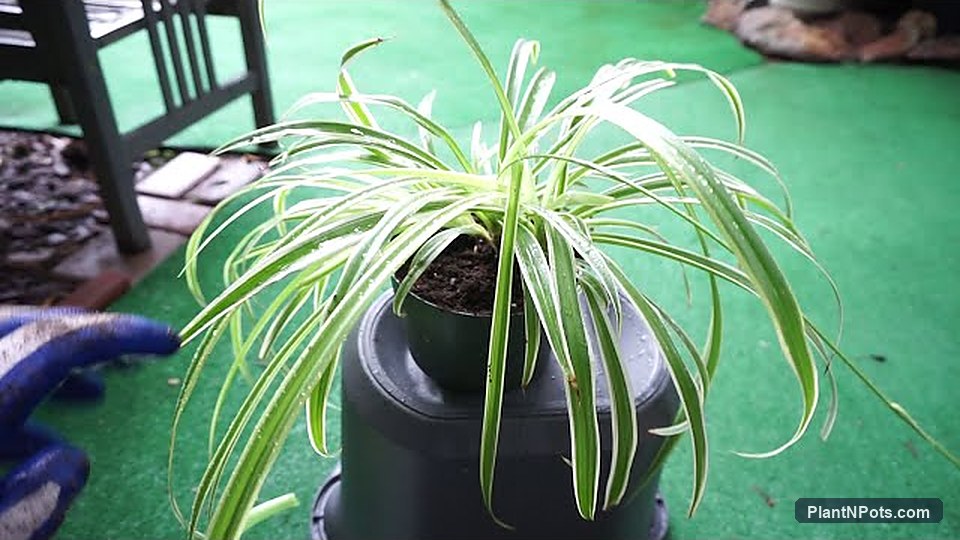
Because natural habitats experience seasonal drying cycles, stagnant bottom moisture mimics unnatural flooding. Indoor containers amplify this hazard unless excess water has a clear pathway to escape freely.
Understanding this biological structure dictates how you approach every container selection decision. Prioritizing root health starts with recognizing that subterranean organs require both moisture and oxygen simultaneously.
Healthy indoor specimens thrive inside breathable containers like [blue glazed plant pots](https://plantnpots.com/?p=1713). When excess irrigation blocks microscopic air pockets in the medium, root cells begin suffocating quickly.
Spider plants produce thick, fleshy tuberous roots that store critical moisture and nutrients to help the specimen survive dry spells between irrigation cycles, making them remarkably resilient indoor houseplants.
These specialized storage organs mean the root system is highly vulnerable to rot and decay if surrounding soil remains perpetually saturated without adequate oxygen circulation throughout the container profile.
Maintain indoor ambient temperatures between 60°F and 75°F to ensure optimal metabolic functions within the root mass, supporting healthy transpiration and balanced moisture uptake during every active growth phase.
During winter dormancy, reduce watering frequency significantly because cooler room temperatures slow down metabolic activity, requiring less moisture to prevent cellular collapse and long-term root system damage.
- Tuberous roots store natural moisture reserves efficiently.
- Subterranean organs require constant oxygen diffusion.
- Soggy soil mimics destructive natural flooding events.
- Porous spaces prevent early root cell suffocation.
Root Storage Mechanisms
Tuberous swelling allows these popular houseplants to survive brief periods of drought without visible damage. However, this same storage capacity turns destructive when saturated substrate prevents natural respiration.
Gardeners must balance moisture availability with adequate oxygen diffusion throughout the container profile. Recognizing these limits prevents accidental decline before severe symptoms manifest on foliage.
- Drought tolerance stems from specialized root swelling.
- Respiration halts rapidly in completely saturated soil.
Why Bottom Drainage Holes Are Critical for Indoor Containers
Drainage holes serve as the ultimate safety valve for container-grown houseplants. Without an escape route, gravity pulls irrigation water downward where it accumulates dangerously around the bottom roots.
Standard nursery pots almost always feature multiple bottom slots to facilitate rapid drainage. When utilizing decorative cachepots, always empty accumulated runoff promptly after every thorough watering session.
Perched water tables form immediately above the bottom of any enclosed pot lacking outlets. This physical phenomenon keeps the lower root zone perpetually saturated regardless of surface drying.
Eliminating perched water requires functional openings that allow excess liquid to drain entirely away. Container gardening standards mandate unobstructed bottom pathways for every long-term indoor planting setup.
Bottom drainage holes serve as the primary exit route for excess irrigation water, preventing harmful mineral salt buildups and stagnant perched water tables from accumulating at the pot base.
Without gravity-assisted drainage, heavy watering creates a saturated zone directly beneath the root ball, starving delicate root hairs of vital oxygen and accelerating fungal pathogen development.
Using reliable [terracotta pots with drainage holes](https://plantnpots.com/?p=1313) helps maintain proper air-to-water ratios within your potting mix, ensuring delicate root systems breathe freely after every thorough watering session.
When choosing decorative cachepots lacking drainage, always use an inner plastic liner pot to catch runoff and protect your furniture surfaces while preserving essential root zone health.
- Gravity pulls unbound moisture toward container bases.
- Nursery pots utilize slotted bases for rapid discharge.
- Perched water tables trap moisture near lower roots.
- Unobstructed pathways guarantee long-term container success.
Video Walkthrough: Do Your Plants Need Drainage Holes? My answer may surprise you!
Identifying the Dangers of Overwatering and Stagnant Moisture
Overwatering triggers immediate physiological stress in spider plants long before yellow leaves appear. Initial symptoms manifest as brown leaf tips caused by fluoride toxicity and root dysfunction combined.
Anaerobic bacteria multiply rapidly in waterlogged soil environments devoid of fresh oxygen. These harmful microbes attack weakened root tissues, transforming healthy white systems into brown, mushy decay.
Once root rot establishes itself, the plant struggles to transport vital moisture upward. Affected foliage eventually collapses, wilting despite wet surrounding soil because damaged roots cannot absorb water.
Severe infestations often require drastic intervention, including complete soil replacement and root pruning. Preventing these destructive cascades relies entirely on proactive drainage management during initial potting stages.
Overwatering manifests initially as yellowing leaf tips and limp foliage, progressing rapidly to soft, brown mushy roots that emit a distinct sour odor indicating anaerobic decay.
Stagnant moisture creates an ideal breeding environment for fungus gnats and root-rotting fungi like Pythium, which rapidly decimate the vital root structures of your indoor spider plant.
Allowing soil to stay waterlogged blocks essential nutrient absorption, causing the plant to starve despite adequate fertilization because damaged roots cannot transport minerals upward.
To diagnose root rot early, gently slide the plant out of its container and inspect the root system for dark, limp strands rather than firm, pale turgid tissues.
- Brown tips signal early physiological root stress.
- Anaerobic bacteria thrive in oxygen-depleted wet soils.
- Damaged roots fail to transport moisture upward.
- Severe rot requires extensive root pruning intervention.
Managing Containers That Lack Proper Drainage Openings
Growing spider plants in non-drained vessels demands extreme watering precision and vigilance. You must apply significantly less water per session while ensuring moisture distributes evenly throughout the profile.
Creating an internal gravel layer at the bottom is discouraged when using [quality clay pots](https://plantnpots.com/?p=3277). Modern horticultural science proves this drainage myth actually raises the perched water table.
Instead, insert a smaller plastic nursery pot featuring drainage holes inside your decorative outer container. This inner-pot method allows you to easily lift, drain, and manage excess irrigation safely.
Alternatively, use a long-reach turkey baster or siphon to remove standing water after watering. Never let your spider plant sit submerged in pooled runoff for more than ten minutes.
Growing spider plants in non-drained vessels requires adding a deep hydro-layer of expanded clay pebbles or coarse gravel at the bottom to catch excess runoff safely.
However, gravel layers do not prevent perched water tables; they merely elevate the root zone slightly, meaning you must still exercise extreme caution with watering volumes.
Employ a long-reach soil moisture meter inserted deep into the pot to accurately gauge subsurface dampness before adding fresh water to non-draining decorative containers.
Alternatively, drill functional drainage holes using a masonry bit for ceramic pots or a sharp heated metal spike for thick plastic containers to guarantee long-term success.
- Non-drained vessels demand extreme watering vigilance.
- Internal gravel layers raise perched water tables.
- Plastic inner inserts simplify safe water management.
- Siphons remove standing liquid from decorative pots.
Selecting Ideal Soil Compositions for Superior Container Drainage
Soil composition dictates drainage speed just as much as container structure. Heavy garden dirt compacts rapidly indoors, suffocating roots and halting water movement through the pot profile completely.
Formulate an ideal custom mix combining standard potting soil, perlite, and orchid bark. This coarse blend ensures maximum aeration and prevents dense compaction around sensitive tuberous roots over time.
Incorporating coarse sand or horticultural pumice further enhances internal water percolation rates. Avoid dense peat-heavy substrates that retain excessive moisture and dry out into hydrophobic solid blocks.
Testing your soil mixture before planting prevents frustrating drainage failures down the road. A properly balanced substrate should drain freely within seconds of complete saturation during watering checks.
Spider plants thrive in a porous, lightweight potting mix composed of standard peat, perlite, and coarse sand to facilitate rapid water percolation and aeration.
Avoid heavy garden soils or dense topsoils, as these compact tightly inside indoor pots, choking root systems and trapping moisture around the base for days.
Incorporating 20 to 30 percent perlite or pumice into your standard soil blend significantly improves macropore space, allowing excess moisture to drain swiftly away.
Adding horticultural charcoal helps neutralize odors and filters out impurities, maintaining a clean, healthy root environment throughout multiple growing seasons without frequent soil replacements.
- Heavy garden soil compacts quickly indoors.
- Perlite and bark create optimal root aeration.
- Pumice enhances internal water percolation speeds.
- Pre-planting tests verify proper substrate drainage.
Practical Techniques for Correct Watering and Moisture Control
Mastering correct watering techniques prevents accidental root saturation even in well-prepared containers. Always check soil moisture several inches deep using your finger before initiating another watering cycle.
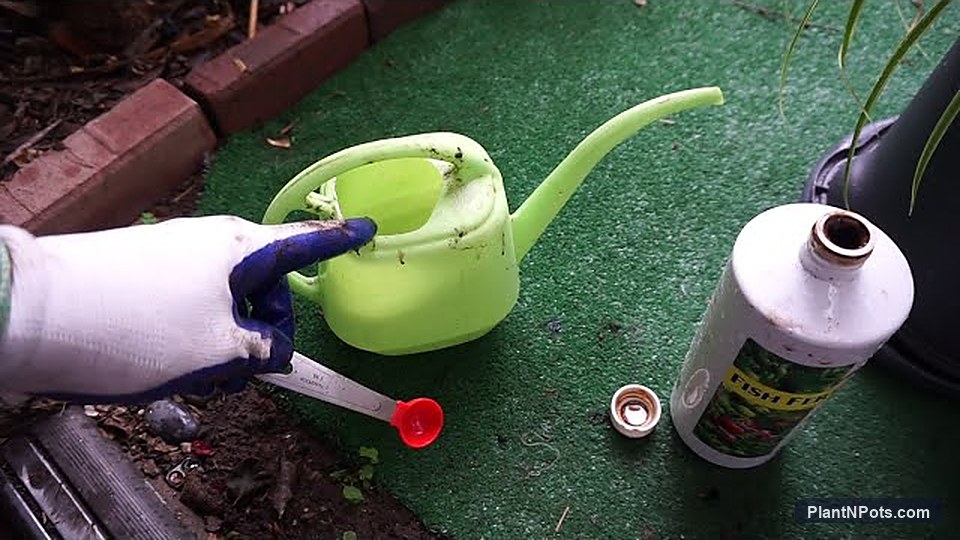
Adopt the thorough soak-and-drain method for all container-grown spider plants. Apply water evenly until it streams freely from bottom holes, then allow every drop of excess liquid to escape.
Never let container bases rest directly in saucers filled with discarded runoff water. Empty collection trays immediately to prevent roots from reabsorbing mineral-heavy wastewater through bottom apertures.
Seasonal adjustments maintain optimal hydration as indoor heating and daylight levels fluctuate. Reduce watering frequency during dark winter months when plant growth slows down and evaporation rates drop.
Adopt the thorough soak-and-drain method, pouring water over the soil until it runs freely from the bottom holes, then discarding all accumulated runoff immediately.
Never allow potted spider plants to sit in saucers filled with standing water for more than ten minutes, as the potting mix will reabsorb unwanted moisture.
Test moisture levels by inserting your finger two inches deep into the soil; if the media feels dry and crumbly, it is time for a thorough watering.
Utilize room-temperature distilled or filtered water to prevent unsightly brown leaf tips caused by fluoride and chlorine accumulations commonly found in municipal tap water supplies.
- Check soil depth before each watering session.
- Utilize the thorough soak-and-drain method.
- Empty collection saucers promptly after watering.
- Adjust watering intervals during dark winter months.
Repotting Methods to Enhance Root Health and Water Flow
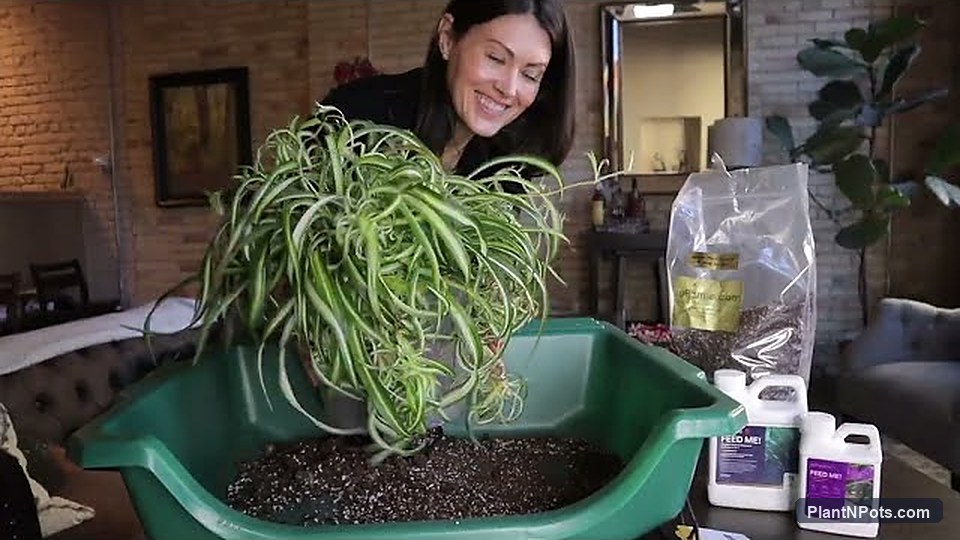
Routine repotting refreshes depleted soil structure and corrects long-term container drainage issues. Spring marks the ideal season to transfer root-bound specimens into slightly larger, well-ventilated housing structures.
Inspect root systems carefully during every container upgrade procedure for signs of circling. Gently tease apart tight outer roots to encourage outward growth into the fresh potting mix.
Select containers measuring only one to two inches wider than the previous root ball. Over-potting introduces excessive damp soil volume that retains moisture far too long for safety.
Clean all reused nursery pots thoroughly with a mild soapy solution and rinse well. Eliminating lingering pathogens protects newly transplanted spider plants from sudden fungal infections during establishment.
Repot root-bound spider plants every two to three years during active spring growth, selecting a new container that is only one size larger to prevent over-saturation.
Gently tease apart tightly wound roots during repotting to encourage outward growth and remove any dead, decaying strands using sterilized pruning shears before planting.
Fill the container base with fresh, well-draining soil, position the plant at its original depth, and firm the media gently to eliminate large air pockets.
Water the newly repotted specimen thoroughly to settle the soil around the roots, then place it in bright, indirect light to recover from transplant stress smoothly.
- Spring repotting refreshes depleted soil structures.
- Tease circling roots to encourage outward spread.
- Limit container size increases to two inches.
- Sanitize reused pots to prevent fungal infections.
Frequently Asked Questions
Do spider plants need drainage holes in their pots?
Spider plants strictly require pots with drainage holes to prevent fatal root rot. Without these vital escape routes, excess water collects at the bottom and suffocates their fleshy, water-storing root systems.
Can I grow a spider plant in a pot without drainage?
Growing them in non-drained pots is possible but extremely risky. You must use an inner nursery pot or practice absolute precision watering to prevent standing moisture from destroying underground roots.
Does putting rocks at the bottom of a pot improve drainage?
Placing gravel or rocks at the bottom of a container does not improve overall drainage. This outdated gardening myth actually elevates the perched water table closer to sensitive plant roots.
What are the primary signs of poor container drainage?
Poor drainage manifests as persistently wet soil, yellowing lower foliage, brown leaf tips, and a musty odor. Severe cases cause mushy, dark roots that fail to absorb necessary moisture for growth.
How often should I water a well-drained spider plant?
Water your plant thoroughly whenever the top two inches of soil feel completely dry to the touch. Always discard any runoff collected in saucers immediately after every watering session.

