Discover why fabric containers manage moisture uniquely. This practical guide explains container physics and proper watering methods.
Key Takeaway:
Traditional drainage holes are completely unnecessary because breathable geotextile fabric allows excess water to escape freely through the entire surface area.
Quick-Reference Guide
| Factor / Scenario | Recommended Target | Why It Matters |
|---|---|---|
| Fabric Permeability | High Porosity | Prevents root rot by ensuring rapid water exit. |
| Material Thickness | 200 to 400 GSM | Balances structural integrity with ideal evaporation rates. |
| Base Elevation | 2 inches raised | Enhances bottom airflow and prevents surface pooling. |
| Soil Composition | Lighter organic mix | Optimizes moisture retention within breathable walls. |
| Irrigation Frequency | Increased volume | Compensates for rapid evaporation through sidewalls. |
| Winter Storage | Clean and dry | Prevents fabric degradation and mold accumulation. |
Understanding the Mechanics of Fabric Grow Bags
Fabric grow bags revolutionize modern container gardening by replacing rigid plastic with breathable geotextile materials. These specialized vessels encourage superior root structures through natural air pruning processes.
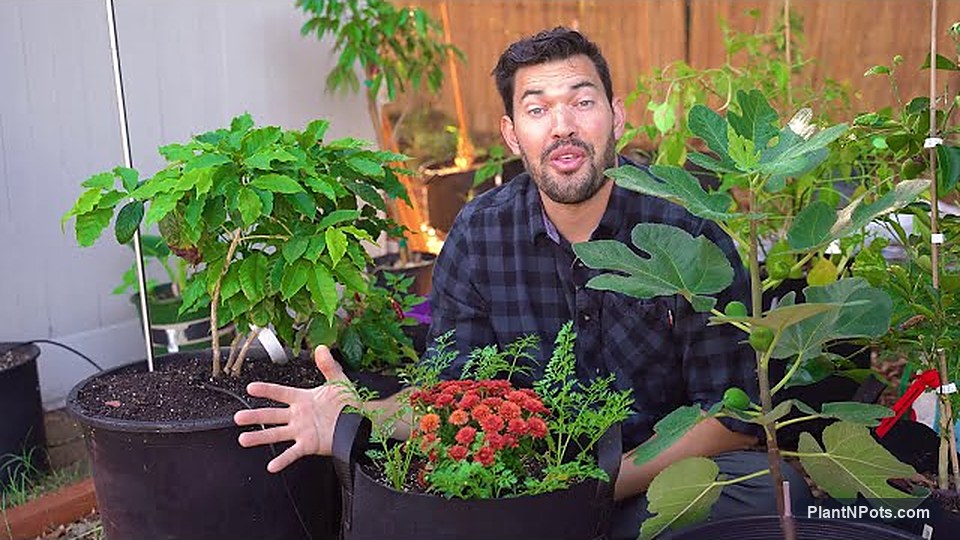
Gardeners often wonder if these flexible planters require mechanical drainage modifications. Unlike solid pots, the entire container body serves as a permeable membrane for excess water movement.
Selecting the right bag thickness and synthetic blend dictates moisture retention levels. Heavy-duty non-woven polypropylene offers exceptional durability while maintaining uniform breathability across the entire surface.
Understanding how ambient airflow interacts with your soil mass prevents overwatering mistakes. Proper oxygen exchange directly supports beneficial microbial colonies residing within the root zone.
Fabric grow bags utilize breathable geotextile materials like non-woven polypropylene to promote root health. This design diverges completely from traditional rigid plastic pots that rely on gravity-fed drainage holes.
Standard consumer options feature densities ranging from 200 to 400 GSM. This specific fabric weight balances structural integrity with optimal water permeability, ensuring excess moisture escapes uniformly across the entire surface area.
When choosing containers for larger root systems, using the [best 10 gallon grow bags](https://plantnpots.com/?p=1005) ensures ample space. Air pruning naturally stops circling roots and stimulates dense lateral branching without physical drainage punctures.
Managing soil volume is critical when filling these flexible containers up to two inches below the rim. Proper headspace prevents overflow during heavy rainfall and guarantees efficient horizontal water distribution through the fabric walls.
- Geotextile fabric eliminates stagnant pooling by allowing gravity to pull excess moisture freely through every single square inch of the sidewall material.
- Natural air pruning successfully stops circling roots by naturally desiccating root tips when they reach the oxygen-rich exterior perimeter wall structure.
- Breathable containers require adjusted irrigation schedules because moisture evaporates much faster through fabric than through glazed ceramic or plastic pots.
- Synthetic felt blends provide superior frost resistance during shoulder seasons by insulating delicate root systems against sudden temperature drops.
Evaluating Material Density and Weave
Material density directly influences how quickly your potting mix dries out under direct summer sunlight. Thicker fabrics hold more moisture during peak heatwaves.
Choosing premium virgin polypropylene fibers ensures your containers withstand ultraviolet radiation without degrading prematurely during multiple growing seasons.
- Check gram weight specifications before purchasing to guarantee long-term structural reliability.
- Avoid ultra-thin materials that tear easily when relocating heavy soil-filled planters.
The Critical Science Behind Container Drainage
Proper container drainage prevents anaerobic conditions that suffocate delicate root hairs and attract harmful pathogens. Waterlogging remains the number one cause of indoor and outdoor plant failure.
Physics dictates that perched water tables form at the bottom of solid pots when water meets a restricted exit point. Fabric walls completely disrupt this damaging hydrostatic pressure zone.
Excess moisture moves downward via gravity and outward through microscopic interstitial spaces between woven fibers. This dual-directional movement keeps root zones exceptionally aerated and healthy.
Understanding soil hydraulic conductivity helps match your potting medium with the rapid drainage capabilities of modern fabric planter bags.
Container capacity relies on gravitational water drainage rather than capillary action alone. Excess moisture must overcome matric suction within the soil matrix to move downward and exit through porous container walls safely.
Perched water tables form naturally at the bottom of solid pots due to pore size contrast. Fabric containers disrupt this saturated zone by allowing lateral weeping, which significantly reduces root rot risks during prolonged rain events.
Hydraulic conductivity dictates how fast water moves through potting media. Selecting a substrate with coarse perlite or bark maintains high permeability, preventing the interior soil from compacting and blocking natural moisture migration pathways.
Upgrading to the best large self watering planters helps regulate moisture efficiently. Maintaining optimal air-filled porosity around 15 to 25 percent ensures roots receive adequate oxygen and prevent root rot.
- Hydrostatic pressure is eliminated because water escapes laterally instead of pooling exclusively at the absolute bottom.
- Perched water tables vanish when container walls match the permeability of internal soil components.
- Root suffocation drops dramatically when oxygen penetrates the lower soil layers through permeable walls.
Managing Soil Porosity and Compaction
Heavy garden soils compact easily and restrict the natural outflow of excess irrigation water. Always incorporate coarse perlite or aged bark to maintain optimal pore space.
Loose potting mixes facilitate rapid water movement toward the breathable fabric exterior without causing destructive soil erosion.
- Blend organic compost with inorganic amendments for balanced structure.
- Avoid pressing wet soil down too firmly during planting tasks.
Video Walkthrough: Why Grow Bags?
How Porous Materials Drain Without Punched Holes
Many first-time users panic when they inspect new fabric containers and find zero drainage holes punched inside. The breathable fabric itself acts as thousands of microscopic drainage ports.
Water molecules pass effortlessly through the porous polymer matrix through capillary action and gravitational pull. This uniform filtration prevents localized water pockets from forming inside.
You never need to grab scissors or hot irons to modify high-quality non-woven fabric planters before adding your soil. Damaging the structural weave compromises container longevity unnecessarily.
The entire perimeter functions as an active drainage system, ensuring your plants never sit in standing water after heavy rainstorms.
Non-woven geotextiles create thousands of micro-channels across their entire surface. Water molecules pass through these microscopic interstitial spaces seamlessly, rendering traditional drilled drainage holes completely unnecessary for effective moisture control.
Surface tension and gravity work in tandem to pull excess water outward. As soil saturation peaks, hydrostatic pressure forces liquid toward the path of least resistance, which includes the permeable side panels.
Evapotranspiration accelerates moisture loss by allowing direct evaporation through the breathable fabric walls. This dual-action drying mechanism dries out soggy perimeter soil much faster than standard glazed ceramic or plastic containers.
Salt buildup can occasionally clog these microscopic pores over time. Rinsing the exterior fabric periodically with clean tap water dissolves accumulated mineral deposits and restores full permeability before the next growing season.
- Microscopic pores distribute water exit points evenly across the entire lower and middle sidewalls.
- Fabric integrity stays completely intact when you skip unnecessary physical cutting or burning modifications.
- Natural filtration prevents soil washout while efficiently releasing unwanted surplus liquid volume.
The Role of Evapotranspiration
Evapotranspiration combines soil evaporation with plant transpiration to regulate internal moisture balances efficiently. Fabric walls enhance this natural cooling process significantly.
Surrounding air currents wick moisture directly away from the exterior fabric walls, speeding up dry-back times after watering sessions.
- Position containers in breezy areas to maximize external evaporation rates.
- Monitor soil moisture levels closely during windy, low-humidity meteorological conditions.
Addressing Standing Water and Permeability Failures
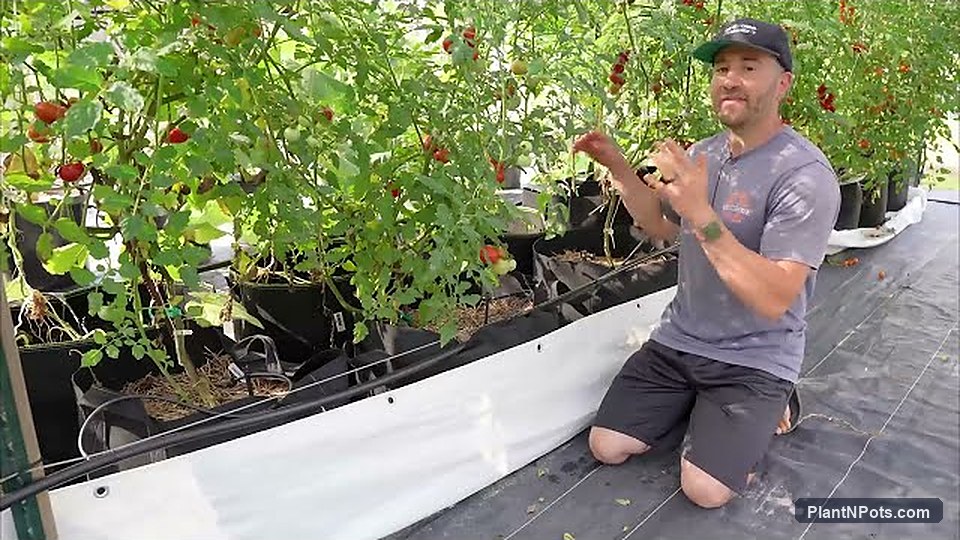
Occasionally, gardeners notice water pooling beneath their fabric containers despite the inherently porous material design. This usually indicates compacted underlying surfaces blocking lateral moisture release.
Placing fabric pots directly on impermeable concrete patios or clay soil stops gravity-driven drainage. Elevating containers on pot risers instantly restores proper vertical airflow beneath.
Mineral salt buildup can also clog fabric pores over time when using hard tap water or chemical fertilizers. Rinsing the exterior periodically restores full permeability and breathability.
Identifying drainage bottlenecks early prevents root rot and ensures your container garden thrives throughout the entire warm growing season.
Standing water around the base indicates severe soil compaction or hydrophobic media. Break up surface crusts gently using a hand cultivator to restore vertical water movement toward the fabric walls.
Algae and moss accumulation on exterior walls can seal off airflow. Scrubbing the affected areas gently with a stiff-bristle brush removes organic blockages and reestablishes normal transpiration rates within minutes.
Elevating fabric containers on slatted grates prevents pooling on solid patio surfaces. This simple adjustment ensures unrestricted bottom airflow, which stops moisture from trapping underneath the heavy geotextile base material.
Substrate replacement becomes necessary if organic matter breaks down completely into fine silt. Repotting plants into fresh mix restores the ideal hydraulic conductivity required for proper container drainage performance.
- Pot risers or wooden slats create necessary clearance beneath the container base for airflow.
- Regularly flush mineral crusts using plain filtered water to keep fabric pores completely open.
- Move planters off soggy ground immediately if standing water threatens root zone health.
Common Container Mistakes Causing Drainage Issues
Using heavy garden topsoil inside fabric bags creates dense, impermeable layers that resist natural drainage. Always rely on lightweight, high-porosity container soil blends instead.
Setting fabric planters inside decorative solid saucers without spacers traps drained water against the base. This negates the primary benefit of breathable container gardening completely.
Over-compacting soil during the planting process destroys essential macropores needed for smooth water movement toward the fabric walls.
Neglecting routine container maintenance leads to clogged pores, reduced oxygen exchange, and declining plant vitality.
Placing fabric bags directly on impermeable clay soil restricts lateral weeping. Always set containers on crushed gravel beds or pot risers to facilitate rapid moisture discharge from the lowest points.
Using heavy garden soil instead of a dedicated potting mix ruins drainage. Garden dirt contains dense clay particles that clog fabric pores, requiring a lightweight mix featuring peat moss and perlite.
Choosing the [best cyclamen in hanging baskets](https://plantnpots.com/?p=5105) requires careful soil management. Overfilling containers leaves insufficient room for expansion during heavy irrigation, preventing water from spilling over the top edge.
Ignoring saucer usage beneath indoor fabric pots traps stagnant discharge water. Empty drainage saucers within thirty minutes of watering to prevent roots from reabsorbing harmful toxins and excess mineral salts.
- Never place fabric bags directly inside flat waterproof trays without elevating blocks.
- Avoid using dense clay or heavy garden dirt that destroys internal soil porosity.
- Do not pack potting mix down aggressively when filling your new planters.
Best Practices for Setting Up Outdoor Grow Beds
Arranging multiple fabric planters requires strategic placement to ensure optimal drainage and maximum sunlight exposure. Grouping containers correctly simplifies your daily watering and maintenance routines.
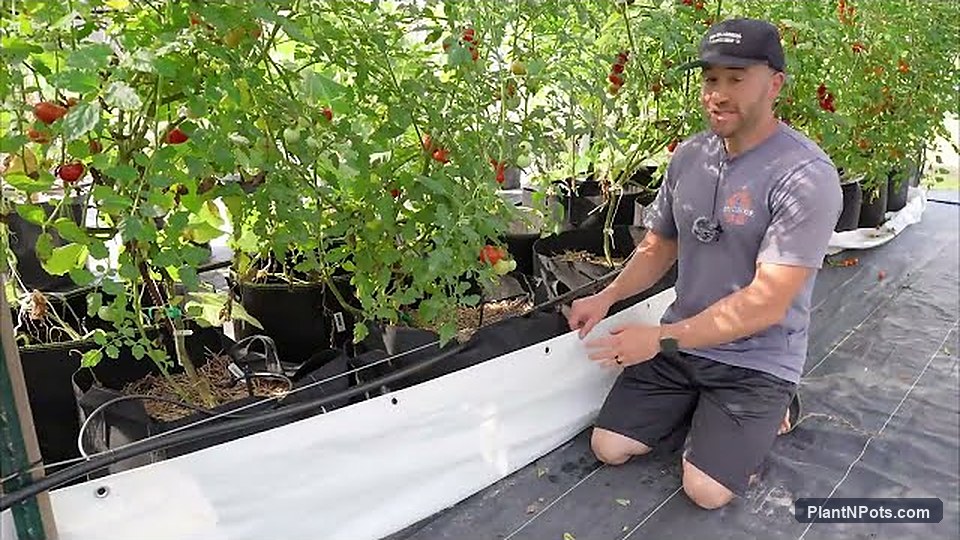
Surface selection plays a massive role in overall container drainage efficiency and long-term plant health. Gravel pads or wooden decking provide superior runoff management compared to bare soil.
Leaving adequate spacing between individual bags encourages healthy air circulation around every single plant stem and foliage canopy.
Implementing consistent watering habits prevents sudden moisture fluctuations that stress sensitive vegetable and flower crops.
Select a level outdoor location receiving at least six hours of sunlight daily. Proper sun exposure warms the root zone and accelerates natural evaporation through the breathable fabric walls.
Lay down a weed suppression fabric before positioning your grow bags outdoors. Cover this barrier with two inches of pea gravel to promote exceptional drainage and prevent ground moisture wicking.
Space individual containers at least twelve inches apart to maximize air circulation. Adequate spacing prevents fungal diseases by allowing rapid drying of exterior fabric surfaces after heavy summer rainstorms.
Anchor large bags securely if local wind speeds exceed twenty-five miles per hour. Empty fabric bags can shift or blow over easily before root systems establish deep structural anchorage.
- Gravel beds allow excess water to drain cleanly away from container bases.
- Maintain at least six inches of space between adjacent fabric bags for airflow.
- Use automated drip irrigation systems to deliver steady, controlled moisture volumes.
Alternative Materials and When Modification is Required
While fabric bags drain naturally through their walls, traditional plastic pots and ceramic containers require manual holes. Understanding these material differences prevents costly plant cultivation errors.
Plastic nursery pots need drilled bottom holes to prevent fatal waterlogging and root asphyxiation. Always inspect rigid containers before adding soil to verify adequate drainage capacity.
Modified storage totes or DIY buckets require careful drilling with spade bits to establish reliable water exit channels. Never skip this crucial step when repurposing household items.
Recognizing when a container demands mechanical intervention ensures your entire garden setup operates with peak efficiency.
Plastic containers and glazed ceramic pots lack inherent wall permeability. These rigid materials require drilled bottom drainage holes measuring at least one-half inch to prevent fatal root rot conditions.
Modifying plastic bins demands a heated soldering iron or power drill. Create multiple holes spaced four inches apart across the bottom surface to ensure adequate water discharge capacity.
Adding a basal drainage layer of coarse gravel remains unnecessary in modern containers. This outdated practice actually raises the perched water table, reducing the effective root zone depth significantly.
Inspect alternative containers seasonally for stress cracks or blocked drainage outlets. Clear any mineral blockages immediately using a wire probe to maintain reliable long-term hydraulic performance across all vessels.
- Rigid plastic pots always require physical drainage holes drilled into the bottom.
- Repurposed household containers need multiple half-inch exit holes for proper runoff.
- Fabric bags remain the only containers that drain entirely through their porous walls.
Frequently Asked Questions
Do I need to put rocks at the bottom of a fabric grow bag?
Adding rocks or gravel is completely unnecessary and actually hinders proper moisture movement. Modern container science proves that soil interfaces create perched water tables, so filling your fabric bag entirely with uniform potting mix works best.
Will water leak out of fabric grow bags and ruin my deck?
Excess water does escape through the permeable fabric walls during thorough watering sessions. Always place waterproof trays with risers underneath indoor or deck-situated bags to catch runoff and protect wooden surfaces.
How can I clean mineral salt buildup off fabric grow bag walls?
White crusty deposits often form from hard water and fertilizer salts over time. Soak your empty fabric containers in a mild vinegar solution and scrub gently to restore full permeability.
Can I reuse fabric grow bags for multiple growing seasons?
High-quality non-woven polypropylene bags easily last several years with proper care. Empty old soil, brush away debris, and store your durable planters in a dry, frost-free location over winter.
Why is my fabric grow bag staying wet and refusing to dry?
Constant dampness usually results from poor ambient airflow or sitting directly on wet ground. Elevating your breathable container on pot risers instantly improves bottom ventilation and speeds up drying.

