Discover the vital mechanics of container drainage for desert plants. This technical guide explores container science, watering habits, and root health for thriving cacti.
Key Takeaway:
Yes, cacti strongly need drainage holes to prevent fatal root rot from accumulated moisture. Using well-draining vessels protects your plants against stagnant water and soil compaction.
Quick-Reference Guide
| Factor / Scenario | Recommended Target | Why It Matters |
|---|---|---|
| Container Type | Pots with Perforations | Ensures complete gravitational water runoff |
| Soil Porosity | 50% Inorganic Grit | Prevents perched water tables in root zones |
| Watering Frequency | Completely Dry Between | Protects specialized water-storing tissues |
| Saucer Management | Empty Within 15 Minutes | Stops stagnant water reabsorption into soil |
| Alternative Method | Double Potting Setup | Isolates decorative vessels from wet media |
| Substrate Organic Level | Under 20 Percent | Reduces compaction and microbial breakdown risks |
Understanding the Natural Habitat and Water Requirements of Cacti
Cacti evolve in arid environments characterized by infrequent rainfall and highly permeable sandy soils. These native adaptations mean their root systems require rapid drying cycles after every single irrigation event.
When cultivated indoors or on patios, desert plants lack natural evaporation forces found in open landscapes. Therefore, your container selection and potting media must replicate those rapid-drainage conditions to ensure long-term survival.
Excess moisture sitting at the base of a container suffocates delicate root hairs within hours. Understanding these native traits guides every decision you make regarding pot materials, interior dimensions, and supplemental watering schedules.
Without adequate gravitational pull drawing water downward, moisture hangs suspended in the substrate pore spaces. This phenomenon, known as a perched water table, creates a permanently saturated zone dangerous for desert flora.
Native desert environments expose cacti to intense solar radiation and infrequent, torrential downpours. Soils are exceptionally gritty, ensuring rapid percolation that prevents moisture from sitting near delicate root systems for extended periods.
During prolonged dry spells, desert succulents rely on specialized internal tissues to store large volumes of water. This evolutionary adaptation makes them vulnerable to overwatering when cultivated in standard indoor container environments without proper drainage.
Temperature fluctuations in native habitats feature hot days and cool nights, which stimulate natural metabolic cycles. Replicating these specific conditions indoors requires careful attention to ambient temperature ranges between 65 and 80 degrees Fahrenheit.
Seasonal dormancy periods dictate a drastic reduction in hydration frequency. During winter months, lowering indoor temperatures and withholding moisture protects plants from physiological stress and prevents accidental root decay caused by stagnant potting soil.
- Replicate arid conditions using coarse substrates.
- Account for lower indoor evaporation rates.
- Prevent perched water tables in standard pots.
- Match watering volume to seasonal temperature shifts.
Seasonal Water Absorption Dynamics
During active spring and summer growth phases, cacti consume moderate amounts of water before entering dormancy. You must adjust your hydration frequency based on ambient temperature and relative humidity levels.
In contrast, winter dormancy requires minimal moisture because metabolic rates drop significantly across most species. Introducing excess water during cold months guarantees root failure if containers lack proper drainage mechanics.
- Monitor ambient humidity levels indoors.
- Reduce watering frequency during winter dormancy.
The Physiological Impact of Water Retention on Cactus Roots
Cactus roots feature specialized tissues designed to store emergency water reserves during extended droughts. However, prolonged physical contact with standing water overwhelms these cellular structures and triggers rapid tissue breakdown.
Anaerobic bacteria thrive in waterlogged soil environments devoid of circulating oxygen gas. Once these harmful pathogens colonize damaged root tips, they quickly spread upward into the main stem and destroy the plant.
Utilizing best clay pots for plants helps maintain an ideal balance of moisture and air within the root zone. When containers lack escape routes, this ecological balance fails completely.
Recognizing how water accumulation stresses plant cells helps you prevent catastrophic structural collapse. Healthy root networks need frequent oxygen exchange, which is heavily restricted when soil pores remain permanently flooded.
Trapped moisture inside an unvented container suffocates root tissues by displacing essential oxygen pockets within the substrate. Without adequate airflow, beneficial aerobic bacteria perish, creating an ideal environment for pathogenic fungal spores to multiply rapidly.
Prolonged saturation causes root hairs to rupture, destroying the plant's ability to absorb vital nutrients and minerals. This breakdown triggers systemic cellular collapse, leading to soft, translucent patches that quickly spread upward toward the main stem.
Once root decay compromises the subterranean network, the visible stem loses structural rigidity and begins to lean. Ignoring these early distress signals results in irreversible tissue necrosis, rendering propagation the only viable method for saving the specimen.
Chemical imbalances in stagnant soil further exacerbate root damage by altering pH levels beyond safe thresholds. Maintaining optimal substrate porosity prevents mineral salt buildup and safeguards delicate root tips from chemical burn during regular watering cycles.
- Protect specialized water-storing root tissues.
- Prevent anaerobic bacterial colonization in wet soil.
- Maintain optimal oxygen gas exchange ratios.
- Stop tissue breakdown before stem rot occurs.
Symptoms of Subsurface Oxygen Deprivation
Suffocating roots quickly turn translucent, mushy, and foul-smelling as cellular decay sets in beneath the soil surface. You will notice the base of your cactus softening long before upper discoloration appears.
Immediate intervention involving repotting and trimming dead roots remains your only option once oxygen deprivation occurs. Prevention through proper drainage always outperforms emergency surgical treatments on declining specimens.
- Inspect subterranean tissues during routine maintenance.
- Prune mushy roots back to healthy white tissue.
Video Walkthrough: Do Your Plants Need Drainage Holes? My answer may surprise you!
Why Drainage Holes Serve as the Gold Standard for Containers
Gravity pulls excess moisture downward through the growing medium until it encounters a solid barrier or escapes. Drainage holes provide that essential exit point, allowing surplus irrigation water to drain completely away.
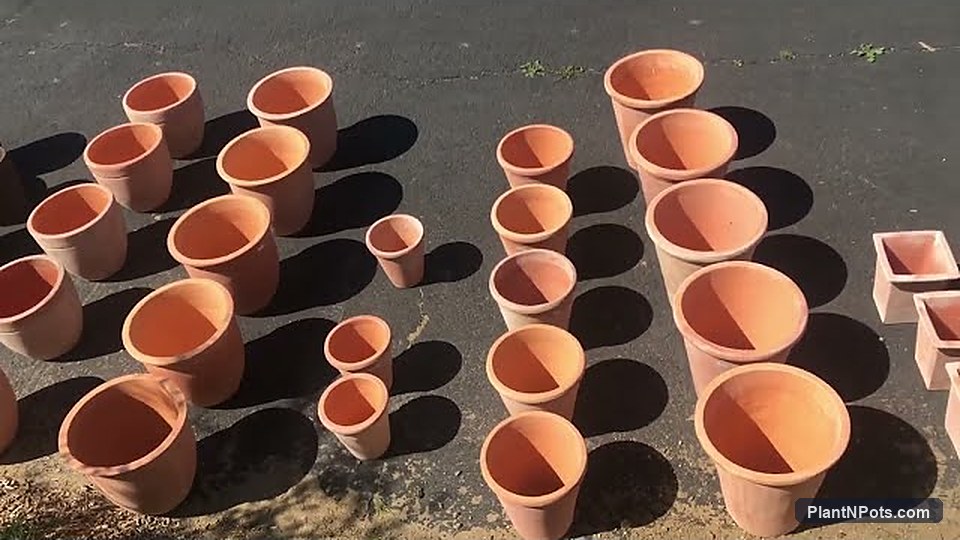
Selecting [best terracotta pots with drainage holes](https://plantnpots.com/?p=1313) ensures surplus irrigation escapes quickly. This structural reliability prevents stagnant pooling, safeguarding your indoor greenery from root rot.
When water flows freely out the bottom, it flushes out accumulated mineral salts and fertilizer residues. Without drainage holes, these chemical salts build up rapidly and burn delicate root tips over time.
Selecting vessels with appropriately sized drainage openings guarantees reliable long-term performance for your indoor succulent collections. Always verify that manufacturer perforations are not blocked by internal glaze drips or saucers.
Containers featuring bottom apertures allow excess irrigation fluid to escape freely, eliminating perched water tables at the base. This mechanical simplicity ensures consistent moisture distribution throughout the entire root zone without requiring precise volumetric measurements.
Gravity acts as a reliable filter, pulling surplus moisture downward and out of the pot during every watering session. This flushing action also prevents toxic salt accumulations derived from tap water and synthetic fertilizers from concentrating below.
Selecting unglazed terra cotta pots with centralized drainage holes enhances evaporation rates through porous clay walls. This dual-action moisture control provides an optimal environment for arid plant species that despise sitting in damp, heavy soil.
Saucers placed beneath pots must be emptied within minutes to prevent reabsorption of discharged liquid. Proper air circulation around the drainage port is essential for maintaining aerobic soil conditions and preventing pest infestations in stagnant water.
- Use gravity to remove surplus irrigation water.
- Flush out harmful mineral salt deposits.
- Eliminate standing water at container bases.
- Protect sensitive root tips from chemical burns.
Sizing and Placement of Drainage Perforations
Larger pots require wider drainage openings or multiple holes to handle heavier watering volumes effectively. A single center hole works well for small 4-inch containers, while larger planters benefit from clustered perforations.
Cover large holes with breathable mesh screens to retain soil while letting water escape freely. Avoid packing dense materials into the base, as this disrupts natural gravitational water movement through the media profile.
- Match hole count directly to container diameter.
- Use plastic mesh patches to retain soil.
Managing Cacti in Pots Without Drainage Holes Safely
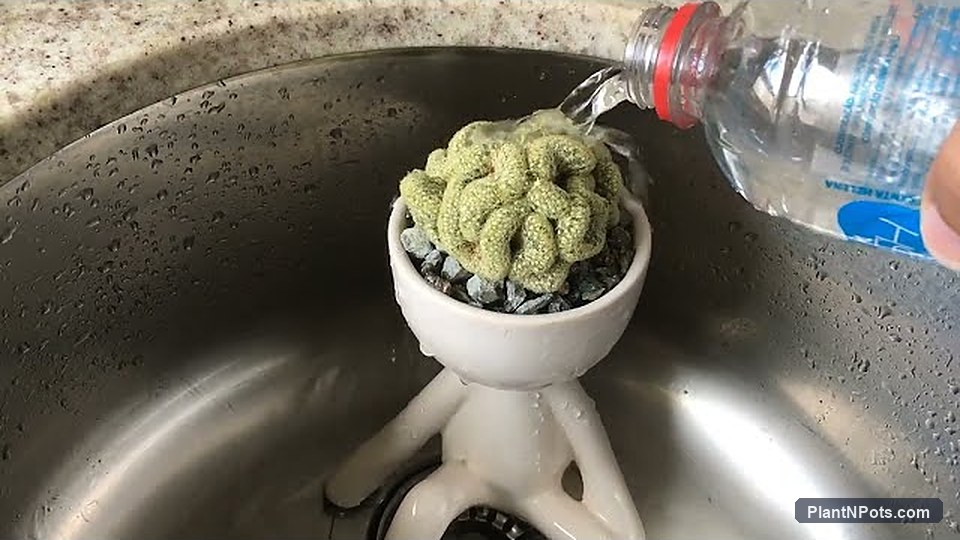
Growing cacti in decorative pots lacking drainage holes is possible if you implement strict watering protocols. You must apply significantly less water during each session to prevent deep pooling at the bottom.
Applying precise amounts of water using a narrow-spouted watering can gives you total control over volume. Never saturate the entire soil column when using non-draining decorative containers for desert plant specimens.
Incorporating a deep bottom layer of coarse gravel inside non-draining pots is a common gardening myth. This practice actually raises the perched water table closer to the roots, increasing potential rot risks.
Instead of adding useless gravel layers, mix extra pumice and perlite directly into your potting soil. This ensures the entire medium retains less total moisture without creating hazardous saturated lower zones.
Growing succulents in decorative cachepots requires establishing a dedicated gravel layer at the base to catch runoff. However, this method requires extreme restraint because excess pooling water remains hidden beneath the soil line, threatening roots.
Volumetric watering replaces traditional saturation methods when managing unvented vessels. Using a graduated syringe or squeeze bottle allows precise delivery of measured moisture quantities, ensuring the root zone dampens slightly without creating bottom saturation zones.
Moisture meters provide objective data regarding subsurface humidity levels before you add additional hydration. Checking depths up to three inches helps prevent premature watering mistakes that frequently lead to hidden root rot in sealed containers.
Repotting unvented specimens every twelve to eighteen months refreshes depleted substrates and permits thorough root inspections. This preventive maintenance cycle minimizes risks associated with mineral salt toxicity and long-term soil compaction inside decorative planters.
- Control watering volume with precision spouts.
- Avoid placing gravel layers at container bases.
- Blend extra pumice directly into potting soil.
- Monitor soil moisture deeply using bamboo skewers.
Utilizing Moisture Meters and Bamboo Skewers
Insert a clean bamboo skewer deep into the container center to accurately assess hidden subsurface moisture. If soil particles adhere or the wood darkens, postpone watering until complete dryness occurs throughout.
Digital soil moisture meters offer another reliable way to check root-zone conditions in solid vessels. Always test multiple depths to ensure the lowest soil profile is not holding hidden stagnant water.
- Insert bamboo skewers near container centers.
- Verify complete dryness before adding water.
The Importance of Porous Soil Amendments and Specialized Substrates
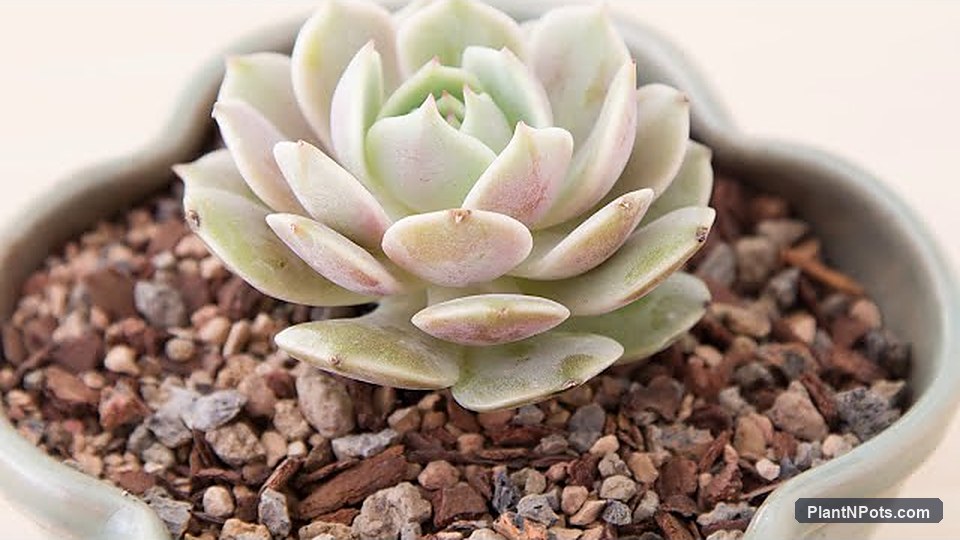
Standard potting soils retain too much moisture and lack the structural porosity required by desert cacti. You must formulate custom mixes using heavy amendments like coarse sand, pumice, and expanded clay.
Pumice provides internal microscopic pores that hold small amounts of air while shedding surplus water. Incorporating fifty percent inorganic grit into your substrate creates the fast-draining matrix cacti desperately require.
Avoid fine peat moss or heavy organic composts that compact tightly and choke delicate root systems. Coarse ingredients maintain structural integrity over years, preventing soil collapse and subsequent root suffocation hazards.
Pre-packaged succulent soils often require additional perlite or pumice to achieve professional-grade drainage performance. Testing your custom blend by pouring water through it reveals whether it drains within seconds.
Standard potting compost holds too much moisture for desert species, necessitating specialized custom soil blends. Incorporating inorganic materials like pumice, perlite, and coarse sand guarantees superior structural aeration and prevents dense compaction over time.
Turface and expanded shale provide excellent micro-pore structures that retain trace minerals while shedding surplus water. These professional-grade amendments create an optimal environment for developing taproots by facilitating rapid fluid drainage away from stems.
Organic components should comprise less than thirty percent of your total cactus soil formulation. Limiting peat moss and leaf mold prevents the substrate from retaining excessive dampness during humid summer months or prolonged indoor heating cycles.
Sterilizing DIY substrate mixes before planting eliminates dormant insect eggs and harmful fungal spores. Baking dry components at low temperatures creates a safe, sterile foundation that protects immature root systems from early pathogen attacks.
- Blend fifty percent inorganic grit into soil.
- Use pumice for superior internal air porosity.
- Avoid heavy peat moss and fine composts.
- Test drainage speed with a simple watering trial.
Inorganic vs Organic Substrate Components
Organic matter breaks down over time, turning into fine dust that retains water and causes compaction. Inorganic components remain stable indefinitely, preserving crucial air channels within your container gardening setup.
Balance your mix by combining small amounts of organic cactus soil with abundant mineral grit. This mimics the nutrient-poor, highly rocky soils found in natural cactus habitats worldwide.
- Prioritize stable inorganic mineral components.
- Keep organic content below twenty percent.
Video Walkthrough: How and When to Water Succulents in Pots With and Without a Drainage Hole
Recognizing Early Warning Signs of Poor Drainage and Root Rot
Early detection of drainage stress saves declining cacti from total structural failure and eventual death. Watch for sudden yellowing, puckered stems, or unexplained leaning caused by compromised anchoring root systems.
When lower stems turn brown and mushy, internal root rot has already advanced significantly upward. You must immediately unpot the specimen, inspect the root ball, and excise all decayed black tissues.
Persistent surface mold or persistent damp soil odors indicate poor container aeration and stagnant moisture. Correct these environmental conditions immediately by improving airflow, reducing humidity, and adjusting your irrigation habits.
Ignoring minor stress indicators often results in sudden collapse during warmer summer growing months. Consistent monitoring ensures your container gardening setup remains healthy, balanced, and free from destructive pathogens.
Initial symptoms of chronic overwatering often manifest as a subtle dullness in the plant's skin color. Paying attention to these early visual cues allows you to correct drainage failures before structural damage becomes completely permanent.
Sub-surface decay softens the lower stem, causing it to turn yellow, brown, or translucent black. Gently pressing the base reveals a spongy texture, indicating advanced internal necrosis that requires immediate surgical intervention and propagation.
Foul odors emanating from the potting soil signal anaerobic bacterial activity resulting from persistent saturation. Smelling the root zone during maintenance checks provides an unmistakable indicator of unhealthy substrate conditions requiring emergency repotting.
Stunted growth despite adequate lighting and regular feeding points to hidden root dysfunction. Inspecting the root ball exposes brittle, dark strands instead of firm, white roots, confirming catastrophic moisture stress and poor container performance.
- Inspect stems for soft brown discoloration spots.
- Watch for unexplained leaning or loose anchoring.
- Note persistent mold growth on soil surfaces.
- Act immediately upon detecting foul damp odors.
Emergency Surgery for Waterlogged Cacti
Cut away all rotting roots using a sterile razor blade wiped down with isopropyl alcohol. Dust remaining healthy cuts with sulfur powder to prevent fungal entry before letting wounds dry thoroughly.
Repot the treated cactus into completely dry, sterile potting mix inside a properly perforated container. Withhold water completely for three weeks to encourage fresh root regeneration without risking secondary infections.
- Sterilize cutting tools with isopropyl alcohol.
- Let pruned roots callous before repotting.
Best Practices for Double Potting and Strategic Watering Techniques
Double potting offers an elegant solution for displaying decorative vessels that lack drainage holes. Place your cactus inside a plain plastic nursery pot with holes, then set that inner pot inside the decorative container.
This clever technique lets you lift the inner nursery pot out for thorough watering sessions. Allow all excess water to drain completely into a sink before returning the dry inner pot to its decorative outer shell.
Always empty any standing water that accumulates in the bottom of the outer decorative planter. Leaving pooled water inside the outer shell defeats the purpose of double potting and invites root rot.
Master these strategic watering methods to enjoy beautiful decorative containers without risking plant health. Proper container gardening balances aesthetic appeal with strict botanical requirements for long-lasting horticultural success.
Double potting involves placing a plastic nursery container with drainage slots inside a decorative outer vessel. This clever technique combines aesthetic appeal with functional water management, allowing you to remove the inner pot for thorough drainage.
Bottom-watering techniques encourage deep root growth by letting the substrate draw up moisture through capillary action. Submerging the nursery pot halfway for ten minutes ensures even saturation without splashing mineral deposits across delicate stems.
Allow the soil mix to dry completely from top to bottom between every hydration event. Following a strict seasonal watering schedule prevents continuous root exposure to moisture, mimicking the natural drought cycles of native desert environments.
Monitoring indoor humidity levels helps calibrate your watering frequency during shifting seasonal transitions. Maintaining good airflow with oscillating fans accelerates surface evaporation, keeping root crowns dry and protecting your prized succulent collection from disease.
- Use plain plastic nursery pots as inserts.
- Lift inner pots out for separate watering.
- Drain surplus water completely before replacement.
- Keep outer decorative shells clean and dry.
Bottom-Watering Methods for Perforated Pots
When using the [best ceramic pot for water lily](https://plantnpots.com/?p=4646) care routines, place your perforated container inside a shallow basin. Allow the mix to absorb moisture upward via steady capillary action.
Remove the container promptly and let all surplus liquid drain out through the bottom holes. This method ensures uniform hydration without compacting surface soil layers or disturbing delicate top-dressing stones.
- Fill shallow basins with clean water.
- Monitor capillary moisture absorption rates.
Frequently Asked Questions
Can I drill drainage holes into ceramic pots myself?
Yes, you can easily drill holes using a specialized diamond-tip drill bit and steady water lubrication. Go slowly with low speeds to prevent cracking brittle ceramic materials during the process.
What happens if I forget to empty the saucer under my pot?
Standing water in saucers reabsorbs into the soil through bottom drainage holes, causing root suffocation. Always empty saucer water within fifteen minutes after completing your scheduled irrigation routine.
Do outdoor cacti need drainage holes just like indoor plants?
Outdoor cacti absolutely require excellent drainage because natural rainfall can be heavy and unpredictable. Plant them on slopes or in raised garden beds if container drainage is unavailable.
Is activated charcoal at the bottom of a pot an effective drainage fix?
Activated charcoal helps filter odors and impurities but does not substitute for actual drainage holes. Rely on proper soil amendments and perforated vessels rather than bottom charcoal layers.
How often should I check my cactus container for drainage blockations?
Inspect your container bases every three to six months during routine maintenance checks. Clear away mineral crusts or root tips that may be blocking water escape routes.

